
Exploring the Art of baking-italian-sfincione-sicily-s-take-on-pizza”>Ciabatta Bread
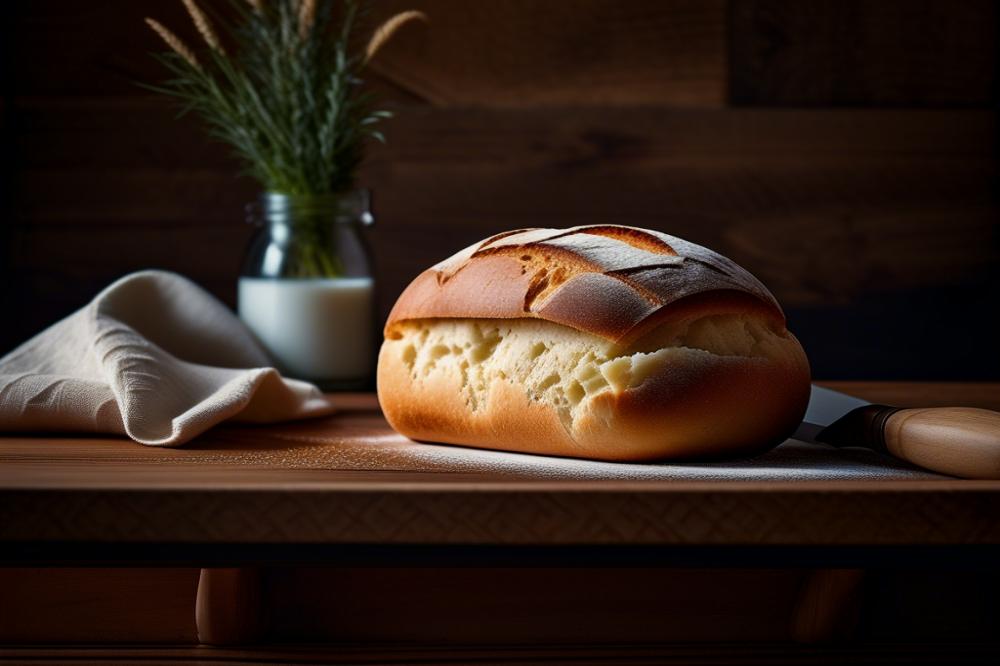
Italian cuisine boasts a rich tapestry of flavors and textures, with baking-italian-sfincione-sicily-s-take-on-pizza”>Ciabatta Bread standing out as a beloved staple. This artisan bread is celebrated not just for its delicious taste but also for its defined characteristics. Its soft texture delights anyone who takes a bite, while its crusty exterior offers a satisfying crunch.
Traditional recipes play a crucial role in baking, especially when it comes to making homemade bread. Recipes passed down through generations provide a connection to heritage and authenticity. In a world where shortcuts are common, returning to the basics speaks volumes about the values of patience and care in the craft of baking.
A sourdough starter is often used, giving the bread a unique depth of flavor. The process of fermentation enhances the bread’s qualities, resulting in a beautifully airy body. Understanding various flour types is also essential for successful baking, as they influence the final outcome. Those who commit to following a traditional recipe will find that the results are worth the effort. The delightful combination of textures and flavors makes this Italian Bread a favorite at any table.
Understanding Ciabatta Bread
History and Origin of Ciabatta Bread
Ciabatta bread traces its roots to Italy in the late 20th century. A baker named Arnaldo Cavallari created it in 1982 in the region of Veneto. This bread was inspired by traditional French loaves but took on its own identity. Unlike many older breads, ciabatta aimed to offer a simpler, yet flavorful, option. It quickly gained popularity throughout Italy. Chefs and home bakers alike embraced the traditional recipe. Since then, it has become a staple in Italian cuisine. The bread’s name translates to “slipper” in Italian, reflecting its shape.
Characteristics: Texture, Crust, and Flavor
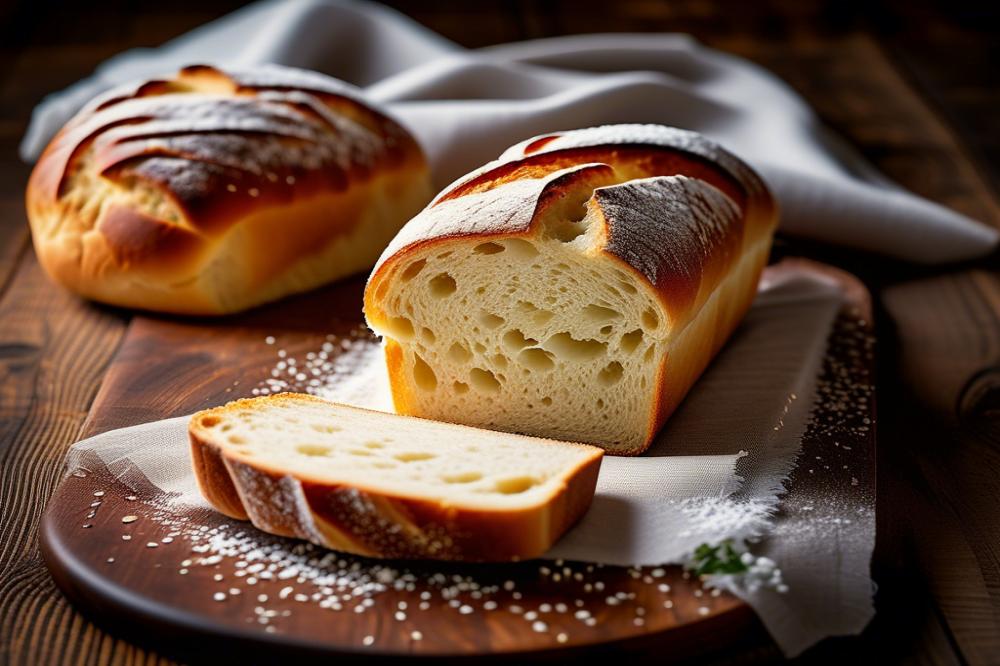
Distinct features define this beloved loaf. The texture is soft, with a light and airy crumb. Chewy and elastic, it creates a delightful bite. A crusty exterior provides a satisfying contrast to the inner softness. The flavor can be slightly tangy, especially when using a sourdough starter. This tanginess develops through a process of fermentation. Many enjoy a freshly baked loaf with olive oil, enhancing its taste.
Comparison with Other Artisan Breads
When comparing ciabatta to other artisan breads, several differences emerge. Many classic loaves, like sourdough or baguettes, have denser crumbs. Both ciabatta and sourdough starter require time for proper fermentation. While baguettes feature a thin crust, ciabatta boasts a thicker, crusty exterior. Variations in flour types also affect their flavors and textures. Homemade bread can be made with multiple grains, giving it various tastes. With its lightness and structure, ciabatta offers diverse options for sandwiches or dipping. The unique qualities of each bread tell a story of tradition and craftsmanship.
Ingredients for Traditional Ciabatta Bread
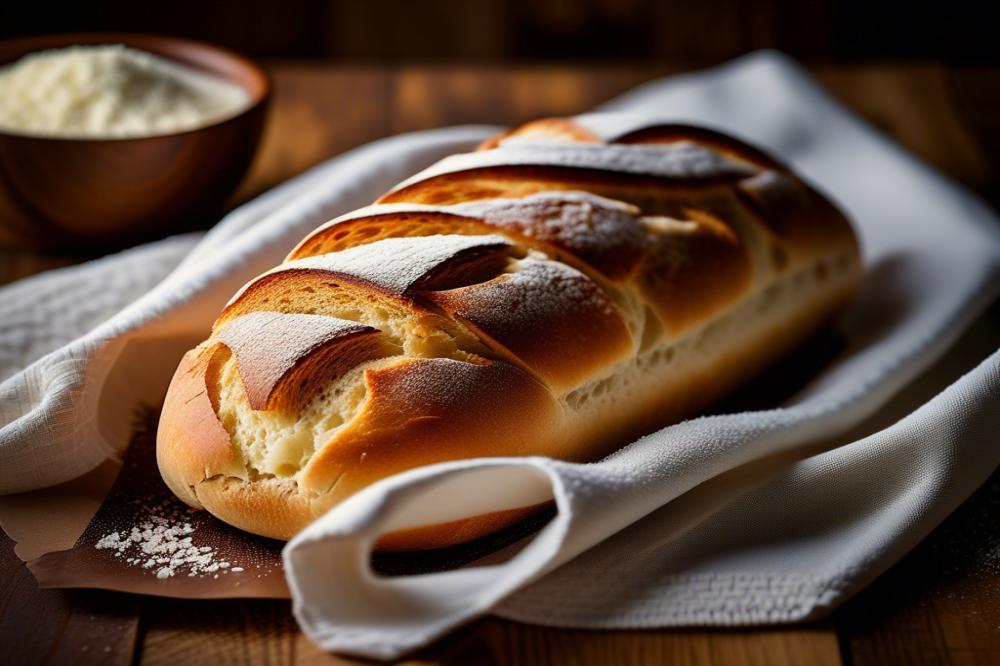
To create this delicious artisan bread, several essential ingredients are required. First, consider flour types. Bread flour is often preferred for its higher protein content. This helps with the development of gluten, which is crucial for achieving that perfect chewy texture. All-purpose flour can also work, but mixed with bread flour, it can elevate the final product.
Next, water plays a significant role. Using warm water can help activate the yeast more efficiently. The amount of water combined with the flour types will determine the dough’s hydration level. A higher hydration level leads to a softer texture in the final loaf, which is part of what makes this bread memorable.
Salt is another ingredient that should not be overlooked. It enhances flavor and strengthens gluten. This helps create that wonderful crusty exterior that many people love. Having the right balance of salt is essential, as too little can make the bread bland, and too much can affect the fermentation process.
Yeast is often used in traditional recipes, but some bakers prefer sourdough starter for better fermentation. This starter develops naturally from wild yeast and bacteria present in the environment. It adds a depth of flavor that commercial yeast simply cannot replicate. Using a sourdough starter can lend a unique tanginess to your homemade bread.
When it comes to any recipe, the quality of ingredients makes a significant impact. Fresh flour, clean water, and good salt will produce better results. Choosing high-quality ingredients is especially important in Italian cuisine. This focus on quality ensures each loaf is full of flavor and has the desired texture that bread lovers seek.
In summary, assembling the right ingredients is fundamental for successful baking. With a careful selection of flour types, an understanding of hydration, and the inclusion of a sourdough starter, one can create an extraordinary loaf. The outcome is not just any bread, but a delightful testament to the age-old traditions of Italy.
The Baking Process

Preparing the Dough: Mixing and Kneading
Creating a delicious loaf begins with the right mix of ingredients. Use high-quality flour, ideally a combination of all-purpose and bread flour. Adding water is crucial; it hydrates the flour, making the dough easier to manipulate. A traditional recipe might even call for a sourdough starter. This enhances the flavor profile of your homemade bread, giving it a delightful tang. After mixing, knead the dough for about 10 minutes. Watch for a smooth and elastic texture. This process helps to develop gluten, which contributes to the structure of the ciabatta.
Importance of Fermentation and Resting Time
Fermentation is essential in baking artisan bread. Once mixed, let the dough rest. A longer resting time allows complex flavors to develop. Consider covering the bowl with a damp cloth while the dough rises. This helps maintain humidity, essential for optimal fermentation. A second rise can also be beneficial. It yields a lighter and airier loaf, enhancing the soft texture you desire. Wait patiently; good things take time.
Shaping the Dough for Optimal Texture
Shaping the dough requires a gentle touch. Avoid deflating the dough too much. Flour your work surface slightly to prevent sticking. Using a bench scraper can help you divide the dough smoothly. When forming the loaves, take care to create a rough rectangle. This method promotes a crusty exterior while leaving the inside soft. Let the shaped dough rise again before baking. This last fermentation ensures the loaves have enough airiness when they go into the oven. The end result will be a delightful bread, showcasing the beauty of Italian cuisine.
Baking Techniques for Ciabatta
Preheating the Oven and Creating Steam
Preheating the oven is a crucial step in baking. Aim for a temperature of around 450°F (230°C). This high heat is essential for developing that classic crusty exterior. Placing a pan filled with water on the bottom rack can create steam, which helps the bread rise while preventing the crust from hardening too quickly. Steam effectively enhances the soft texture inside the loaf. As the water evaporates, it contributes to a beautifully baked crust.
Tips for Achieving a Crusty Exterior
Using a mix of flour types can aid in creating a superior crust. Bread flour or all-purpose flour brings great structure to your dough. Adding a small amount of whole wheat flour can also elevate the flavor profile. Another tip is to score the dough just before it goes into the oven. This simple cut allows for expansion during the baking process. Techniques like baking on a preheated stone or using a cast-iron skillet can further improve the crustiness. These methods promote even heat distribution, which is vital for achieving that artisan bread quality.
Correct Baking Time and Temperature
Baking time for ciabatta typically ranges from 25 to 30 minutes. Checking your bread as it bakes is wise. Look for a golden-brown color and a hollow sound when tapping the bottom. This tapping checks if the bread is done correctly. Each oven has its own quirks, making it essential to monitor your bread closely. For optimal results, use an internal temperature gauge. An ideal internal temperature should be around 205°F (96°C) to ensure that the sourdough starter has fermented properly. Following these guidelines will lead you to produce a fantastic loaf of homemade bread.
Storing and Enjoying Homemade Ciabatta Bread
Storing last night’s baking should be done carefully to maintain freshness. A cotton bread bag is ideal. This allows the loaf to breathe while keeping it protected. Avoid plastic bags, as they trap moisture and cause the crust to become soft. For longer storage, consider freezing portions. Wrap the bread tightly in aluminum foil or butcher paper, then place it in a sealable bag. This method helps preserve the quality. Defrosting is simple; just leave it at room temperature for a few hours. The crust will regain some of its delightful crunch.
Suggestions for Serving and Pairing with Dishes
When it comes to enjoying your homemade bread, the options are extensive. Slices of ciabatta make wonderful sandwich bases. Layer with prosciutto, fresh mozzarella, and leafy greens for a taste of Italian cuisine. Dipping into olive oil infused with herbs is another approach. The soft texture contrasts nicely with the robust flavor of the oil. Serve alongside a salad for a light meal or warm it up to accompany a pasta dish. This bread’s crusty exterior enhances any meal.
Creative Uses for Leftover Ciabatta Bread
Don’t toss away remnants of that artisan bread. Leftover pieces are perfect for making croutons. Toss cubes in olive oil, season with garlic and spices, then bake until golden. Your soups and salads will benefit from this crunchy addition. Another interesting idea is to craft a bread pudding, using a traditional recipe. Adding fruits and spices can transform stale bread into a delightful dessert. Even a simple bruschetta can be spectacular. Top slices with tomatoes, basil, and a drizzle of balsamic vinegar. These ideas bring versatility to what might otherwise go to waste.
Final Thoughts on Baking Ciabatta Bread
Recapping the importance of baking this classic Italian loaf reveals its deep connection to culture and tradition. Each crusty bite, with its airy texture and rich flavor, speaks volumes about the craftsmanship behind this traditional recipe. Trying your hand at making it at home is a rewarding venture. It’s not just about the ingredients; it’s about the experience of creating something delicious from scratch.
Many people shy away from baking bread, fearing it might be too difficult. However, with a little patience and practice, anyone can succeed. You do not need to be a professional baker to enjoy the process or the result. The joy of seeing dough transform into a beautiful loaf is an experience like no other.
Sharing this journey with family or friends can enhance the experience. Imagine the aroma filling your kitchen as you bake. This simple act can create treasured memories. Artisan bread baking fosters creativity and patience. Each attempt uncovers new techniques and flavors.
Encouraging readers to step into the world of artisan bread is essential. So why not embrace the challenge? Gather your ingredients and start kneading. You may find that baking becomes a cherished hobby, one that brings warmth to your home and joy to your table. Happy baking!

