

The Unique Wildlife of Italy’s Aeolian Islands
The Aeolian Islands, a captivating archipelago in the Tyrrhenian Sea, consists of seven main islands and several smaller islets. These volcanic islands are located north of Sicily and are renowned for their breathtaking landscapes. Each island, including Lipari, Vulcano, and Stromboli, showcases stunning geology and rich history. Beyond their beauty, these islands host a wealth of biodiversity. Their varied natural habitats, from rocky cliffs to lush forests, contribute to the incredible array of life found here.
Wildlife plays a pivotal role in the islands’ ecosystems. Many species call this region home, while others are endemic, meaning they exist nowhere else on the planet. Birdwatching attracts enthusiasts eager to spot rare birds in their natural settings. Likewise, marine life flourishes in the surrounding waters, making these islands a paradise for divers and snorkelers. Preserving this biodiversity is essential for maintaining the ecological balance and supporting local communities, making conservation efforts crucial.
This article aims to highlight the fascinating Aeolian Islands wildlife. Readers will explore the unique species found in this remarkable area, as well as the importance of ecotourism in protecting these fragile ecosystems. By understanding the intricate relationship between flora and fauna on these islands, we can better appreciate what makes this destination so special. Join us on a journey to discover the captivating wildlife that thrives among the Aeolian Islands.
Aeolian Islands wildlife

The Aeolian Islands are a Greek gift of nature, offering a rich variety of wildlife. These volcanic islands are home to creatures and plants that thrive in diverse natural habitats. Many of these species are found nowhere else on Earth.
Biodiversity is the lifeblood of this region. The islands host various ecosystems, from rocky cliffs to lush greenery. Visiting here, you might see a wide range of fauna such as lizards, rabbits, and a variety of birds. The surrounding waters are equally vibrant, with marine life that dazzles divers and snorkelers.
Endemic species reveal the islands’ charm. The Aeolian wall lizard, for example, can only be found in this area. Birdwatching also attracts many nature lovers. Various birds can be spotted throughout the year, including the charming Audouin’s gull and the majestic peregrine falcon.
This region’s flora showcases an incredible mix of Mediterranean and subtropical plants. Colorful wildflowers bloom in spring, adding splashes of color to the rugged landscape. The islands also feature fragrant herbs like thyme and rosemary, which contribute to their distinct scent.
Conservation efforts play a crucial role in protecting these amazing habitats. Awareness of the need for preservation is rising, with ecotourism gaining popularity. Tourists now explore the islands with responsible practices in mind, enjoying the splendor while safeguarding future generations’ ability to witness it.
With their stunning wildlife and beautiful scenery, the Aeolian Islands are truly a treasure. Locals and visitors alike appreciate the balance between human activity and nature. Exploring these islands can open a window to a world filled with rich experiences and unforgettable memories.
Natural Habitats

The Aeolian Islands boast a rich variety of ecosystems. These volcanic islands are home to stunning landscapes and diverse wildlife. Each island presents its own unique mix of flora and fauna. Coastal areas provide a buffer between land and sea, creating habitats for various marine life. From sandy beaches to rocky shores, these environments support a vibrant ecosystem.
Volcanic activity heavily influences the natural habitats found here. Eruptions and ash deposits shape the landscape, forming new soil and altering vegetation patterns. This process creates niches for many endemic species that thrive in this dynamic setting. Many plants and animals have adapted to the challenges posed by volcanic soil, making them truly remarkable.
Forests on the islands add another layer of biodiversity. They promise shelter for birds and mammals alike. These lush areas contain a mix of Mediterranean vegetation and species that may not be found anywhere else. Birdwatching in these habitats can reveal a multitude of birds, some of which are migratory. Visitors can often spot species such as the Eleonora’s falcon as it swoops through the air.
Interestingly, rocky shores play a critical role in the ecological balance of the islands. These areas act as breeding grounds for various marine organisms. Tide pools brim with life, showcasing both the delicate balance of the ecosystem and the adaptation of species to their surroundings. Conservation efforts are essential to protect these precious habitats from pollution and human impact.
Ecotourism flourishes here, driven by the desire to observe and appreciate the natural world. Travelers flock to the Aeolian Islands for their scenic beauty and diverse wildlife. They contribute to conservation efforts while exploring the unique landscapes. Preserving these habitats ensures that future generations can enjoy the rich biodiversity that makes these islands so special.
Marine Life

The waters surrounding the Aeolian Islands boast a rich tapestry of marine biodiversity. These volcanic islands create diverse natural habitats, which contribute significantly to the marine ecosystem. Coral reefs, seagrass beds, and rocky shores are just a few examples of the environments found here. Travelers and researchers alike often marvel at the variety of life beneath the waves.
Marine ecosystems are vital for numerous reasons. Fish populations rely on healthy habitats to thrive. These waters also support countless endemic species that cannot be found anywhere else. The balance maintained by these ecosystems sustains both aquatic life and the communities that depend on fishing and ecotourism. Conservation efforts are essential to protect these habitats from pollution and overfishing.
Some notable species inhabit these waters. Colorful fish like the damselfish and the schools of sardines are common sights for snorkelers and divers. Larger sea creatures such as dolphins occasionally visit too. Divers might be lucky enough to catch a glimpse of an octopus or a moray eel among the rocky crevices. Birdwatching opportunities also abound, as seabirds often flock to these islands, searching for food.
Even with their rich biodiversity, the Aeolian Islands face significant conservation challenges. Climate change threatens the delicate marine balance, and rising water temperatures can harm fragile ecosystems. Local organizations and communities are stepping up to confront these issues. They focus on protecting marine life and promoting ecotourism that respects the environment. By raising awareness about the unique animals and plants, they hope to secure a brighter future for the islands.
Endemic Species and Conservation
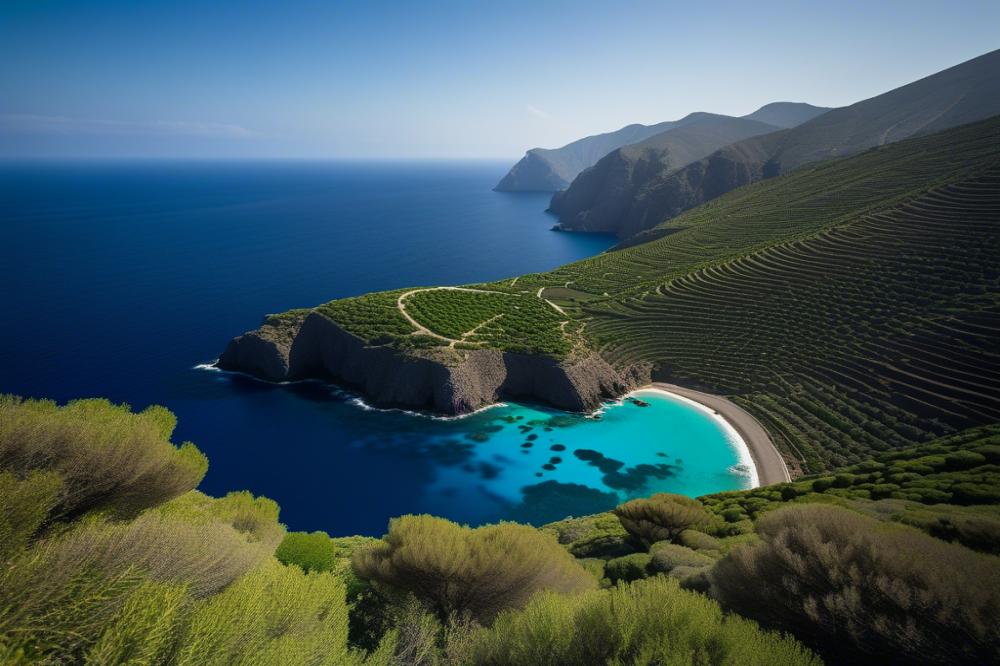
The Aeolian Islands boast several endemic species that are not found anywhere else in the world. These volcanic islands host a variety of plants and animals that thrive in their specific natural habitats. For example, the Aeolian wall lizard is a notable reptile that can only be spotted here. Additionally, certain types of flowers, such as the rare Aeolian broom, showcase the islands’ rich biodiversity.
Conservation efforts focus on protecting these unique species and their ecosystems. Various organizations work tirelessly to implement strategies for preserving wildlife. Programs that promote sustainable tourism play a vital role in maintaining the delicate balance between ecotourism and environmental conservation. Local guides often lead birdwatching tours that educate visitors while minimizing their ecological footprint.
The commitment of local organizations cannot be overstated. They collaborate with government agencies to safeguard these natural resources. Community involvement is critical; residents often participate in cleaning beaches and restoring habitats. Efforts include managing marine life populations and encouraging responsible fishing practices.
Awareness campaigns help educate the public about the fragile ecosystems. Workshops and seminars provide insight into the importance of preserving both flora and fauna native to the islands. School programs foster a love for nature in younger generations, encouraging future conservationists to emerge from the local youth.
Throughout the Aeolian Islands, a blend of local traditions and conservation practices flourishes. Travelers are often reminded of their responsibility to protect the environment. As tourism increases, so does the need to promote sustainable practices. Ultimately, the health of these islands depends on a collective effort to maintain their exceptional wildlife.
Birdwatching and Ecotourism
Opportunities for Birdwatching in the Aeolian Islands
Birdwatching presents a thrilling opportunity on the Aeolian Islands. The region’s diverse habitats support various species. Observers can spot migratory birds traversing the skies during different seasons. Many endemic species call these volcanic islands their home. Endemics like the Italian Sparrow and the Eleonora’s Falcon are particularly notable. Coastal cliffs and lush hillsides provide perfect perches for keen birdwatchers. The islands are ideal for everyone, from casual observers to dedicated enthusiasts.
Role of Ecotourism in Promoting Conservation
Ecotourism plays a critical role in conservation efforts. Visitors are drawn to the islands’ stunning flora and fauna, providing financial support for local preservation initiatives. Increased awareness among tourists encourages protective measures for vulnerable species. Local guides often share knowledge about wildlife and responsible practices. This fosters a connection between travelers and the environment they explore. In this way, ecotourism becomes a vehicle for positive change.
Best Practices for Responsible Tourism to Protect Wildlife
Responsible tourism is vital to safeguard the islands’ rich biodiversity. Tourists should follow simple guidelines when exploring nature. Keeping a safe distance from wildlife helps to minimize human impact. Engaging in guided tours ensures knowledgeable insights while respecting natural habitats. Avoiding single-use plastics protects marine life from pollution. Staying on marked trails prevents damage to delicate ecosystems. Each small action contributes to the ongoing conservation of these remarkable environments.
Flora and Fauna
The Aeolian Islands are home to a rich variety of plant species. Some of these are endemic, meaning they are found nowhere else in the world. For instance, volcanic landscapes support unique flora like Tanacetum aethiopicum and Centaurium erythraea. These plants have adapted to the harsh conditions of their environment, showcasing nature’s resilience.
Interactions between flora and fauna are essential to maintaining healthy ecosystems. Many insects rely on native plants for nectar. Birds often use these plants for nesting and shelter. The islands also host various marine life, which depends on coastal ecosystems to flourish. This connection between land and sea highlights a complex web of life that thrives together.
Maintaining biodiversity is crucial for the health of these natural habitats. Diverse ecosystems are more resilient to changes, like climate shifts. Conservation efforts focus on protecting these delicate environments for future generations. Ecotourism, particularly birdwatching, supports local economies while raising awareness about the importance of preserving these unique ecosystems.
Visitors to the islands can witness firsthand the interplay between wildlife and plant life. This rich tapestry of life serves as a reminder of the need for balance in nature. Efforts to promote awareness and conservation can help safeguard the Aeolian Islands for years to come.
Protecting the Wonder of the Aeolian Islands
Preserving the wildlife of the Aeolian Islands is crucial for maintaining the area’s rich biodiversity. These islands are home to numerous species found nowhere else on Earth. Their natural habitats, from lush forests to rocky coastlines, support a vast range of plants and animals. As such, safeguarding these environments must be a priority for everyone.
Conservation efforts are essential to combat the threats posed by climate change, pollution, and tourism. Local organizations and governments must work together to develop plans that protect this special ecosystem. Involvement from residents and visitors can make a significant impact. Simple actions, like respecting wildlife areas and minimizing waste, can help protect this fragile environment for future generations.
The beauty and richness of the Aeolian Islands are unparalleled. Each visit reveals something new, from the stunning landscapes to the fascinating creatures that inhabit them. Appreciating this diversity can inspire a deeper connection to nature and a commitment to its preservation. Taking care of these islands reflects our responsibility toward the planet. Advocating for their protection is an opportunity for all of us to be part of something truly special.

