

Introduction
Gardens held a significant place in Ancient Rome. Their beauty was not just for decoration; they served many purposes. Wealthy Romans often filled their estates with these spectacular spaces. Gardens provided places for relaxation and social gatherings. They were also environments for growing herbs and vegetables, making them practical as well as pleasant.
This article focuses on the gardens of Ancient Rome. Understanding their design and function reveals much about Roman life. The features of these outdoor spaces reflected the culture and values of the time. They were often intricate, combining nature with art. The Romans saw gardens as an extension of their homes, blending beauty with utility.
Throughout the following sections, we will explore various aspects of these gardens. What plants thrived in their plots? How did the Romans manage the landscaping? Various styles emerged, each showcasing creativity and skill. Looking at different garden types helps highlight their importance in society. From grand estates to simple courtyards, these settings played a pivotal role.
For those interested in history, gardens offer a glimpse into the past. While many elements have changed, the essence of gardening continues to thrive. As we discuss these ancient spaces, consider what they tell us about the people who tended them. Take a moment to reflect on the influence of nature in urban life. Indeed, the gardens of Ancient Rome remain a fascinating subject.
To gain deeper insight into this topic, consider exploring #anchor_text_1#. This will help further your understanding. Another excellent resource is #anchor_text_2#. Both will provide valuable information on the gardens of this classic civilization.
The Role of Gardens in Ancient Roman Society
Importance of Gardens in Daily Life
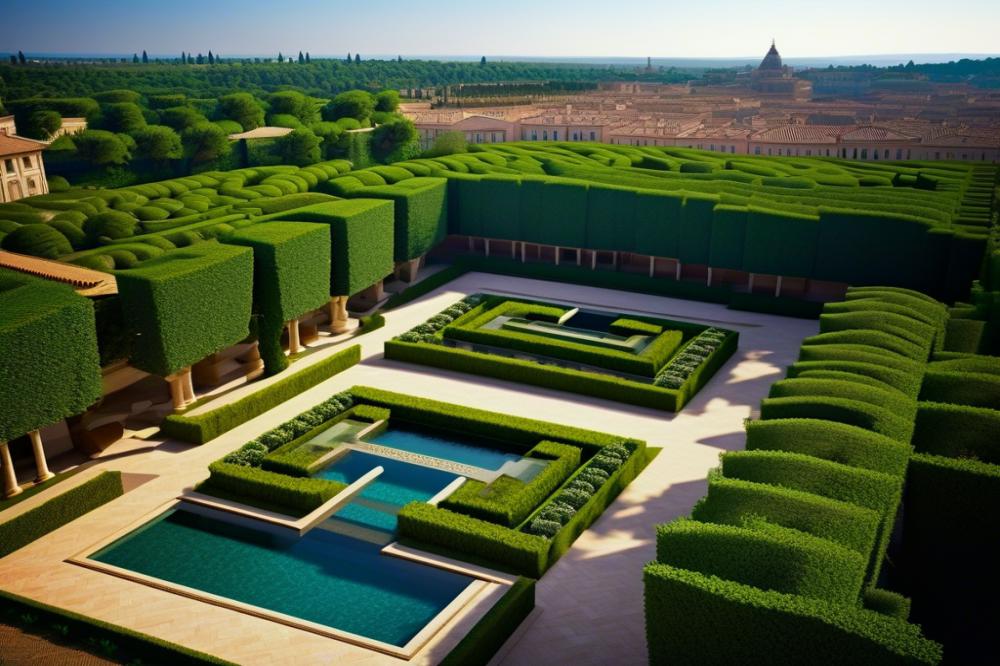
Gardens played a vital role in the lives of ancient Romans. They provided not just beauty, but also a space for relaxation and recreation. Many families cultivated their own plants for food and medicine. Vegetables, herbs, and fruits were common in these spaces. Fresh produce was an integral part of their diet. The act of gardening itself offered a welcome break from the hustle and bustle of daily chores. For some, tending to their garden was a hobby that brought joy and fulfillment.
Gardens as Symbols of Status and Wealth
Wealthy individuals often displayed their riches through elaborate gardens. These outdoor spaces were filled with exotic plants, fountains, and sculptures. The grander the garden, the higher the social standing it reflected. It became a status symbol among elites. Even the layout of the garden could indicate one’s wealth. Simple rectangular designs were common, while intricate patterns signified prosperity. As a result, gardens showcased both taste and affluence in society.
Relationship between Gardens and Social Gatherings
Social gatherings often revolved around gardens in Roman culture. Families and friends frequently hosted events outdoors, enjoying nature’s beauty. Celebrations could include anything from banquets to games. The atmosphere in these gardens encouraged laughter and conversation. Guests admired the flora while enjoying food and drink. It was an opportunity for community bonding, which was essential to Roman life. The connection between gardens and social interactions remains a significant part of their history.
Types of Gardens Found in Ancient Rome
Domestic Gardens in Private Homes
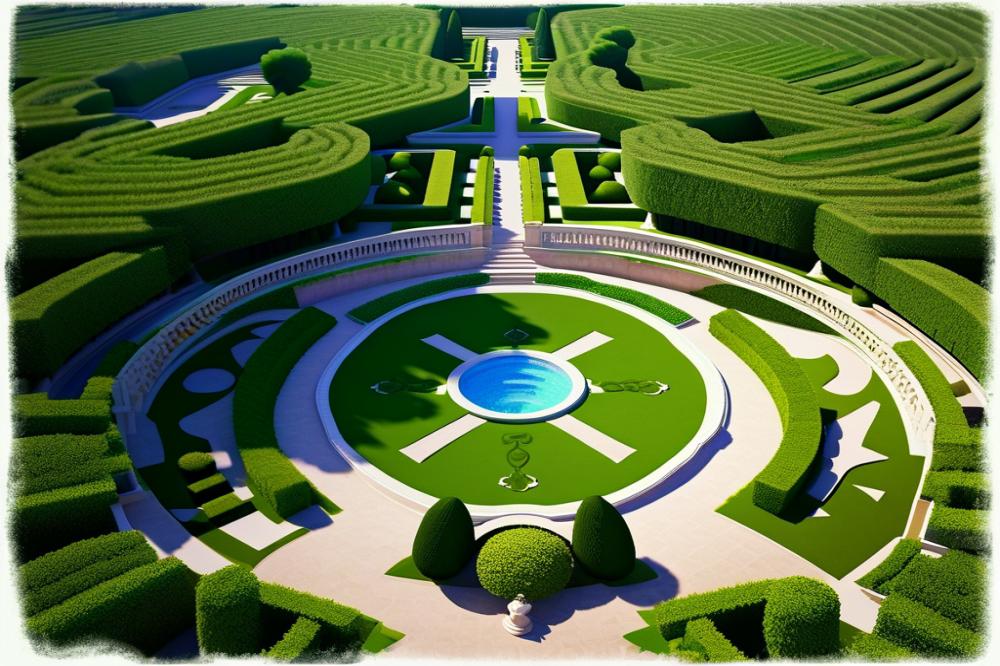
Domestic gardens were common in the households of Ancient Rome. These spaces were not just for appearance; they served practical purposes too. Often, families grew herbs and vegetables right at home. Some people enjoyed flowers for their beauty, creating a relaxing atmosphere. Courtyards were a popular setting, allowing light and air to circulate. Gardeners took great pride in their small plots. They tended to various plants daily, providing fresh produce for the kitchen.
Public Gardens in Urban Settings
Public gardens added green spaces to the bustling urban areas of Rome. Citizens frequented these areas for leisure and socializing. Ponds and pathways often filled these open spaces, providing a place to relax. Some gardens were designed with artistic carefulness, showcasing sculptures and fountains. Families could enjoy moments outdoors or share meals under the shade of trees. These parks offered citizens a much-needed escape from the crowded streets.
Sacred Gardens Associated with Temples and Rituals
Sacred gardens held significant meaning in Roman culture. Associated with temples, these spaces were central to various rituals. Many gardens were carefully arranged to symbolize the relationship between nature and the divine. Priests and worshippers often used these environments for prayer and reflection. Beautiful flowers and sacred plants adorned these areas to honor the gods. People believed these gardens created a direct connection to the divine. Visitors found peace there, facilitating spiritual practices and communal gatherings.
Design and Aesthetics of Roman Gardens

Roman gardens were known for their beauty and design. They featured various elements that showcased both nature and artistry. Commonly, a Roman garden included paths, terraces, and water features. These elements created a harmonious space for relaxation and entertainment. The layout often followed geometric patterns, reflecting the Romans’ love for order and symmetry.
Furthermore, the selection of plants and flowers played a crucial role. Romans imported many species from different regions. They enjoyed fragrant blossoms, such as roses and jasmine. Olive trees, vines, and laurel were also popular choices. Plants were often arranged to enhance the overall effect. This approach ensured that visitors felt a sense of tranquility as they wandered through the space.
Incorporating sculptures was another significant aspect of Roman garden design. Statues of gods, mythological figures, and other meaningful characters adorned different areas. These artworks added an artistic flair and served as focal points within the gardens. Pathways often led to these sculptures, inviting onlookers to pause and appreciate the surroundings. The placement of these pieces was deliberate, enhancing the beauty of the garden while providing visual interest.
Influence of Greek Gardening Techniques on Roman Styles
Greek gardening styles greatly influenced Roman aesthetics. The Romans admired the balance of beauty and utility found in Greek gardens. They combined both decorative and functional plants, creating spaces that were both pleasing and practical. In ancient times, gardens served as places for social gatherings and philosophical discussions. This tradition continued in Roman culture, where gardens became vital for leisure and reflection.
Additionally, Romans adopted the use of columns and pergolas from their Greek predecessors. These architectural features provided shade and structure, enhancing the garden’s allure. Climbing plants were often draped over these supports, creating a lush environment. This aspect highlighted the Romans’ desire to blend nature with architectural innovation, a hallmark of their culture.
Ultimately, the design of Roman gardens reflects their values and lifestyle. A strong connection with nature was evident, yet so was a deep appreciation for art. Each element—the plants, sculptures, and layouts—played a vital role in expressing their ideals. As such, the legacy of these gardens continues to inspire modern landscape design.
Gardens in Literature and Art
Representation of Gardens in Roman Literature
Roman authors often highlighted gardens as serene retreats. These spaces served as backdrops for poems, stories, and philosophical discussions. Writers like Virgil and Horace celebrated nature’s beauty. The allure of gardens echoed in their verses, painting vivid images of lush landscapes. Characters in their stories would retreat to gardens for solace and reflection. Nature became a teacher, revealing deep truths about life and love.
Depictions of Gardens in Art and Mosaics
Art also captured the essence of gardens. Roman mosaics frequently showcased intricate floral designs and verdant scenes. These artworks transformed the walls of villas into vibrant displays of nature’s bounty. Artists aimed to represent both beauty and luxury through garden portrayals. Statues entwined in greenery and lush arrangements filled courtyards. Each piece invited viewers to step into a world of peace and richness.
Symbolic Meanings Associated with Gardens in Roman Culture
In Roman culture, gardens signified more than mere beauty. They represented harmony and balance. During festivals, gardens served as spaces for celebration and gathering. Additionally, they were seen as symbols of wealth and status. Possessing a grand garden indicated a family’s prosperity. Places of recreation, gardens encouraged connection with nature. The flora within them often carried meanings of growth, renewal, and even longing.
Legacy of Roman Gardens
The influence of Roman gardens on modern gardening practices is significant. Many styles and elements from ancient times have found their way into today’s landscapes. For instance, the concept of using plants in decorative ways is still popular. People often recreate the lush, green spaces that Romans enjoyed. Moreover, the layout of formal gardens, with geometric shapes, can be traced back to Roman designs.
Preservation is vital for historical tours that showcase these ancient sites. Visitors can walk through the remains of Roman gardens, gaining insight into how people experienced nature centuries ago. Organizations work hard to maintain these areas in their original form. Such efforts allow the public to witness the beauty and complexity of ancient horticulture firsthand. Knowledgeable guides share stories that highlight the importance of these gardens in daily Roman life.
There remains a continued interest in the aesthetics of ancient Roman gardens. Designers often incorporate elements like fountains or statues inspired by this era. The harmony of nature and art seen in Roman gardens still captivates many. Community gardens sometimes echo these historical themes with thoughtful plant choices and layouts. Such creativity fosters a deeper appreciation for gardening based on historical principles.
Wrapping Up the Legacy of Roman Gardens
Gardens held profound cultural and historical significance in Ancient Rome. They served not just as places of beauty but also as symbols of wealth and power. Many wealthy citizens designed their gardens with care, blending nature with art. This practice reflected their social status and connection to the natural world. Besides beauty, gardens were multifunctional spaces. They provided food, herbs, and relaxation for families and friends alike.
Modern society still draws inspiration from these ancient designs. The enduring legacy of Roman gardens can be seen today in various public parks and private landscapes. Many city gardens today share similarities with their Roman predecessors. Elements like fountains, shaded areas, and carefully arranged plants can all trace their origins back to that era. The connection to nature remains vital in our fast-moving lives. Gardens continue to facilitate a sense of peace and community.
Reflecting on this history allows us to appreciate our environments more fully. As we garden, we honor a tradition that spans centuries. This appreciation also connects us to a more holistic way of living. Whether in sprawling estates or tiny urban balconies, the principles of #anchor_text_3# still hold true. Nature provides joy and comfort, echoing the experiences of ancient Romans. As we cultivate our spaces, we create both personal retreats and collective memories. The beauty of these gardens invites us to pause and reflect.
In conclusion, understanding the importance of gardens in Ancient Rome enriches our view of history. It reminds us how far humans have come in their relationship with nature. The influence of #anchor_text_4# is evident everywhere. Engaging with this historical legacy, we find renewed inspiration for our own green spaces. Our gardens, both large and small, continue to tell stories that link us to a past rich in significance.

