

The Gardens of the Villa Adriana: A Glimpse into imperial luxury and Innovation
Located near Tivoli, the Villa Adriana serves as a testament to the grandeur of ancient Rome. Built during the reign of Emperor Hadrian, this sprawling estate reflects the height of Roman architecture and the luxurious lifestyle of the elite. It is not merely a residence; it symbolizes the imperial power and cultural richness of its time.
Gardens played a crucial role in Roman culture. They were seen as an extension of nature and an integral part of lavish estates. The beauty of these spaces was much more than aesthetic; they served as a sanctuary for contemplation and leisure. For the Romans, garden design was an art form, embodying ideals of balance and harmony within the chaos of life.
This connection to nature hinted at an innovative spirit in landscaping practices. The Imperial Gardens at Villa Adriana stand out for their intricate designs and thoughtful integration with the surrounding environment. Each corner invites admiration and deeper reflection on the values of the time. This site has historical significance that reaches beyond its physical structures; it is a rich repository of cultural heritage recognized by UNESCO World Heritage status.
In summary, the gardens are not just a backdrop to the villa. Instead, they showcase the innovations in landscape design that defined a pivotal era in Roman history. Through Hadrian’s vision, these gardens become both a private retreat and a public declaration of imperial luxury.
Historical Context of Villa Adriana
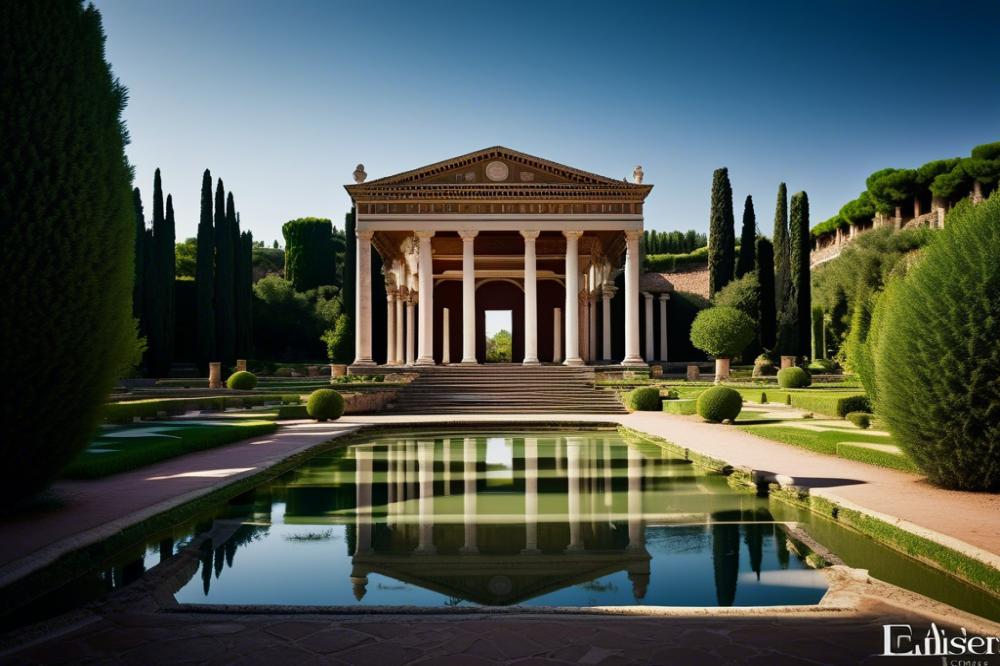
The story of Villa Adriana begins with Emperor Hadrian, one of the most notable figures in ancient Rome. He reigned from 117 to 138 AD and was known for his intellectual pursuits and love of architecture. Hadrian sought to create a retreat that reflected his tastes and his admiration for Greek culture. Thus, construction of the villa began around 118 AD. This site became a place for relaxation and a showcase of his imperial luxury.
Situated in Tivoli, the villa’s location was carefully chosen. Nestled among the hills, Tivoli offered a respite from the bustling city. The cool breezes and stunning views made it an ideal escape for the emperor and his guests. Hadrian wanted a space that combined natural beauty with stunning design, which he achieved through innovative landscaping. This attention to the environment was revolutionary for its time.
Influences of both Greek and Roman architecture are visible throughout the expansive grounds. The careful arrangement of temples, pools, and gardens showcases advanced planning and artistry. Garden design at Villa Adriana was unlike anything seen before. It represented a blend of cultural heritage and imperial grandeur, showing how Hadrian admired and borrowed from earlier civilizations. This fusion created a timeless aesthetic that still captures the imagination of visitors today.
Hadrian’s remarkable vision resulted in a landscape that was both functional and beautiful. He integrated elements like walkways and fountains seamlessly into the natural surroundings. The villa’s design reflects a moment of innovation in landscaping, emphasizing harmony between man-made structures and nature. This thoughtful approach to the environment helped define the essence of Roman garden design. The historical significance of this site is recognized globally, as it was designated a UNESCO World Heritage site in 1999.
Description of the Gardens
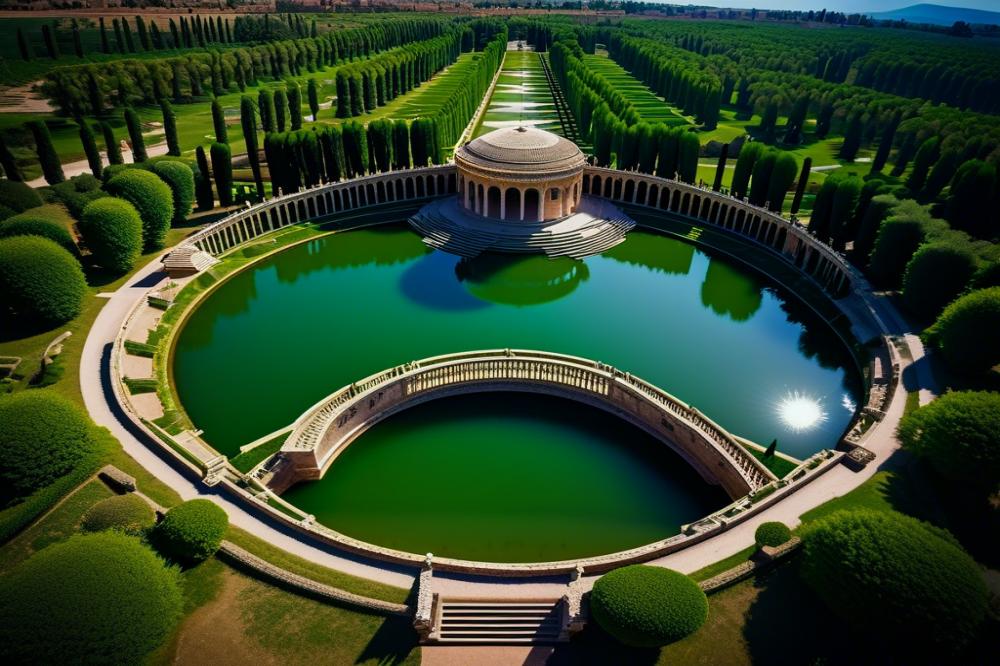
The gardens of Villa Adriana in Tivoli showcase the splendor of imperial luxury during ancient Rome. Constructed by Emperor Hadrian, these gardens represent a fusion of nature and Roman architecture. Each section of the estate holds its own unique features, carefully planned to reflect both beauty and functionality.
Different Sections and Features of the Gardens
Visitors can explore expansive terraces, tranquil pools, and lush green spaces. The canopus, a long pool adorned with statues and lined by cypress trees, serves as a focal point. Nearby, the grand nymphaeum boasts elaborate fountains, illustrating the importance of water in Roman culture. Pathways weave throughout, inviting exploration while providing picturesque views of the surroundings.
Innovative Landscaping Techniques Employed
Hadrian demonstrated true innovation in landscaping, creating a harmonious balance between nature and artifice. He utilized natural sloping terrain to enhance the garden’s aesthetics. Clever irrigation methods ensured that greenery thrived even in the heat of summer. The design also featured elements that blended seamlessly with the local environment, a testament to thoughtful planning.
Symbolism and Aesthetic Elements Present in the Garden Design
A rich tapestry of symbolism permeates the garden layout. Every feature connects to themes of tranquility, power, and connection to the divine. Fountains symbolize life and prosperity, while statues honor the gods and emperors. Aesthetic elements, such as the choice of plant species, reflect a celebration of cultural heritage, showcasing the appreciation Hadrian had for beauty.
Moreover, the gardens were not just decorative; they served a purpose in social and political life. They were places for relaxation, discussions, and celebrations, emphasizing the significance of leisure in Roman society. As a UNESCO World Heritage site, these gardens remain a vital connection to the past, offering insight into the grandeur of the Roman Empire.
Imperial Luxury and Use of Space
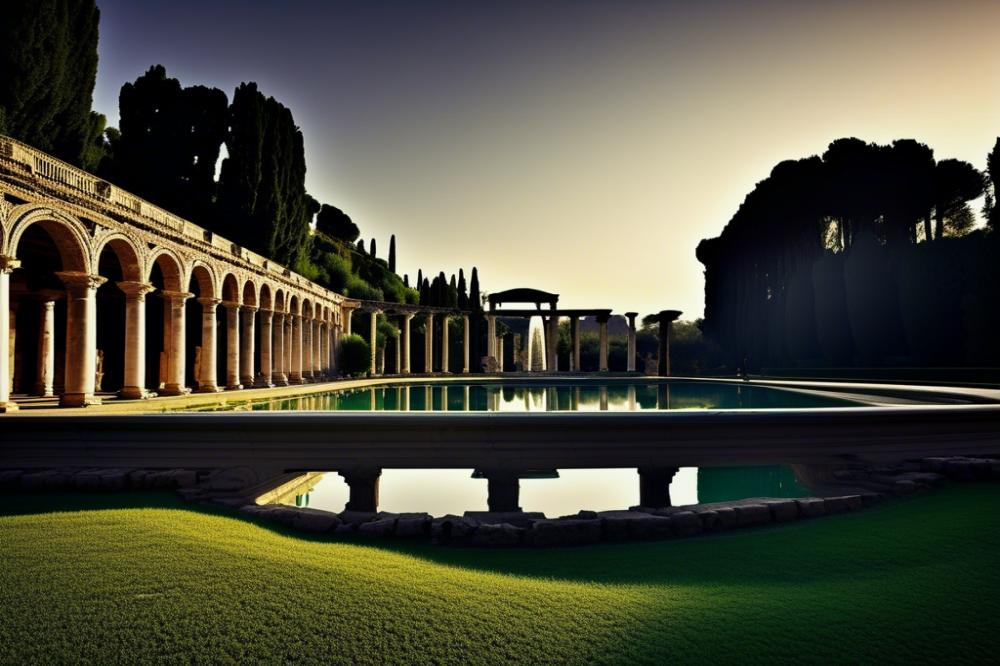
At the heart of Tivoli, the gardens of the Villa Adriana exemplify imperial luxury. They stand as a testament to the lifestyle of Hadrian and the elite of ancient Rome. Every corner of these expansive grounds was crafted to reflect power and taste. Gardens were not just decorative; they served a purpose in the daily lives of the emperors. They provided a tranquil escape from the bustling political life. Here, relaxation was key, along with the enjoyment of nature.
Cultural gatherings often took place amongst the verdant landscapes. These gardens allowed for social events that mingled leisure with intellectual discussions. Thinkers and artists would present their ideas, surrounded by stunning sights. Such gatherings fostered a vibrant exchange of culture, enhancing the prestige of Hadrian’s reign. This integration of nature and architecture also invites admiration today.
Integration of Architecture and Nature
Design played a crucial role in the beauty of the grounds. Roman architecture seamlessly intertwined with the lush gardens in this ancient masterpiece. Structures such as pavilions and fountains were not mere additions; they were essential elements of the garden design. These features showcased innovation in landscaping, highlighting an understanding of space. Each pathway led visitors through a carefully planned journey, emphasizing balance and harmony.
Additionally, the use of water in the gardens further elevated their status. Reflecting pools and cascading fountains demonstrated control over nature while offering serenity. This combination of man-made beauty and natural elements illustrates the significance of the landscapes. Today, the gardens are recognized for their historical importance, earning a place on the UNESCO World Heritage list. Visitors can appreciate how these spaces played a vital role in the imperial lifestyle.
Relation to Roman Architectural Innovations
The Gardens of Villa Adriana illustrate remarkable advancements in Roman garden design. This place is not just a collection of plants; it is a masterpiece of beauty and elegance. Hadrian, the emperor who built this retreat near Tivoli, wanted more than just a villa. He aimed to create a harmonious blend of nature and design, showcasing imperial luxury in every corner.
Compared to other Roman villas, this site stands out for its innovative landscaping techniques. Many gardens of ancient Rome were simpler, focusing on utility rather than aesthetics. In contrast, Villa Adriana features elaborate designs with terraced landscapes, reflecting a sophisticated understanding of both nature and art. Water features, sculptures, and pathways invite visitors to explore the beauty of the surroundings, elevating the garden to a central element of Roman culture.
Landscaping in ancient Rome served as a powerful expression of imperial identity. It demonstrated authority, sophistication, and a deep connection to the cultural heritage of the empire. The layout of the gardens reflects this ideology. Through careful planning and design, Hadrian signified his place among the great rulers of history. Such gardens often acted as a sanctuary, allowing emperors to showcase their power and relationship with nature.
The significance of this innovation in landscaping is profound. It laid the groundwork for future designs in Europe and beyond. As a UNESCO World Heritage site, Villa Adriana continues to influence modern architectural thought. The marriage of functionality and beauty here is a testament to the enduring legacy of Roman architecture.
Cultural Heritage and Historical Significance
The Villa Adriana, located in Tivoli, embodies the essence of Roman architecture and imperial luxury. Built by Emperor Hadrian in the second century, this grand estate set new standards in garden design and innovation in landscaping. Its expansive, meticulously planned gardens showcase an understanding of nature that was ahead of its time.
Many later gardens drew inspiration from this remarkable site. The layout of paths, use of water features, and careful selection of plants influenced numerous designs throughout history. Even today, the principles established here can be seen in gardens across Europe and beyond. They have shaped the way we perceive and interact with outdoor spaces.
Recognition as a UNESCO World Heritage site highlights the cultural heritage of this remarkable place. This designation reflects its importance not only to Italy but to the world. The villa stands as a testament to ancient Rome’s architectural and artistic achievements. Its preservation is vital for future generations to appreciate its historical significance.
Modern interpretations of classical gardens often look back to Hadrian’s vision. Today’s landscape architects incorporate elements from the past while adding their unique touches. The balance of nature and man-made structures continues to inspire creativity. Visitors to the villa can see how its ancient beauty has informed contemporary design practices.
Final Thoughts on the Gardens
The gardens at this remarkable site represent a pinnacle of imperial luxury and innovation. They serve as a vivid reminder of the grandeur and sophistication of ancient Roman life. Carefully designed landscapes showcased not just beauty, but also an understanding of nature that was advanced for its time. The intricate layout and use of water features illustrated a unique blend of functionality and aesthetics. Artistic choices reflected the desires and ambitions of the emperor who built it.
This remarkable estate has left a lasting mark on garden design throughout history. Many modern landscapes draw inspiration from its symmetry and grandeur. Its influence can be felt far beyond Italy, as the principles of Roman architecture continue to inspire gardeners and designers. People today are still captivated by the harmony and serenity these gardens evoke. The space encourages visitors to reflect on history and appreciate the craftsmanship involved in their creation.
As we admire these ancient gardens, it is important to remember the value of cultural heritage. Preservation efforts are essential to ensure that future generations can enjoy this piece of history. Recognizing the significance of such sites helps maintain a connection to our past. In doing so, we honor the creativity and vision that created this extraordinary blend of nature and artistry. Let’s take a moment to appreciate the legacy of such masterpieces and strive to keep them intact for years to come.

