

From Persia to Rome: How Eastern influences Shaped Roman garden design
Roman gardens were more than just simple outdoor spaces. They served as important venues for relaxation, social interaction, and showcasing wealth. In ancient Rome, gardens reflected not only personal taste but also the society’s values and aspirations. The design of these lush areas often drew inspiration from earlier cultures, particularly Persia, known for its sophisticated gardening techniques.
Cultural exchange played a significant role in shaping the aesthetics of Roman gardens. As the Roman Empire expanded, so too did its interactions with Eastern civilizations. This merging of ideas led to a rich tapestry of gardening styles that featured many ornamental plants and decorative elements. Persian gardens, with their intricate layouts and water features, greatly influenced Roman landscaping. These gardens were often enclosed spaces, designed to create a tranquil oasis away from the bustling city.
Horticulture thrived in this environment. Romans adapted various plants to suit their climate, demonstrating impressive botanical knowledge. They established techniques for caring for plant life that ensured beauty throughout the seasons. Climatic conditions were taken into account, allowing for a diverse array of species. As a result, these gardens became vibrant reflections of both nature and artistry.
Landscaping in Roman gardens included several artistic elements as well. Pathways, sculptures, and water features composed engaging designs that invited visitors to explore. These outdoor spaces encouraged a deep connection to nature while integrating art and architecture. The lush greenery and carefully selected ornamental plants drew people into a serene experience, encouraging contemplation and leisure.
As we delve deeper into the influences of Eastern design on Roman aesthetics, we can appreciate the complexities that shaped these ancient civilizations. The interplay between Persian techniques and Roman ingenuity resulted in a unique landscape that has left a lasting legacy on garden design throughout history.
Eastern Inspirations in Roman Gardens
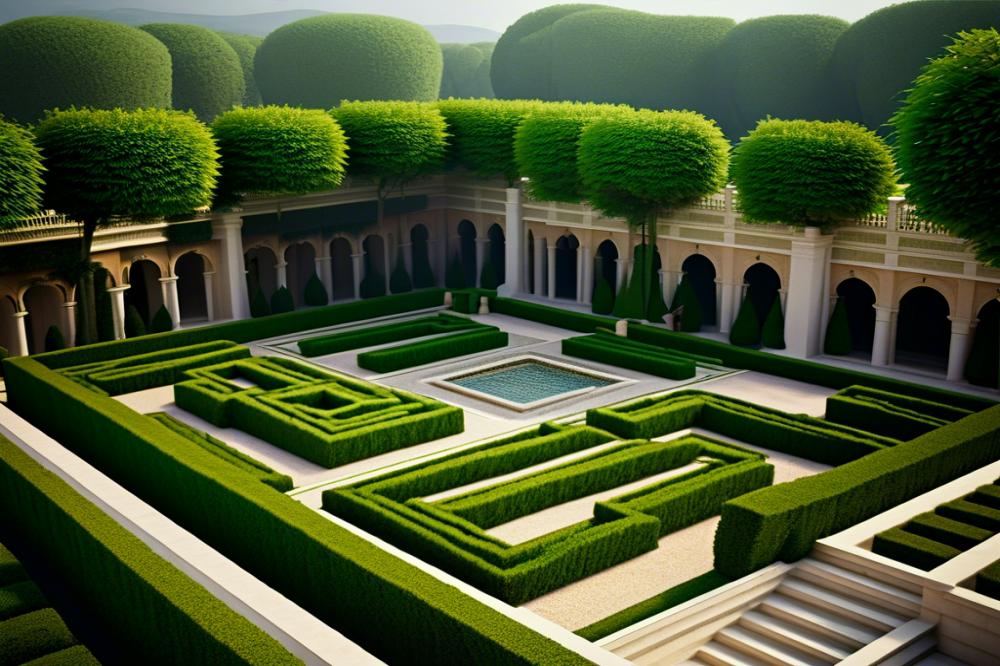
Persian gardens had a profound impact on Roman aesthetics. These gardens were known for their beauty and sophistication. The Romans admired the principles that guided Persian landscaping. Features like symmetry, water channels, and shaded areas became popular. horticulture flourished with the introduction of ornamental plants from the East.
A continual cultural exchange marked the relationship between these ancient civilizations. Romans learned valuable gardening techniques and incorporated them into their designs. The concept of creating spaces for relaxation and beauty was significant. Water features played an essential role, imitating the tranquil streams found in Persia. Fountains and pools added serenity to Roman gardens, enhancing their appeal.
Botanical knowledge also traveled along with these influences. This transfer of ideas allowed Romans to cultivate a variety of plants. As they adapted these techniques, climate adaptation emerged as a key factor. The Mediterranean climate suited many flora native to Persian gardens. Rome’s gardeners took advantage of this similarity, experimenting with new species. They blended their native plants with those from Persia, creating lush environments.
Art and architecture were influenced by these gardens as well. The layout often reflected a sense of balance and harmony, mirroring Persian designs. Columns, pergolas, and pathways transformed ordinary spaces into extraordinary retreats. Romans endeavored to design gardens that invited citizens to enjoy nature. The charm of Eastern inspirations made these areas increasingly popular in Roman culture.
Ultimately, the fusion of Persian aesthetics with Roman landscaping introduced a fresh perspective. This integration not only beautified outdoor spaces but also enriched the lives of Roman citizens. The legacy of these influences continues to be appreciated in garden designs today.
Horticultural Innovations
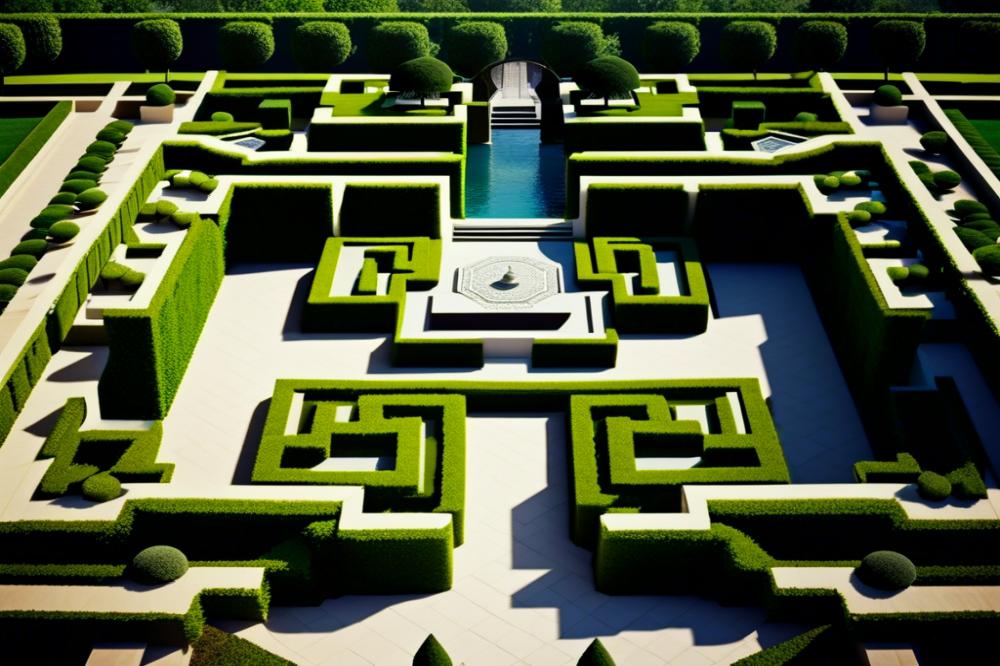
The exchange of ideas between Persia and Rome had a significant impact on gardening practices. Persian gardens, known for their stunning beauty and organized layout, played a key role in this transformation. These gardens often featured intricate landscaping, which inspired Roman garden designs. Such gardens were not just places for growing food; they focused on aesthetics and relaxation.
One of the most notable contributions from Persia was the introduction of ornamental plants. Romans began to cultivate species like roses, jasmine, and various fruit trees. This variety changed the landscape of their gardens. Romans learned to appreciate beauty in plant life beyond simple utilitarian crops. Captivating flowers and distinctive greenery created lush environments for both leisure and enjoyment.
New horticultural practices emerged as a result of this cultural exchange. Techniques from Eastern civilizations emphasized irrigation and the use of water features to enhance biodiversity and atmosphere. Romans adopted these methods, incorporating fountains and pools into their designs. These additions not only beautified the gardens but also provided much-needed cooling in the hot summer months.
Botanical knowledge gained from Persia helped Romans adapt to their climate. They learned how to select and maintain plants that thrived in various conditions. This adaptability ensured stronger gardens that flourished even in different weather contexts. Understanding soil types and plant relationships became essential for Roman gardeners.
Art and architecture also influenced garden design. The symmetrical patterns found in Persian layouts captured Roman imagination. They began to design spaces that mirrored these principles, balancing plants, paths, and structures. Each garden became a reflection of both nature and human creativity.
As a result, Roman gardens evolved into vibrant spaces, rich with plants and design. Knowledge sharing allowed for the development of innovative techniques in horticulture. This dynamic blend of cultures worked to create a legacy that would inspire future generations of gardeners. Ultimately, the impact of Eastern influences transformed Roman gardening into an art form.
Water Features and Garden Layout
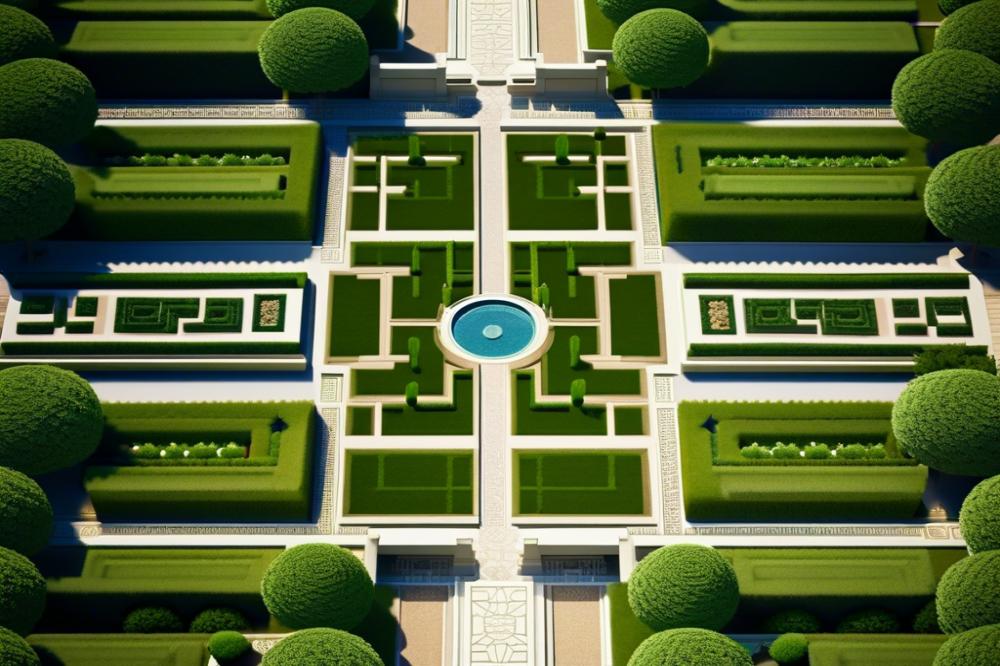
Water features played a crucial role in both Persian and Roman gardens. These ancient civilizations understood the significance of water in enhancing beauty and creating serene environments. Persian gardens, known for their elaborate design, often incorporated flowing water, which symbolized life and fertility. This concept deeply influenced Roman garden design, where water became a central element.
Roman horticulture was enriched by the techniques learned from Persian landscaping. The use of water in these gardens not only served aesthetic purposes but also created microclimates that benefited a variety of ornamental plants. By channeling streams or installing fountains, Romans adapted the climate to suit their gardening needs, making their outdoor spaces lively and inviting.
Several famous Roman gardens showcased impressive waterworks. One notable example is the Villa of Livia at Prima Porta. This garden featured a spectacular water system that included aqueducts and basins, reflecting the sophistication of Roman engineering. Another remarkable site is the Gardens of Maecenas, which were adorned with cascading pools and fountains that delighted visitors.
Many of these designs were products of cultural exchange. As knowledge spread between the East and the West, Roman art and architecture evolved, influenced by Persian ideals. Water features became not just functional but also symbolic, representing abundance and harmony in nature.
Botanical knowledge also played a pivotal role. Romans learned to cultivate a diverse array of plants, thanks in part to their interactions with Persian horticulturists. This exchange led to the development of gardens that were not only beautiful but also culturally rich, blending different styles and practices. The inclusion of waterworks transformed these spaces into experiences, where sound and movement added to the ambiance.
Art and Architecture in Roman Gardens
Roman gardens, with their splendor, owe much to the rich influences from Eastern cultures, particularly Persia. Persian gardens were designed with a unique blend of artistry that shaped how Romans thought about outdoor spaces. These gardens featured intricate layouts and vibrant horticulture, elements that resonated in Roman landscaping practices.
Sculptures played a significant role in this cultural exchange. Rather than just acting as decorations, these artworks fostered a deeper connection between nature and art. Romans began to incorporate statues, often of deities or mythological figures, within their garden designs. This melding of form and function enhanced the overall aesthetic, creating spaces that invited reflection and admiration.
Water features also drew inspiration from Eastern traditions. The use of fountains and pools became common in Roman gardens, elevating the experience of nature. This adaptation showcased Romans’ understanding of climate and their ability to create serene environments that mirrored those found in Persia. The sound of water trickling and the sight of reflecting pools added layers of sensory enjoyment.
Botanical knowledge from Persia also influenced what ornamental plants were selected for Roman gardens. Eastern florals and greenery introduced new colors and fragrances, enriching the garden experience. This integration not only highlighted the diversity of plant life but also demonstrated a sophisticated awareness of how gardens could evoke different feelings.
The layouts of Roman gardens, with their symmetry and pleasing proportions, mirrored the organized beauty found in Persian gardens. Pathways were planned carefully, guiding visitors through serene spaces that balanced natural elements with artistic design. Each step through the garden became a journey, emphasizing the thoughtful connection between space and the natural world.
Art and architecture merged seamlessly in these outdoor sanctuaries. Structures like gazebos and shaded areas added a functional beauty that invited people to linger and enjoy their surroundings. Such features were not just practical but also reflected the grandeur associated with garden designs of both cultures.
Overall, the exchange between Eastern and Roman aesthetics in garden design exemplifies the rich tapestry of ancient civilizations. This blending of ideas allowed for a more interesting and intricate approach to landscape artistry, highlighting how cultures can influence one another in profound ways.
Cultural Exchange and Its Impact
The cultural exchange between Persia and Rome was significant and wide-reaching. This interaction has shaped many aspects of life, including garden design. Persian gardens became an integral influence on Roman horticulture. The beauty of these gardens, with their intricate landscaping and vibrant ornamental plants, caught the attention of Roman elites.
Trade routes served as vital channels for this exchange. Merchants traveling along the Silk Road transported not just goods but also ideas about gardening and landscape design. Diplomats and travelers, too, acted as conduits for information. They shared botanical knowledge, including techniques for irrigation and the cultivation of various plant species. Knowledge of water features became popular as well. Irrigation systems from Persia inspired Roman designs, allowing gardens to thrive even in less hospitable climates.
The adaptation of climate played a crucial role in this exchange. Romans were skilled at adapting gardening practices to fit their own environment. By incorporating elements from Persian gardens, they created spaces that reflected both cultures. Gardens were designed not only for beauty but also for leisure. Romans saw gardens as a place for relaxation and socialization, similar to the Persian approach.
Art and architecture also influenced garden layouts. The geometric patterns found in Persian garden design can be traced in some Roman gardens. These patterns emphasized symmetry and order. Such designs appealed to Roman aesthetics and added a unique charm to their outdoor spaces.
Through this exchange, the appreciation for diverse plant species grew. Romans began to cultivate exotic plants that were once exclusive to Persia. The availability of such flora increased the richness of Roman gardens, making them lush and lively. The blending of these traditions created a distinctive gardening culture.
Ultimately, the relationship between the two ancient civilizations fostered innovation in garden design. The melding of ideas contributed to a more vibrant Roman horticultural scene. The lasting influence of Persian gardens can still be seen in the remnants of Roman landscaping. As these two cultures intertwined, they enriched one another, leaving a legacy that continues to inspire garden enthusiasts today.
Final Thoughts on Eastern Influences in Garden Design
The journey from Persia to Rome illustrates a fascinating exchange of ideas that shaped garden design. Eastern gardens introduced the Romans to concepts that would transform their own landscapes. Persian gardens, with their intricate layouts and symbolic meanings, offered a fresh perspective. These influences brought a sense of order and beauty that resonated deeply with Roman ideals.
Cultural exchange played a crucial role in this evolution. It allowed for the sharing of knowledge, techniques, and aesthetics. The blending of Eastern and Western practices highlighted how civilizations can learn from one another. As a result, Roman gardens emerged as spaces of leisure, spirituality, and artistry. Features like water channels and shaded walkways became staples, reflecting a synthesis of Eastern horticulture with local traditions.
Understanding this legacy is important for today’s gardening practices. Many modern gardens continue to draw inspiration from these ancient designs. Elements such as symmetry, water features, and vibrant plant selections remain popular. By appreciating this historical influence, gardeners can create outdoor spaces that honor both tradition and innovation.
As we reflect on the past, it is clear that the exchange between Persia and Rome was not merely a transfer of styles. It was a dialogue that enriched both cultures. In the grand tapestry of history, these gardens remind us of our shared heritage and the enduring power of creative collaboration. Embracing this legacy can provide insights into our own gardening endeavors, encouraging us to blend styles and ideas from various traditions.

