

Introduction
Olive Oil holds a distinguished place in Italian culture and cuisine. It is more than just a cooking ingredient; it symbolizes a lifestyle and culinary tradition that has flourished for centuries. This golden liquid serves as the backbone of many regional dishes, showcasing the rich diversity of Italian gastronomy.
The Mediterranean Diet, renowned for its emphasis on wholesome foods, places healthy fats at the forefront. Olive Oil, especially its extra virgin variety, is celebrated for both its flavor and health benefits. Its use in recipes enhances the natural tastes of ingredients, bringing them to life in a way that few other oils can achieve.
In Italy, olive oil is integral to daily life. Families drizzle it over salads or use it in marinades, while cooks incorporate it into traditional dishes passed down through generations. Beyond its culinary uses, this oil promotes heart health and provides antioxidants, making it a staple for anyone interested in healthy eating.
The appreciation for olive oil is evident in its presence across various meals. Whether it is a simple slice of bread dipped in high-quality oil or a robust sauce simmered with it, the flavor it imparts is unmistakable. In Italian Cuisine, it acts as a bridge, connecting simple ingredients into delightful experiences.
The Importance of Olive Oil in Italian cooking
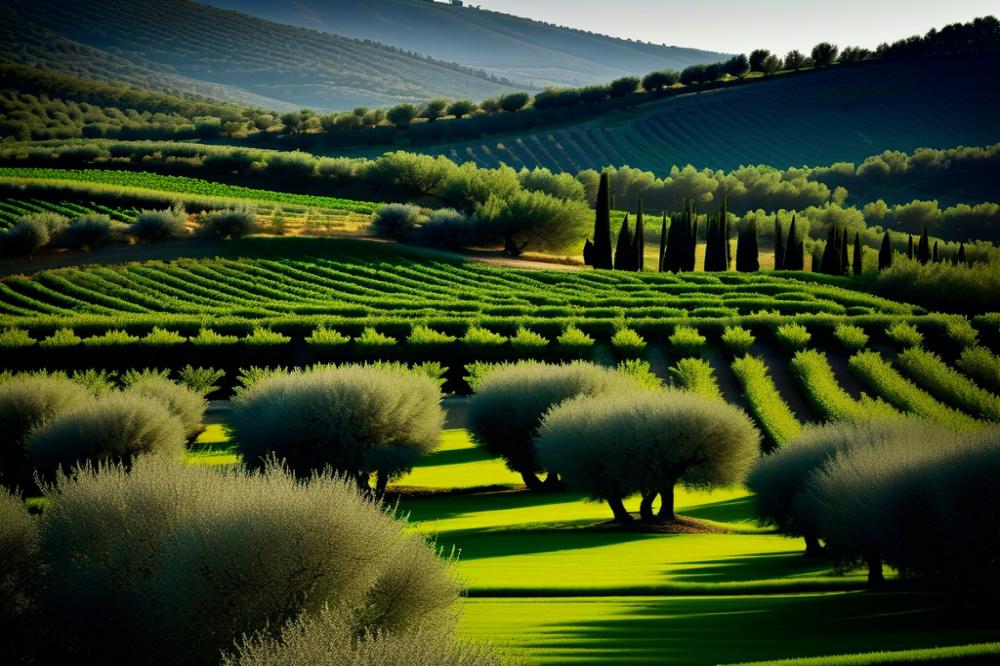
The role of olive oil in Italian gastronomy cannot be overstated. This ingredient serves as the foundation of countless recipes. Italians have embraced it across regions, incorporating it into their traditional dishes. From salads to pasta sauces, its presence is ubiquitous.
Cooking techniques vary, showcasing the versatility of this staple. Sautéing vegetables brings out their natural flavors when combined with olive oil. Dressing salads becomes an art with this ingredient, elevating fresh greens. Frying, too, can become a delightful experience, imparting a crispy texture to meats and vegetables alike.
Many types of olive oil exist, but the most celebrated is extra virgin. This oil undergoes minimal processing, retaining its robust taste and health benefits. It is often chosen for drizzling over dishes or as a base for dips. Each region of Italy tends to favor a specific type, reflecting local flavors and traditions.
Dishes like bruschetta or a classic Caprese salad shine with a drizzle of quality oil. The use of olive oil aligns perfectly with the principles of the Mediterranean Diet, which emphasizes fresh foods and healthy fats. In countless Italian homes, it’s seen as an essential component of daily cooking.
Exploring regional dishes reveals how integral this oil is to local customs. In Sicilian cuisine, for example, citrus and olives create a vibrant dish distinct from the hearty flavors found in Tuscany. Each recipe tells a story, and olive oil is often at the heart of it.
Overall, it is easy to see why this ingredient holds a prominent spot in Italy’s culinary heritage. The flavor profiles it brings to both everyday cooking and festive meals set the stage for shared moments around the table. Italian Cuisine thrives on this essential element, making it much more than just an ingredient—it’s a tradition.
Health Benefits of Olive Oil

Incorporating this golden liquid into your daily meals can bring a wealth of health benefits. Numerous studies have highlighted its role in promoting heart health. With its high content of monounsaturated fats, it may help lower bad cholesterol levels, which benefits cardiovascular health. Researchers often point to the Mediterranean Diet as a key factor in the longevity and wellness of those living along the Mediterranean coast.
Extra virgin olive oil stands out as a prized choice for cooking and as a salad dressing. What makes it special is its rich antioxidants and anti-inflammatory properties. This unique blend of compounds may protect against chronic diseases. Many people enjoy using it in traditional recipes. Regional dishes highlight the versatility and flavor that olive oil brings to the table.
Moreover, regular consumption can enhance mental and physical well-being. Some experts believe that the health benefits extend beyond just heart support. A diet rich in olive oil has been linked to improved brain function and may even reduce the risk of cognitive decline. The Mediterranean Diet is known for its delicious foods, emphasizing fresh fruits, vegetables, whole grains, and healthy fats.
When it comes to gastronomy, the role of this staple ingredient cannot be overstated. It plays a central role in Italian cooking and is celebrated for adding depth to myriad regional dishes. From pasta sauces to marinades, it enhances flavors and elevates meals. Recipes that include this versatile oil not only taste incredible but contribute to a balanced lifestyle.
In essence, this foundation of the Mediterranean Diet offers more than just culinary delight. It encourages a healthier approach to eating while paying homage to culinary heritage. As more people become aware of its benefits, the popularity of olive oil continues to rise, making it a staple in kitchens worldwide.
Flavor Profile and Regional Variations
Italy offers a rich variety of flavor profiles when it comes to olive oils. Each type brings something different to the table, creating stunning contrasts in traditional dishes. For instance, extra virgin oils often display a robust, peppery taste with grassy notes. This intensity is perfect for drizzling over fresh salads or as a dip for artisanal bread. On the other hand, lighter varieties can add a delicate touch to seafood dishes without overpowering the natural flavors.
Regional differences play a significant role in the production of olive oil across Italy. Tuscany is famous for its bold, fruity oils with a hint of bitterness. This region’s oils perfectly complement hearty pasta recipes. In contrast, the oils from Sicily tend to be more floral and fragrant, making them ideal for drizzling over grilled vegetables. These distinct characteristics showcase how local climates and soil types influence the final product.
Exploring the culinary heritage of Italy means appreciating these regional variations. Olive oil is central to many traditional recipes, tying together various ingredients. In Puglia, the use of olive oil is essential in dishes like Orecchiette con Cime di Rapa. This dish highlights the oil’s ability to elevate simple flavors. Further north, in Liguria, basil pesto shines with the richness of locally produced oil, demonstrating another angle of Italian gastronomy.
The Mediterranean Diet emphasizes healthy fats, and olive oil is a key player. Health benefits abound, as it is rich in antioxidants and simple fats. This dietary focus not only promotes well-being but also contributes to the overall appreciation of local ingredients. Each dish tells a story of its region, primarily through the unique flavors of its olive oils.
As one travels from region to region, the culinary landscape transforms. Liguria, with its lush coastal hills, produces oils that are light yet flavorful. In contrast, the deep green hills of Umbria provide richer, more pungent varieties. These oils enhance dishes like bruschetta and grilled meats, illustrating their versatility in cooking. Using olive oil in regional dishes can truly enhance and honor Italian traditions.
Olive Oil in Italian Recipes
Italian cuisine is a rich tapestry woven with flavors, and olive oil plays a starring role in many beloved recipes. From sun-drenched coasts to mountain villages, this staple varies across the country’s regions. It’s essential to highlight how cooking with this ingredient can elevate the taste and health benefits of your meals.
Classic dishes such as Bruschetta al Pomodoro showcase its importance. Fresh tomatoes, basil, and garlic come together, but the magic is in the drizzle of high-quality, extra virgin product that brings the feast to life. Pasta dishes, like Aglio e Olio, rely on the simple yet flavorful combination of garlic sautéed in oil, making it both satisfying and healthy.
Selecting the right type requires some attention. Look for labels that say “extra virgin” for the best quality. This ensures you’re getting the oil with the most flavor and nutrients. Dark glass bottles can also help preserve its integrity. Always choose oils that are less than a year old for peak taste.
When cooking, remember that high heat can alter the flavor. For sautéing, a robust oil works well, while delicate varieties are fantastic for drizzling over salads or finishing dishes. Pairing different oils with the right food can truly enhance your experience. A peppery oil complements a hearty steak, while a more fruity oil works beautifully with fish or vegetables.
Incorporating olive oil into your meals aligns well with the Mediterranean Diet, praised for its health benefits. Drizzling it over roasted veggies or using it in marinades can maximize flavor while keeping dishes light. Explore regional dishes that incorporate oil, like Tuscan ribollita or Sicilian caponata, and you’ll embark on a culinary journey through Italy’s rich gastronomy.
Don’t forget about dessert. A light touch of olive oil can enhance flavors in sweet recipes like cakes or ice creams. The versatility of this ingredient can surprise your guests and add a subtle richness that enhances the overall taste. Note that everything in moderation is key, as too much can overpower.
Embracing olive oil is about understanding its role in Italian cooking. The right pairings and applications not only enhance flavor but also contribute to a cherished culinary heritage. Dive into the heart of Italy’s food culture, and you’ll discover a world where cooking becomes an art.
Cultural and Historical Significance
Italy’s relationship with olive oil runs deep, woven into the very fabric of its culinary heritage. Ancient civilizations recognized its value, using it for cooking, as a trade commodity, and even in sacred rituals. The Greeks and Romans revered the olive tree, viewing it as a symbol of peace and prosperity. Such cultural importance laid the groundwork for olive cultivation across the Italian landscape.
The evolution of olive oil production in Italy reflects centuries of knowledge passed down through generations. Regions like Tuscany and Sicily have become renowned for their high-quality oils, particularly extra virgin varieties. These areas benefit from a warm Mediterranean climate, ideal for cultivating olives. As techniques improved, so too did the methods of pressing and extracting oil. Today, artisanal producers maintain traditional practices alongside modern technology.
Every autumn, families partake in a rich harvest tradition. Collecting olives often involves gathering with loved ones, emphasizing community bonds. This ritual highlights the importance of olive oil in daily life and its role in the Mediterranean Diet, which champions fresh ingredients and balanced meals. Recipes flourishing in Italian kitchens often feature this golden liquid, adding flavor and health benefits to a variety of regional dishes.
Beyond cooking, olive oil serves as a cultural emblem. It graces tables across Italy, symbolizing hospitality and warmth. Locals take pride in their unique blends, often sharing them with visitors as a gesture of goodwill. From drizzling it over warm bread to using it in elaborate sauces, olive oil is present in countless culinary expressions. Each bottle tells a story, linking the producer to their land, heritage, and family traditions.
In Italian gastronomy, olive oil does not merely act as an ingredient; it elevates meals. Various styles of cooking, be it rustic or refined, find inspiration in its robust flavors. There’s an art to pairing the right oil with different dishes, a skill honed over decades. Chefs and home cooks alike appreciate the nuances of taste and aroma, transforming simple recipes into masterpieces with just a splash of oil.
Final Thoughts on the Heart of Italian Cuisine
The multifaceted role of olive oil in Italian cuisine cannot be overstated. Its presence in a variety of dishes highlights not only its versatility but also its cultural importance. Many dishes can achieve a depth of flavor through the use of this essential ingredient. From salad dressings to pasta sauces, it transforms ordinary meals into extraordinary experiences.
Health benefits also play a significant part in its appeal. Central to the Mediterranean Diet, this oil is known for its heart-healthy properties. Nutritionists frequently recommend it for its ability to lower bad cholesterol levels and provide essential fatty acids. Incorporating it into daily meals can be a simple yet effective way to promote overall well-being.
Flavor enhancement is another aspect worth mentioning. The rich, fruity notes of high-quality varieties can elevate even the simplest of dishes. A drizzle over fresh vegetables or a splash into a warm soup can make a significant difference. Those who appreciate cooking can find endless ways to experiment with it, discovering new flavors that complement their favorite recipes.
Cultural significance is deeply woven into the fabric of Italian life. Families gather to share meals prepared with love and care, often highlighting the importance of using this treasured ingredient. It symbolizes tradition and connections shared around the dinner table.
As you reflect on the role of this important element, consider incorporating it into your own cooking. Whether used for dipping bread, drizzling on salads, or frying, it enriches meals in countless ways. Experiencing the flavors and benefits of this oil can enhance not only your dishes but also your health and cultural appreciation. Enjoy this journey into the heart of Italian cuisine!

