

famous cats in Italian films and Television
Cats have held a special place in culture for centuries, often symbolizing mystery and independence. In Italian films and television, these animals bring charm and intrigue. Audiences tend to connect with feline characters, whether they are animated cats from beloved cartoons or movie cats from classic films.
The presence of cats in cinema and TV shows adds depth to storytelling. Iconic cats often serve as sidekicks or symbols of luck, enhancing the narrative. Their playful antics and sly behavior resonate with cat lovers, drawing viewers into their world of graceful movements and curious personalities.
Italian films showcase these famous cats, while television programs also highlight their unique traits. Many viewers find joy in the cleverness of these furry companions. Feline characters often reflect human emotions, making them relatable and endearing to audiences across generations.
In various stories, cats contribute to the plot in unexpected ways. They often embody themes of love, loyalty, and companionship. Their presence can shift the mood, adding humor or a moment of reflection. With such a rich history in culture, it is no wonder that cats have become beloved figures in Italian cinematic narratives.
In conclusion, the use of cats in Italian films and television captivates viewers. The blend of their charm and the storytelling power they wield creates memorable moments that linger long after the credits roll. Feline characters have secured their place in the hearts of many, making their mark on the world of entertainment.
Famous Cats in Italian Films

cats in cinema hold a special place in the hearts of many viewers. Italian films have showcased memorable feline characters that often play pivotal roles. For instance, in Fellini’s “La Dolce Vita,” a cat appears with a certain mystique, adding layers to the film’s exploration of hedonism and existential questions. The presence of this animal offers a deeper look into themes of freedom and the fleeting nature of happiness.
Animated cats have also made their mark in Italian television. For example, “La Freccia Azzurra” features a clever cat who assists other toys on their adventurous journey. This character not only entertains but also illustrates themes of friendship and loyalty. The cat serves as a symbol of hope against the odds, captivating audiences with its charm.
Another iconic cat is the one found in Vittorio De Sica’s classic “Miracle in Milan.” This film’s feline helps to represent the bond between humans and animals amid poverty and struggle. Viewers see its significance as it acts as a catalyst for change, uniting disparate characters and pointing them toward a greater cause.
In Italian cinema, these declawed yet impactful movie cats reflect broader themes present in many narratives. Often, they embody characteristics such as mystery, independence, and sometimes, even mischief. They resonate with cat lovers, creating a powerful connection that lingers long after the credits roll.
Television has also embraced these furry influencers. Showcasing cats in various TV shows allows them to become cultural icons representing emotions and motifs that resonate with viewers of all ages. These feline characters often symbolize the allure of the unknown, mirroring the complexities of human desires and relationships.
Throughout classic films and TV programs, cats serve as more than mere sidekicks. They are integral to the stories they inhabit, representing various facets of society and culture. From playful antics to moments of deep reflection, these characters leave lasting impressions, illustrating both the power of storytelling and the undeniable charm of our feline companions.
Cats in Italian television

In the realm of Italian television, cats have made their mark through memorable feline characters. These animals often capture the hearts of viewers, serving as symbols of independence and charm. From classic series to contemporary shows, iconic cats have a way of enhancing storylines and providing comic relief.
One notable example is “Il Gattopardo,” which features a distinguished cat representing the old aristocracy. This character embodies the cultural shifts happening in Italy during that time. Another favorite is “Felicità,” a family-oriented show where a mischievous cat causes delightful chaos. Children and adults alike cherish these animated cats, finding joy in their antics.
Moreover, cat lovers appreciate the ability of these characters to reflect human emotions. The portrayal of cats often mirrors the struggles of the characters around them. They serve as companions, providing comfort and solace amid life’s challenges. This connection adds depth to the narratives presented on screen.
In many TV shows, cats play significant roles beyond mere pets. They often symbolize freedom and a carefree spirit. This cultural relevance expands how audiences view their roles in society. Furthermore, classic films that feature cats have inspired newer television adaptations, keeping their charm alive in modern storytelling.
Feline characters resonate deeply with viewers. Their popularity can lead to merchandise and spin-offs, showcasing the impact they have on fan culture. Audiences frequently express enthusiasm about how these cats enhance the viewing experience. Appreciation of these characters highlights a unique bond between society and animals.
Through the years, cats in culture have evolved, but their charm remains. Italian television often reflects the quirks and characteristics of these creatures, enriching stories. Whether part of a comedy or drama, these furry friends leave a lasting impression on viewers of all ages.
Animated Cats in Italian Cinema
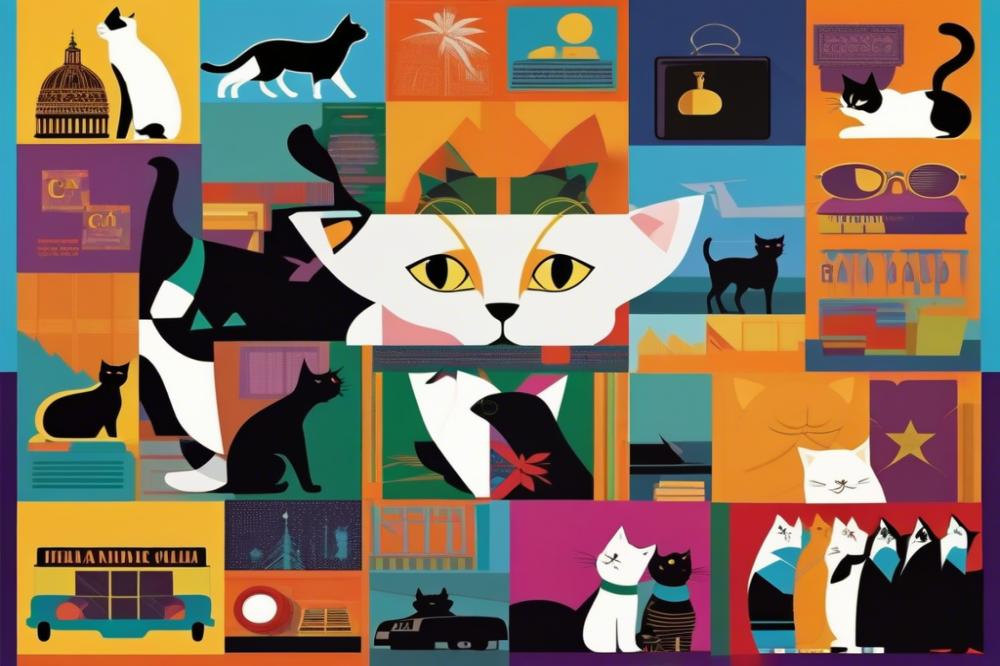
Animated feline characters hold a special place in the hearts of movie fans across Italy. These cats in cinema often blend playful charm with deeper themes, enchanting both children and adults. Iconic cats jump off the screen, leaving lasting impressions and delightful memories.
One of the most beloved animated cats is the adorable “Gatto con gli Stivali” from classic films. This character, with his witty personality and courageous spirit, captures the imagination of young viewers while offering humor that adults appreciate. His adventures showcase bravery and cleverness, making him a role model of sorts.
Another notable feline from Italian television is the mischievous “Felix,” who has charmed audiences with his antics. This cat serves as a bridge between generations, allowing parents to introduce their children to a familiar character while enjoying the humor anew. Animated cats like Felix thrive on adventures, ensuring that viewers remain engaged.
Characters such as these reveal how deeply cats are woven into the fabric of Italian culture. Their quirky traits resonate with both cat lovers and casual viewers. Animated films and TV shows featuring these cats typically explore friendship, loyalty, and courage. Such themes resonate with audiences of all ages.
In addition to entertainment, animated cats in Italian cinema often reflect social dynamics and cultural nuances. They bring a playful yet meaningful perspective on various aspects of life. This dual appeal allows these animated felines to stand out in a crowded field of characters.
Ultimately, animated cats symbolize not just fun, but also the spirit of animation itself. They engage viewers on numerous levels, providing laughter while also prompting thought. As both beloved icons and cultural figures, these movie cats remind us why animated characters endure in the hearts of audiences.
Cats as Cultural Symbols
Cats hold a significant place in Italian culture and folklore. These creatures often embody various themes such as independence, mystery, and even superstition. In many Italian households, they are seen as symbols of luck or bad omens, depending on the belief system. Because of their intriguing nature, cats have captured the hearts of cat lovers everywhere.
Animated cats and movie cats frequently appear in classic films and modern TV shows. These feline characters often reflect human emotions and traits, making them relatable and endearing. For example, the wise yet mischievous cat is a recurring archetype in storytelling, teaching lessons through their antics. In Italian television, they often serve as sidekicks to the main characters, adding a layer of charm to the narrative.
Many iconic cats in cinema have become cultural icons themselves. The relationship between these cats and their human counterparts often reveals deeper themes about companionship and the human condition. Through various storylines, filmmakers capture the complexity of pets and their emotional support for people. Thus, cats are not merely background characters; they play vital roles that add richness to the narrative.
In folklore, cats have been associated with both good and bad luck. This duality appears in numerous films and television programs, where a cat’s appearance can change the story’s direction. For instance, a cat may signal a change in fortune for the protagonist. As a result, audiences experience a blend of superstition and comfort when viewing these scenes.
From whimsical animated cats in children’s programming to sophisticated felines in serious dramas, the diversity of feline characters keeps viewers engaged. Settings often highlight a cat’s enigmatic nature, drawing viewers into a world that feels both familiar and mystical. These portrayals reinforce the idea that cats are more than pets; they are companions intertwined with the lives of their owners.
In summary, the role of cats in Italian culture is multifaceted. They symbolize various human emotions and serve as mirrors reflecting society. As cats become central figures in storytelling, they remind audiences of the deep connections shared between humans and these intriguing animals.
The Appeal of Movie Cats
There’s something special about cats in cinema that attracts viewers. Many people find that feline characters often bring a mix of charm and mischief to stories. These creatures embody a certain grace that sets them apart from other pets. In Italian television, cats have played vital roles in captivating the audience’s heart.
Iconic cats from classic films and TV shows showcase personality traits that resonate with fans. Their mischievous, unpredictable nature adds layers to plots. Movie cats often symbolize independence and mystery, which can be appealing to many. The way they move and interact with humans offers a unique commentary on relationships.
Animated cats are particularly noteworthy in this realm. They can be whimsical, ridiculous, or even wise. Characters such as these keep us entertained and engaged. Feline features are frequently exaggerated, making them memorable figures. This use of animation allows for creativity that fascinates audiences of all ages.
Moreover, cat lovers often form communities around their favorite feline characters. Social media is filled with fan art and discussions highlighting these stars. Viewers share their love for movie cats, creating a network that celebrates their charm. The bond between these characters and their fans shows a deep appreciation for the qualities they embody.
Cats in culture become symbols of various themes and ideas. They represent freedom, curiosity, and sometimes even magic. Many people find that these traits connect well with their own experiences. As a result, cat characters often resonate with audiences, encouraging lasting affection.
From playful sidekicks to mysterious companions, the role of cats in Italian films and television continues to evolve. Audiences enjoy their antics and the warmth they bring to narratives. The allure of these feline companions persists, proving that they are more than mere animals on screen. They become a part of the storytelling, making a lasting impression on viewers.
Feline Icons: A Lasting Influence in Italian Culture
Cats have played an intriguing role in Italian storytelling, notably in cinema and television. Their presence infuses narratives with charm and depth. Often, these whiskered characters embody various traits—mystery, independence, and intrigue. These qualities resonate with audiences, making feline characters beloved fixtures in many stories.
Through various films and shows, viewers connect with these animals in a unique way. Cats bring warmth, humor, and sometimes even wisdom to the scenes they grace. The playful antics or calm demeanor of a cat’s portrayal can shift the tone of a story or enhance the emotional landscape. This proves their importance beyond being mere pets; they often symbolize deeper themes of companionship or freedom.
Moreover, cats in cinema and television showcase a blend of cultural tradition and modern influence. They mirror the Italian people’s affection for these animals, weaving them into the fabric of everyday life. From street cats in bustling cities to the affectionate pets of families, cats truly represent an integral part of Italian culture.
Reflecting on their legacy, it’s clear that these feline stars engage audiences in compelling ways. Their stories teach lessons about loyalty, mystery, and the beauty found in everyday moments. As these characters continue to evolve, they remain timeless figures in the world of storytelling. This enduring charm of cats resonates with viewers across generations, solidifying their role in narrative art, particularly in the realm of Italian television.

