
Introduction
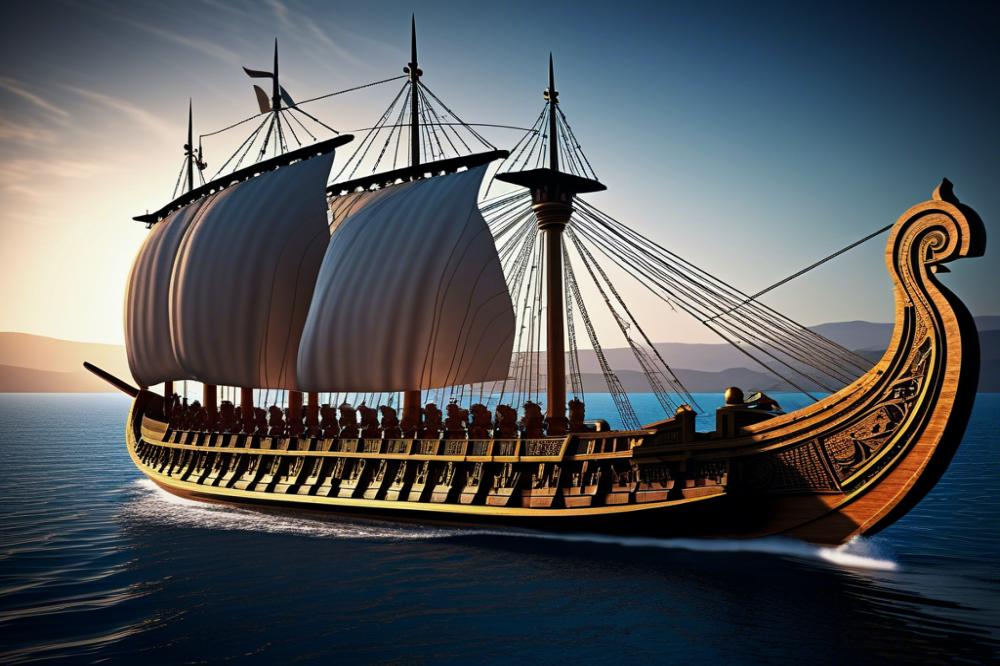
Roman warships played a vital role in the expansion and maintenance of the Roman Empire. These vessels were more than just boats; they were symbols of military power and engineering skill. The dominance of Rome on the seas was closely tied to its ability to build effective ships. In naval confrontations, the presence of a well-constructed #main_keyword# could change the tide of battle. Their significance cannot be overstated when considering how the empire fared in conflicts across the Mediterranean.
Innovation was at the heart of Roman shipbuilding techniques. Engineers and craftsmen constantly developed new designs and materials, allowing for quicker, stronger, and more reliable warships. An important aspect of this advancement was the ability to adapt to different naval challenges. As threats arose, the need for superior vessels became clear. Techniques such as the use of mortise and tenon joints revolutionized construction, leading to more robust ships.
Trade routes and military engagements flourished alongside these innovations. As a result, naval forces ensured the security of commerce and communication. The technological breakthroughs in ship design underscored the strategic importance of a powerful navy. Historical records praise certain ships for their speed and maneuverability, giving the Romans a distinct edge. The impact of these advances laid the groundwork for future maritime development.
Therefore, understanding the evolution of Roman warships is fundamental to appreciating the empire’s maritime prowess. Examining historical texts and archaeological findings reveals much about their engineering mindset. These vessels not only carried soldiers and supplies but also embodied the ambition of a civilization. As we delve deeper into this topic, we will explore more of the fascinating shipbuilding techniques and their implications on naval warfare. Join me as we investigate further the #anchor_text_1# and the legacy of these impressive ships of the ancient world, and discover how their advancements still resonate in modern engineering practices. Don’t miss the essential #anchor_text_2# that shaped an empire.
The Role of Warships in the Roman Navy

The Roman Empire understood the vital importance of naval dominance. Control over the Mediterranean Sea allowed for the projection of power across vast distances. Thus, warships played a critical role in safeguarding trade routes and protecting coastal cities. Roman naval forces are often underestimated compared to their land counterparts, yet they were instrumental in the empire’s military success.
Strategic Significance of Naval Power
Naval power granted Rome the ability to transport troops quickly. Throughout the empire, swift sailing vessels helped conquer territories and suppress uprisings. Imagine a fierce pirate attack on merchant ships; the Roman navy could easily respond, asserting their influence. Commanding the seas meant more than just military success; it boosted their economy through secure trade and commerce.
The Impact of Naval Battles
Numerous naval battles shaped the trajectory of Roman history. One of the most notable was the Battle of Actium in 31 BC. This confrontation not only decided the fate of Octavian and Antony, but it also showcased the effectiveness of Roman warships. They defeated a larger force through superior tactics and ship design. Such victories ultimately solidified Roman control over the Mediterranean.
Types of Roman Warships and Their Purposes
Diverse types of warships suited various military objectives. The trireme, renowned for its speed, was crucial for engaging enemy fleets in battle. Another common vessel was the quinquereme, larger and more powerful, designed to ram enemy ships. Supply ships facilitated logistics, ensuring troops received necessary provisions. Each craft had specialized roles, maximizing their effectiveness during campaigns.
The diverse architecture of these vessels showcased advanced engineering techniques of the time. Roman shipbuilders paid keen attention to durability and functionality. They crafted ships that endured harsh conditions at sea. This innovation allowed the navy to operate efficiently, contributing profoundly to their military prowess.
Key Innovations in Roman Shipbuilding
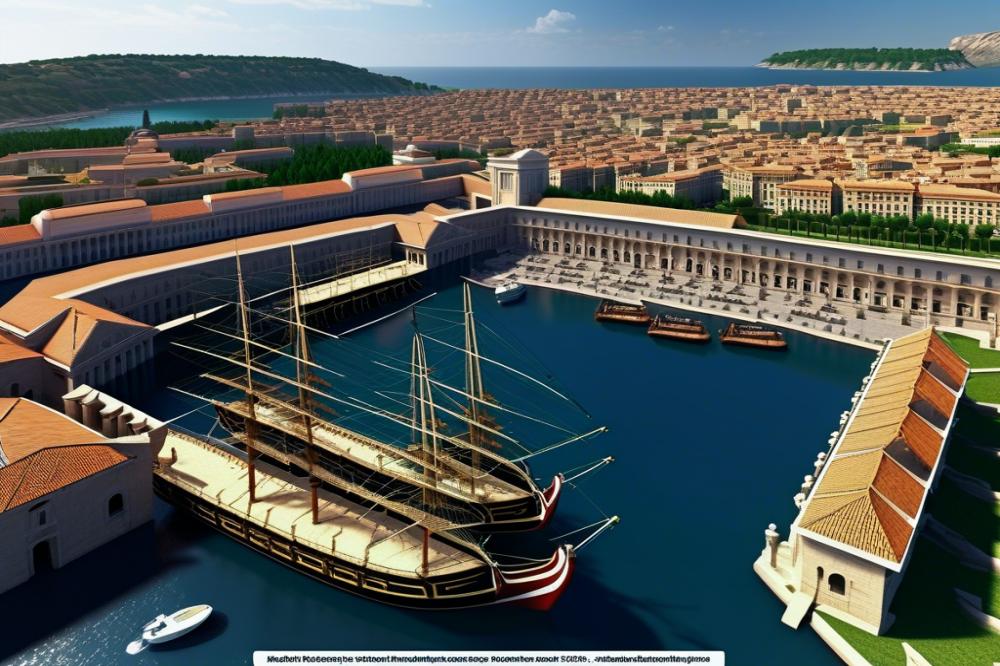
Roman warships represent a significant evolution in ancient maritime engineering. Several technological advancements shaped ship design during this period. These innovations were critical in establishing a powerful naval presence across the Mediterranean. One of the most remarkable features was the shift to more durable materials, which allowed for sturdier vessels.
Before the rise of Roman shipbuilding, vessels were primarily made of simple, natural materials like wood. Romans took this a step further by employing advanced techniques in construction. They used a system called “mortise and tenon” joinery, which provided increased strength at the seams. Additionally, layers of timber were occasionally laminated, a method enhancing the ship’s resilience against the violent forces of the sea.
Material Use and Construction Techniques
In terms of materials, Romans also discovered the benefits of caulking with pitch. This practice created seals that made ships more waterproof and seaworthy. Furthermore, their use of iron fittings replaced traditional wooden pegs. This transformation represented another leap forward in shipbuilding technology. The combination of these materials and their innovative assembly methods distinguished Roman vessels from their predecessors.
Roman engineers did not stop there. They introduced different sizes and types of ships to meet various military needs. Initially, triremes dominated naval warfare due to their speed and agility. These ships had three rows of oars, providing a powerhouse of propulsion. However, as tactics evolved, Romans developed larger vessels for heavier combat and carrying troops.
The Evolution of Ship Types
The transition from triremes to larger vessels marked a crucial change in naval strategy. These new classes of ships included quadriremes and quinqueremes, boasting even more oars and diverse functionalities. The quinquereme especially became legendary; it could hold many soldiers while maintaining enough maneuverability for naval battles. By enlarging ship types, Roman designers created a fleet that could dominate at sea.
Engineering prowess during this era allowed for incredible feats in shipbuilding. Every advancement reflected a strategic response to the demands of warfare and trade. The lesson learned was clear: innovative design led to victorious fleets. Ultimately, Roman warships showcased the engineering innovations that defined their era, influencing ship design for centuries to come.
Naval Warfare Tactics and Design Adaptations
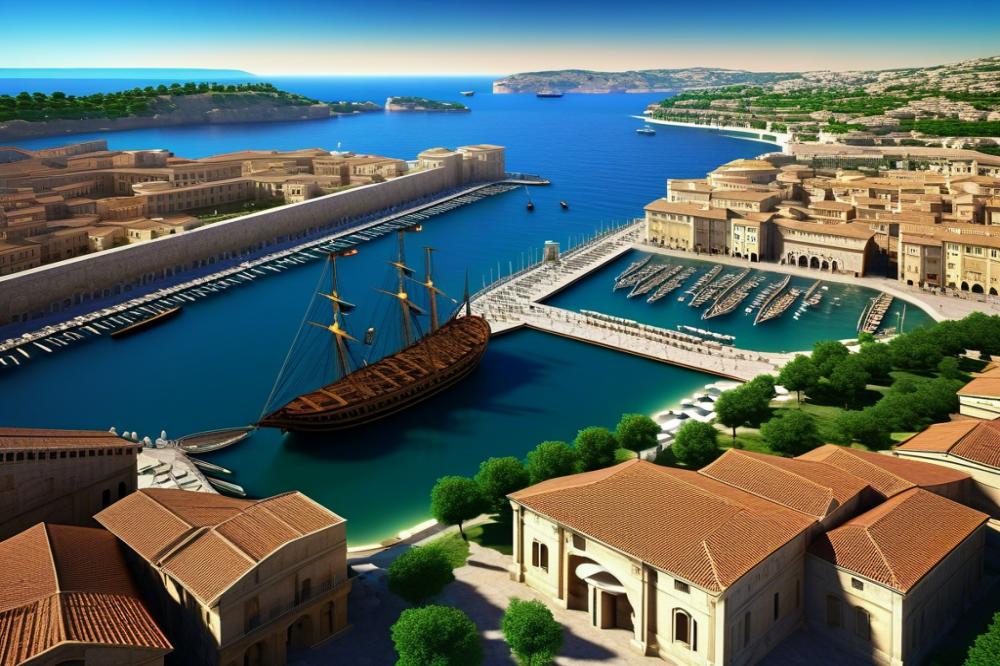
Naval engagements in ancient times often relied on strategic tactics that influenced ship design. Roman warships were built for speed, maneuverability, and resilience. Their designs reflected the need for quick movements in battle. Tactics varied from ramming enemy vessels to boarding them. These approaches shaped how ships were built and operated during naval conflicts.
Engineering played a key role in adapting tactics to meet the challenges of warfare. Innovations in hull shape improved hydrodynamics, allowing ships to glide through water swiftly. This was vital for executing surprise maneuvers. Additionally, the use of reinforced wood and iron in construction provided better defense against enemy attacks. As a result, shipbuilders focused on creating vessels that could withstand collisions and missile strikes.
Examples of Famous Naval Battles
Famous naval battles provide insight into design modifications over time. The Battle of Cape Ecnomus in 256 BC showcased the effectiveness of Roman galleys. They featured a long, narrow design to ram enemy ships effectively. With a larger crew, these vessels became essential for success. This pivotal battle highlighted the need for ships that could carry more oarsmen for speed while maintaining stability.
In contrast, the Battle of Actium in 31 BC demonstrated a shift in tactics. Here, Octavian used a different approach to naval combat. Larger ships became important for this confrontation as they could hold more weapons and men. Consequently, ship designs evolved to accommodate these needs. Larger vessels allowed for better firepower and tactical flexibility, reshaping Roman naval architecture.
Ultimately, adaptation was the name of the game. Each modification reflected the changing face of naval warfare. Whether advancing hull designs or enhancing weaponry, Roman engineers continually refined their ships to meet new demands. Strategic successes pushed shipbuilders to innovate constantly, ensuring the navy remained powerful and effective.
The Legacy of Roman Warships
Impact of Roman Naval Engineering on Future Shipbuilding Practices
Roman mariners significantly advanced shipbuilding techniques. Their vessels were not only effective in battle but also facilitated trade and communication across vast distances. Innovations such as the use of the trireme design inspired later naval architects. These ships featured multiple rows of oars, which enhanced speed and maneuverability. The design elements introduced by the Romans laid the groundwork for naval engineering that would follow. Even today, some aspects of Roman design echo in modern ships.
Comparative Analysis of Roman Warships with Other Ancient and Modern Naval Vessels
When comparing Roman vessels to those of ancient Greece, one finds notable differences. The Romans often employed a more robust hull structure. This made their warships better suited to ramming enemy ships, a common tactic during their era. In contrast, Greek triremes focused heavily on speed and agility. Modern ships have, in many ways, inherited the fundamental principles established by the Romans. The combination of design and strategy created a formidable naval force that would shape future militaries.
The Lasting Influence of Roman Maritime Practices on Later Civilizations
As empires rose and fell, the influence of Roman naval practices remained evident. The Byzantine Empire, for instance, adopted many strategies from the Romans. Their use of advanced shipbuilding techniques facilitated trade in the Mediterranean for centuries. Similarly, naval powers during the Age of Exploration drew inspiration from Roman methods. Techniques such as ship rigging and navigation persisted and evolved throughout the ages. Thus, the maritime legacy of Rome can be traced through time, impacting cultures far beyond its borders.
Final Thoughts on Roman Warships
Roman warships played a vital role in the naval landscape of ancient times. These vessels were more than crafts; they represented the pinnacle of engineering achievement during their era. The combination of design, speed, and military prowess made the Roman Navy formidable. When examining their impact, one sees a clear reflection of how innovative shipbuilding techniques reshaped maritime warfare.
Looking back, we find that each ship was designed with purpose. The construction techniques used allowed for impressive speed and maneuverability. Captains could adapt strategies on the fly, responding swiftly to unfolding battles at sea. This flexibility highlighted the importance of well-engineered warships in achieving victory. While other nations struggled to adapt, Roman designs continually evolved to meet new challenges.
Trade routes and military expansions relied heavily on these vessels. They not only transported soldiers but also protected vital trade networks across the Mediterranean. Anytime a Roman ship set sail, it carried the weight of the empire’s ambitions and strength. This interconnection of sea power and territorial control underscored the remarkable synthesis of engineering ingenuity and military strategy that defined the Roman Navy.
In the end, the legacy of Roman warships extends beyond battles won. Their influence persists in today’s naval designs, showcasing how innovation can transform warfare. The Roman approach to shipbuilding highlights a deep understanding of both technology and tactics. Future engineers can draw lessons by studying these historical marvels. The ingenuity and strategy behind these ancient vessels remain relevant, reminding us of the enduring impact of effective maritime forces.
As we reflect on their importance, it’s clear that the study of #anchor_text_3# remains essential. There is much to inspire in the Roman approach, showing that engineering and strategy can blend perfectly. Furthermore, the stories of these ships tell us about the past, revealing just how crucial naval power was to a successful empire. The techniques used and the innovations achieved stand as a testament to human creativity and determination in the face of historical challenges, representing the complete picture of maritime history.

