

Introduction
Freight shipping in the Roman Empire played a crucial role in connecting distant lands. The Mediterranean Sea served as a vital highway for trade routes, facilitating the movement of goods, cultures, and ideas. Maritime transport was not just important; it was the lifeblood of the economy. Port cities blossomed as hubs of commerce, fostering both local businesses and international traders.
The Roman economy fundamentally relied on shipping vessels to import and export trade goods. From spices and grains to luxury items, the variety of cargo reflected the vastness of the empire. Archaeological evidence reveals the sophistication of logistics used by Romans, showcasing their expertise in managing shipping operations across the sea.
Coastal trade flourished due to efficient maritime routes. Sailors navigated by the stars and currents, enabling them to travel between bustling ports. These connections fostered interactions among diverse populations, cementing the Mediterranean’s role in ancient history.
While other civilizations engaged in trade, none matched the scale and organization of Roman Empire Freight Shipping. This well-developed system allowed goods to reach even the most remote areas of the empire. As a result, the impact of shipping on society was profound, effectively linking different regions and contributing to a unified economy.
Roman Empire Freight Shipping
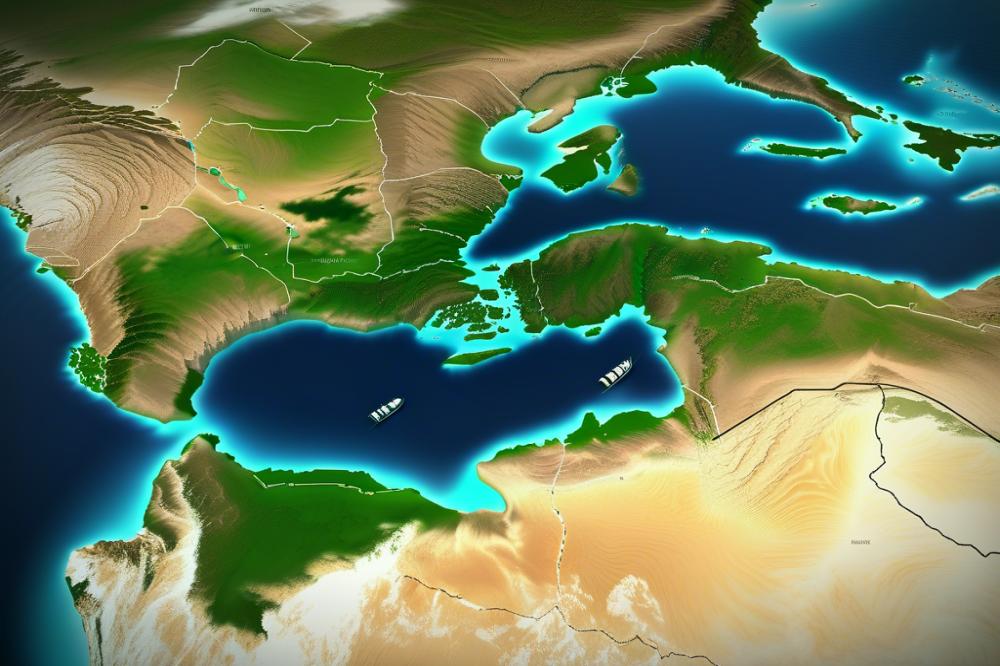
Freight shipping was vital for the Roman Empire. It involved transporting goods over water through well-planned logistics. The movement of trade goods along various trade routes helped the empire flourish economically. Without shipping, cities would have lacked essential items, and lives would have been starkly different.
Trade and Economic Growth
Shipping played a crucial role in Roman commerce. Port cities served as hubs for arriving goods. These locations facilitated both local and long-distance trade. Wealth accumulated in coastal trade areas, influencing the entire Roman economy. Spice, wine, textiles, and even precious metals moved through its waters.
Shipping Vessels and Technology
Various types of shipping vessels were used in the empire. Merchant ships transported cargo across the Mediterranean Sea. Advanced shipbuilding techniques contributed to their efficiency and safety. Archaeological evidence shows that Romans expanded maritime transport capabilities over time. Their vessels could traverse vast distances, connecting distant lands.
Each ship was designed to carry specific types of trade goods. Some were built for speed, while others prioritized capacity. Understanding this variety highlights the sophisticated nature of Roman trade. Technology played an essential role in navigating changing waters and weather. The reliability of these vessels made trade both predictable and profitable.
Logistics of Ancient Maritime Trade
Organization and Management of Freight Shipping
The shipping system in the Roman Empire was complex and well-organized. Freight shipping involved a vast network of trade routes connecting various regions. Merchants played a key role in this system. They coordinated the movement of cargo across the Mediterranean, ensuring goods reached their destinations. Contracts, often written on papyrus, guided these transactions. Each journey required careful planning. Preparation for a voyage included understanding weather patterns and seasonal changes. This knowledge was essential for efficient maritime transport.
Role of Ports and Port Cities in Maritime Logistics
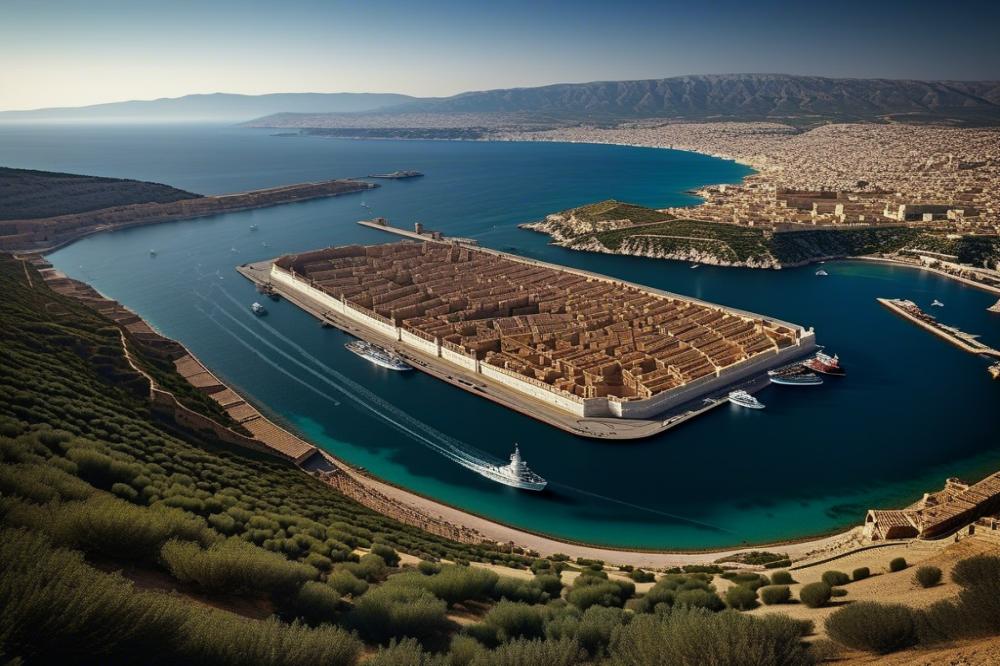
Port cities acted as crucial hubs in ancient trade. These locations hosted bustling markets and warehouses. They served as stopovers for shipping vessels to load and unload. Notable ports included Alexandria, Ostia, and Carthage. Each port had facilities designed for handling various trade goods. Archaeological evidence shows that specialized buildings were constructed specifically for storage and distribution. The geographical positioning of these cities facilitated coastal trade. Their strategic locations made them essential for connecting different parts of the empire.
Coordination of Cargo Handling and Distribution
The process of managing cargo was vital to the success of maritime trade. Workers in ports coordinated activities such as loading and unloading goods. Each type of cargo had specific handling requirements. Some items needed careful packing to avoid damage during transit. The distribution of these goods was equally important. Merchants often collaborated to transport goods from ports to inland markets. Routes were mapped out to streamline this distribution. Knowledge of local demand helped merchants decide which goods to transport. Efficient logistics contributed to a thriving Roman economy.
Trade Routes in the Mediterranean
Overview of Key Trade Routes Used by Roman Ships
The Roman Empire relied heavily on maritime transport to move cargo across the Mediterranean Sea. Key trade routes connected various regions, facilitating the exchange of trade goods. Ships traveled from the ports of Italy to those in North Africa, the East, and beyond. One well-known route linked Rome with Egypt, particularly for grain shipments. Another important channel extended from the Italian Peninsula to the Greek Islands. These paths supported a vibrant network of trade, driven by demand for products like olive oil, wine, and textiles.
Impact of Geography on Trade Route Development
Geography played a significant role in shaping the trade routes of the ancient Mediterranean. Mountainous terrains and vast seas influenced where port cities were built. Natural harbors provided safe havens for ships, allowing merchants to trade goods more efficiently. Navigating the winds and currents also dictated the best sailing times for shipping vessels. Proximity to valuable resources often determined where trade flourished. Regions rich in materials became key players in the Roman economy, further enhancing their importance.
Major Ports and Coastal Trade Connections
Port cities acted as hubs for commercial activity throughout the empire. Important locations included Ostia, the port of Rome, and Alexandria in Egypt. These cities connected inland markets with coastal trade routes, creating a bustling atmosphere for merchants. Archaeological evidence reveals that vast quantities of goods circulated through these ports. Items such as ceramics and spices moved from East to West, while fish and raw materials shared their own journey. Coastal trade not only supported local economies but also fostered cultural exchanges, reflecting the diverse nature of Roman commerce.
Shipping Vessels and Their Cargo
Types of Ships Used for Freight Shipping
The Roman Empire was a hub of trade and commerce. Various types of vessels served as vital tools for moving goods across the Mediterranean. Merchant ships, known as “naves,” primarily handled freight shipping. Different designs catered to distinct needs. For instance, the “liburna” was a fast and agile vessel, often used for military purposes but also for coastal trade. Cargo ships could be larger, such as the “navis oneraria,” built specifically for carrying substantial loads. These ships were essential for maintaining logistics across extensive trade routes.
Design and Construction of Roman Shipping Vessels
Shipbuilding in Rome was an art form that demanded skillful craftsmanship. Wood was the main material, with larger vessels often built from oak or pine. The hulls were designed to withstand rough seas while providing ample space for cargo. Archaeological evidence reveals techniques such as mortise and tenon joints, which connected wooden planks securely. In addition, sails harnessed wind power, complementing oars for rowing. Builders focused on durability and efficiency, creating vessels capable of long voyages. This attention to detail impacted the overall success of maritime transport.
Common Cargo Transported
The goods transported across the Mediterranean were diverse and valuable. Trade goods included wine, olive oil, and textiles. These items held significance in various markets, influencing the Roman economy. Foodstuffs like grains, fish, and fruits were also common cargo. Ports and coastal trade centers received shipments that sustained local populations. Resources such as marble and metal contributed to the grand architecture of the Empire. Vast networks of port cities facilitated this exchange, contributing to the richness of Roman life. The flow of cargo exemplified how interconnected the ancient world truly was.
Archaeological Evidence of Roman Freight Shipping
Archaeological evidence provides a fascinating glimpse into the freight shipping of the Roman Empire. Key findings related to shipping practices help us understand the logistics involved in Ancient Mediterranean Trade. Shipwrecks and port excavations have revealed much about how goods were transported across trade routes. Shipping vessels recovered from the sea offer insights into the design and capacity of boats used during this time.
One of the most significant discoveries comes from shipwrecks. Several sunken vessels off the Mediterranean coast serve as time capsules, preserving cargo and everyday items. These wrecks often contain amphorae, which were large clay jars used to store products like olive oil and wine. Analyzing these shipwrecks enables researchers to piece together the types of trade goods that were common in the Roman economy.
Insights from Shipwrecks and Port Excavations
Port cities were bustling with activity, serving as vital hubs for maritime transport. Excavations in these areas have unearthed docks, warehouses, and storage facilities. Such infrastructure was essential for managing the flow of goods and ensuring efficient shipping operations. Finds from coastal trade sites indicate that a variety of products were not only shipped but also traded locally.
Artifacts uncovered in ports reveal a lot about shipping practices. Items like weights and measuring tools suggest how cargo was monitored and traded. Coins have been found alongside trade goods, offering clues about economic transactions between merchants. The distribution of these artifacts speaks to a complex network of trade that spanned across the empire.
Trade Goods and Shipping Practices
The nature of trade goods is another captivating area of study. Beyond olive oil and wine, luxury items such as glassware and textiles were frequently transported. These products highlight the diversity of goods moving through the Roman Empire. Different regions specialized in specific items, contributing to a vibrant economic exchange.
What’s more, patterns observed in port excavations suggest the presence of seasonal trade routes. Some areas served as transit points for goods traveling longer distances. By analyzing these patterns, historians can better understand how ancient merchants navigated the waters of the Mediterranean and coordinated their shipping practices.
From the remnants of ancient vessels to the bustling ports, the archaeological record paints a vivid picture of Roman freight shipping. These findings not only reveal the trade practices of the time but also underline the sophisticated logistics that enabled a thriving economy. The evidence collected over the years continues to shape our understanding of this fascinating aspect of Roman life.
The Economic Impact of Freight Shipping
Freight shipping was a backbone of the Roman economy, enabling vast movement of goods across the Mediterranean. The logistics involved in gathering, transporting, and delivering cargo played a crucial role in this ancient system. Shipping vessels crafted from local resources carried everything from grains to luxury items, ensuring diverse trade goods reached various regions.
Port cities served as bustling hubs of commerce, thriving on maritime transport. Ostia, the main port of Rome, became a vital link for trade routes connecting the empire to distant lands. These shipping routes formed a network that facilitated the exchange of agricultural products, textiles, and metalwork. Such activities brought wealth to these urban areas, promoting their growth.
Archaeological evidence highlights a vibrant maritime economy, revealing wharfs and warehouses built to handle cargo efficiently. These structures demonstrate the importance of coastal trade in the Roman world. When ships arrived, they offloaded goods that included olive oil, wine, and pottery, items highly valued in the marketplace.
Interactions with other cultures increased as freight shipping expanded. Romans engaged in trade with regions such as Egypt and the Near East. This exchange not only included products but also ideas and practices, enriching Roman society.
Although much of what powered this trade is lost to history, the records we do have show a dynamic economy. Merchants relied on well-established shipping routes to connect with each other. Over time, these trade relations significantly influenced various regions and cultures.
Final Thoughts on Roman Maritime Logistics
Summary of Key Points on Freight Shipping in the Roman Empire
Freight shipping played a crucial role in the Roman Empire. A vast network of trade routes connected different regions across the Mediterranean. Goods moved efficiently from one port to another, demonstrating the Empire’s impressive organizational skills. Ships carried everything from olive oil to wine, showcasing the diversity of products available. Additionally, notable advancements in shipbuilding and navigation techniques contributed to a thriving trade economy. Numerous ports acted as hubs, facilitating the exchange of goods and cultural interactions among various communities.
Reflection on the Legacy of Roman Maritime Trade and Logistics
The legacy of Roman maritime trade endures even today. Many principles of logistics established by the Romans inform contemporary shipping practices. Their ability to manage large-scale transportation has influenced the very foundation of modern supply chain systems. How they organized shipping schedules and port activities remains relevant. Moreover, the blending of different cultures through trade had lasting impacts on societies across Europe and beyond.
The Relevance of Studying Ancient Shipping in Understanding Modern Logistics
Studying ancient shipping reveals insights into modern logistics. The challenges faced by Roman traders mirror those encountered today—such as managing delays or navigating complex regulations. Understanding these early practices can shed light on current logistical innovations. Furthermore, drawing parallels between past and present can enhance our appreciation for trade systems. Ultimately, lessons from the past provide a deeper understanding of how interconnected our world has become through commerce and exchange.

