
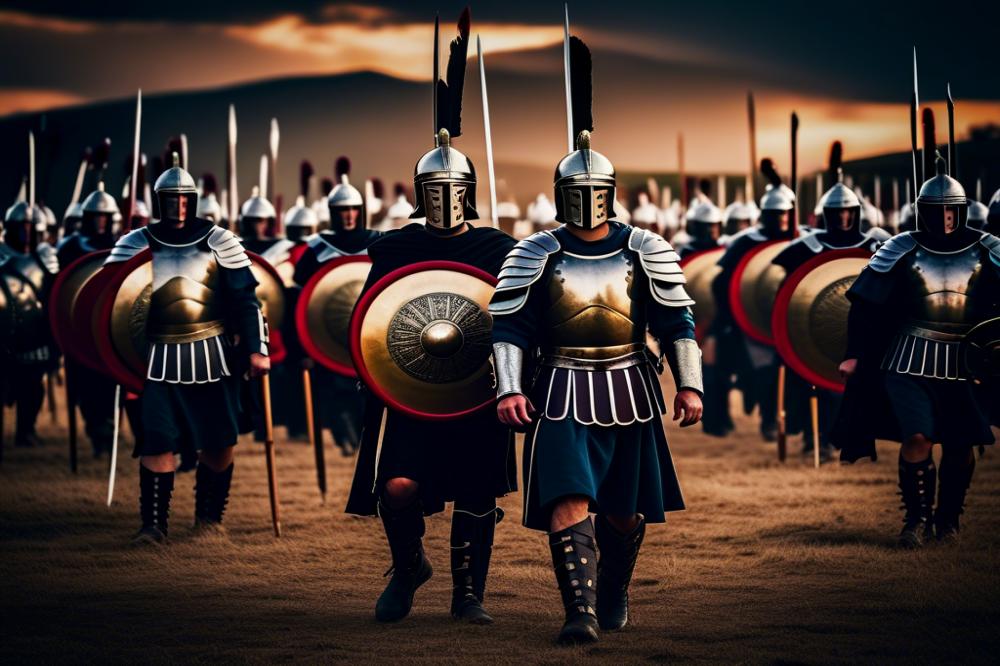
Military Dress and Armor of Roman Legionaries in Battle
The Roman legion was the backbone of ancient military power. Each legion was a formidable force made up of soldiers known for their discipline and training. A typical legion could consist of around 5,000 men, organized into smaller units called cohorts. These soldiers were more than just warriors; they were also essential to the expansive reach of the Roman Empire.
Military dress and armor played a crucial role in the effectiveness of Roman warfare. The right equipment not only provided protection but also instilled a sense of unity among the legionaries. A well-equipped soldier could inspire confidence in his comrades and fear in his enemies. In the chaos of battle, distinctive armor helped identify ranks and units, which facilitated better coordination during combat.
Over time, the attire of Roman soldiers evolved significantly. Initially, armor consisted of bronze helmets and simple tunics. However, as tactics changed and threats increased, so did the complexity of armor. By the time of the late Republic and early Empire, legionaries wore more sophisticated gear that included chainmail and segmented armor known as lorica segmentata. This progression illustrates not merely a shift in materials but also a broader adaptation to the demands of active warfare.
In essence, the evolution of military attire and equipment was vital for the Romans. Good armor provided physical safety and psychological advantage, making it a fundamental aspect of their martial culture. Understanding this context helps comprehend the success of the Roman legions on battlefields across diverse lands. Exploring the details down to materials and designs offers insight into each soldier’s experience and the broader narrative of Roman dominance.
For further detailed exploration, you might consider looking into specific examples of Roman armor. You can also delve into tactical formations used in battle to better grasp the full picture of their military strategies.
Historical Context
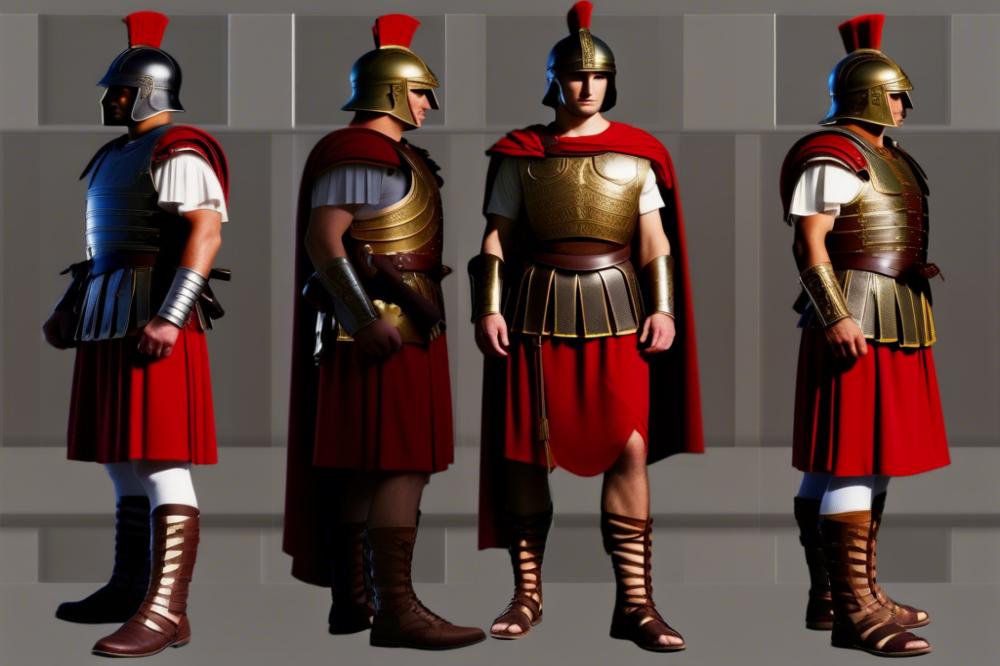
The evolution of Roman military dress reflects the broader changes in society from the Republic to the Empire. During the early Republic, soldiers often wore simple tunics made of wool. This basic outfit was practical for the time but lacked distinctive markings.
As Rome expanded, influences from conquered territories began to shape the style of armor and clothing. For example, the adoption of the Greek cuirass added sophistication to the Roman look. The intricate designs on conquered cultures’ garments offered a new sense of prestige and protection.
Military dress played a key role in forming Roman identity. A soldier’s uniform conveyed discipline and unity. Every legionary understood that presenting a professional appearance fostered camaraderie among troops.
Changes in armor often indicated rank and experience. Emblems, such as the eagle and other symbols, were displayed proudly. These markings not only served practical purposes but also evoked a sense of loyalty to the Empire.
Roman attire also included elaborate helmets made of metal. These functional pieces served in battle while showcasing the artistry of Roman craftsmen. Remarkably, they provided crucial protection against enemy blows.
Legionaries had a uniform standard of dress that varied by period and region. The transition from simple to complex outfits mirrored the Empire’s growth into a superior military force. Thus, style became intertwined with the pride of serving Rome.
As soldiers adopted elements from different cultures, the military gained a heterogeneous appearance. This blending of styles reflected a broader understanding and respect for the people they conquered. Armor became a tapestry of cultural influences, embodying the expansive Roman ethos.
Types of Armor
The lorica segmentata is one of the most recognizable types of armor used by the Roman legionaries. This armor consisted of broad, overlapping plates made from iron and leather. These plates were fastened together with leather straps and metal fittings. The design provided both flexibility and protection on the battlefield, allowing soldiers to move easily while defending against attacks. Each segment of the armor contributed to the overall strength and durability. It was different from other armors due to its segmented style, which helped distribute the force of a blow across a larger area.
Chainmail and scale armor were also popular among Roman soldiers. Chainmail consisted of interlinked metal rings, which provided excellent protection against slashing attacks. Some soldiers wore this type of armor for better mobility. Scale armor, on the other hand, featured small metal plates, resembling fish scales, stitched onto a backing. This design offered significant protection and was particularly useful in deterring arrows and knives. Each type of armor had its advantages, catering to varying preferences and combat tactics.
Importance of Helmets
Helmets played a critical role in protecting the heads of Roman soldiers. Without a well-designed helmet, soldiers would be vulnerable to head injuries in battle. Notably, the Coolus helmet was a popular choice among early Roman troops. Its distinctive shape and simple construction made it effective yet easy to produce. The Imperial Gallic helmet emerged later, showcasing more sophisticated design elements. This helmet featured a broader brim and decorative elements, which not only served practical purposes but also displayed rank and status.
Different helmets were suitable for different situations. Factors like the type of enemy faced and the climate influenced what a soldier would wear. A well-fitted helmet could make a significant difference in protecting a soldier during combat. Understanding the types of armor and headgear used by Roman legionaries reveals a lot about their preparation and resilience in battle.
Weapons and Gear
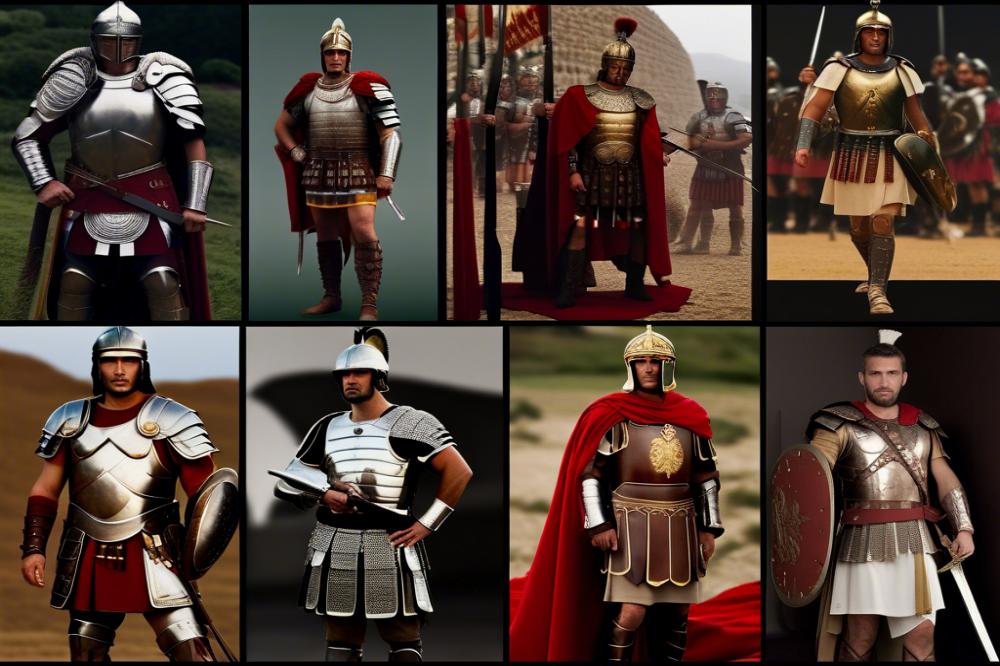
The primary weapons of Roman legionaries played a crucial role in their battle effectiveness. The gladius was a short sword designed for close combat. This weapon was ideal for thrusting and slashing at an enemy during fierce engagements. Another essential arm was the pilum, a spear that served multiple purposes. Legionaries would throw the pilum to disrupt enemy formations before engaging directly.
Legionaries carried various accessories, which were just as important as their weapons. A shield, or scutum, provided crucial protection. It was typically large, curved, and made of wood reinforced with metal. The design of the scutum allowed soldiers to form defensive formations, such as the testudo. Belts were also vital for holding weapons and equipment secure. These belts could carry additional items, ensuring soldiers remained ready for battle. Other essential gear included armor, which protected them from enemy strikes and projectiles.
Variations in Weaponry
Different formations influenced the type of weaponry a legionary would use. In a tight formation, a shorter gladius was more effective for close-quarter fighting. However, in open combat, longer spears offered greater reach and versatility. Strategies frequently dictated how soldiers prepared for war. Soldiers often adapted their gear to match the expectations of their commanding officers. The adaptability of a legionary’s weapons also helped maintain their edge over various enemies. For instance, in siege scenarios, they might favor equipment like ballistae or larger projectiles.
The choice of weapons varied across different regions and eras. As they encountered new foes, legionaries modified their gear to incorporate elements from conquered cultures. This exchange not only diversified their arsenal but also showcased the Roman military’s ability to evolve. Historical records show that the incorporation of new tactics and tools often resulted from these encounters.
Battlefield Use and Functionality
Military dress and armor played a crucial role in how effectively Roman legionaries performed during combat. The design of their armor, especially the lorica segmentata, provided both protection and mobility. This type of armor consisted of metal strips that were layered, allowing soldiers to move more freely than with earlier forms of protection. It covered vital areas while still permitting a range of motion necessary for engaging in close combat. With well-fitted armor, legionaries were able to maintain their fighting skills even in the heat of battle.
Adaptations of military attire occurred based on the conditions on the battlefield. For instance, in hotter climates, soldiers might choose lighter materials. This adjustment would help them manage heat while still providing essential defense. During wet weather, waterproof capes became necessary to prevent waterlogging and weight. Soldiers learned to adapt their uniforms to maintain effectiveness, irrespective of the environment. Various elements, like sandals or boots, changed based on terrain to promote better traction and comfort.
The weight of armor significantly influenced both mobility and endurance in battles. Heavier armor provided better protection but required more energy to wear throughout a prolonged fight. This burden could lead to quicker fatigue, especially in extended engagements. Conversely, lighter armor could increase a soldier’s speed but offered less overall defense. Troops had to find a balance that allowed them to perform effectively while staying safe. They considered their strategy and the specific challenges posed by their opponents when selecting their combat gear.
Cultural Significance
The military dress of Roman legionaries held deep meaning in their society. Each element of their armor communicated strength and discipline. Bright colors and distinctive designs made them stand out. Even the basic uniform signified loyalty to Rome. Soldiers were not just warriors; they were symbols of the empire itself.
Victorious legions played a key role in boosting the status of the Roman soldier. Achievements in battle brought pride to the troops and the communities they represented. Triumphs were celebrated with grand parades and awards. These events reinforced the idea that serving in the army was an honorable path. Glory became intertwined with military life.
The legacy of Roman military dress impacted later military customs throughout Europe. Many armies adopted aspects of their designs. From armor styles to insignias, the influence was vast. Knights in the Middle Ages mirrored some elements of Roman uniforms. This connection shows how the Roman army set a standard for future generations.
In the eyes of many, the soldier’s appearance was as crucial as their actions in battle. A well-equipped legionary inspired confidence in fellow soldiers and fear in enemies. Their military attire was not just protective gear; it was a statement of power. Each glance at their polished helmets and shining shields evoked respect.
Final Thoughts on Roman Legionaries’ Dress and Armor
Military dress and armor played a crucial role for Roman legionaries in battle. Their equipment was not only practical but also symbolized the strength of the Roman Empire. Each piece of armor, from the gladius to the scutum, was designed for efficiency and effectiveness on the battlefield. This military wear did more than protect; it helped to build a strong identity among the troops and instilled a sense of camaraderie. When a legionary donned their gear, they transformed into a part of something much larger than themselves.
The influence of Roman military dress extends into modern times. Many military uniforms and designs can trace their roots back to this ancient civilization. The structured styles and emphasis on functionality have echoed through centuries. Armies around the world have adapted these ideas, reflecting the enduring legacy of the Roman military aesthetic. Young people today may not realize it, but when they see certain military uniforms, they are often witnessing a continuity of design that goes back to ancient Rome.
All these aspects contributed to the success of the Roman Empire. The discipline and organization facilitated by their dress allowed for effective commands and operations in the field. This style of combat also provided a mental edge over adversaries. Undoubtedly, the Roman legionaries’ distinctive armor and clothing were more than just protective gear; they were symbols of an empire that valued strength, order, and unity. In examining their significance, we gain insight into an important part of history that shaped much of the modern world, especially in military practices and strategies.
While the Roman Empire may have fallen, the essence of their #main_keyword# remains. Understanding how armor and dress influenced historical events helps us appreciate the complexity of military developments. Overall, the legacy of Roman legionaries continues to resonate, showing how fashion and functionality can harmonize in the art of warfare. Whether it’s through the visual representation in films or the way we design modern combat gear, Roman influence is ever-present. The enduring elements of their military dress are reminders of a time when these details importantly shaped history.

