
Introduction
The structure of the Roman military was one of the most sophisticated of its time. Soldiers formed into legions, each composed of various units. At the heart of this organization was the centurion, a pivotal figure in ensuring effective military operations. Their leadership directly influenced the outcomes of battles, and they were integral to the Roman army’s success.
Roman Centurions played a crucial role within this formidable force. Tasked with overseeing soldiers, they maintained discipline and implemented battle tactics. This position was not merely ceremonial; the responsibilities were significant and required a blend of strategic thinking and strength. Their historical significance is beyond question, as these leaders shaped the policies and cultures within their ranks.
This article will delve into the specifics of their equipment and attire, focusing on Centurion Uniforms and weaponry. Armor was designed for maximum protection during combat, while their weaponry varied based on tactics employed in different situations. Understanding these aspects offers insight into the centurion roles which were vital for the expansion and control of ancient Rome.
The Significance of Roman Centurions
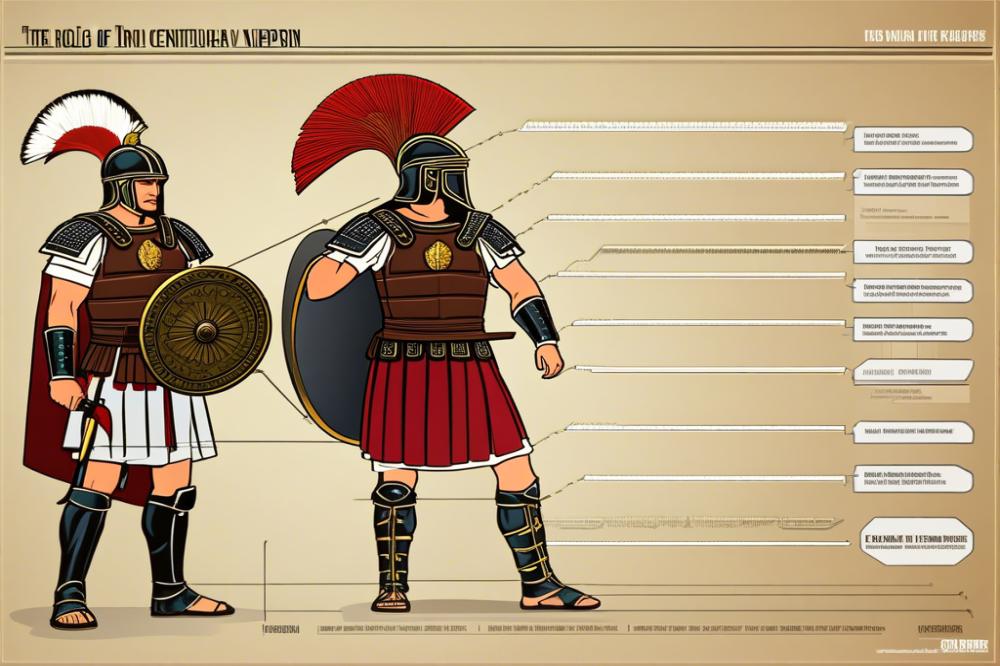
Centurions were crucial figures in the Roman military structure. They commanded groups of soldiers called centuries, which typically consisted of about 80 men. Each centurion played a vital role in maintaining discipline and order within the legion during battles. These officers were more than just leaders; they were also mentors and protectors of their troops.
Leadership qualities were essential for a centurion. Effective communication was paramount. A good leader inspired confidence and loyalty among the soldiers. Centurions needed to possess a deep understanding of battle tactics, as their decisions directly impacted the outcome of conflicts. They were responsible for strategizing troop movements and implementing orders from higher-ups.
The historical significance of centurions stretches far beyond mere military command. They were instrumental in shaping Rome’s expansion and influence in ancient times. These officers became symbols of discipline and strength in the Roman army. Their roles also influenced military structures in other cultures and empires long after the fall of Rome.
Responsibilities were wide-ranging. A centurion supervised training, ensured the readiness of soldier equipment, and maintained army morale. Leadership often required making difficult choices during combat situations. A centurion’s ability to manage stress and remain calm greatly affected soldiers’ performances in battle.
Understanding the impact of centurions aids in appreciating the organizational prowess of the Roman military. They were the backbone of the legion and were central to the success of military campaigns. The legacy of these officers endures in modern military practices, highlighting their unmatched dedication and capabilities.
Uniforms of Roman Centurions
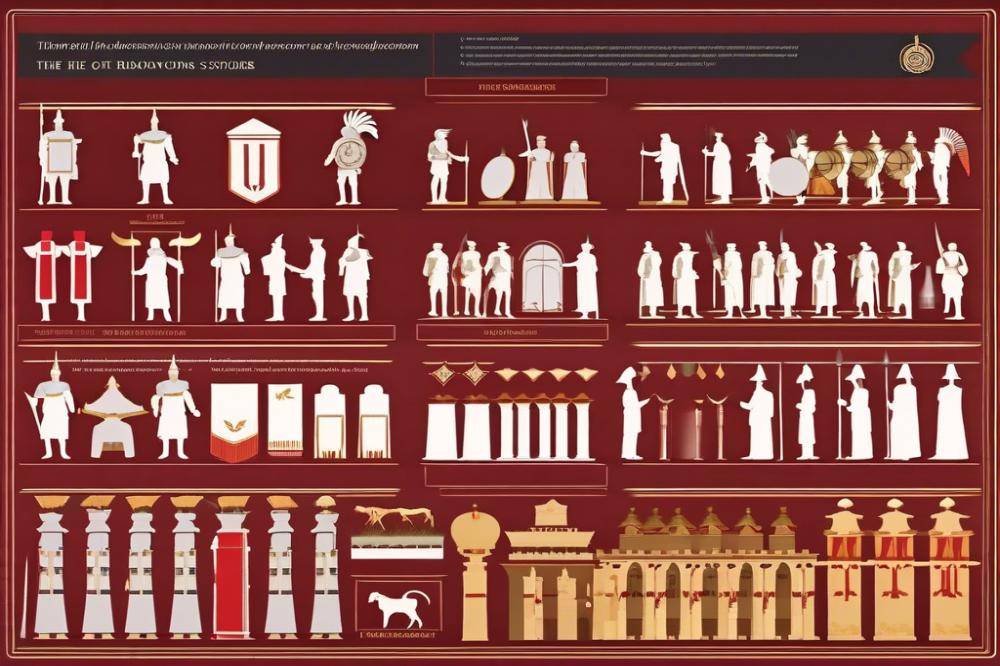
The attire of a centurion was crafted for both battle readiness and representation of authority. Unlike common soldiers, whose uniforms featured simpler designs, a centurion’s gear was often decorated with distinctive embellishments. Armor was a crucial part of their outfit, typically crafted from metal plates to offer substantial protection. This gear was essential during skirmishes and larger conflicts.
Specific features set Centurion Uniforms apart from regular soldier equipment. For instance, the centurion often wore a breastplate called a lorica, which provided enhanced defense. In contrast, standard legionaries might wear lighter armor, suitable for their supporting roles. The centurion’s helmet could have crest decorations, symbolizing rank and leadership. Such visible distinctions emphasized their higher position within the Roman military hierarchy.
Uniforms also held symbolic importance beyond their practical usage. The design reflected the strength and discipline of the Roman army, sending a clear message to both allies and enemies. Colors and details often indicated specific legions, creating a sense of pride among soldiers. Leadership was shown not just through orders but through appearance as well. A well-maintained uniform served to inspire troops and convey confidence.
The centurion’s choice of weaponry further highlighted their unique role on the battlefield. Typically, heavy swords like the gladius were part of their arsenal. These weapons, paired with their armor, allowed centurions to be effective leaders during combat. By displaying both martial skills and a striking appearance, they commanded respect. This was vital for maintaining order and executing complex battle tactics.
Historical significance cannot be overlooked. The centurion’s role in ancient Rome extended beyond just leading troops in battle. Their uniforms reflected their responsibilities and authority. Each piece was a testament to the organization and discipline that characterized the entire Roman military. Understanding the components of their uniforms gives insight into their essential role and enduring legacy.
Weaponry Used by Roman Centurions
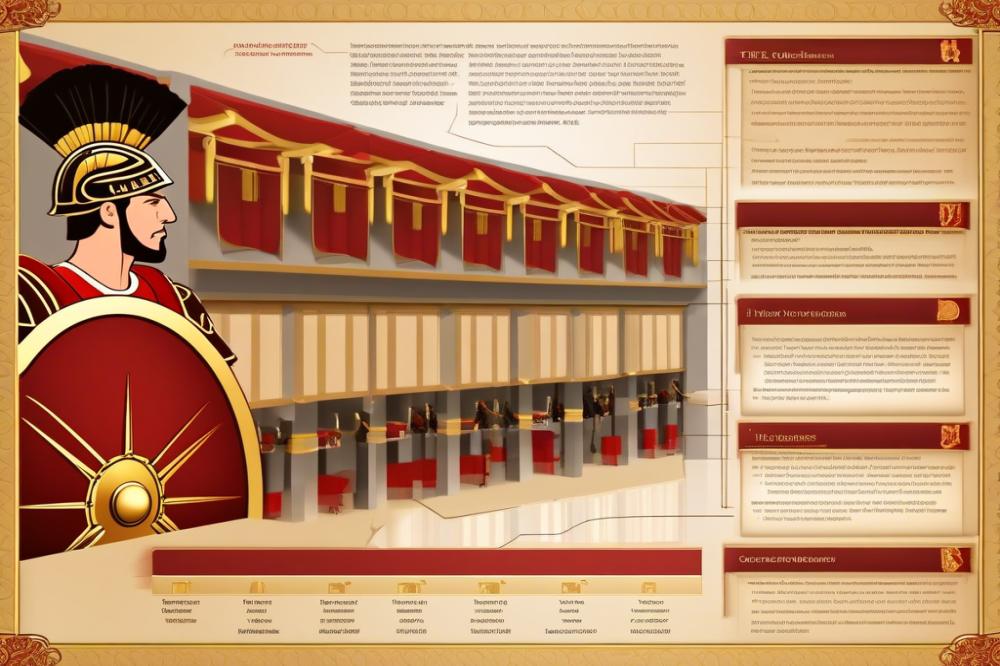
Centurions were vital to the Roman military. They served as leaders of groups of soldiers within a legion. Their weaponry was essential for both personal defense and the effectiveness of their troops. Each centurion carried specific arms that reflected their role in battle.
Overview of Typical Weapons
The arsenal of a centurion was quite impressive. It included various weapons designed for close combat and ranged attacks. Primary choices were the gladius and the pilum. These tools of war played significant roles in ensuring victory on the battlefield.
Specifics on Gladius, Pilum, and Other Arms
The gladius was a short sword, about two feet long. Ideal for stabbing in tight conditions, it had a double-edged blade, lending itself to quick and lethal strikes. Alongside this, the pilum was a heavy throwing spear. Centurions would hurl it at advancing enemies, disrupting formations before a melee began. In addition to these, some centurions might have carried a dagger or a secondary weapon for varied situations.
The Role of Weaponry in Battle Tactics and Legion Effectiveness
Weaponry contributed significantly to Roman battle tactics. A well-armed centurion could lead a charge or perform strategic retreats. Proper gear allowed them to execute complex formations and adapt to changing battlefield dynamics. The soldier equipment they wielded was not just personal; it represented the might and discipline of ancient Rome. Effective leadership required mastery of these weapons, enhancing loyalty and morale among the troops.
The historical significance of these weapons cannot be overstated. They were symbols of power and efficiency. Ultimately, a centurion’s ability to manage their arms influenced the overall success of the legion.
Battle Tactics and the Role of Centurions
Centurions served as vital leaders on the battlefield in ancient Rome. Their responsibilities extended beyond mere combat. These officers held authority over a century, which typically comprised about 80 to 100 soldiers. Each centurion played a crucial role in guiding their men during fierce engagements.
Strategic battle tactics relied heavily on centurions for organizing troops. The formation of battle lines was often dictated by their decisions. With skillful maneuvering, they could shift formations to adapt to enemy movements. Such adjustments proved essential for maintaining a strong defensive or offensive stance during conflicts.
Leadership greatly influenced troop morale. A centurion’s presence could inspire soldiers, boosting their confidence. When battles became chaotic, these leaders provided stability. They enforced discipline, ensuring soldiers remained focused and ready to fight. The armor and soldier equipment used by the legion also reflected the importance of unity and teamwork.
Throughout history, centurion roles evolved, but their significance remained constant. Effective communication during battle was key. Troops looked to their centurions for guidance and clarity in the heat of conflict. Their ability to rally soldiers played a major part in Rome’s military success.
Weaponry was not just for offense; it was also a symbol of authority. Centurions carried distinctive weapons that set them apart. Their unique status often meant they led from the front, encouraging camaraderie and bravery among their men. The impact of these leaders on the battlefield cannot be overstated.
The Evolution of Centurion Roles Throughout Roman History
Centurions played a vital part in Roman military structure. Over the centuries, their responsibilities shifted significantly. During the early Republic, they were primarily focused on training and discipline among the troops. As the military evolved, so did their functions. By the time of the Empire, centurions were not only leaders in battle but also strategic planners. They had to adapt to new challenges that came with changing warfare techniques.
Military reforms greatly influenced the duties of these leaders. The Marian Reforms of 107 BC significantly changed recruitment and organization. A shift to a more professional army also transformed centurion roles. They became more like modern-day officers, managing logistics and troop welfare. In addition, each legion began to have a centurion in charge of various groups, ensuring effective command even on the battlefield.
Leadership styles varied considerably throughout ancient Rome. Some centurions were known for fierce discipline, while others gained respect through inspirational tactics. This variation highlighted their unique approaches to maintaining order among soldiers. Moreover, they wielded various weaponry, including the gladius and pilum, showcasing their importance in battle. Their armor was distinctive, symbolizing their authority and marking them as key figures in the military hierarchy.
The historical significance of centurions cannot be understated. Their influence extended beyond mere commands on the battlefield. Modern military leadership can find valuable lessons in their practices. Teamwork, loyalty, and efficient training were their hallmarks. As armies today look to improve, these early leaders provide a blueprint for inspiration. Understanding their roles encourages a deeper appreciation of military leadership across history.
Final Thoughts
The role of centurions in the Roman military was crucial to the success of the empire. As experienced leaders, they motivated their troops and executed vital strategies on the battlefield. With authority and discipline, these officers shaped the very fabric of military operations, which contributed to Rome’s dominance over vast territories.
Training and skills were key attributes of these leaders. Centurions established a structured hierarchy within the ranks, enabling effective communication and coordination. Their presence not only promoted order but also inspired confidence among the soldiers. This solid foundation led to greater effectiveness in combat.
Centurion uniforms and weaponry have left an indelible mark on history. Their distinctive attire symbolized authority and bravery, while the weaponry they wielded, such as the gladius and pilum, showcased advanced military technology of the time. Many aspects of their gear influenced later military designs across cultures.
In summary, the impact of these officers on the structure and effectiveness of the Roman military is notable. Today, their legacy endures. The story of their uniforms and weaponry reflects a time when leadership and innovation were vital to survival in warfare.

