
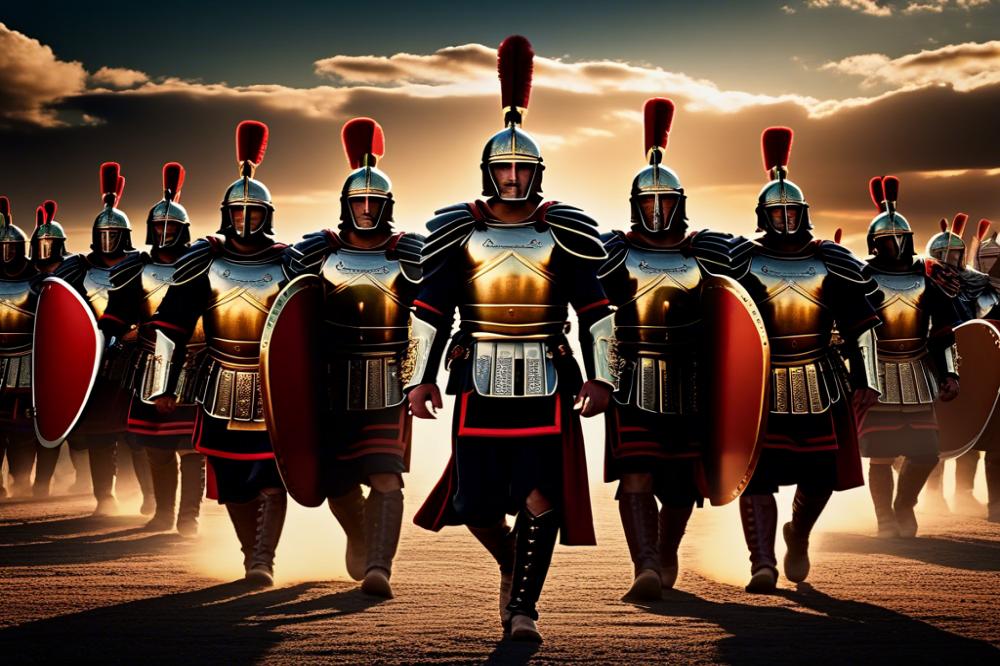
Overview of Roman Army Weaponry
The Roman army is often celebrated for its discipline and innovative tactics. Weaponry played a vital role in their success on the battlefield. Soldiers wore armor that signified their status and function. Each piece was designed to protect while also allowing for mobility. The weapons they wielded, including the pilum, were equally important in combat situations.
Focusing on the pilum, this throwing spear served multiple purposes. It was an effective tool for both offense and defense. When hurled, its design allowed it to penetrate enemy shields and cause significant damage. Other throwing weapons also contributed to the Romans’ military efficiency. From the hasta to the plumbata, these armaments diversified the legionnaires’ tactics.
Understanding the significance of these tools enhances our view of Roman warfare. The utilization of layered strategies often determined the outcomes of battles. #anchor_text_1# highlights how the battle formations were as critical as individual weapons. Throwing weapons fit seamlessly into the array of device options available to soldiers.
In summary, the weaponry of the Roman army goes beyond mere tools for fighting. It reflects the organization, ingenuity, and adaptability that made them formidable foes. Exploring these arms, starting with the famed pilum, reveals the intricate relationship between soldiers and their equipment. #anchor_text_2# explains the evolution of these throwing weapons through time, showcasing their importance in military history.
The Pilum: Design and Function
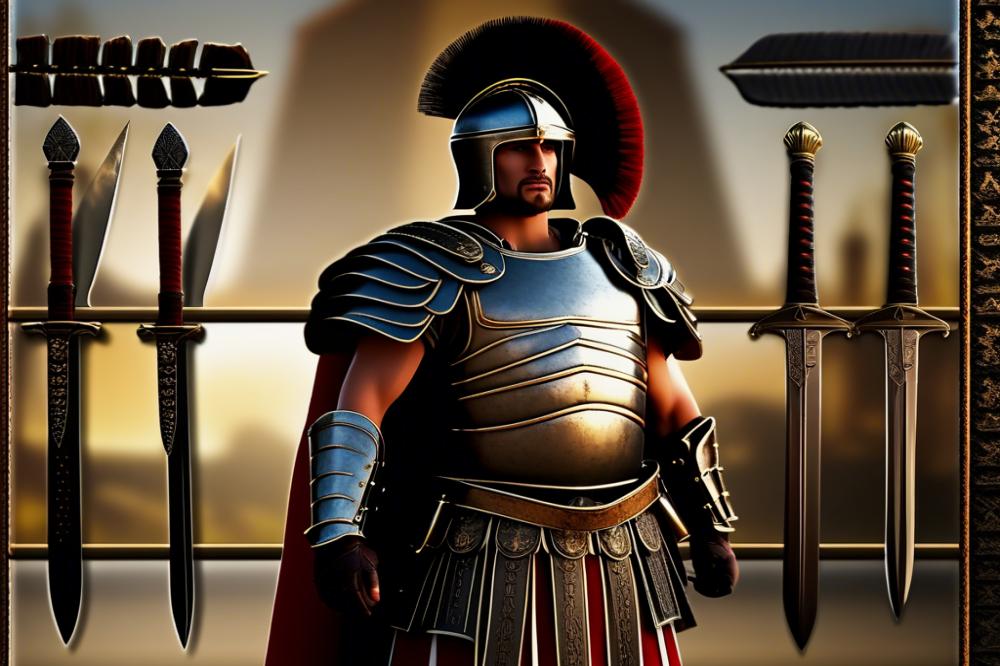
The pilum is a distinctive weapon used by soldiers in the Roman army. Its design reflects both practicality and ingenuity. Typically, it consists of a long wooden shaft, measuring around 6 feet in length, and a metal head, which varies in shape. This combination of materials provides the pilum with strength and durability, making it effective in combat. The metal point is often designed in a way that ensures it could penetrate enemy shields and armor.
One of the pilum’s key features is its dual purpose. Initially, troops would throw it at the enemy before charging into close combat. Upon impact, the metal tip would sometimes bend, preventing foes from throwing it back. Therefore, it served as both a javelin and a spear, enhancing the versatility of the legionary’s arsenal. When thrown, it became a formidable projectile, capable of inflicting serious injuries on opponents.
The historical context of the pilum reveals its importance in the Roman military strategy. Introduced during the early days of the Republic, it evolved over time as tactics changed. Archaeological findings have shown different versions, suggesting modifications to improve effectiveness. Leaders recognized that a well-designed weapon could turn the tide of battle. As Rome expanded, the pilum became a symbol of its military might.
Through various conflicts, this throwing weapon proved crucial. Soldiers trained extensively in its use, mastering both throwing and stabbing techniques. This training was vital for maintaining an edge on the battlefield, where every moment counted. The evolution of the pilum illustrates the adaptability of the Roman army in the face of diverse challenges.
Usage of the Pilum in Battle
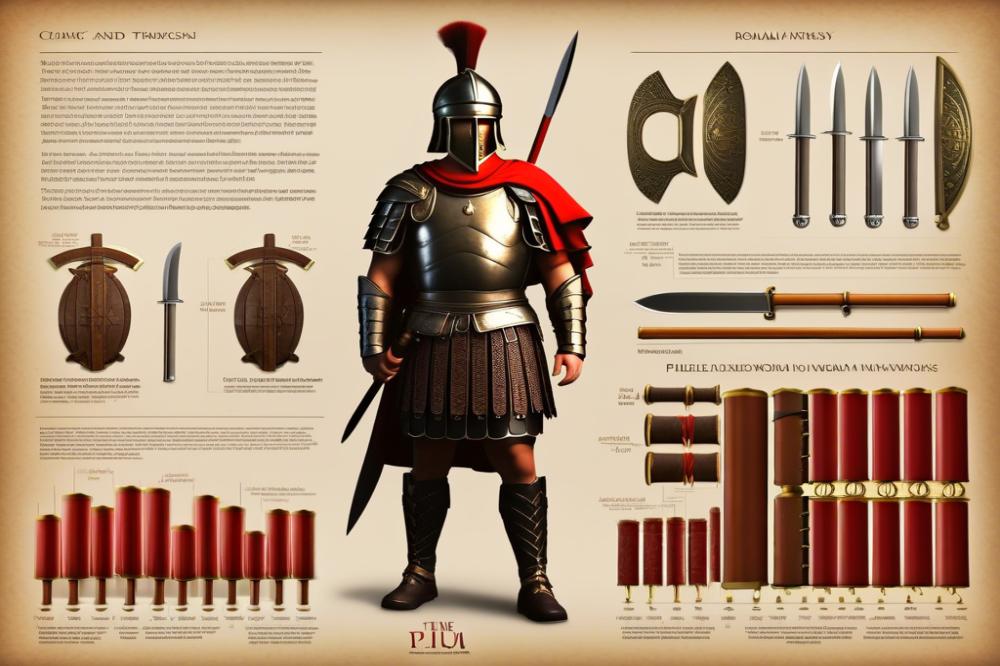
Tactics involving the pilum in Roman warfare
The pilum was not just a weapon; it served a strategic purpose in battle. Before engaging in close combat, soldiers would hurl their pila to disrupt enemy formations. This created chaos among the opposing ranks. Also, it provided Roman troops an edge before they even clashed swords. When thrown, the heavy iron head would penetrate shields, making it difficult for enemies to hold their defenses.
Role of the pilum in the Roman legions during engagements
Within the Roman legions, the pilum played a crucial role. Legionaries typically carried two pila into battle. Having a second one allowed them to throw again if the first missed or was ineffective. Once thrown, the weight and structure of the weapon would cause it to bend. This design prevented foes from easily throwing them back. As a result, it helped maintain a tactical advantage. Roman soldiers mastered this throwing technique through rigorous training, allowing them to maximize effectiveness during skirmishes.
Comparison with other ancient throwing weapons
When comparing the pilum to other ancient throwing weapons, differences become apparent. Greek soldiers favored their own javelins, called `javelots`, which were lighter and designed for quick throws. The focus for the Greeks was often speed over impact. On the other hand, the pilum’s construction aimed for both range and power. Similarly, Celtic warriors utilized slingshots and spears, but these lacked the versatility of a pilum in close formations. Each weapon type had its strengths, but the pilum’s unique design suited Roman battle tactics perfectly.
Other Throwing Weapons in the Roman Army
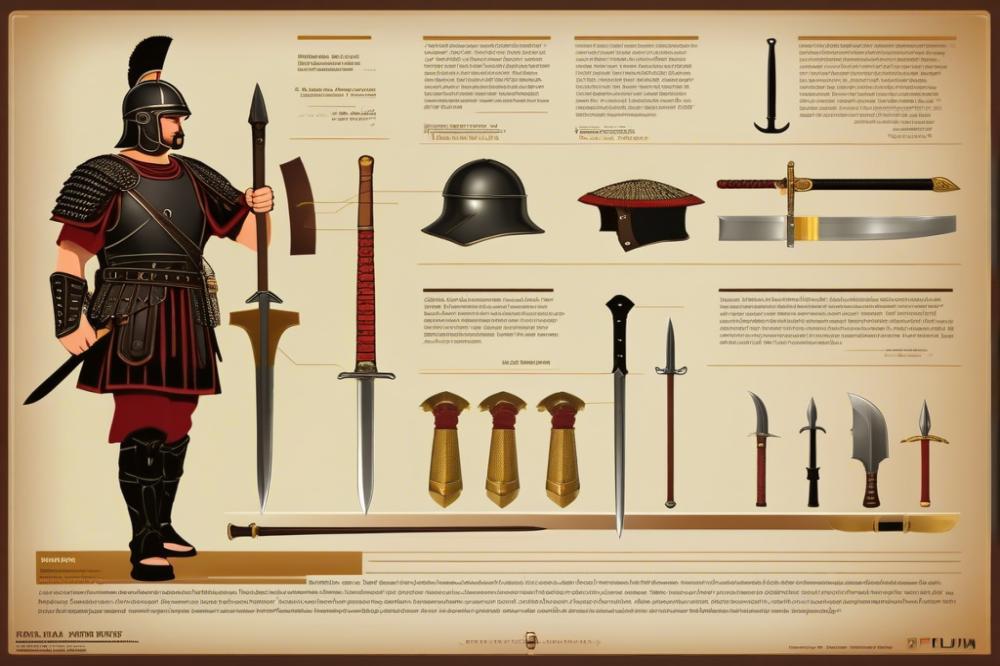
Roman soldiers had access to several throwing weapons in addition to the iconic pilum. These weapons played important roles in battle and helped soldiers maximize their offensive capabilities. Understanding these additional weaponry options provides a deeper view into Roman military tactics and strategies.
Amentum and Its Role
The amentum was a crucial tool for extending the range of javelins. This strap or thong attached to the spear allowed soldiers to throw their javelins with greater force. By employing this device, Roman troops could hit targets that were much farther away. Accuracy also improved, as using the amentum offered a more stable grip during throws.
Vexillum and Launcher Devices
Another noteworthy weapon was the vexillum. This flag-like object was often used as a signal on the battlefield and held tactical significance. However, outside of its signaling role, it could also serve practical purposes, like a makeshift weapon in close combat. Roman armies sometimes utilized launchers to enhance the momentum of lesser-known projectiles as well. These devices allowed for a higher trajectory, enabling soldiers to launch stones or small missiles at enemies from a safe distance.
In addition to these, various types of javelins complemented the pilum’s design. Each type brought something different to a soldier’s arsenal. Providing options for engagement often made the difference between victory and defeat. Strategies often relied on the diverse use of these throwing weapons.
The Role of Throwing Weapons in Roman Military Strategy
Ranged attacks played a vital part in Roman battle tactics. The ability to strike from a distance allowed forces to soften enemy lines before engaging in close combat. Soldiers used weapons like the pilum, which was not only effective but also psychologically intimidating.
Throwing weapons complemented other arms within the Roman military. Legionaries typically wielded the gladius for hand-to-hand fighting, but they would first unleash pilums or other projectiles. This strategy disrupted enemy formations, providing a tactical advantage during skirmishes.
Historical battles highlight the effectiveness of these ranged tools. At the Battle of Alesia, Roman forces used their throwing weapons to great effect, pressing the advantage against the Gauls. In this way, the Romans could maintain control of the battlefield while minimizing losses.
Moreover, the versatility of these weapons enabled soldiers to adapt their strategies based on the situation. During the Battle of Cannae, despite the encirclement, Roman troops relied on throwing weapons to harass and hinder the enemy’s maneuvers. Utilizing diverse arms made the Roman army a formidable opponent.
Various soldiers within the ranks possessed different types of throwing weapons. Skirmishers, known as velites, were especially adept at using lighter projectile arms. Their role was crucial in executing quick strikes, then retreating behind the infantry walls to evade counterattacks.
By delivering attacks before the enemy could retaliate, throwing weapons created chaos in the opposing ranks. The Romans understood this dynamic well and trained their soldiers accordingly. Each aspect of warfare, including these ranged arms, was meticulously planned for greater efficiency.
The Pilum and Throwing Weapons in Modern Representations
Modern military and cultural depictions often draw from ancient history, particularly the Roman Army’s throwing weapons. The iconic pilum, a spear used by Roman soldiers, serves as a notable example. Its design and purpose influenced both battlefield tactics and later weaponry. The effectiveness of these weapons in combat has sparked interest in various forms of media.
Cinema frequently showcases the pilum and similar weapons. In films like “Gladiator,” viewers see these implements of war portrayed authentically. Their use adds to the realism of battle scenes and highlights the strategic choices soldiers faced. Such representations educate audiences about the Roman military’s complexity.
Literature also dives into the significance of these ancient armaments. Books centered on Roman history often describe the crafting and deployment of the pilum. Authors emphasize its role in maintaining order during conflicts. Characters wielding this throwing weapon embody discipline and courage, traits valued by the Roman legions.
Video games and TV shows contribute to the legacy of Roman throwing weapons, too. Throughout various titles, players often engage with pilums in combat scenarios. Such interactions allow gamers to experience ancient warfare firsthand. This simulation of history makes the pilum accessible to modern audiences, enhancing appreciation for the art of war.
Even in artistic realms, the pilum makes an appearance. Sculptures and paintings depicting Roman soldiers often highlight these weapons. Their presence in art serves to immortalize military traditions. This fusion of culture and combat positions the pilum as more than just a tool; it’s a piece of history rich with stories.
Ultimately, the legacy of the pilum goes beyond its practical use on the battlefield. Its influence is evident in how modern society views warfare. Representations in media, literature, and art present a compelling narrative that connects past and present. As people engage with these stories, they develop a deeper understanding of the significance of ancient military heritage.
Final Thoughts on the Pilum and Roman Throwing Weapons
The pilum held a crucial role within the Roman army, serving as both a spear and a throwing weapon. Soldiers used it to disrupt enemy formations before the main clash. Its design was well-thought-out, with a heavy iron head that could bend upon impact, preventing foes from throwing it back. Throwing weapons, including the pilum, helped Roman troops maintain the advantage in battle.
Other projectiles, such as the plumbata and various types of javelins, supplemented the pilum in skirmishes. These weapons provided versatility and ranged capability. They allowed soldiers to engage enemies from a distance, which was especially valuable in the chaotic environment of war. Ranged attacks also created openings for infantry to exploit.
Looking back, these ancient weapons have left a significant mark on both military history and our cultural fabric. Techniques and strategies derived from the use of throwing weapons can still be seen in modern military training. Their effectiveness inspired armies throughout history, influencing tactics for centuries. Moreover, these weapons live on in stories and films, reminding us of the past’s rich narratives.
In summary, the pilum and other throwing weapons were not just tools of war; they symbolized Roman innovation and strategic thinking. Understanding their impact helps us appreciate how ancient military practices continue to shape our views on warfare today. The legacy of the Roman army, particularly through weaponry like the pilum, remains a point of intrigue. It serves as a window into the complexities of ancient civilization, intersecting with aspects of military strategy, culture, and artistry. For those eager to delve deeper, the world of antiquity awaits, filled with tales of bravery and ingenuity. We encourage readers to explore further the insights into these ancient weapons and their stories at #anchor_text_3# and #anchor_text_4#.

