
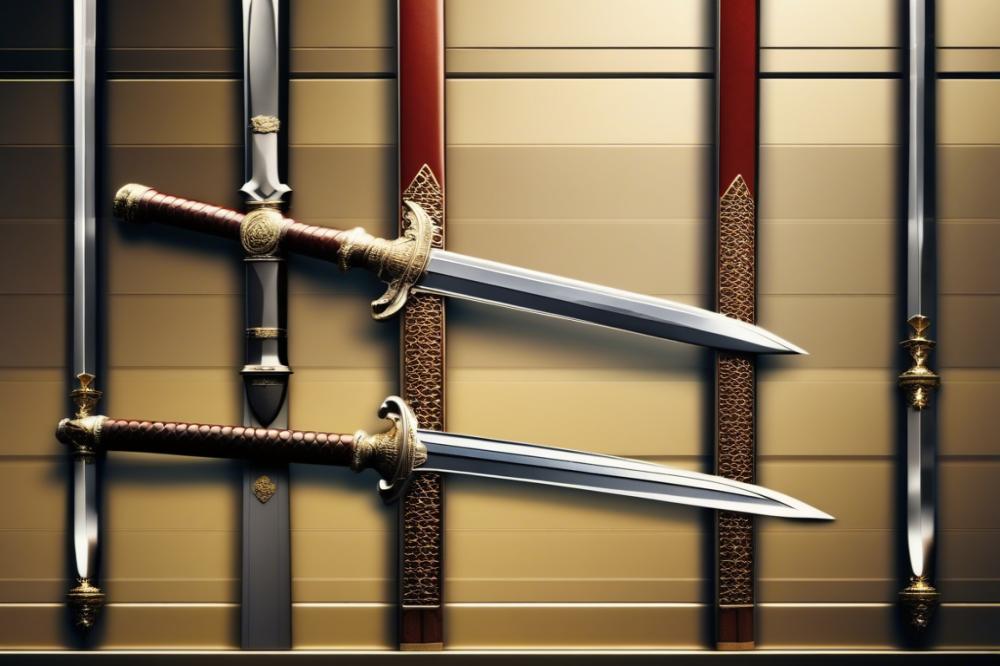
Roman Swords: The Gladius and its Evolution in Warfare
The Roman military was an organized and impressive structure. Soldiers were not just warriors; they were also part of a vast machine. This force consisted of legions, each with thousands of men. Within these legions, soldiers had specific roles, and discipline was paramount. Roman soldiers were trained rigorously. They learned tactics, formations, and the art of combat. As a result, the army became one of the most formidable in ancient history. The way they fought deeply influenced their success on the battlefield.
Weaponry played a crucial role in Roman warfare. The tools of combat were not merely instruments of death. Instead, they were extensions of a soldier’s will and skill. The right weapon could mean the difference between victory and defeat. Each soldier carried equipment that helped define their fighting style. Among these tools, the sword stood out as the most essential. Its design and effectiveness had a direct impact on the outcome of battles. The Romans understood this importance well.
Entering the world of Roman armaments, the gladius emerges as the primary sword wielded by soldiers. This weapon was perfectly suited for close combat, where Roman tactics thrived. With its double-edged blade, the gladius allowed for quick, thrusting motions. Many believe it was derived from earlier swords of other cultures, displaying the adaptability of Roman forces. In battle, the gladius contributed to the unique fighting style that the Romans employed. Its presence on the battlefield symbolized strength and efficiency, embodying the formidable nature of Roman soldiers.
In the evolving tapestry of warfare, understanding the gladius provides insight into the broader narrative of military strategy. It represents not just a tool but a vital piece of Roman identity in combat. The effectiveness of this blade was crucial for maintaining the Roman empire’s dominance. Indeed, many aspects of warfare can be traced back to this iconic weapon. #anchor_text_1# makes clear the centrality of the gladius in Roman history. The evolution of the fight in ancient times would not have been the same without it. #anchor_text_2# highlights how the weapon shaped the very nature of confrontation during this pivotal era.
The Gladius: Design and Features
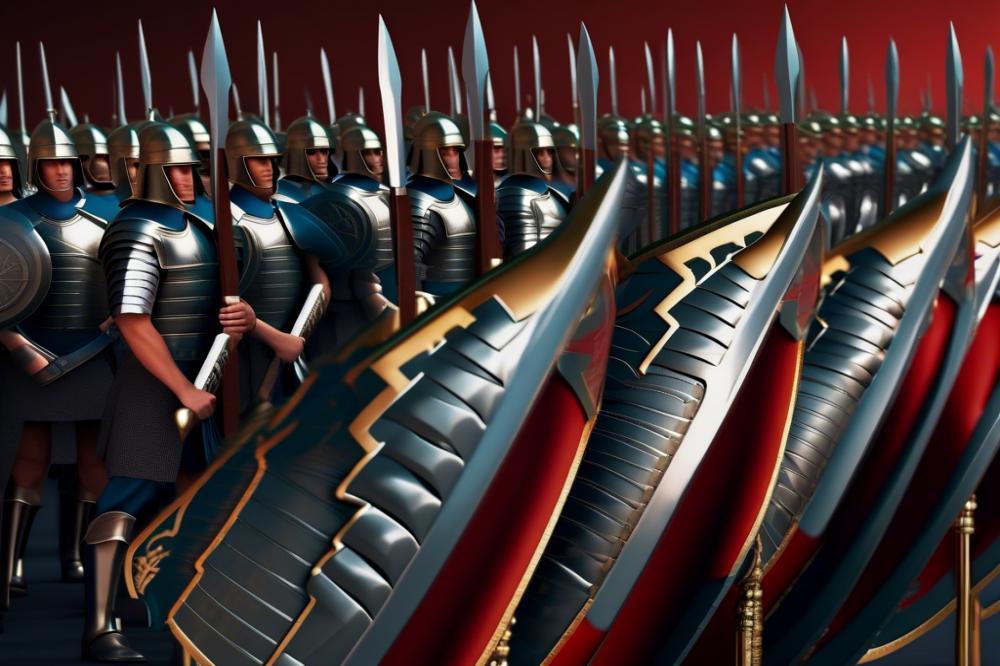
The gladius was a central weapon for Roman soldiers. This short sword, typically measuring around 20 to 30 inches in length, features a double-edged blade. Its pointed tip made it effective for both stabbing and slashing. Generally, the cross-guard is simple, allowing for a firm grip. The hilt often accommodates the use of one hand, making it manageable in the chaos of battle.
Variants of the Gladius
Throughout history, different versions of the gladius emerged. One prominent kind is the Gladius Hispaniensis, known for its broader blade. Originating from the Iberian Peninsula, this model influenced later designs. The Pompeii Gladius, discovered in the ruins of Pompeii, showcases a more stylized form. Both types illustrate the evolution of this weapon across various regions and periods.
Material and Craftsmanship
Understanding what went into making the gladius highlights its significance in warfare. Blacksmiths often crafted these swords from high-quality iron or steel. The process demanded skill, involving heating, hammering, and tempering the metal. Decorative elements sometimes adorned the hilt, reflecting the owner’s status. Such craftsmanship ensured that the swords were not only functional but also beautiful.
Practicality in Combat Scenarios
Design features contributed to the gladius’s effectiveness on the battlefield. Soldiers appreciated its lightweight feel, which allowed for swift movements. The short length made it easy to use in tight formations, like the famous Roman testudo. This tactic involved soldiers standing close together, providing excellent protection while engaging enemies. The sword’s durability added to its reputation, making it a trusted instrument in hand-to-hand combat.
Historical Context of the Gladius
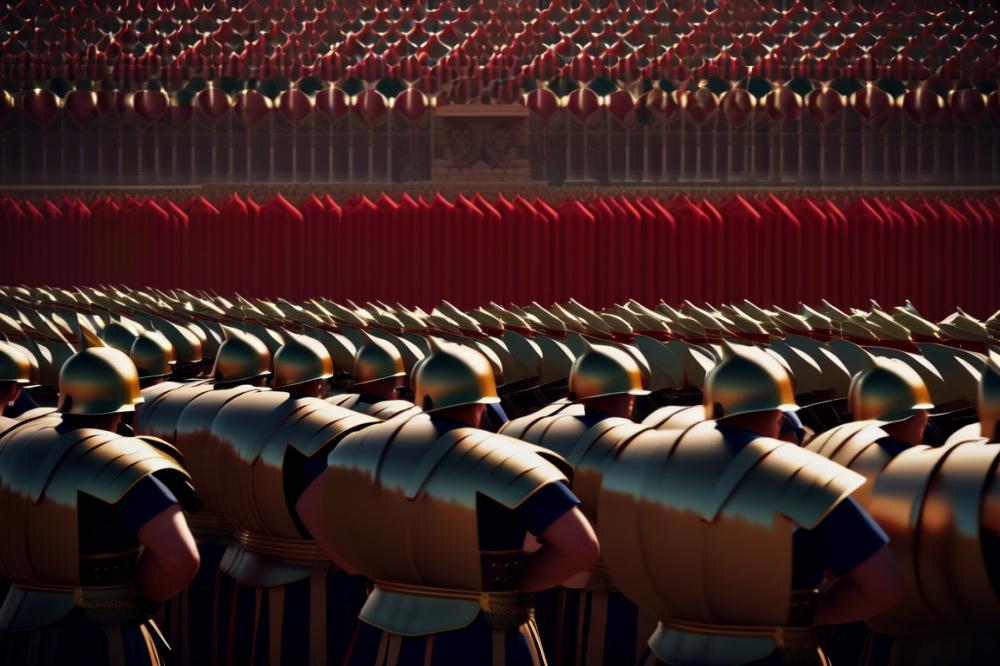
The gladius has a storied past that traces back to the early days of Roman military history. Originally, the sword was influenced by the weapons used by the Iberian tribes, particularly the Celtiberians. As the Romans encountered these people during their conquests, they adopted the gladius, revolutionizing their combat style.
Over time, the gladius evolved significantly. During the late Republic period, the sword became narrower and longer to fit the changing tactics of warfare. These adaptations made it a versatile tool for both stabbing and slicing. By the time of the Empire, this weapon had developed into what is known as the gladius Hispaniensis, which was slightly broader and featured a more robust design.
In the conquests of the Roman Empire, the gladius played a critical role. Its design allowed soldiers to fight effectively in tight formations, which was essential in the dense battlefields of antiquity. The efficient thrust and cut from this blade contributed to Roman victories across Europe, the Middle East, and North Africa.
Markers of Roman power were often defined by the success of their legions, and the gladius was central to that success. Soldiers trained rigorously to master its use, leading to an army well-prepared for combat. As such, the gladius became synonymous with Roman martial prowess and discipline.
The impact of the gladius on warfare cannot be overstated. Its presence on the battlefield was as striking as the shield it was paired with. Together, these elements formed an emblematic identity for the Roman soldier, striking fear into the hearts of their adversaries.
The Evolution of Roman Swordsmanship
Techniques of Sword Fighting Used by Roman Soldiers
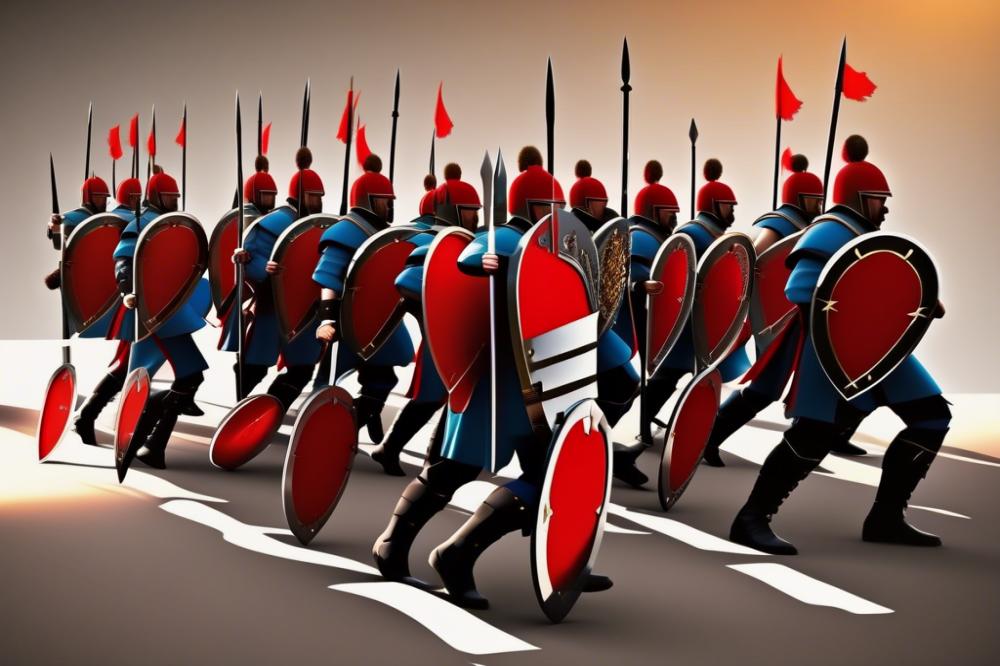
Roman soldiers developed a variety of sword fighting techniques that set them apart on the battlefield. Often, they trained in the use of the gladius, their primary weapon. Fencing techniques emphasized thrusting actions, allowing for effective attacks in tight formations. Soldiers also made use of footwork to create space or close in on the enemy. Techniques like the “testudo” formation showcased striking discipline and effective teamwork. This ability to adapt to different combat situations contributed to their success in various military campaigns.
Influence of the Gladius on Martial Training and Tactics
The gladius had a significant impact on martial training within the Roman army. Training regimens emphasized short, quick strikes, making expertise in close combat paramount. Each soldier learned to utilize the sword in conjunction with their shield, employing defensive and offensive techniques. Tactical drills reinforced the importance of maintaining formations, ensuring soldiers could fight cohesively. The emphasis on practical skills meant that proficiency with the gladius was crucial to a soldier’s survival and success in combat.
Comparison with Other Contemporary Weapons Used in Warfare
When comparing the gladius to other weapons of the time, notable differences arise. The long spear, or pila, offered reach but lacked the versatility of the gladius in close quarters. Similarly, the falcata, a curved sword used by Iberian warriors, provided slashing capabilities that were effective but less useful in a tightly organized unit. Roman tactics focused on formations, leveraging the gladius’s swift thrusting ability instead of wider arcs. Consequently, the gladius became not just a weapon but an essential part of Roman combat philosophy, influencing how soldiers trained and fought on various fronts.
The Gladius in Cultural and Symbolic Context
The gladius served not only as a weapon but also as a vital symbol of Roman identity. For many citizens, it represented strength, discipline, and the values of the Roman Republic and later, the Empire. Soldiers wielding this sword embodied the spirit of Rome itself. The mere sight of a gladius could inspire both fear and admiration among enemies and allies alike.
Representation in Art, Literature, and Iconography
Artists of ancient Rome often included the gladius in their works, recognizing its importance. Sculptures and mosaics depicted warriors bravely holding their swords, showcasing the valor associated with Roman soldiers. In literature, writers like Virgil and Tacitus frequently referenced this weapon, linking it to themes of courage and military triumph. The gladius was more than a tool for battle; it became an essential part of the Roman narrative. Additionally, coins and inscriptions from that period often featured soldiers equipped with the gladius, highlighting its status as a symbol of power.
The Gladius in the Context of Roman Citizenship and Military Service
Ownership of a gladius was closely tied to the concept of citizenship in Rome. Only Roman citizens could serve in the legions, where the sword became a mark of their commitment. When citizens joined the military, they gained the privilege of bearing this weapon. It allowed them to protect their homeland and assert their rights. Many veterans maintained their swords after retirement, keeping them as treasured possessions. This connection between the gladius and Roman identity played a crucial role in the soldier’s life, symbolizing honor and duty to the state.
Decline and Legacy of the Gladius
Changes in warfare throughout history contributed significantly to the decline of the gladius. As armies transformed, new tactics emerged. Cavalry units gained prominence, leading to a shift toward longer swords and polearms. The gladius, while effective in close combat, struggled to compete in these evolving battle conditions. Eventually, other weapon types began to overshadow it.
The Influence on Medieval Sword Designs
Despite its decline, the gladius left a lasting impact on later weapon designs. Medieval swordsmiths drew inspiration from its shape and functionality. The arming sword, a staple of the Middle Ages, shares similarities with the gladius. Features like the tapered blade and the double-edged design can be traced back to Roman influences. Even as warfare changed, the principles behind its construction endured.
The Modern Perception of the Gladius
Today, the gladius holds a special place in cultural significance. In films and literature, it often represents the might of ancient Rome. This perception shapes how people view gladiators and Roman soldiers. Museums frequently display these swords, educating the public about their historical context. The gladius became more than a weapon; it evolved into a symbol of strength and craftsmanship. Interest in ancient weaponry continues to thrive, with many appreciating the gladius for its historical value.
Final Thoughts on the Gladius and Its Legacy
The gladius holds a pivotal place in Roman military history. This short sword became a symbol of the effectiveness and discipline of Roman soldiers. It wasn’t just a tool for combat; it represented a way of life for the legions. As armies advanced and tactics evolved, so did the gladius, showcasing the adaptability of Roman warfare. This weapon was crucial during numerous battles and campaigns. Its influence cannot be overstated.
Interest in the gladius continues to capture the imagination of historians and enthusiasts alike. Its design and functionality provoke discussions about the nature of warfare in ancient times. This weapon’s simplicity suggests elegance, yet it was devastating in combat. Many movies, books, and games feature this iconic sword, highlighting its lasting impact on popular culture. Such representations play a role in keeping the fascination alive, encouraging new generations to explore this part of history.
Studying Roman weaponry offers insight into their civilization. Each sword, shield, and piece of armor reflects values and strategies that define the Romans. Understanding weapons like the gladius enables us to appreciate the complexity of their society and military organization. Such knowledge enriches our view of an empire that shaped much of the modern world. The lessons drawn from their innovations in warfare remain relevant today. Exploring this history encourages curiosity about our past and the roots of our present. The gladius, therefore, symbolizes not only a sword but also the enduring legacy of a remarkable civilization.

