
Introduction
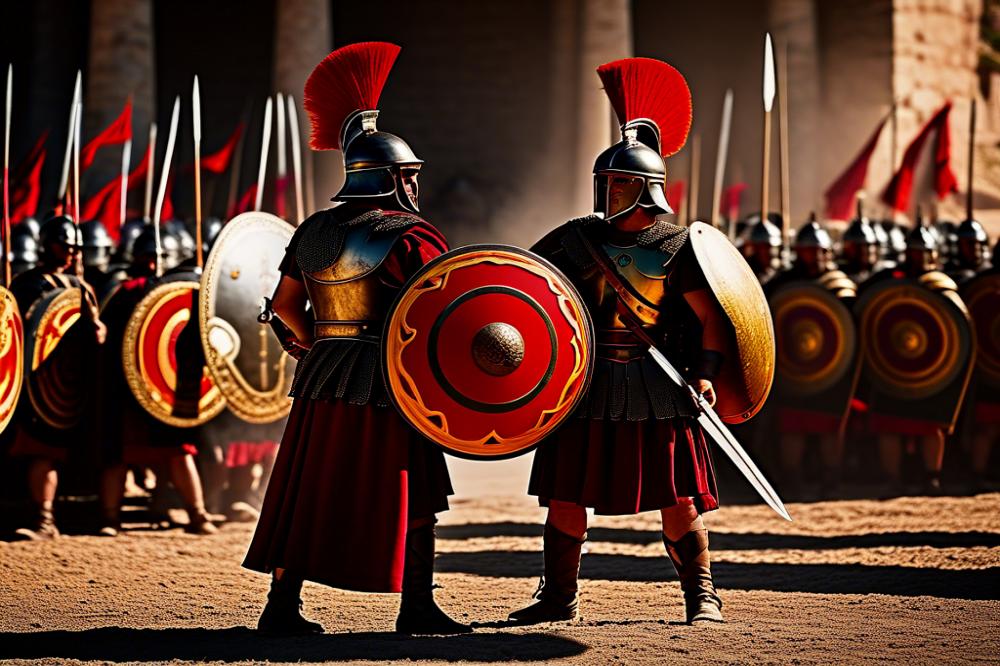
The Roman Empire’s military history stands as a testament to one of the most effective fighting forces of its time. At the heart of its success were the soldiers, who were not only well-trained but also equipped with advanced weaponry and tactical gear. Among these tools of war, shields played a vital role in protecting soldiers and enhancing their combat effectiveness.
Shields served multiple purposes on the battlefield. They provided vital defense against enemy weapons while also offering a canvas for unit insignia and decorations. This made them not only practical but also a source of pride for Roman soldiers. When considering the topic of #Shield Designs and Protection: How Roman Soldiers Defended Themselves#, it becomes clear how integral these defensive tools were to military strategy and the day-to-day survival of troops.
However, it was not just their shields that defined a soldier’s capabilities. Clothing and weaponry were equally essential for military effectiveness. The design of armor, boots, and even tunics contributed to a soldier’s agility and endurance during long campaigns. Combined with their weapons, all these elements created a formidable soldier, well-prepared for battle.
Understanding this historical framework enriches our appreciation of how Romans approached warfare. The significance of their protective gear and battle tactics reflects a culture that valued readiness and resilience. Thus, exploring the protective aspects of Roman shields, alongside their distinctive designs, gives us deeper insight into ancient Roman military life. For more about how innovative designs achieved remarkable outcomes, check out #anchor_text_1#. Additionally, understanding these elements may provide lessons in the importance of protection and strategy found in #anchor_text_2#.
The Evolution of Roman Shield Designs
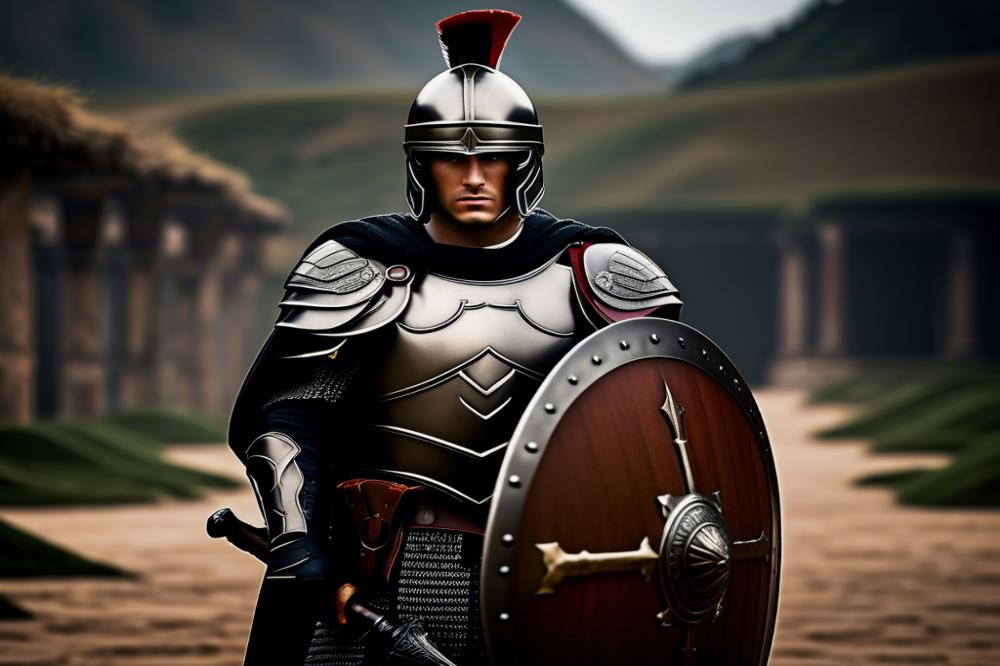
Roman shields underwent significant changes throughout the empire’s history. The scutum is perhaps the most recognizable among these. This large, curved rectangle was primarily used by legionaries. Its design offered extensive coverage, crucial for frontline soldiers. Made from layers of wood, the scutum often featured a metal boss at its center. This boss not only provided extra protection but also allowed for offensive maneuvers when charging.
Materials varied based on availability and military needs. Some shields were covered with leather or reinforced with iron, strengthening their defensive capabilities. The distinctive shape of the scutum allowed soldiers to form tight formations known as the testudo, or tortoise, which was vital in sieges.
Another type of shield, the parma, was commonly used by lighter infantry and auxiliary troops. Smaller than the scutum, it provided adequate protection without hindering mobility. The parma’s round shape made it easier to maneuver during combat, allowing for agile movements. Auxiliaries, often armed with bows or javelins, relied on these shields for quick strikes and swift retreats.
Variations in shield designs also occurred through regional influences. For example, in the provinces, adaptations emerged reflecting local styles and materials. This diversity enriched the Roman military’s capabilities in various environments. Overall, shields were not just defensive weapons; they were vital tools that shaped the battlefield strategies of Roman soldiers.
Distinct features of Roman shields highlighted the adaptability of their military. While the scutum dominated the legions, smaller shields served important roles in other units. Understanding these developments reveals a lot about how ancient Rome approached warfare and defense.
Materials and Construction Techniques
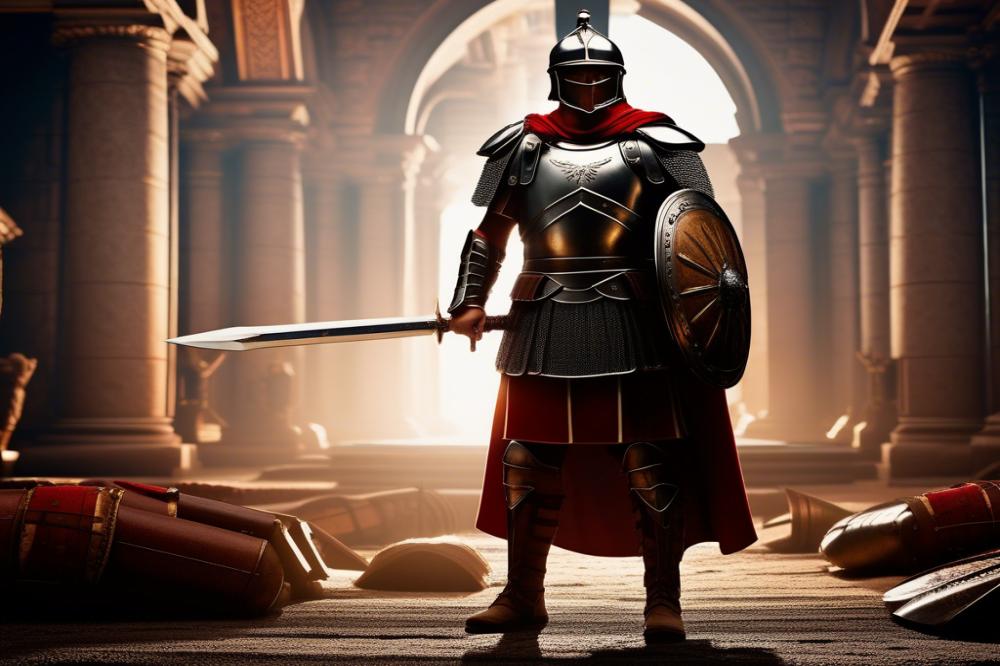
Roman soldiers used a variety of materials in shield production. Wood formed the primary base for many shields, often layered to increase strength. Typically, sturdy woods like plywood or even specific types of oak were preferred. The outer layer was often covered in leather. This covering helped to protect the wood and added extra durability. Layering the leather also provided some water resistance, which proved valuable in battle.
Iron played a role as well. Some shields featured metal reinforcements around the edges. These iron strips helped absorb impact during combat, retaining more of the shield’s integrity. In certain cases, metal boss fittings were attached to the center, allowing soldiers to strike with their shields as a weapon.
Artistic designs and symbols adorned many shields, making each one visually striking. Imagery of animals, gods, or the emblems of various legions often decorated the surface. These designs served a dual purpose. They not only identified the unit but also boosted morale. Soldiers took pride in displaying their colors and insignias.
Construction techniques were vital to maximizing the shield’s effectiveness. Craftsmen used a series of adhesive techniques to bond layers together tightly. This made shields less likely to splinter upon impact. Furthermore, the shape of the shield also contributed to its functionality. Many Roman shields had a curved design, which helped deflect blows more efficiently.
Alongside construction methods, maintenance played a critical role. Regular checks on the leather and wood helped prevent deterioration. Soldiers were taught how to care for their shields, ensuring they remained battle-ready. When a shield showed signs of wear, repairs were often made quickly. This diligent upkeep made a significant difference on the battlefield.
Shield Tactics and Formation Use
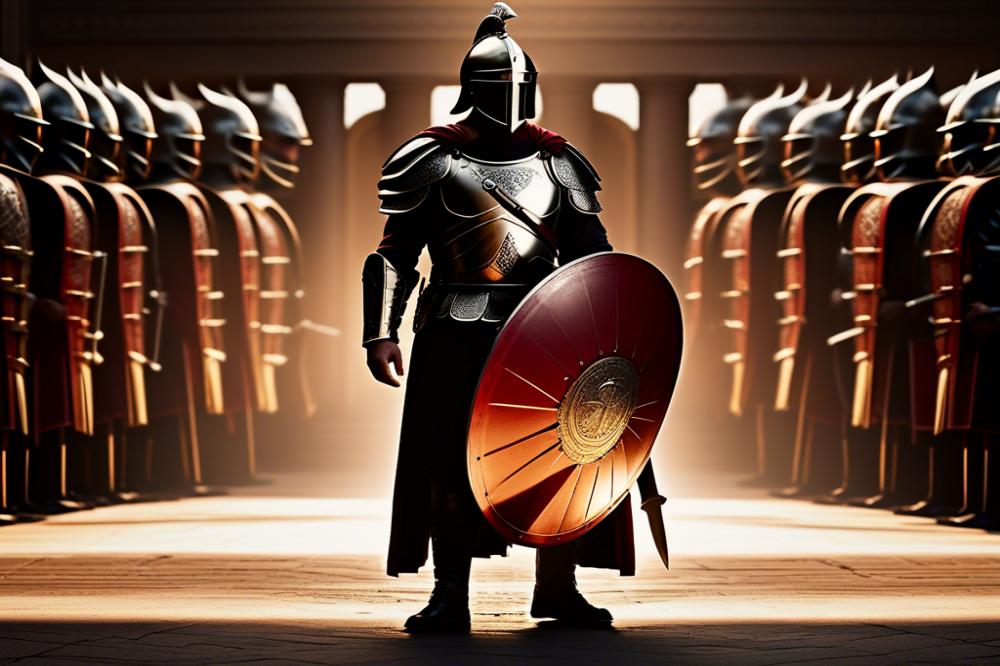
The Roman military was known for its effective use of shields in battle. Formations played a crucial role in how soldiers defended themselves. One well-known formation is the testudo, or tortoise formation. This tactic involved soldiers aligning their shields to create a protective shell around their unit. When moving forward, the front row held their shields outward, while those in the middle and back raised theirs overhead.
During advances, soldiers could shield themselves from arrows and projectiles. The testudo allowed a group of soldiers to move closely together, reducing vulnerability. Maintaining formation was critical; soldiers needed to work as a cohesive unit. If one soldier faltered, the protection offered by the shields would weaken considerably.
Beyond mere defense, the shield also had offensive capabilities. Soldiers used their shields to push against enemies during combat, creating space and disrupting formations of foes. The weight of the shield added power to their thrusts. Moreover, the curved shape of a Roman shield enabled soldiers to deflect incoming attacks more effectively. This ability to block and counterattack made the Roman soldier a formidable warrior.
In addition to the testudo, other formations provided tactical advantages. The “wedge” formation, for example, allowed troops to break into enemy lines decisively. Here, the front soldiers used their shields to protect themselves while trying to split the opposition. This tactic often caught enemies off guard and created chaos in their ranks. Effective teamwork was vital for such maneuvers.
Another aspect to consider is the psychological effect of shields in battle. A solid wall of shields presented a daunting barrier to any attacker. The sight of the tightly packed formation could intimidate foes. Confidence among Roman soldiers grew when they felt the security of their shields, bolstering their morale as they engaged in combat.
Roman shields, therefore, were not merely defensive tools; they played an essential role in the overall strategy of the army. From protecting against incoming attacks to facilitating coordinated offensive movements, their versatility was unmatched. Understanding these tactics gives insight into how the Romans maintained such a powerful military presence for centuries.
Cultural and Symbolic Significance of Shields
Shields were not merely defensive tools for Roman soldiers; they carried deep cultural meaning. Each shield often displayed intricate designs that were tied to specific legions. These designs served as a source of pride and identity among the soldiers. For instance, a legion might feature an emblem of an eagle to symbolize strength and power. Stories connected to these symbols were significant. They instilled a sense of history and purpose in the soldiers who bore them.
Unit cohesion was important in the Roman military. The images on shields helped create a bond among soldiers. When they saw the same emblem on their comrades’ shields, it reminded them they were part of something larger. This feeling of belonging could encourage bravery in battle. Each individual soldier became a part of the legacy of their legion through their shield.
Moreover, encountering a shield covered in vibrant colors could be intimidating to enemy forces. The impressive sight of a legion’s shields could even alter the course of warfare. Such designs often created a psychological edge on the battlefield. They didn’t just protect; they also served as a canvas to convey a message of unity and strength. Every clash and victory added to the lore surrounding these emblems.
Interestingly, many designs were not just random. They often included symbols meant to invoke the favor of gods or ancestors. These connections to the divine provided additional motivation for soldiers. A soldier’s loyalty was not only to his comrades but also to those symbols that represented their shared heritage.
In essence, shields were indispensable parts of military life. They represented much more than physical defense. These pieces of equipment encouraged camaraderie and crafted a unique identity. The cultural significance of shields remains a fascinating element of Roman military history.
Challenges and Limitations of Shield Protection
Roman soldiers faced various vulnerabilities with their shields. While these large pieces of equipment provided significant defense, they were not foolproof. Enemies employed different weapons that tested the limits of shield protection. For instance, the Roman scutum, although robust, struggled against certain types of projectiles like javelins and arrows. It could shield a soldier from direct combat blows, yet it was less effective when faced with heavy artillery.
The design of the shield posed issues in specific scenarios. Shields were often cumbersome, especially in close-quarter fighting. This made it difficult for soldiers to maneuver swiftly. Heavy strikes from swords could also break the shield or leave it in a compromised state. Roman soldiers learned quickly that maintaining defensive formations was essential. When utilized in a well-structured line, the effectiveness of shields increased dramatically.
Adaptation was crucial in responding to these challenges. Soldiers developed tactics, like the famous testudo formation. This maneuver involved soldiers aligning their shields in a protective shell, creating an almost impenetrable barrier. Such adjustments showcased the Romans’ innovative strategies and their ability to learn from encounters with enemies. Over time, they became more aware of various combat techniques employed by adversaries.
Different opponents brought unique threats to the battlefield. Celtic warriors, for instance, wielded long swords and used quicker movements. Their unpredictability required Romans to rethink their approach to shield defense. As a result, Roman soldiers often modified their tactics to offset the aggressive styles of their opponents. Adaptations allowed them to blend offense and defense, using shields not just for protection but also as a weapon when necessary.
Some limitations persisted despite these strategies. Shields were generally bulky, making them less effective in rapid movements. The weight could cause fatigue, especially during prolonged battles. Additionally, Roman soldiers had to train rigorously to develop their skills and coordination. This training was vital for maintaining a cohesive unit under pressure. It ensured that soldiers could rely on one another and their shields in the heat of combat.
Ultimately, the combination of effective design and tactical evolution allowed the Roman military to overcome many challenges. Over time, they proved remarkably resilient in the face of adversity. History shows how the adaptability of these soldiers played a significant role in their effectiveness on the battlefield.
The Legacy of Roman Shields
Recapping the significance of shield designs reveals their central role in the Roman military. Soldiers wielded shields not only for protection but also as vital tools of strategy. The diverse shapes and materials of each shield provided different advantages on the battlefield. A well-crafted shield could mean the difference between life and death in combat. Each Roman formation, like the famous testudo, showcased how shields could unite troops for a common front.
Reflecting on this strategic use of shields highlights why Rome became such a dominant force. Cohesion among soldiers enhanced their combat effectiveness. Moreover, effective defense allowed Roman armies to conquer vast territories and maintain order. They didn’t just rely on brute strength; clever tactics combined with innovative equipment brought them lasting success.
Thoughts on the enduring impact of Roman military gear lead us to modern warfare. Military historians often look back on Roman techniques for inspiration. The principles of using defensive equipment, such as shields, are still relevant today. Many armies recognize the importance of protection and adaptability when planning their strategies. Understanding these historical elements can help future military planners to refine their defensive tactics. The influence of Roman design, from shields to armor, continues to shape how soldiers protect themselves in battle. This connection between the past and present enriches our understanding of warfare as a whole.

