
Introduction
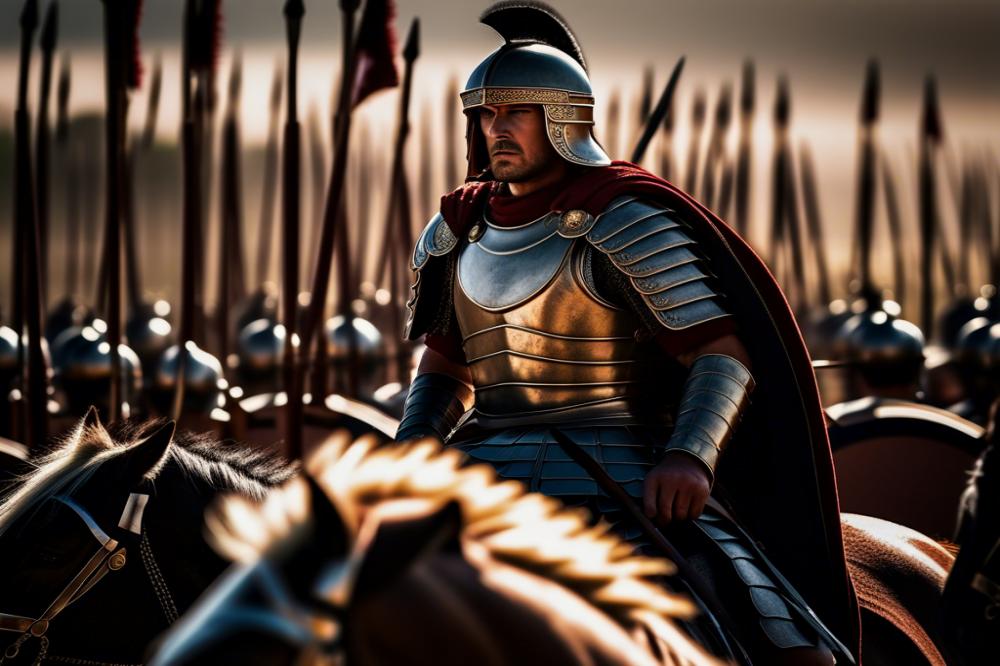
The military structure of ancient Rome was vast and complex. At its core, the legions and cavalry served as the backbone of Roman power. Armed with various weapons, these forces were crucial in both offensive and defensive strategies. Among the arsenal, spears and lances held significant importance. They were not mere tools; they were designed for both skillful use in battle and to establish dominance on the field.
Roman spears, known as hastas, featured a long shaft made of wood with a sharp iron tip for effective thrusting. Cavalry forces wielded longer lances, perfect for charging opponents. These weapons not only signified military might but also reflected the craftsmanship of Roman technology. The design allowed soldiers to effectively engage in combat from a distance, providing a strategic advantage.
In addition to performance in battle, the way these weapons complemented Roman clothing and overall military equipment is noteworthy. The soldiers donned armor that allowed for mobility, readied to use their spears or lances at a moment’s notice. The synergy between weaponry and uniform enhanced their effectiveness. Thus, understanding Roman arms, including the spears and lances, is vital to grasping the broader context of warfare during this era.
These aspects reveal the multifaceted role of weapons in the Roman military. They were not only instruments of war but also symbols of the discipline and organization that characterized the legions. This exploration of Roman weaponry invites us to rethink the legacy of these formidable forces. To truly appreciate their contribution to warfare, one must consider #anchor_text_1# and the strategies they employed. Furthermore, the significance of these tools leads to a deeper understanding of Roman history, as they transformed the battlefield and society alike. Additionally, insights into the craftsmanship can also be found in #anchor_text_2#, marking an essential chapter in military evolution.
Historical Context
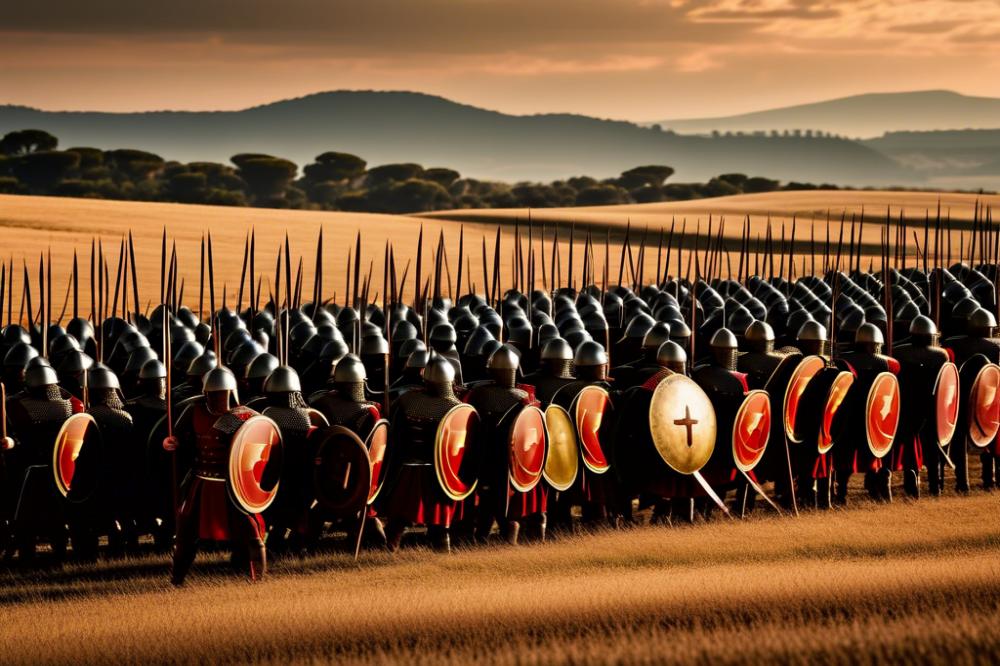
The development of Roman weaponry began in the early Republic and evolved significantly through to the late Empire. Initially, Romans relied on rudimentary weapons, but as the empire expanded, so did their arsenal. The gladius, a short sword, became famous, but spears and lances also gained prominence. These tools were not just for the infantry. Cavalry units used them to great effect during battles.
After encountering various cultures, Roman designs for spears benefited from outside influences. The Greeks had sophisticated phalanxes, and their long spears were admired. Meanwhile, Celtic tribes introduced new construction techniques for throwing weapons. The Romans adapted these ideas, crafting their own version of lances known as the hasta. This spear had a long metal tip for piercing armor, making it a favorite among soldiers.
Spears were vital in many key battles throughout Roman history. At the Battle of Cannae in 216 BC, legions faced a surprise attack. Enemy forces surrounded the Romans while skilled cavalrymen used lances to break ranks. Consequently, many were driven back or trapped, showcasing the effectiveness of these weapons. Even during later conflicts, in places like Gaul and Britain, spears remained crucial. They were essential not only for combat but also for maintaining order among troops.
What set these weapons apart was their functionality. Roman soldiers often carried lightweight javelins called pilum. These were designed to be thrown; however, they could also be used in hand-to-hand fighting. Such versatility enhanced the overall effectiveness of the legions. When thrown, these javelins would often bend and become unusable, making them useless to enemies after being thrown. This tactic further demonstrated Roman ingenuity in warfare.
Throughout their expansion, the Romans fought various peoples and learned from their tactics. Adapting foreign innovations into their own military practices became a hallmark of their strategy. The combination of these influences helped shape Roman weaponry, particularly spears and lances, into essential tools of their legions and cavalry.
Types of Spears and Lances
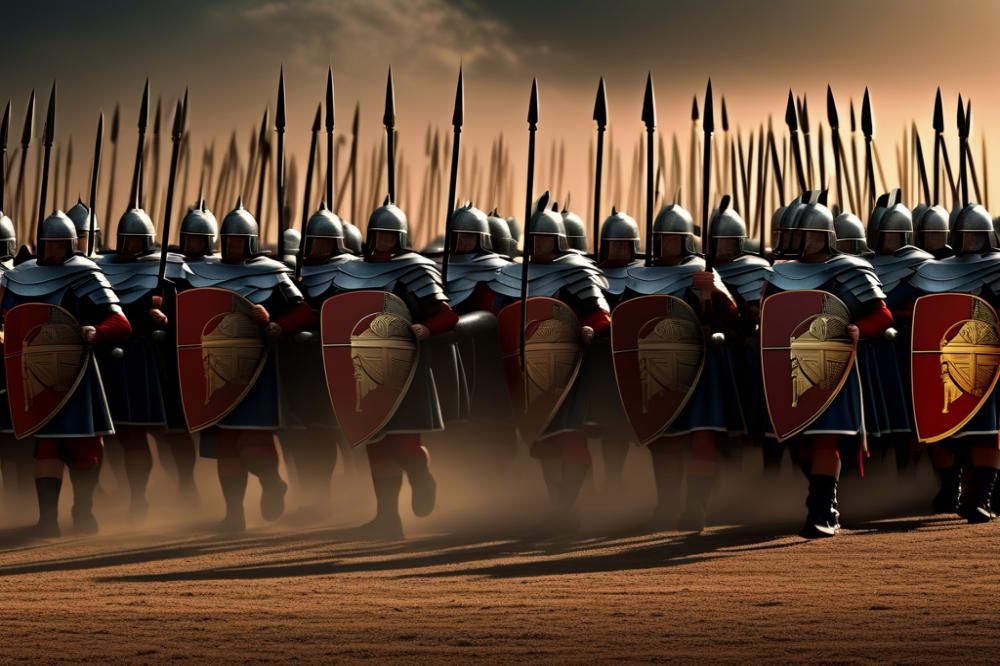
The Roman military relied heavily on various types of spears and lances, each designed for specific purposes. Among the most notable is the pilum, a spear used primarily by infantry. The pilum served as both a throwing weapon and a melee weapon. Its long iron tip would pierce enemy shields and armor, while its wooden shaft meant that it could also be used in close combat.
Cavalry units used different types of spears. One popular version was the contus. This long lance was ideal for mounted soldiers. With a length of around 3 to 4 meters, it allowed riders to engage enemies from a distance. Its design was focused on thrusting, making it effective in cavalry charges.
Comparison of Designs
Differences in spears highlight their intended uses. The heavy weight of the pilum made it effective for infantry formations. Roman soldiers typically threw these spears before engaging in hand-to-hand combat. In contrast, the lighter cavalry spears allowed for quick movements. They were built for speed and agility on horseback.
Another significant design was the hasta, a spear used by Roman spearmen called hastati. The hasta was suitable for thrusting and had a pointed iron head. Infantry formations depended on this spear during battles for its reliable piercing ability.
Materials and Construction Techniques
Spears and lances were crafted from various materials. The shaft typically consisted of wood, offering strength and flexibility. Common species included ash or beech, which were readily available in Roman lands. The tips were made of iron or steel, allowing for durability and lethal force when thrown.
Construction techniques also played a role in a weapon’s effectiveness. Soldiers understood the importance of balance and weight distribution. Skilled craftsmen would ensure that each spear met precision standards. Techniques like tempering were crucial. This process strengthened the metal, making it less likely to break upon impact.
The ancient Romans paid careful attention to these details. The quality of a weapon could easily turn the tide in battle. A well-crafted spear or lance had the potential to strike down an enemy before they even approached. Thus, the Romans maintained a strong manufacturing tradition to support their legions and cavalry.
Tactics and Usage
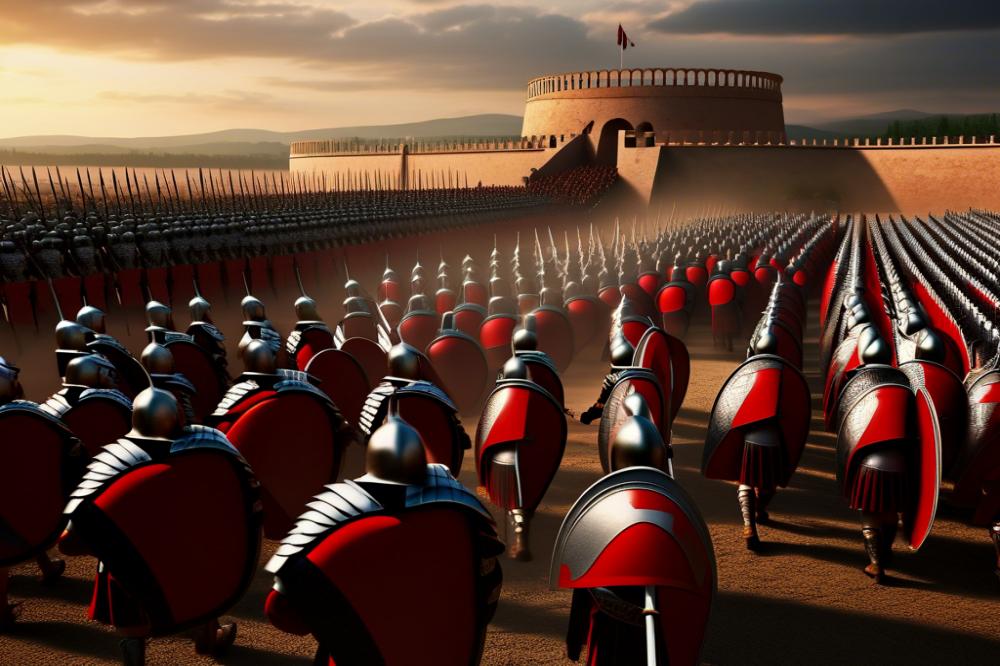
Roman soldiers and cavalry effectively utilized spears and lances in various battle scenarios. These weapons were not just for thrusting; they played a crucial role in strategy. Heavy infantry, such as the legionaries, relied on the spear, known as the pilum, which was designed to break enemy formations. When thrown, it could pierce shields and armor, causing disarray among opposing troops.
Cavalry units also valued their lances. Lightly armed horsemen used them to strike fast and retreat quickly. This hit-and-run tactic disrupted enemy lines and created openings for heavier troops to advance. Both infantry and cavalry employed formations to maximize the impact of their weapons. The famous testudo, or tortoise formation, showcased this well. Soldiers would lock their shields closely, creating an almost impenetrable barrier while they hurled their pila at opponents.
Consider the impact of these tactics in real battles. For instance, during the Battle of Pharsalus, Julius Caesar’s legions relied heavily on thrusting with their spears to break through Pompey’s lines. The dense formations made it difficult for the enemy to counterattack effectively. Utilizing both the pilum and the lance allowed Roman forces to maintain pressure and control the battlefield.
Furthermore, Romans adapted their tactics based on the enemy. Against cavalry, legionaries would form a line and present their pila, creating a wall of points. This effectively neutralized the charge of horsemen, allowing foot soldiers to gain an advantage. In open terrain, cavalry could maneuver freely with their longer lances, encircling and picking off retreating enemies.
In smaller skirmishes, troops might use guerilla tactics, utilizing terrain and ambushes. Lances proved helpful in these scenarios. Quick strikes could demoralize foes and sap their will to fight. This versatility made such weaponry indispensable in various settings.
The effectiveness of spear and lance use went beyond mere victory. Roman military discipline and training complemented these weapons. Soldiers practiced regularly, ensuring their aim and thrusting were precise. This attention to training not only improved individual performance but also elevated unit cohesion during battle.
Clothing and Equipment Integration
The usability and effectiveness of Roman spears and lances were heavily influenced by what soldiers wore. Clothing played a pivotal role in how well these weapons could be handled in various combat situations. A good fit allowed for mobility, while restrictive garments could hinder performance dramatically. Legionnaires often wore tunics and armor designed for freedom of movement. Likewise, cavalrymen needed their attire to accommodate quick maneuvers on horseback.
When soldiers were equipped, every piece of clothing mattered. Foot soldiers donned layers that offered both protection and comfort. Armor, such as chain mail or segmented plates, was critical. Over this, they typically wore a short tunic, which helped them stay agile while engaged in battle. Footwear also made a difference. Sturdy sandals or boots provided better grip on various terrains, optimizing their stance for wielding long weapons like the spear.
Cavalrymen had a different set of requirements. They needed clothing that was not only durable but also streamlined. Heavy armor could make riding cumbersome. Therefore, lightweight protective gear was essential for swift movements. The combination of armor and attire meant that riders could quickly adjust their grip on lances while also maneuvering their mounts. This intricate balance of clothing and weaponry was critical for success in battle.
Interactions between armor, clothing, and weapon handling could determine the outcome of skirmishes. For example, a soldier wearing a cumbersome breastplate might struggle to throw a spear accurately. In contrast, a well-fitted tunic would allow for greater range of motion. Cavalrymen had to manage their lances with precision while avoiding getting tangled in their clothing during rapid attacks. Each detail, from the cut of a tunic to the flexibility of armor, could impact combat effectiveness.
In different battles, these interactions showcased the necessity of a cohesive approach to clothing and equipment. Success depended on how well soldiers could integrate each element into their fight strategies. A well-balanced combination of protective gear and weaponry would enhance their chances on the battlefield. Whether in formation or on horseback, every soldier needed to be aware of how their clothing influenced their role in the legions.
Cultural Significance
The spears and lances of Rome were more than just battlefield tools. They held deep symbolic meaning in Roman society. For many, these weapons represented strength, honor, and the fierce spirit of the legions. Artwork frequently depicted these items in various forms. Statues and frescoes often showcased soldiers wielding their spears, displaying both skill and courage.
In literature, lances and spears appear prominently. Poets and historians wrote extensively about the valor of Roman warriors. The image of a soldier brandishing a spear evoked feelings of pride among citizens. Through these representations, weapons became symbols of the Roman identity.
Roman legions took great pride in their weaponry. Each spear was carefully crafted, representing the dedication of the craftsmen. A well-made lance became a point of pride, setting soldiers apart. Over time, the spear became synonymous with the legions themselves. It defined their purpose and mission throughout the Empire.
Not only did these weapons serve practical uses, they also forged connections between fighters and their communities. Families often understood the significance of a soldier’s weapon as a symbol of safety. The presence of a lance or spear meant protection from enemies and assurance of strength. This belief strengthened the bond between the military and society.
Cultural festivals further showcased the importance of spears and lances. Games and competitions often included events where soldiers demonstrated their skills with these tools. Spectators cheered for their champions, celebrating both the athlete’s prowess and the significance of their weaponry. Such events instilled a sense of unity and national pride.
The legacy of these weapons remained evident in both military and civilian life. Even after the fall of the Roman Empire, the imagery of spears and lances endured. Many cultures adopted similar designs, showcasing their long-lasting influence. Through art, literature, and daily life, the spirit of Roman martial culture continued to inspire generations.
Final Thoughts
Roman spears and lances were more than just tools of war; they were symbols of military might. Their design and functionality played crucial roles in the success of Roman legions and cavalry units. From piercing through enemy lines to being used in close combat, these weapons provided essential advantages on the battlefield. A well-armed soldier could mean the difference between victory and defeat.
The importance of these weapons reflects their influence on modern warfare. Many principles found in today’s weapon systems can be traced back to designs originating with the Romans. This legacy is undeniable. Various types of spears and lances have evolved, but their core purpose remains consistent: to deliver effectiveness in combat.
As we look back, it’s vital to consider how weaponry has changed with soldier attire. Each advancement in technology and design has been shaped by the needs of those who wield these weapons. The balance between mobility and protection influences everything from uniform to armament. The interplay of these elements deserves attention.
In reflecting on ancient weaponry, let us appreciate the craftsmanship that made the Roman legions formidable. Such insights can deepen our understanding of history and its impact on the present. The study of military tools isn’t merely about weapons; it’s also about strategy, culture, and evolution. Consider how each innovation, whether in design or material, carries a piece of this narrative. Exploring how Roman innovations continue to impact modern military practices encourages deeper reflection on our shared history and its ongoing influence.

