
Introduction
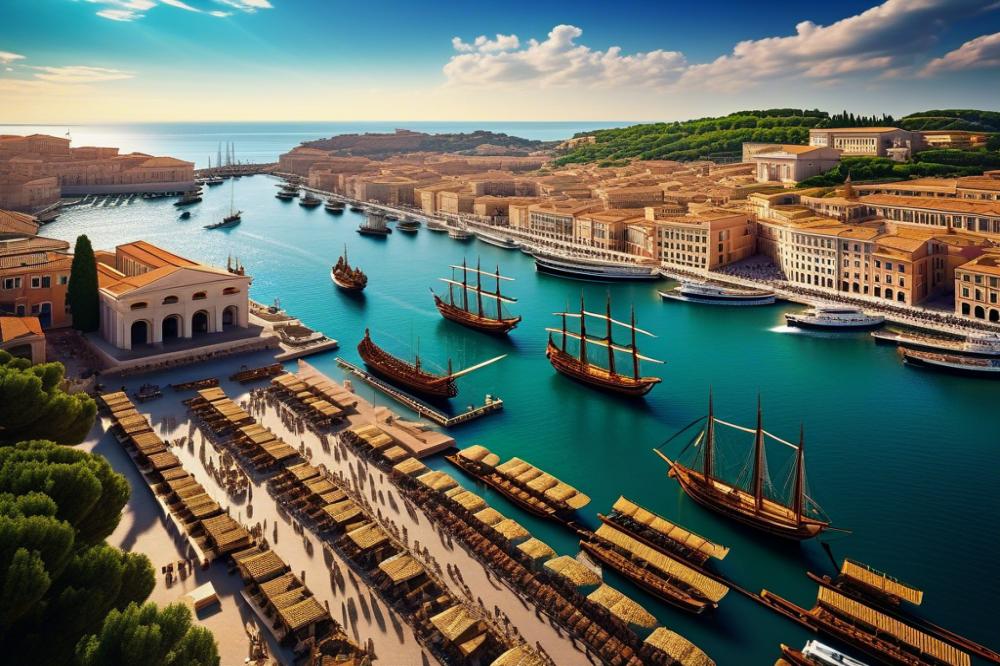
Ports played a crucial role in the fabric of the Roman Empire. They served as vital hubs for commerce and military supply lines, shaping the landscape of trade and transport in ancient times. With routes connecting different regions, port cities became essential for moving goods and enabling military operations. This system of logistics allowed for the efficient distribution of resources across vast distances.
The significance of these coastal settlements cannot be understated. They facilitated maritime trade, linking distant communities and fostering economic growth. These shipping routes created intricate trade networks, connecting regions that would otherwise remain isolated from one another. Additionally, they bolstered naval power by allowing Rome to project influence across the Mediterranean and beyond.
Understanding the functioning of port cities enhances our knowledge of maritime history. The dynamics at play within these sites reveal much about the strategies used by the Romans to maintain control over their empire. Studying these locations provides crucial insights into how logistics evolved, showing their impact on both commerce and military strategy.
In conclusion, the study of Roman ports is integral to grasping the wider implications of the empire’s infrastructure on trade routes and military effectiveness. The ripple effects of their operations continue to be relevant in discussions of historical commerce and naval strategies.
Roman ports: Centers of maritime trade
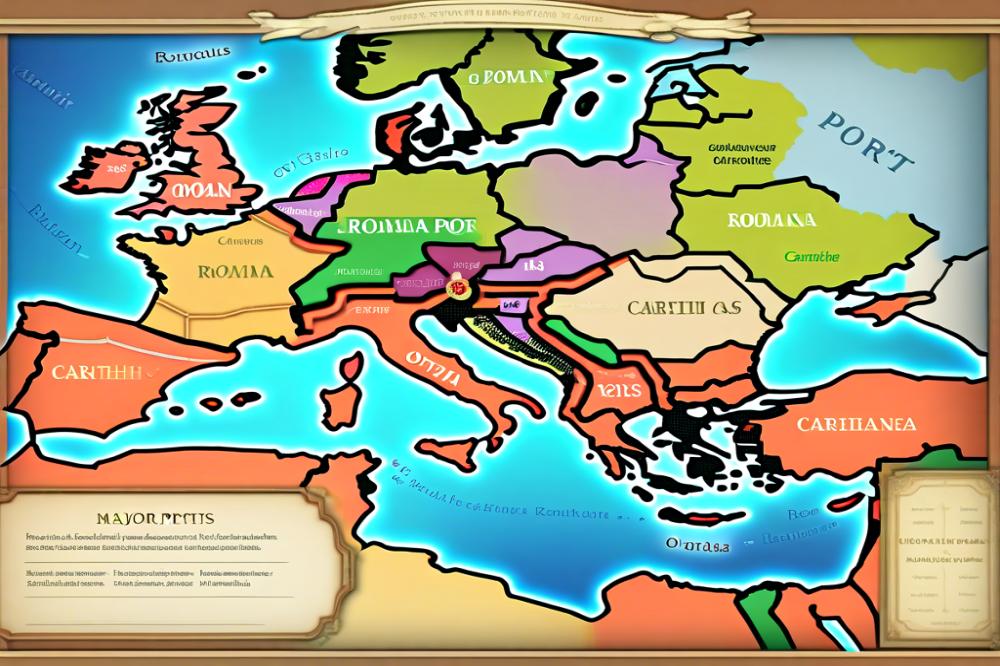
Many cities along the coast of the Mediterranean thrived as major centers for trade in the Roman Empire. Port cities like Ostia, Alexandria, and Carthage played crucial roles in connecting various regions. Ostia served as the gateway to Rome, bustling with merchants, goods, and ships. Alexandria was known for its grain, vital for feeding the population of the empire. Carthage, once a rival, became a significant hub after its defeat, facilitating trade across the western Mediterranean.
These coastal settlements impacted both regional and long-distance maritime trade dramatically. They allowed for the quick exchange of goods such as olive oil, wine, and textiles. Ships could travel between various ports, creating a vibrant network of commerce. Thanks to such locations, goods were distributed efficiently, reaching distant territories and bringing wealth to the empire.
Trade networks developed around these ports, enhancing economic connections. Traders established routes that linked different parts of the empire, making it easier to transport resources. The flow of goods and resources was not just beneficial for merchants but also for everyday people. More products became accessible in local markets, enriching lives and fostering cultural exchange.
The role of shipping was pivotal in the growth of commerce. Efficient logistics allowed for quicker transportation, which was essential for military supply lines as well. Naval power was crucial for the security of these trade routes. Control over these ports ensured that the Roman Empire maintained its influence and prosperity. Everyone, from wealthy investors to poor laborers, felt the effects of this vibrant trading system in their daily lives.
Military Supply Lines and Roman Ports
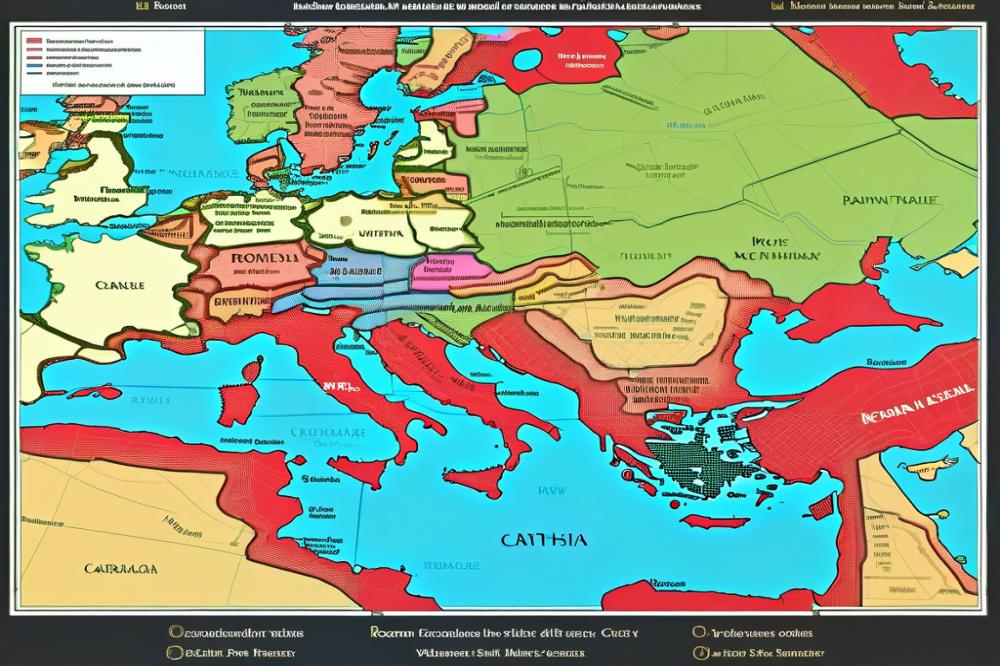
Ports played a crucial role in military logistics during the height of the Roman Empire. They were more than just places for maritime trade; they served as the backbone of military supply lines. Key to this system were the port cities that dotted the Mediterranean and beyond. These locations allowed for the swift movement of troops, weapons, and food supplies. Without these hubs, the empire would have struggled to maintain its vast military operations.
Connection Between Coastal Settlements and Military Operations
Coastal settlements were intimately tied to the needs of the military. Troops could quickly embark from ports to engage in conflicts across the empire. In addition, the supply of essential goods came directly from these coastal areas. Everything from grain to armor flowed through these gateways. This made the connection between trade networks and military readiness clearer than ever. Effectively, port cities facilitated both commerce and the movement of forces during times of war.
Case Studies of Ports Supporting Naval Power and Military Campaigns
Examining specific examples highlights the importance of these ports. For instance, the Port of Ostia served as the main artery for shipping to Rome. Supplies were funneled into the city, supporting both its population and military garrisons. Another example is the port at Massalia (modern-day Marseille) which played a vital role in supporting Roman naval power in the western Mediterranean. These ports provided ships and resources crucial for numerous military campaigns. Their strategic locations allowed for effective monitoring of sea routes and enemy movements.
Assessment of How Supply Lines Were Maintained Across the Empire
Maintaining supply lines across the empire required careful planning and organization. The logistics of transporting goods were complex. Ships had to be ready to sail at a moment’s notice. Roman authorities kept detailed records of shipping schedules and cargo loads. Moreover, the use of the extensive road network complemented maritime transport. Roads connected inland regions to ports, ensuring that supplies could flow without delay. This dual approach of using both sea and land routes strengthened the military’s capability to respond to threats swiftly.
The Infrastructure of Roman Ports
In the vast expanse of the Roman Empire, ports played a vital role in connecting far-flung territories. Architectural innovation marked these coastal settlements. Engineers designed them with immense skill, creating structures that stood the test of time. Breakwaters and docks facilitated safe berthing for ships, minimizing damage from storms. Harbors often featured slipways for launching and repairing vessels, highlighting the importance of maritime trade.
Facilities at these port cities were diverse and essential. Warehouses stored goods, ranging from grains to luxury items. Streets near the waterfront bustled with merchants eager to engage in commerce. Most ports also provided services for sailors and traders. Taverns, inns, and markets offered rest and resupply, fostering lively trade networks. This abundance of services turned ports into thriving hubs of economic activity.
Shipping was not solely about trade; military supply lines depended heavily on these infrastructures. Troops required consistent supplies, and ports ensured that logistics ran smoothly. Generals depended on them for quick access to reinforcements. Naval power was also concentrated in port cities, allowing for rapid mobilization of fleets. The strategic placement of these facilities enabled the Empire to respond promptly to threats and maintain control over its vast territory.
Each advancement in port infrastructure impacted efficiency and effectiveness. Improved loading techniques made it faster to transfer goods. Roads from ports connected inland areas, allowing products to flow seamlessly. All these elements created a systematic approach to shipping. The network of ports acted as the backbone of the Roman economy, facilitating movement and exchange. Each port contributed to a greater strategy, enhancing both trade and military operations.
Roman Ports and Naval Power
Ports not only served as hubs for maritime trade but also played a key role in supporting the Roman navy. These locations functioned as strategic bases for naval operations across the Mediterranean Sea. The Roman Empire relied heavily on its coastal settlements to maintain and expand its military supply lines.
Naval power thrived thanks to the establishment of these vital port cities. They provided necessary resources, such as provisions and ship repair facilities, enabling the navy to operate efficiently. Without this logistics framework, naval expeditions would have struggled significantly.
Consider how ports influenced the expansion of Roman naval power. Each port city became a point of control, facilitating the movement of troops and materials. Strong navies could safeguard trade networks, boosting commerce and ensuring that goods flowed smoothly throughout the empire.
Numerous historical examples reveal the connection between naval engagements and ports. The Battle of Actium in 31 B.C. highlights this link well. It became a pivotal moment in Roman history, taking place near the port of Actium. Forces were able to gather quickly due to the nearby harbor, showcasing the strategic importance of such locations.
Other notable events also underscore the importance of ports. The defeat of Carthaginian forces during the Punic Wars relied on efficient shipping routes and strong naval bases. Rome’s ability to control these coastal settlements allowed it to dominate maritime trade.
Overall, the relationship between naval operations and support from port cities was crucial for the Roman Empire. This dynamic not only enhanced military effectiveness but also fostered economic stability through robust trade channels.
Final Thoughts on Roman Ports
Summary of Their Critical Role
Ports were vital to the economy and military of the Roman Empire. They acted as gateways for maritime trade, linking distant regions with the heart of Rome. Ships brought goods such as grain, wine, and luxury items, bolstering wealth and culture. Additionally, these coastal hubs facilitated the movement of troops and supplies. This was essential for maintaining control over vast territories. The efficiency of these facilities allowed Rome to project power across the Mediterranean and beyond.
Legacy in Contemporary Maritime Practices
Today’s ports owe much to the innovations of the ancient world. While technology has advanced, the fundamental purpose of harbors remains the same. Modern infrastructure, such as docks and loading facilities, has its roots in Roman design. Lessons learned from how they optimized trade routes still apply in contemporary logistics. This legacy is evident in how cities worldwide prioritize their maritime connections to enhance economic growth.
Understanding the Strengths of the Empire
To comprehend the power of the Roman Empire, one must recognize the significance of its ports. These hubs were not mere dock areas; they were sophisticated systems that supported both trade and military supply lines. The ability to move resources quickly and efficiently contributed significantly to Rome’s dominance. Thus, analyzing these ports provides insight into Roman strategy and administrative brilliance. Their effective management reflected a well-organized empire capable of responding to various challenges. In understanding ports, we unlock a deeper appreciation of the empire’s lasting influence on history.

