
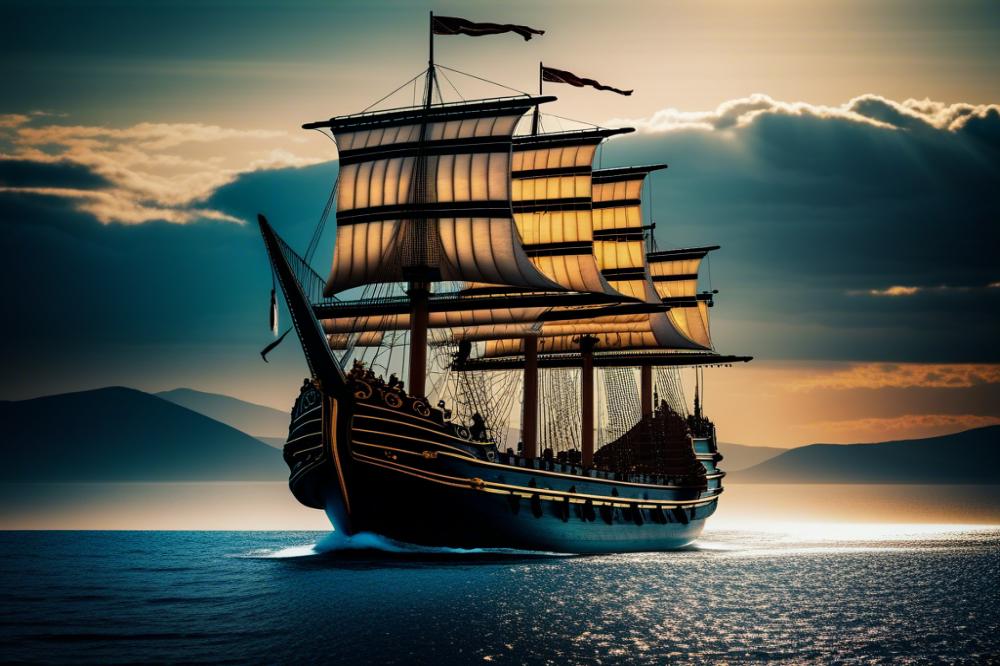
The Roman Transport Ship: Design, Purpose, and Cargo Capacity
The significance of the Roman transport ship in maritime trade and military logistics cannot be overstated. These vessels played a vital role in connecting distant territories across the Mediterranean Sea. Through efficient transportation of goods and troops, they contributed to the expansion of the Roman Empire.
Various design elements made these ships suited for their multiple functions. Crafted with a hull designed for both speed and stability, they could navigate rough waters while carrying substantial loads. Most had a flat bottom, which allowed for easier docking and loading at ports, even where the water was shallow. This versatility was crucial for supporting both commercial trade and military endeavors.
When discussing purpose, one must recognize that these ships were not solely for cargo transport. They served as vessels of power during military campaigns, enabling Rome to project its influence across seas. Their capabilities to transport soldiers, armor, and other resources during conflicts were unmatched. Additionally, they transported everyday goods like wine, olive oil, and grain between regions, ensuring economic stability within the empire.
As for cargo capacity, Roman transport ships were not only robust but also ingeniously designed. They could carry a substantial amount of weight, sometimes reaching up to 100 tons. This capacity allowed merchants to engage in large-scale trade, facilitating the exchange of local products over vast distances. By optimizing their design and operational efficiency, these ships significantly impacted the economy and society of ancient Rome.
In conclusion, the role of the Roman transport ship was multifaceted, supporting both trade and military logistics. Its effective design elements and impressive cargo capability made it an essential tool for the empire. Understanding this vessel aids in appreciating the complexities of ancient maritime practices and their lasting influence on today’s world. For more insights into Roman innovation, check out #anchor_text_1# and explore the connections between history and modern shipping. Similarly, #anchor_text_2# offers a broader look at the marvels of ancient engineering.
The Roman Transport Ship: Design
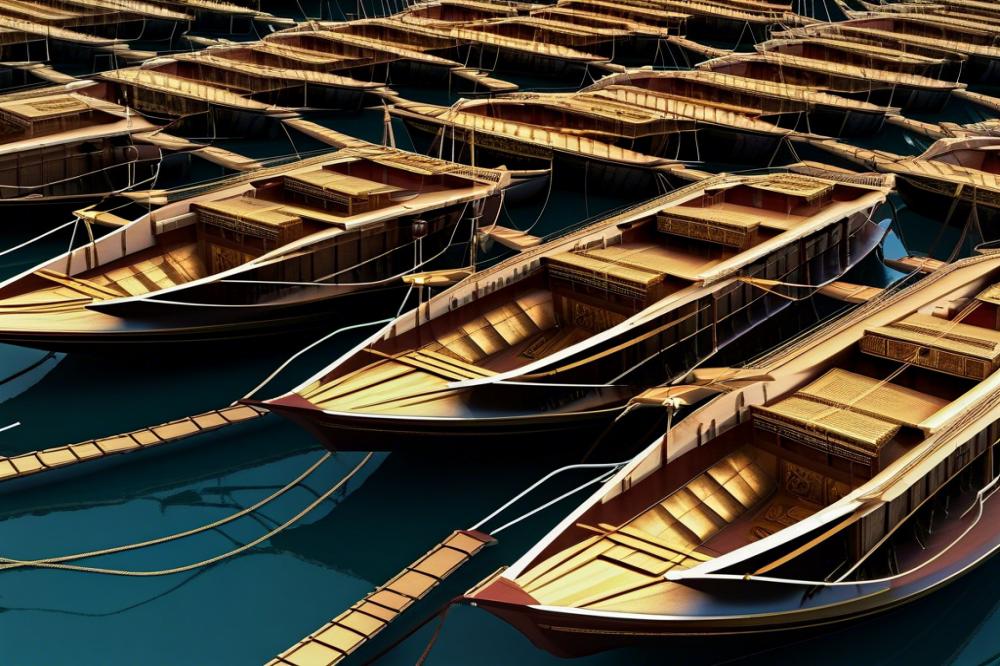
When examining the structural features of Roman transport ships, a few aspects stand out. The hull design was crucial for stability and navigation. Ships typically had a rounded shape, which helped them sail smoothly on open water. This curve also provided resistance against waves, keeping cargo safe during voyages.
Materials played a significant role in ship construction. Romans primarily used wooden planks for the hull, often sourced from local forests. Oak was a preferred choice due to its strength and durability. They also employed pine and fir, which were lighter yet sturdy. Fastening techniques evolved over time, with nails and interlocking planks becoming common in shipbuilding.
Various technological advancements helped improve ship design during Roman times. The introduction of the keel transformed the way ships were built. This structural element provided better balance and improved sailing performance. Sail technology also underwent changes. Roman ships utilized square sails to catch the wind more efficiently, which allowed for longer journeys across the Mediterranean.
Comparison with Other Ancient Ship Designs
Roman ships differed in several ways from those of other ancient cultures. For example, Greek triremes were designed primarily for speed and combat. These vessels had multiple rows of oars, which made them agile but less suitable for transporting heavy goods. In contrast, the Roman transport ship focused on cargo capacity and stability.
Egyptian ships, often similar in capacity, used the Nile for trade. Their design included a flat bottom to navigate shallow waters. Romans faced the challenge of navigating both oceanic routes and rivers, which required versatility. The construction aimed to address these varying conditions.
Furthermore, less emphasis was placed on elaborate decorations in Roman transport ships compared to those of the Phoenicians. Navigating busy trade routes was often a priority over aesthetics for Roman builders. Cargo capacity remained the leading concern. Larger holds allowed the transport of goods, such as grain, olive oil, and wine.
In summary, when looking into the design of Roman transport ships, a mix of practicality and innovation emerges. The combination of solid materials, advanced techniques, and focused cargo storage created a vital component of the Roman economy. Comparison with other shipping designs highlights their unique approach to trade and maritime travel.
Purpose of Roman Transport Ships
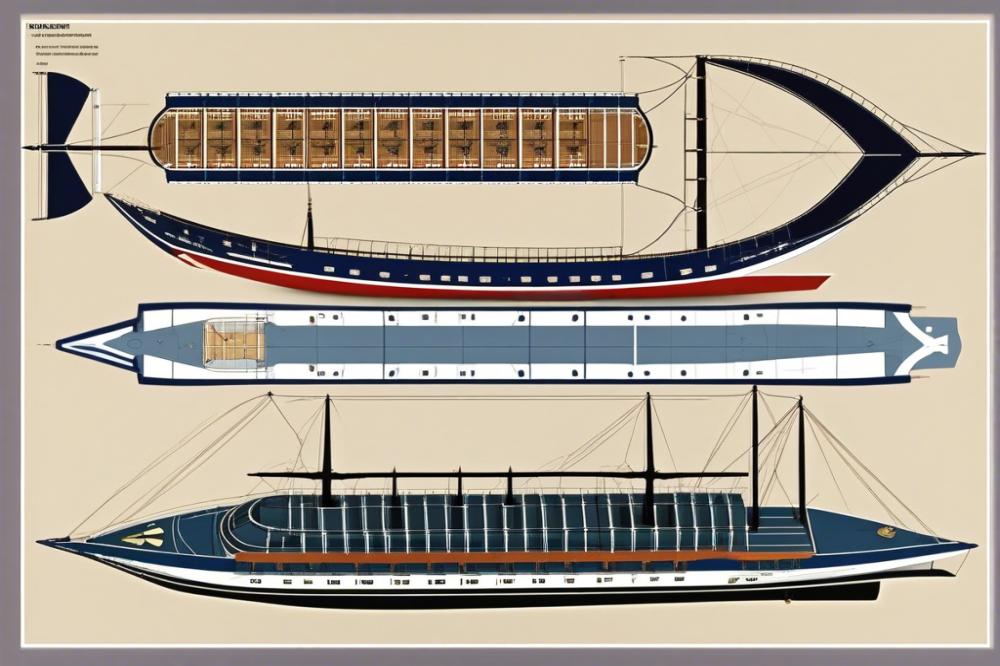
Transport ships played a crucial role in the Roman Empire. Their use was not limited to just one function; instead, they served multiple purposes. Chief among these was trade. Ships carried goods like olive oil, wine, and grain across the Mediterranean. These items were essential for sustaining cities and feeding troops.
Military supply was another significant responsibility for these vessels. They delivered weapons, armor, and other necessary supplies to far-flung locations. Troop deployment also relied heavily on transport ships. Soldiers needed to travel quickly between regions, especially in times of conflict. The swiftness of these ships allowed for rapid responses to threats.
Roman influence expanded greatly because of these maritime vessels. Trade helped with cultural exchanges, introducing new ideas and goods to various provinces. Moreover, the fleet’s movement of troops meant quicker control over rebellious areas. A well-supplied army could dominate local forces with ease, ensuring the Empire’s reach was far and wide.
Transport ships were essential for maintaining connections across the vast territories. Merchants and soldiers alike depended on these sturdy boats. Their construction and design allowed for efficient loading and unloading of cargo. The capacity of these ships meant they could carry large amounts of cargo at once, further facilitating commerce.
In summary, the significance of Roman transport ships went beyond mere transportation. They were integral to trade networks and a vital part of military strategy. Their capacity to carry various kinds of cargo kept the Empire thriving and ensured its dominance throughout the Mediterranean world.
Cargo Capacity and Types of Cargo
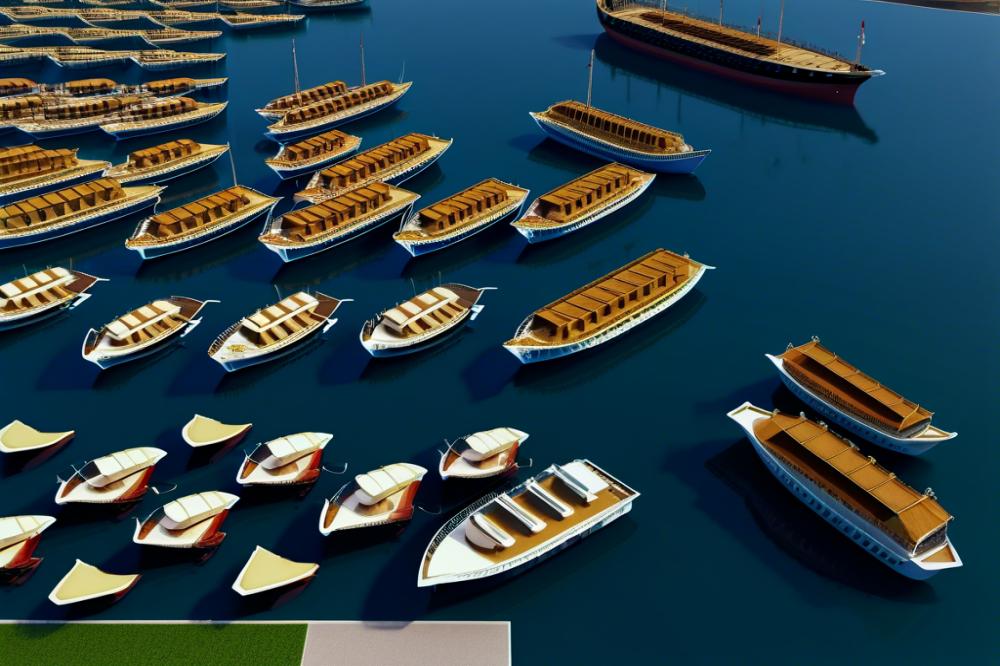
Roman transport ships were designed with impressive cargo capacities. These vessels could hold anywhere from 50 to 200 tons of goods. The actual amount depended on the size of the ship and its design. A larger ship could transport more materials, essentially becoming a floating warehouse for merchants.
Commonly transported items included essential goods. Grain was crucial for feeding the population of Rome. It was often shipped from provinces such as Egypt, which was known for its fertile land. Raw materials made up another significant portion of the cargo. Timber, metals, and clay were in high demand for construction and crafting. Luxurious items like silk, spices, and fine wines also found their way into Roman ports, catering to the elite.
Trade routes were influenced heavily by cargo capacity. Regions abundant in resources could capitalize on larger ships that brought more goods. Economic dynamics shifted as certain cities grew wealthy from trade. For instance, Carthage thrived as a bustling trade hub. This growth changed how Romans interacted with various cultures.
Maritime trade was not just about the quantity of cargo. Variety played a vital role in profitability. The ability to transport different types of goods allowed merchants to maximize their profits. Items from distant lands often fetched high prices in local markets, enriching traders.
Moreover, specific ships were constructed for particular goods. Specialized vessels might focus on transporting heavy stones for construction. Other ships were adept at carrying agricultural products. This specialization highlighted the versatility of Roman maritime trade and its importance in the wider economy.
Lastly, the navigation skills of Roman sailors enhanced the efficiency of transporting goods. They understood tides, weather patterns, and sea currents. Knowledge of these factors allowed ships to optimize their routes. In essence, cargo capacity was not merely a measurement; it shaped trade patterns, influenced economic wealth, and created networks that connected the vast reaches of the Roman Empire.
Navigational Techniques and Crew
Roman transport ships relied on a mix of navigational techniques to traverse vast waters. Sailors often used visible landmarks to guide them. Natural features such as cliffs, islands, and coastlines served as crucial points of reference. When the coastline was hidden, crew members turned their attention to the stars. Celestial navigation was important for those sailing far from land. By observing the position of the sun and certain stars, they could determine their directions.
Port towns provided additional advantages for navigation. These harbors were familiar points where sailors could rest and resupply. Ancient Romans mapped out various routes, but local knowledge played a key role. Captains often relied on information shared by locals or fellow sailors. The combination of these techniques helped them navigate even in challenging conditions.
The crew on a Roman transport ship consisted of different members with assigned duties. Generally, a captain held leadership, making critical decisions. Under the captain, a navigator would assist, using charts or their knowledge to direct the vessel. Sailors, or rowers, handled the sails and oars, propelling the ship forward. Each crew member had specific responsibilities, ensuring smooth sailing.
In bad weather, roles became even more defined. The helmsman skillfully steered to avoid hazards. Others worked to adjust the sails, maximizing the ship’s speed while maintaining control. A ship’s cook prepared meals, keeping spirits high during long voyages. Communication among team members was vital. Coordination allowed the crew to respond swiftly to changing conditions.
Overall, the success of these vessels depended on teamwork and knowledge. While technology of the time was simple, it was effective. Sailors relied on a blend of experience and observation to guide their journeys. Understanding the nuances of the sea and sky enhanced confidence. The combination of navigational skills and dedicated crew members made Roman transport ships remarkable for their time.
Impact on Roman Economy and Society
Transport ships played a significant role in the Roman economy. They facilitated trade, making it easier for goods to move across vast distances. This mobility helped various regions in the empire connect with one another. As a result, local economies flourished. For instance, agriculture thrived as farmers could sell their produce in distant markets.
Maritime trade networks expanded rapidly. Ports became bustling centers of activity. Goods such as olive oil, wine, and grain could flow freely among cities. This not only boosted economic growth but also promoted cultural exchanges. People from different parts of the empire mingled, sharing ideas and customs.
Socially, the effects of trade were profound. Merchants became an influential class within society. They amassed wealth and status through shipping and trade. The rising merchant class challenged traditional aristocracy. Wealth was no longer solely about land ownership. This change in dynamic affected how people viewed social status.
Moreover, the increase in available goods led to a shift in consumer habits. Citizens began to desire products from all corners of the empire. Exotic items became popular, further enhancing trade. Increased demand encouraged more ships to venture farther and more frequently.
Challenges also arose due to this growth. Competition between merchants could be fierce. Some sailors sought to cut costs, risking safety for profit. Pirates posed a constant threat on busy trade routes. Yet, the benefits of maritime transport largely outweighed the risks.
In essence, the reliance on transport vessels transformed both economy and society at large. The interconnectedness of the empire grew stronger. Maritime trade created bonds that unified diverse cultures. Local economies that once stood alone became part of a larger whole. The impact of such integration rippled through every level of Roman life.
Shipbuilding and Innovations
The Roman Empire was a powerhouse of engineering. Shipbuilding was one of its significant areas of development. Various innovations in design transformed how ships were constructed and utilized. This progress wasn’t purely about aesthetics; it had practical implications for trade and military operations.
First, let’s look at materials. Early Roman ships were primarily made from wood. Yet, over time, builders experimented with different types of timber. Cedar, fir, and oak became popular choices. The strength and durability of these woods played a crucial role in enhancing ship performance.
Additionally, Roman shipbuilders introduced several design innovations. The hull shape was crucial. They developed a more streamlined design to improve speed and maneuverability. This was important for both commerce and naval dominance. Ships that could move faster had a better chance in battle and could transport goods more efficiently.
Another noteworthy advance was the use of the keel. This structural element added stability, allowing vessels to navigate both calm and turbulent waters. By incorporating a deeper keel, shipbuilders made their crafts more seaworthy. This innovation changed the game for long-distance voyages.
Iron fastenings also emerged as a key innovation. Instead of relying solely on wooden pegs, Romans began using iron nails. These fasteners offered improved strength and longevity, ensuring that ships could withstand harsh conditions. Such enhancements contributed significantly to the durability of the fleet.
Furthermore, specialized cargo holds became prevalent in transport ships. These designated spaces allowed for the efficient organization of goods. By keeping various cargo types separate, they minimized the risk of damage. This careful planning was essential for maximizing load capacity.
Finally, the introduction of sails larger than those on earlier ships marked another leap forward. Bigger sails captured more wind, allowing transport vessels to traverse distances quicker. This innovation was vital for trade routes, as it reduced travel time between ports.
The combination of these advancements made Roman transport ships robust and reliable. With improved construction techniques, the empire could support its vast trade networks. Whether for military expeditions or commercial ventures, these vessels were true marvels of their time.
The Impact of Roman Transport Ships
Roman transport ships played a vital role in the empire’s economy, military strategies, and societal growth. These vessels acted as the veins through which goods and materials flowed. They facilitated trade across the Mediterranean, connecting various provinces. Without these ships, the vast territories of the empire might not have enjoyed the same level of cohesion and integration.
Military operations also relied heavily on these ships. Troops and supplies could be transported quickly across water, which often proved decisive in battles. The ability to move armies rapidly prevented cities from being isolated during conflicts. Thus, naval power became a critical factor in maintaining the stability and expansion of the empire.
In terms of societal development, transport ships encouraged cultural exchanges. Ports became melting pots where different traditions and ideas mixed. This exchange not only strengthened local economies but also enriched Roman culture. New customs and technologies often emerged from these interactions.
The legacy of Roman maritime transport can still be felt today. Many modern shipping practices are rooted in techniques developed by the Romans. Their understanding of navigation and cargo management laid the groundwork for contemporary maritime trade. The impact of these ancient vessels resonates even in today’s global economy.
Reflecting on the importance of these ships, it is clear they were far more than mere vessels. They represented the ambition and reach of the Roman Empire. By fostering connections across vast distances, they transformed trade, military capability, and cultural development. In examining this remarkable history, one can appreciate the intricacies of #anchor_text_3# as well as the strategic foresight requiring #anchor_text_4#.

