
Overview of Italian Aperitifs and Digestives
Italy is renowned for its vibrant culinary scene, which extends beyond just food. Traditional aperitifs and digestives play a vital role in Italian dining culture. These drinks serve as more than just beverages; they set the tone for meals and help with digestion afterward. Some are known for their bitterness while others highlight the sweetness of fruits. Often enjoyed in social settings, these drinks create a bridge between the courses of a meal.
The Importance of digestif-with-a-unique-flavor-profile”>Limoncello in Italian Culture
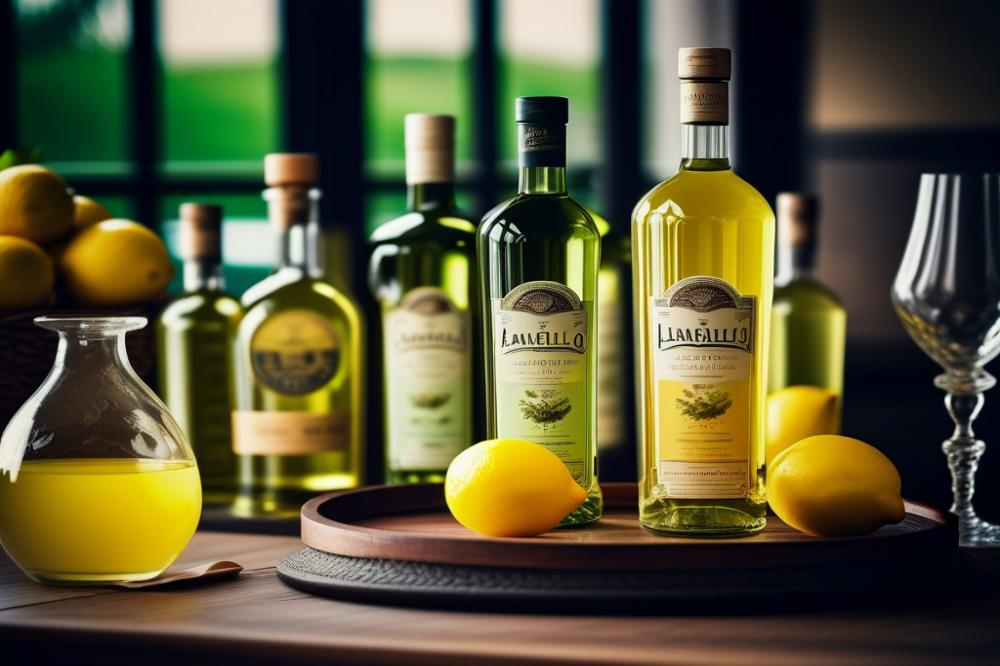
digestif-with-a-unique-flavor-profile”>Limoncello embodies the spirit of Italian hospitality. This beloved liqueur, made from bright lemons, represents a deep-rooted tradition. Homemade recipes passed down through families emphasize its significance within communities. Whether served at festive gatherings or quietly enjoyed after a meal, it holds a special place in many hearts. The refreshing taste not only tantalizes the palate but also evokes memories of sunny days on the Amalfi Coast.
The Amalfi Coast

Nestled along Italy’s southwestern coastline, the Amalfi Coast is a remarkable treasure. It offers breathtaking views of cliffs that cascade into the azure sea. This picturesque region is not just a feast for the eyes; it is a haven for citrus fruits, especially lemons. The unique climate produces lemons that are larger and more fragrant than anywhere else. Visitors often indulge in local recipes that highlight these flavors, making the area famous for its zesty liqueur.
In conclusion, the culture surrounding Italian digestifs, particularly this citrus-tinged liqueur, reflects a rich tradition that enriches both meals and memories.
The Origins of Limoncello
The history of this Italian liqueur is rich and fascinating. Limoncello has its roots deeply embedded in the culinary traditions of southern Italy. Many believe it started in the early 20th century. However, its exact origins remain a topic of debate, blending myth with reality.
Primarily, the Amalfi Coast serves as the birthplace of Limoncello. This region is famous for its stunning cliffs, azure waters, and vibrant culture. Local families often created homemade versions using lemons from their gardens. Many remain proud of their unique recipes, passed down through generations. As a digestif, it is traditionally enjoyed after meals, making it a staple at family gatherings.
Citrus plays an important role in this area, particularly the lemon. The sun-soaked landscape of Amalfi is filled with orchards bursting with the bright yellow fruit. Their fragrance fills the air, drawing both locals and visitors to explore their uses in cuisine. Lemon adds a refreshing taste to cocktails, enhancing drinks with its zesty flavor.
This Italian tradition reflects not just a beverage but a way of life. Limoncello embodies the spirit of the region, connecting people to their land. Cultural practices around drinking it often include sharing stories or celebrating special occasions. Recipes vary but tend to honor the same fundamental ingredients: lemon zest, alcohol, sugar, and water.
With its tantalizing taste, Limoncello has gained popularity beyond Italy’s borders. People from different cultures have embraced it, adding a splash of southern Italian heritage to their dining experiences. Those who visit the Amalfi Coast often find themselves captivated by this delightful treat, inspired to recreate it at home.
Crafting the Perfect Limoncello
Ingredients and the Importance of Quality Lemons
The right ingredients make all the difference. Fresh, high-quality lemons are crucial when making this Italian liqueur. The Amalfi Coast is famous for its bright and zesty lemons, known as Sfusato lemons. Their fragrant peels are what gives the drink its vibrant flavor. Using lemons that are organic and unwaxed is important, too. This ensures the oils from the skin infuse beautifully into the spirit. It’s a process deeply rooted in culture and tradition, highlighting the connection to the region.
The Homemade Process: Infusion, Sweetening, and Bottling
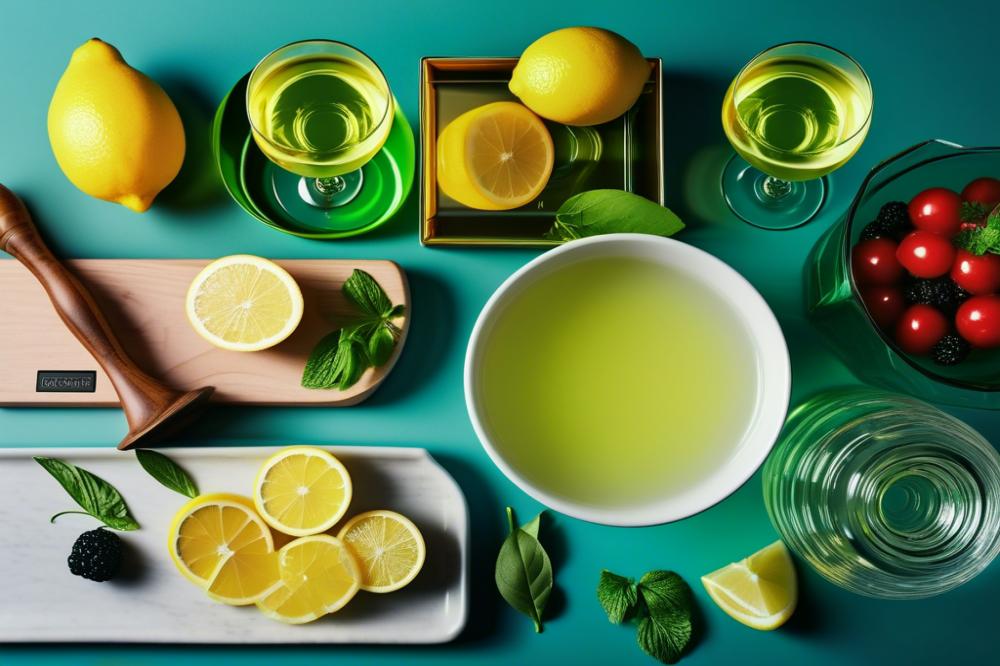
Making your own digestif can be fun and rewarding. Start by peeling the lemons, being careful only to use the outer yellow skin. Avoid the bitter white pith as much as possible. Next, infuse these peels in high-proof alcohol for a few weeks. The longer you allow the infusion, the richer the flavor will be. Once your infusion is ready, it’s time to sweeten it. Combine simple syrup with the infused alcohol for balance. Bottling your creation is the final step. Use clean, glass bottles for storage. The homemade version allows for personal tweaks to match your taste.
Variations and Regional Differences in Recipes
Many regions in Italy have their unique takes on this popular drink. For instance, some add herbs like basil or mint, giving it a fresh twist. Others may incorporate different types of sweetness, like honey instead of sugar. In a coastal town, you might find variations that include added fruits for a citrus burst. The recipes are endless and often passed down through generations. Each family might insist their version represents their heritage best. Exploring these variations can be a delightful journey through Italian culture and its culinary traditions.
Limoncello as an Italian Liqueur
Italy is famous for its diverse range of liqueurs. Among these, limoncello stands out as a popular digestif. This sweet, citrus-infused drink is often served after meals. Italians cherish it for its refreshing taste, especially in warm weather.
Classification of Limoncello among Italian Digestives
The liqueur falls under the category of digestifs. These drinks are meant to aid digestion, typically enjoyed after a hearty meal. Limoncello, made from lemon zest, sugar, and alcohol, is particularly favored in southern regions. Tradition plays a vital role in its popularity. Many families have homemade recipes passed down through generations.
Limoncello’s Place in the World of Italian Aperitifs
While often classified as a digestif, this liqueur is also enjoyed as an aperitif. Before meals, it can awaken the palate and set the mood for a delightful dining experience. Served chilled, it delivers a bright burst of lemon flavor that excites the taste buds. Cocktails using this citrus favorite are increasingly common, blending it with various ingredients. Recipes for these mixed drinks range widely, showcasing its versatility.
Comparison with Other Italian Liqueurs
When compared to other Italian liqueurs, the uniqueness of limoncello shines through. Amaretto, for instance, brings almond flavors to the table, while grappa offers a stronger experience. Each liqueur has roots in particular regions, reflecting local culture and traditions. The vibrant citrus notes of limoncello contrast with the rich, nutty essence of other varieties. Each sip tells a story of Italy’s rich culinary landscape.
Culinary Uses and Cocktails
This Italian liqueur brings a burst of flavor to many dishes. Chefs often use it to enhance seafood, like grilled fish. A drizzle of limoncello can elevate a simple pasta dish, offering a refreshing counterpoint to richer sauces. Lemon-infused recipes stand out, especially in traditional meals. Even desserts experience a transformation with this vibrant spirit. From sorbets to cakes, its acidity brightens flavors and adds depth.
Popular Cocktail Recipes Featuring Limoncello
Mixing cocktails is another exciting way to enjoy this citrus wonder. One popular choice is the limoncello spritz. It blends the refreshing liqueur with sparkling wine and soda water. Serve it over ice with a lemon slice for a delightful drink during warm summer evenings. Another favorite is the limoncello mule, which combines the liqueur with ginger beer and lime juice. This cocktail is zesty, vibrant, and surprisingly easy to make.
Creative Twists on Traditional Uses
People also find imaginative uses for this digestif beyond the glass. Many home cooks create a limoncello-infused frosting, adding it to cakes for a zesty punch. Some adventurous chefs even add a splash to marinades for meats, providing a unique flavor profile. Homemade limoncello ice cream has gained popularity as a refreshing dessert. This blend of tradition and creativity showcases the culture of Italy and its love for lemon.
Cultural Significance and Traditions
In Italy, serving limoncello is more than just a delightful ritual. This lemon-flavored liqueur often comes after meals as a digestif. Families take pride in their homemade versions, sharing recipes passed down through generations. From Naples to the Amalfi Coast, locals have perfected their techniques, creating a personal touch to a beloved tradition.
During social gatherings, this bright citrus drink plays a significant role. Friends and family come together to celebrate milestones, birthdays, and holidays. When the spirit is poured, laughter fills the air, as it is often accompanied by stories. Every glass signifies warmth and connection among those present.
Italian hospitality shines through the serving of this refreshing drink. Hosts proudly present their homemade offerings to guests, showcasing their care and attention. Visitors to the country often feel embraced by this culture. Offering a chilled limoncello can turn a simple meal into a festive occasion that lingers in memory.
This liqueur also highlights the importance of regional flavors. Each area has its own small variations that reflect local tastes and traditions. This connection reinforces the shared experiences that bind communities. In every bottle lies a part of Italy’s rich cultural tapestry, making it far more than just a cocktail.
Final Thoughts on a Zesty Journey
Limoncello has traveled from the sun-kissed shores of the Amalfi Coast to hearts and homes around the world. This Italian liqueur tells a story of tradition and passion, evoking the warmth of family gatherings and the vibrant culture of its birthplace. Its journey is a testament to the rich heritage of Italy and the craft of creating something delightful from simple ingredients.
Exploring homemade recipes can be a rewarding experience. Anyone can embark on the adventure of making this refreshing drink in their own kitchen. Fresh lemons, sugar, and alcohol combine to create a burst of flavor that is unmatched. It’s not just about the final product; it’s also about the process of creating something enjoyable. Gathering ingredients, following a recipe, and tasting your fruit of labor adds joy to the experience.
Appreciating this zesty digestif means recognizing the stories it carries. Each sip invites memories of laughter, celebration, and the simple pleasures of life. Connecting with the spirit of the Amalfi Coast brings a taste of Italy to any occasion. So next time you feel inspired, consider making your own version. You might just find a new favorite drink to share with friends and family. Cheers to the continuing legacy of this beloved drink!

