
Introduction
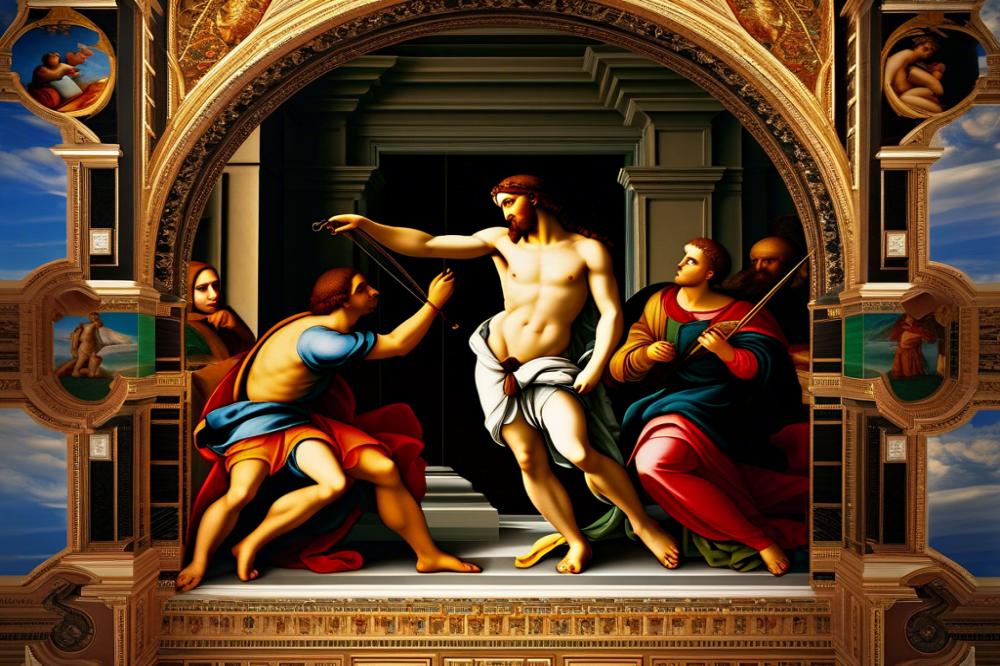
The Italian Renaissance marked a profound period in art and culture, spanning from the 14th to the 17th century. This era emerged from the flowering of humanism, a movement that emphasized the value of human beings and their experiences. Artists sought to revive classical aesthetics, drawing inspiration from ancient Greece and Rome. They challenged traditional approaches, which had been steeped in medieval thought. As a result, a wave of innovation spread across visual arts, setting the stage for what we now recognize as the foundations of modern expression.
Significance of this period cannot be overstated. The artistic techniques developed during those years transformed how artists approached both painting and sculpture. One of the most notable advancements was the use of perspective, allowing painters to create depth in their works. Techniques like chiaroscuro enhanced the play of light and shadow, making images more realistic and engaging. Such developments have directly influenced countless artists in the realm of Modern Art.
Consider the iconic figures of Michelangelo and Leonardo da Vinci. Michelangelo’s sculptures embodied the human form’s beauty and complexity. His work, such as the famous statue of David, showcases not just technical skill but also a deep understanding of the human spirit. Leonardo, on the other hand, was a master of observation. His paintings, like the Mona Lisa, invite viewers to ponder the emotions beneath the surface. Their legacies continue to inspire Modern Artists, reinforcing the enduring power of their creativity. This rich artistic influence has permeated various styles and movements throughout history, ensuring that the essence of the Italian Renaissance lives on today.
Italian Renaissance: A Catalyst for Change
The Italian Renaissance marked a significant transition in the history of art. This period evolved from the late Middle Ages to the beginning of the modern era. It was defined by key elements such as a renewed interest in classical aesthetics, enhanced techniques, and a focus on human emotion. Artists were no longer confined to religious themes alone; they began to explore subjects that reflected the human experience more fully.
During this time, artists like Michelangelo and Leonardo da Vinci emerged as influential figures. They introduced innovative artistic techniques that changed how art was created. perspective became a vital tool for adding depth to paintings. This allowed for a more realistic representation of space and form. Furthermore, chiaroscuro, the practice of contrasting light and shadow, added a dramatic dimension to their work.
Humanism played a crucial role in this transformation. This movement emphasized the value and potential of the individual. Artists were inspired to study nature and human anatomy closely. As a result, their works captured the beauty of the human form in unprecedented ways. Sculptures became more dynamic, with figures appearing lifelike and full of emotion. Painting evolved to depict not only beauty but also the complexities of human life.
The shift from medieval to modern was not merely stylistic; it was philosophical. Artists began to see themselves as individuals with unique ideas. The emphasis on personal interpretation allowed art to flourish in new directions. Many sought to connect their work with the world around them, stepping away from the purely religious or symbolic. This mix of creativity and thoughtful exploration laid down foundations for many modern artistic movements.
In summary, this era catalyzed a change that forever shaped the art world. artistic influence from this time continues to resonate today. The blend of classical knowledge with new ideas opened doors for future generations. By examining human emotions and experiences, artists set a standard that still guides modern creators.
Artistic Techniques and Innovations
The Italian Renaissance was a remarkable period that introduced several artistic techniques that we still appreciate today. Artists explored new methods for capturing the human experience with impressive realism. Techniques such as perspective and chiaroscuro transformed the way figures and spaces were represented in both painting and sculpture.
Perspective allowed artists to create depth in their works. This technique gave the illusion of three dimensions on a flat surface. By using vanishing points, they guided viewers’ eyes into the scene, making it feel more immersive. Modern painters today often rely on these principles to craft their own visually engaging art.
Chiaroscuro, the use of strong contrasts between light and dark, played a significant role during this period. It was primarily used to enhance the three-dimensional quality of figures. This technique adds drama and emotional depth to artworks, influencing artists long after the Renaissance ended. From Caravaggio to contemporary painters, chiaroscuro has left an indelible mark.
Michelangelo and Leonardo da Vinci were masters of blending these techniques into their works. Michelangelo’s sculptural pieces showcase his understanding of anatomy and form, reflecting the ideals of humanism. His sculptures breathe life, demonstrating how light interacts with surfaces. In painting, Leonardo da Vinci perfected the use of sfumato, a technique that creates soft transitions between colors, adding realism and depth.
Moreover, these artists brought classical aesthetics into their masterpieces. They looked back at ancient Greece and Rome for inspiration, which enriched their works and set standards for future generations. Their contributions influenced artistic expression and paved the way for modern approaches to art.
As time progressed, the impact of these techniques continued to evolve. Today’s artists often experiment with light and perspective, echoing those foundational innovations. The principles established during this influential period persist, reminding us of the profound connection between past and present in the world of art.
Sculpture and its Lasting Impact
The evolution of sculpture during the Renaissance marked a significant turning point in the world of art. Artists of that time sought to capture the essence of human experience. They drew from classical aesthetics and focused on realism. This desire for true representation changed how sculpture was perceived and created. Works became more lifelike, showcasing detailed expressions and anatomy. The artistic influence of this period can still be seen today.
Michelangelo’s Work and Influence on Modern Sculptors
Michelangelo stands out as a titan of Renaissance art, particularly in sculpture. His remarkable skill transformed marble into living beings. David and Pietà highlight his mastery of form, proportion, and emotion. Many modern sculptors look to Michelangelo for inspiration. His use of chiaroscuro adds depth and drama to his figures. Those techniques resonate with contemporary artists who aim for similar effects. They still strive to capture the human spirit as he did. Consequently, Michelangelo’s impact can be recognized across various art forms, influencing not just sculpture but painting as well.
The Reintroduction of Classical Aesthetics in Contemporary Sculpture
Today’s artists have re-embraced the principles of humanism and classical aesthetics. They reference the past while creating new works that reflect modern themes. This blend of old and new produces unique pieces that resonate with audiences. Some sculptors experiment with perspective, challenging the viewer’s perception of reality. Others incorporate modern materials and techniques while echoing Renaissance ideals. This fusion creates a dialogue between different artistic periods. Through these methods, the legacy of the Renaissance continues to breathe life into the present day. The pursuit of beauty, balance, and expression remains a goal for many artists.
The Legacy of Italian Renaissance in Modern Painting
The influence of the artistic revolution from centuries ago still resonates in today’s visual expressions. From the bold colors to the intricate details, modern artists draw inspiration from the great masters. Leonardo da Vinci and Michelangelo, in particular, left behind a wealth of techniques that contemporary creators adopt in their work.
Similarities can be spotted when viewing works by artists like Kehinde Wiley. His paintings reflect grandiosity reminiscent of Renaissance portraits. Wiley captures the spirit of humanism and classical aesthetics, portraying subjects with dignity and elegance. This approach echoes the way artists from the past celebrated their figures. Classical techniques breathe life into his contemporary compositions.
Another striking example is the use of chiaroscuro, a technique that emphasizes light and shadow. Contemporary artists like Kara Walker employ this method to create depth and emotion. Her silhouettes often speak to serious themes yet carry a visual impact that reflects the mastery of earlier craftsmen. Shadows in her work draw viewers in, much like Renaissance creations did centuries earlier.
Artists have also embraced perspective, which was a groundbreaking innovation during the Renaissance period. Works by modern surrealists show a deep understanding of spatial arrangement. Think of how perspective tricks the eye in paintings by Salvador Dalí or even in digital art today. This element helps create illusions that challenge the viewer’s perception, proving that the past is never truly left behind.
In sculpture, the legacy remains strong. Contemporary sculptors often reference the three-dimensional achievements of past artists. They mirror the way Michelangelo captured the human form, breathing life into stone. The mastery of anatomy is evident in both Renaissance sculptures and modern works. Such references are not mere copies; they are an evolution of ideas through time.
The ongoing relevance of themes from that era can be seen in the works of many modern creatives. Concepts of beauty, humanity, and the exploration of the self continue to thrive. Artistic influence flows from those classics into modern narratives. Each piece carries a dialogue that connects centuries of expression. Through this lens, current artworks become messages from the past, reinterpreted for today’s audience.
Final Reflections on Artistic Heritage
Enduring Legacy of a Transformative Era
The artistic influence of the Renaissance still resonates today. Painters and sculptors of that time laid the groundwork for techniques still used in modern masterpieces. Many contemporary artists draw inspiration from the emphasis on realism and the exploration of human emotion. Elements such as perspective and composition remain vital to how we understand and create art. It is clear that this period shaped the foundation of our visual culture in countless ways.
The Importance of Historical Study
Delving into the lives of historical artists enriches our understanding of the craft. Learning about their struggles, triumphs, and innovations provides context for the art we create today. These artists faced challenges that parallel those we encounter now. Their stories remind us that creativity flourishes even in tough times. Engaging with their work not only honors their legacy but also inspires future generations.
The Relationship Between Past and Present
Art does not exist in a vacuum; it evolves over time. Techniques and themes from the past influence current artistic movements. This ongoing dialogue between eras allows artists to push boundaries and explore new horizons. In appreciating the beauty of earlier works, contemporary creators find new meanings and influences. Acknowledging this connection invites us to see art as a bridge between histories. Embracing this perspective emphasizes the relevance of our artistic heritage.
In summary, the impact of that significant era continues to shape modern artistry. Reflection on these historical figures not only deepens our appreciation but also fuels creative passions. Ultimately, understanding the past enhances the richness of our present art.

