
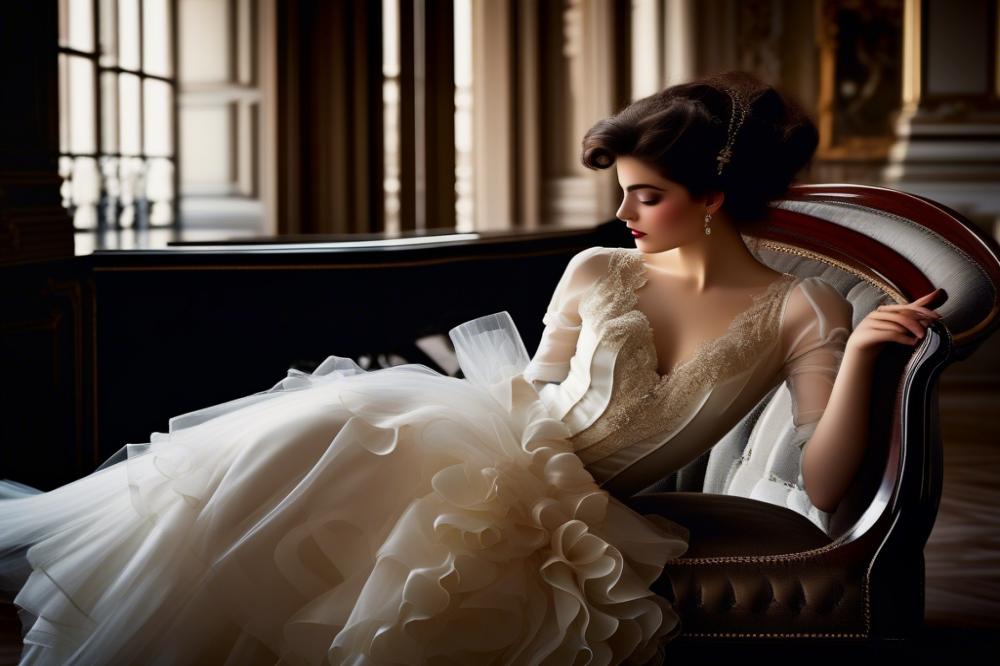
Overview of Giovanni Boldini‘s Life and Career
Giovanni Boldini was an Italian painter born in the 19th century. He became known for his vibrant portraiture that captured the essence of his subjects. Raised in Ferrara, Italy, he moved to Paris, the heart of the art world during the Belle Époque. This period was characterized by cultural flourishing, and Boldini thrived within it. His career spanned several decades, during which he gained fame and respect among his contemporaries.
Significance in Art History and His Connection to the Belle Époque
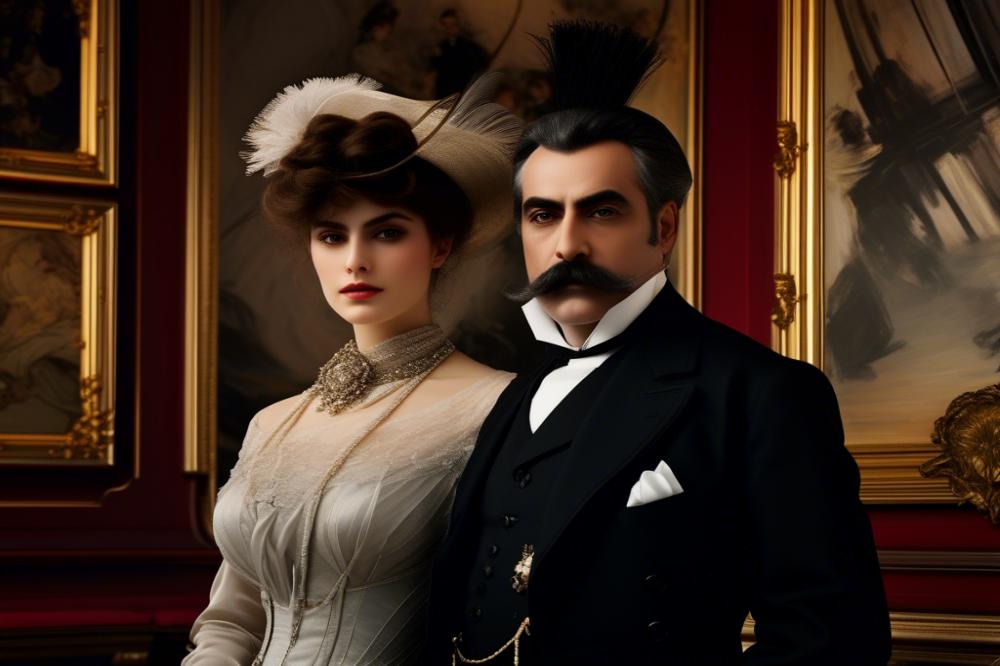
Art history acknowledges Boldini as a pivotal figure of his time. His work embodies the spirit of the Belle Époque, which celebrated luxury, elegance, and innovation. During this era, many artists explored new techniques and themes. Boldini’s unique brushwork and bold use of color helped define the aesthetic movement of the late 19th century. He expertly blended elements of Impressionism with his own style, creating a dynamic approach that resonated with society’s elite.
Context of His Contribution Within the Post-Impressionism Movement
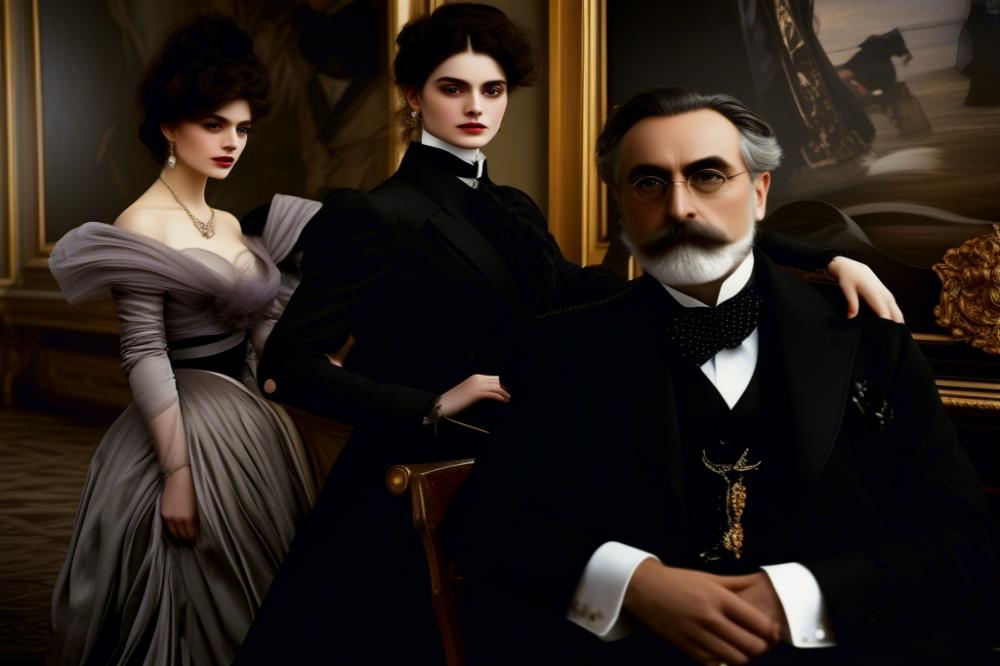
As a representative of Post-Impressionism, his work presents a fascinating dialogue between emotion and representation. This movement sought to push the boundaries of traditional Impressionism, focusing more on the artist’s subjective experience. Boldini embraced this shift, infusing his paintings with a sense of movement and vitality. His ability to convey personality through portraiture stands out distinctly. Each canvas vibrates with energy, inviting viewers into the lives of the depicted characters. Understanding his role in this broader context reveals the transformative power of his art.
Early Life and Artistic Development
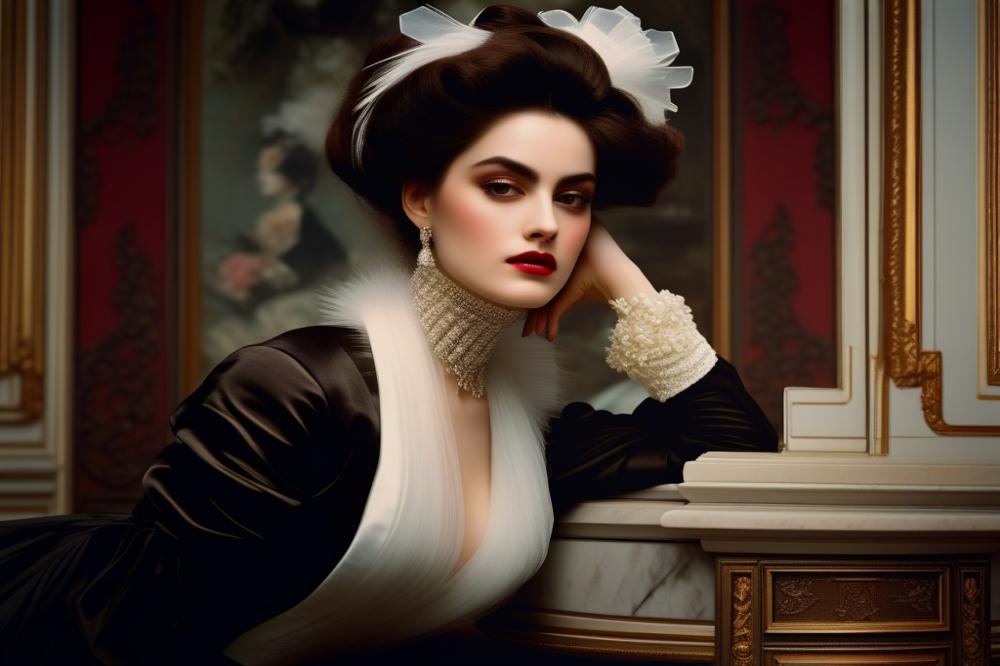
Birth and upbringing in Ferrara, Italy
Born in Ferrara in 1842, Giovanni Boldini came from a family immersed in the arts. His father was a painter, which undoubtedly planted the seeds of creativity in Boldini from a young age. Surrounded by rich history and beautiful architecture, Ferrara served as a stunning backdrop for his early life. The city’s pleasing aesthetics influenced him greatly, shaping his emerging talent.
Early influences and formal training as an Italian painter
During his youth, Boldini was captivated by the works of celebrated Italian artists. He was particularly drawn to the mannerisms of masters like Giovanni Fattori and the Macchiaioli. Their focus on light and color stirred something within him. He pursued formal art education at the Accademia di Belle Arti in Florence. There, he developed his skills in portraiture and refined his brushwork. These experiences were crucial, as they helped him establish a solid foundation in traditional painting techniques.
Journey to Paris and exposure to impressionism
In search of broader horizons, Boldini moved to Paris in the late 1860s. This vibrant city was the heart of the art world at that time. An encounter with impressionism reshaped his artistic vision profoundly. The dynamic palette and free-spirited styles of impressionist artists sparked a revolution in his approach to color. His works began to reflect the lively energy of the Belle Époque, showing a shift toward modernism. Exposure to leading figures of the aesthetic movement introduced him to new ideas and techniques, integrating a sense of movement in his portraits. This evolution marked Boldini’s transition from traditional methods to a more innovative form of expression in the late 19th century.
Distinctive Style and Techniques
The brushwork of Giovanni Boldini stands out in art history. His technique exhibits a fluidity that captivates viewers. Often, it seems as though he captured movement in a single stroke. This approach aligns with the energy of the Belle Époque period. Portraiture is where his talents truly shine. Every subject feels alive and dynamic, as if caught in a moment of conversation.
Color choices in his paintings evoke deep emotions. Boldini’s palette is vibrant yet sophisticated. He utilized bold hues to accentuate the essence of his subjects. The way he applied color enhances the overall atmosphere of his pieces. Viewers can sense the feelings conveyed through every brushstroke and shade.
Influences from impressionism are evident throughout his work. Yet, he blended these elements with aspects of post-impressionism. This combination creates a unique visual experience. Soft backgrounds contrast with sharply defined details, emphasizing the subject’s form. Such juxtaposition showcases both light and dark, enhancing the impact of his portraits.
The aesthetic movement also played an important role in shaping his art. This movement emphasized beauty over function, which resonated with Boldini’s style. His works often prioritized aesthetic appeal, drawing the viewer into a world of glamour and elegance. As a talented Italian painter of the 19th century, he became a master of portraying high society in engaging ways.
Modernism’s influence subtly weaves through his creations. Boldini’s ability to capture character, combined with his innovative techniques, makes his work timeless. Those who explore his art find a compelling blend that feels fresh even today. Each piece tells a story, inviting viewers to connect on multiple levels.
Portraiture in Boldini’s Work
Boldini’s approach to portraiture stands out in the realm of art history. He utilized fluid brushwork and vibrant color to capture his subjects’ personalities with remarkable depth. This Italian painter embraced the qualities of impressionism, yet his technique transcended typical styles. The result was a distinctive aesthetic, reflecting the elegance of the Belle Époque period.
Many famous portraits emerged from his studio. Among his notable subjects were prominent figures of the 19th century, including socialites and artists. Each painting tells a story, emphasizing the subjects’ individuality and status. For instance, his portrait of the exquisite actress, Madame X, showcases not only her beauty but also her poised demeanor. Such works created lasting impressions on society.
The cultural significance of Boldini’s portraits cannot be overlooked. They represent a time when the aesthetic movement flourished, celebrating glamour and sophistication. These artworks were more than mere likenesses; they served as reflections of contemporary values and aspirations. Boldini captured the shifting dynamics of a rapidly changing world, aligning his work with emerging trends in modernism. His portraits connect personal identity and societal roles, showcasing a unique perspective on 19th-century life.
Legacy and Influence
Boldini played a crucial role in the transition to modernism. His work showcased a striking blend of traditional portraiture and innovative techniques that paved the way for future artists. The fluidity of his brushwork captures movement and energy in a way that was quite revolutionary for the 19th century. This evolution in technique divorced itself from strict realism, leading art into a new era defined by expression rather than mere representation.
Subsequent generations of artists found inspiration in his vibrant use of color. They admired how he combined elements from impressionism and the aesthetic movement, creating a unique visual language. Many were drawn to his ability to capture the glamour of the Belle Époque, as well as the personality of his subjects. His portraits continue to influence modern portrait artists who strive to convey emotion through dynamic stroke and color contrasts.
Recognition and Exhibitions
Today, galleries around the world celebrate his legacy. Major exhibitions showcase his works, allowing contemporary audiences to appreciate his impact on art history. Institutions recognize him not just as an Italian painter but as a pivotal figure who bridged classic styles with fresh, modern ideas. The increasing number of retrospectives indicates a rising interest in his contributions.
Frequent exhibitions draw attention to the unique aspects of his style. Viewers often remark on the way his paintings seem to come alive, reflecting the vibrancy of life during his time. This continuing interest illustrates how his work resonates even in the present day, influencing not only enthusiasts of art but also upcoming artists seeking to find their own voice in modern art.
Final Reflections on Boldini’s Impact
Summary of Contributions
Giovanni Boldini made significant strides in the world of art. His portraits captured the essence of the elite in a way that few could match. Boldini’s vibrant brushwork and flowing lines brought life to his subjects. By blending realism with elements of Post-Impressionism, he crafted a dynamic style. His innovative approach to capturing movement and emotion set him apart from his contemporaries.
Lasting Legacy Among Italian Painters
When one considers famous Italian painters, Boldini’s influence is undeniable. He carved out a distinctive place in the history of art, leaving a mark that resonates today. Many artists have drawn inspiration from his ability to merge traditional techniques with modern sensibilities. The elegance he portrayed continues to inspire both admiration and emulation in various artistic circles.
Significance in Art History
Exploring post-impressionism within art history reveals how essential Boldini’s work is. His unique style not only celebrated the subjects but also advanced the medium of portraiture. The emotional resonance and sophisticated aesthetic he wielded remain relevant. In a time of rapid change, he captured a specific era’s essence. This achievement highlights how art evolves, yet retains connections to the past.
Boldini’s work stands as a testament to what can be achieved with vision and skill. His legacy encourages future generations to explore the boundaries of art. As we reflect on his contributions, it becomes clear that his unique approach carved a permanent niche in the landscape of art history.

