

Introduction
Gustav Klimt holds a significant place in the narrative of art history. Known for his distinct style, his works often reflect an alluring blend of elegance and depth. Klimt’s creations captivate viewers, letting them explore emotions that resonate deeply. His artistic journey led him to explore themes of love, desire, and the human form, which remain relevant even today. Each canvas he produced invites onlookers to step into a world where beauty reigns supreme.
Italian influences shaped much of Klimt’s artistic vision. He admired Italian Renaissance art, a period known for its rich colors and dramatic expressions. The splendid mosaics of churches and the romanticism of classical themes peeked into his work as well. This connection to Italy may have sparked his fascination with the human body and its sensuality. Italian artists like Titian and Botticelli undoubtedly left an imprint on his style, further enhancing his unique vision.
Sensuality emerges as a dominant theme in his masterpieces. The way he portrays the human figure can be described as both intimate and provocative. Bodies intertwine in a dance of form and color, challenging viewers to confront their perceptions of beauty and desire. Klimt’s work does not shy away from exploring the complexity of human emotions and relationships. There’s a certain magic that happens in his paintings—an invitation to the beholder to unlock layers of meaning.
Through examining these elements, one can appreciate the distinct artistic voice of Klimt. His Italian connections and exploration of sensuality offer a rich field for discovery. This article delves into these themes, unearthing the depths of #anchor_text_1# and their far-reaching implications. Embrace this journey as we explore the passions interwoven within Klimt’s art. It’s time to understand how his sensuality impacts our view of the human experience and the beauty that stems from it. The #anchor_text_2# will guide us through this fascinating endeavor.
The Artistic Evolution of Gustav Klimt
Gustav Klimt was born in 1862 in Baumgarten, a suburb of Vienna. His upbringing was steeped in artistic influence. His father was a gold engraver, which likely sparked an early interest in art. Many of Klimt’s childhood experiences shaped his understanding of color and form.
During his early artistic training, Klimt honed his skills at the Vienna School of Arts and Crafts. There, he encountered various styles and techniques that would leave a mark on him. He initially worked as a decorative painter, creating murals and ceiling artworks. This experience allowed him to explore different themes and methods, laying the groundwork for his future masterpieces.
Gradually, Klimt developed his own vision, moving away from traditional approaches. His works began to reflect personal emotions and sensual themes. This shift became evident in the 1890s when he co-founded the Vienna Secession. This movement aimed to challenge conventional art and promote innovative ideas. Klimt’s involvement with like-minded artists encouraged his expressive style.
Gustav Klimt’s paintings are often characterized by their raw sensuality. An elaborate mix of gold leaf, intricate patterns, and vivid colors brings his subjects to life. Female figures frequently dominate his work, exuding a magnetic allure. One can perceive a sense of intimacy in his portrayals; he captures not just the form but also the spirit of his subjects. Many believe that these luxurious elements create an atmosphere of dreamlike beauty.
The Italian connections in Klimt’s life further influenced his artistic direction. Traveling through Italy exposed him to Byzantine mosaics and Renaissance art. These experiences deepened his appreciation for decorative arts, inspiring his famous gold period. Klimt successfully melded these influences into his personal aesthetic, enriching his artistic palette.
His ability to combine ornamental details with compelling narratives makes Klimt’s art stand out. Sensuality is not merely an accessory; it’s interwoven with every brushstroke. This distinctive approach allows viewers to connect with the deeper meanings behind his work. Klimt invites audiences into a world where beauty and emotion intertwine seamlessly.
Klimt’s Italian Influences
Klimt’s journeys to Italy played a crucial role in shaping his artistic vision. He traveled to cities like Venice and Florence, where he encountered the works of Renaissance masters. These experiences left a significant mark on his style and sensibility.
The Italian art movements of the late 19th century had their own flavor. Symbolism, known for its focus on dreams and ideas, resonated deeply with Klimt. The profound emotional depth found in these works influenced him dramatically. Additionally, the Italian emphasis on decorativeness and pattern aligns well with Klimt’s own artistic tendencies.
Key artists from Italy held immense sway over Klimt’s development. The works of Sandro Botticelli captivated him, especially their ethereal qualities and use of line. Raphael’s masterful compositions sparked a desire in Klimt to experiment with new forms of narrative in his pieces. Furthermore, Titian’s bold colors inspired Klimt’s later palette choices.
Klimt did not just admire these greats; he absorbed their ideas. Art was not merely a profession for Klimt; it was a passionate dialogue with history. This back-and-forth helped him craft a personal language that still communicated the beauty and sensuality he found so alluring.
A closer look at Klimt’s “The Kiss” reveals this influence. The ornate patterns and rich textures are reminiscent of Italian decorative arts. Each layer of gold leaf and intricate design echoes the opulence found in some Italian masterpieces.
Moreover, Klimt’s fascination with the female form connects him to Italian influences. Artists like Michelangelo celebrated the human body with grace and grandeur. Klimt carried this tradition forward, rendering his figures with both tenderness and eroticism.
It is clear that Italy not only inspired Klimt but also challenged him to redefine his own artistry. His work transcended mere imitation. Instead, the Italian aesthetic blended beautifully with his unique vision, creating a vibrant tapestry of emotion and sensuality.
Themes of Sensuality in Klimt’s Work
Gustav Klimt’s paintings resonate with themes of sensuality. These aspects often overshadow other elements in his art. Many viewers find themselves captivated by the allure of his subjects. Passionate embraces, intimate glances, and lush settings create a strong emotional impact.
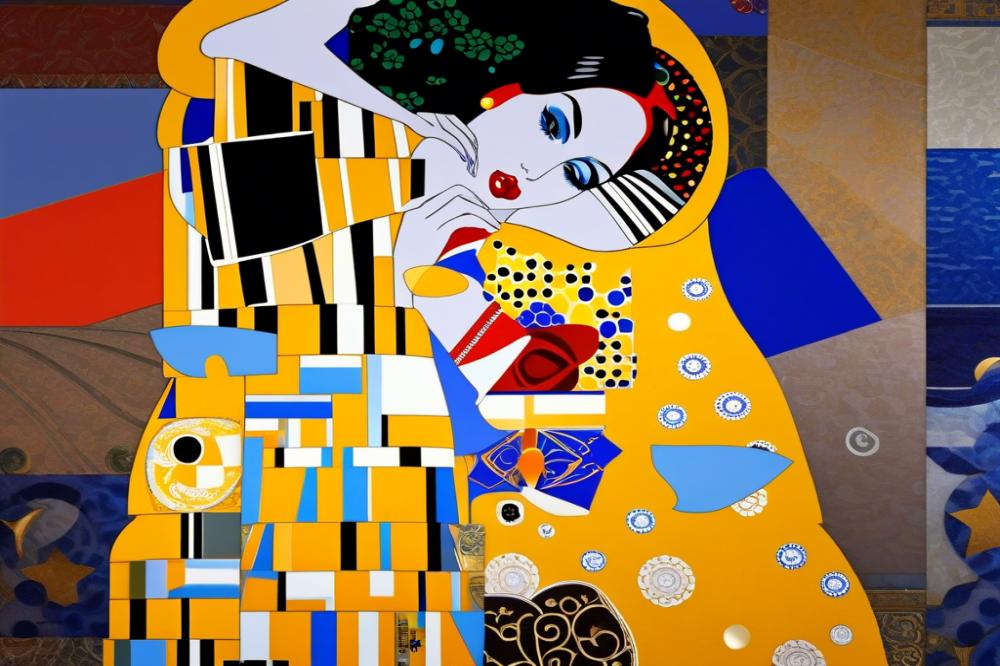
One of the most prominent works that embodies this sensuality is “The Kiss.” In this painting, two lovers are entwined in a golden embrace. The use of gold leaf enhances their passionate moment, creating an almost otherworldly glow. It seems that time stands still as they connect on multiple levels—physically, emotionally, and spiritually.
Another remarkable example can be found in “Portrait of Adele Bloch-Bauer I.” The subject exudes a sense of power and sensuality. Elegance and rich patterns adorn her, blending intimacy with a lavish display. Klimt’s brushwork captures the softness of her skin while the intricate details of her gown create a visual feast for the eyes.
Notably, Klimt often explores the female form in a way that stands out among his contemporaries. He doesn’t shy away from portraying the beauty and complexity of women. By doing this, he elevates sensuality to a form of art that celebrates femininity. His approach challenges societal norms of his time and pushes boundaries.
When comparing Klimt to other artists, it’s intriguing to consider Egon Schiele. Schiele’s work often delves into raw emotion, showcasing bodies in various states of undress. While Schiele’s subjects often appear more angular and less idealized, their expressions reveal stark vulnerabilities. Both artists are captivated by sensuality, yet they depict it through contrasting lenses. Klimt presents an opulent vision while Schiele leans toward the stark realities of human emotion.
Munch, another contemporary, also tackled similar themes. His “The Kiss” captures a fleeting moment of connection but emphasizes the tension at the same time. Through distorted figures and intense colors, Munch explores love intertwined with conflict. Klimt’s work, however, leans more toward harmony and beauty, leading viewers to a place of solace.
Overall, Klimt’s art portrays sensuality in a manner that combines beauty and intimacy. His paintings invite viewers to explore deeper emotions while enjoying visual splendor. They reveal not just moments of passion but an understanding of the human experience.
Klimt’s Legacy and Its Italian Connections
Gustav Klimt’s artwork has found resonance far beyond his native Austria. When viewed in the context of Italian art, one can see both influences and inspirations. The bold colors and sensual themes in his pieces echo some elements of Italian baroque and renaissance styles. Artists in Italy reflected on Klimt’s use of gold leaf and his exploration of the female form. His innovative approach to portraiture has left a mark that many modern Italian artists admire.
After Klimt’s era, exhibitions across Italy began to showcase his influence. In cities like Venice and Milan, galleries displayed collections that included works inspired by his style. These exhibitions often highlighted a transnational dialogue between Klimt and Italian artists. Both painters and sculptors recognized the power of his emotive designs and unique compositions. This admiration resulted in a resurgence of decorative art movements, which embraced Klimt’s vision.
Analysis of his impact reveals a complex narrative. In Italy, Klimt’s work sparked a wave of artistic experimentation. Contemporary artists drew inspiration from his intricate use of patterns and symbols. They interpreted his focus on sexuality and human emotion through their own cultural lens. Art schools incorporated his methods into their curriculum, intertwining his techniques with traditional Italian practices.
Globally, Klimt’s legacy resonates in numerous artistic circles. His distinctive style has influenced artists across Europe and beyond. The global art scene has embraced his themes of intimacy and femininity. Many modern artists cite Klimt as pivotal in shaping their work. The dialogue between Klimt and the contemporary Italian art scene continues to thrive. It is evident that his works maintain a significant relevance in discussions of modern art today.
Klimt’s contributions have created pathways for future generations. The sensuality displayed in his paintings invites ongoing analysis and appreciation. It seems that his presence in the art world transcends conventional boundaries. Those who seek to understand both intimacy and artistic expression will find Klimt’s work invaluable. He remains a crucial figure whose influence stretches across continents and generations.
Wrapping Up Klimt’s Artistry and Influence
Klimt’s contributions to art are significant and profound. He created a fascinating blend of sensuality and emotion that remarkably changed perceptions of beauty. His work pushed boundaries, exploring themes of desire, intimacy, and the human experience. Through intricate patterns and dashing colors, Klimt captured the essence of his subjects while inviting viewers into their intimate worlds.
The artist’s connections to Italy were vital in shaping his vision. Influences from the Renaissance masters can be seen in his approach to composition and symbolism. His time in Italy, studying the great works of art, helped him refine his techniques and explore new creative avenues. This relationship with Italian art enriched his style and allowed him to create something truly remarkable.
Thinking about Klimt’s legacy, one can see that his work endures in the modern art landscape. Many contemporary artists draw inspiration from his unique style, reflecting his significant impact on today’s visual culture. As we appreciate #anchor_text_3# and the depth of his artistic expressions, it’s clear that Klimt’s fascination with the sensuality of the human form remains influential.
Ultimately, Klimt created an artistic dialogue that still resonates. His ability to convey profound emotions through visual art has left a lasting mark. The sensuality in his pieces continues to evoke strong reactions from audiences, showcasing his exceptional talent. Klimt’s legacy is one of beauty and exploration, making it essential for future generations to study and appreciate his contributions. Exploring the interplay of love and artistry, we find a timeless relevance in the world of art. He will always be remembered for his extraordinary visions and rich connections to the realms of beauty, like the compelling narratives behind #anchor_text_4#.

