
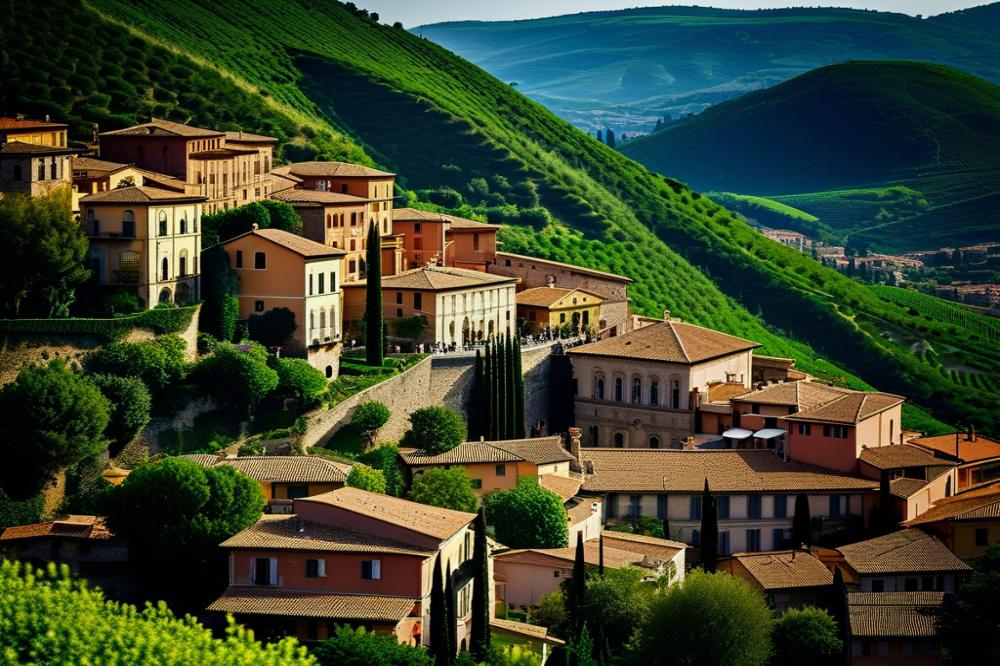
Exploring the Historical Significance of Albano Laziale
Albano Laziale stands out as a significant historical town nestled in Italy‘s picturesque Castelli Romani region. This charming locale is rich in cultural heritage, interwoven with centuries of history. Visitors often find themselves enchanted by the remnants of an ancient past and vibrant local life.
A stroll through this town offers a glimpse into its storied history. Once an important site during the Roman Empire, Albano Laziale played a pivotal role in the development of the surrounding countryside. Many historical sites dot the landscape, beckoning explorers and history enthusiasts alike. The remnants of Roman ruins and classical architecture reveal tales from a bygone era.
Its natural beauty complements the historical allure. The area is dotted with serene lakes that provide a perfect backdrop for relaxation and exploration. Tourists flock to these spots, enjoying the blend of nature and history. Wine enthusiasts also find joy in the local vineyards, where they can sample exquisite wines produced in the region.
Culture thrives in Albano Laziale. Festivals celebrating its rich heritage occur throughout the year, drawing visitors from near and far. Traditional cuisine further enhances the experience, offering flavors that reflect centuries of culinary evolution. The architecture, from ancient churches to elegant palaces, provides a beautiful canvas illustrating the town’s journey through time.
In summary, this key town in the Castelli Romani effortlessly blends its rich history and vibrant culture. The combination of stunning natural landscapes, historical sites, and exquisite wine makes it a unique destination worth discovering. Albano Laziale invites everyone to step back in time and appreciate all that this enchanting region has to offer.
Historical Background
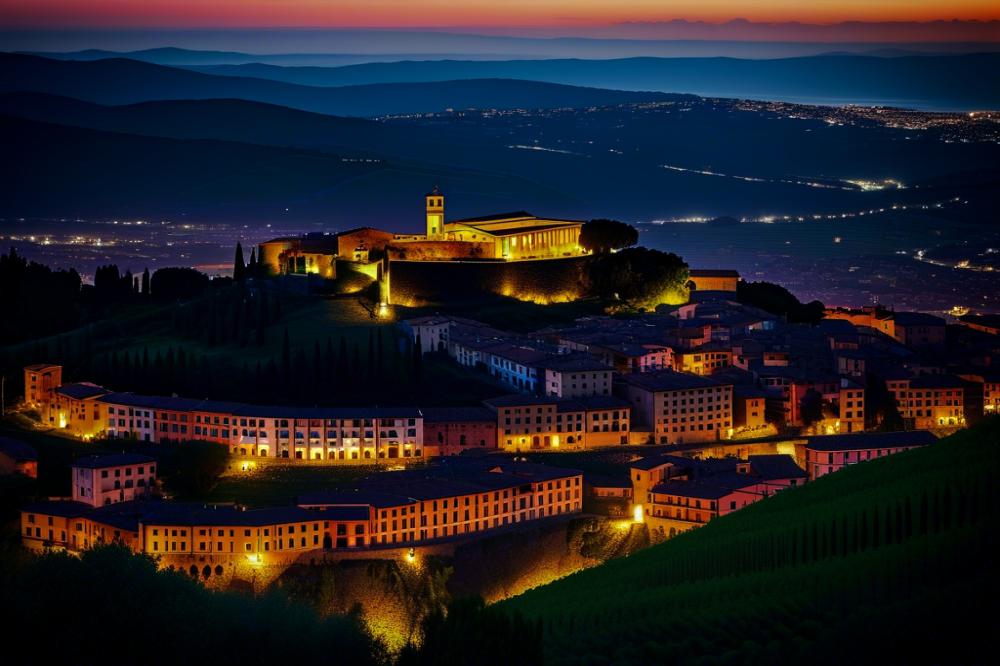
Albano Laziale has deep roots in the ancient history of Italy. It began as a significant location in the Roman countryside. Historical records suggest its importance during the Roman Empire. The town is mentioned in various classical texts, illustrating its vibrant past. Originally known as Alba Longa, it played a key role in early Roman mythology. This mythic city is said to have been the birthplace of Romulus and Remus, the legendary founders of Rome.
Archaeological finds enhance our understanding of this area. Remains from ancient temples and villas showcase impressive architecture from centuries ago. These sites speak volumes about the culture and daily life of those who lived there. Notably, the ruins of the Temple of Diana draw historians and curious visitors alike. These historical sites reflect the town’s once grand stature in the region.
Over time, Albano Laziale evolved, becoming a retreat for Roman aristocrats. They valued its beautiful lakes and pleasant climate. This transformation marked a significant shift in its cultural landscape. During the Middle Ages, the area faced challenges but also celebrated various developments. The structure of the town changed significantly, especially with the building of fortified walls and churches.
Tourism is now a crucial part of the local economy. Visitors come to explore its history and admire the heritage that remains. Many travelers are captivated by the stunning architecture and historical significance. The region’s wine production adds to its appeal, attracting those interested in gastronomy alongside history.
Modern Albano Laziale serves as a bridge between its ancient roots and contemporary life. The ongoing preservation of historical sites ensures that future generations can connect with the past. As people stroll through its narrow streets, they can sense the layers of history that define this charming town.
Cultural Heritage
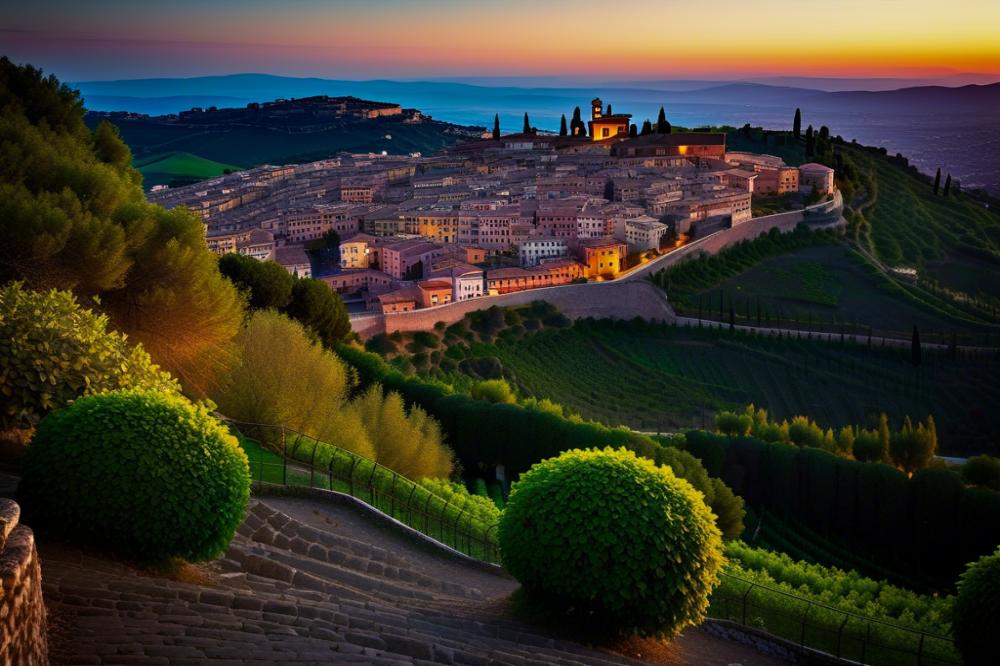
Albano Laziale holds a distinctive spot in Italy’s cultural landscape. This town embodies layers of history dating back to ancient Roman times. Located in the picturesque Roman countryside, it has preserved many traditions that reflect its rich past.
One of the most celebrated festivals is the “Sagra dell’Uva,” which honors the local grape harvest. This event brings the community together, showcasing the area’s renowned wines. Wine production has deep roots in the region, and the festival attracts many tourists. Visitors can taste various wines while enjoying local delicacies and entertainment.
Architecture in the town reveals tales from different eras. Historical sites, such as the Palazzo Savelli and the Cathedral of San Pancrazio, draw attention for their artistic expression and beauty. Each building tells a story, linking the present with the past. Many structures feature influences from the Roman civilization, making them significant for students of history.
The lakes surrounding Albano enrich the cultural experience. These natural landscapes not only serve as a backdrop for leisure activities but also play a crucial role in local traditions. People gather by the lakes to celebrate life, enjoy picnics, and hold various events throughout the year.
Customs here often reflect a blend of influences from past civilizations. Local artisans continue to practice traditional crafts, ensuring that these skilled techniques are passed down through generations. This dedication to heritage creates a vibrant, living culture that thrives alongside modern life.
Tourism in this area depends heavily on its cultural offerings. Visitors can participate in guided tours that highlight both the natural beauty and the historical significance of the town. Engaging with the culture allows tourists to appreciate the layered stories that define Albano Laziale.
Architectural Marvels
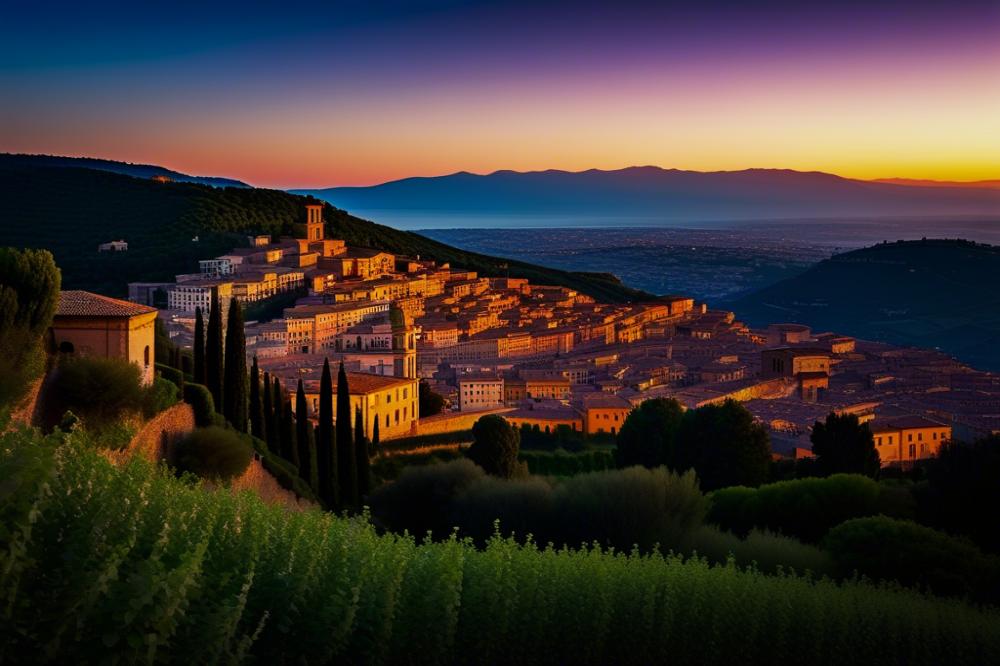
In the serene setting of the Roman countryside, the architecture of Albano Laziale reflects a rich tapestry of history and culture. This small town is dotted with historical sites that invite visitors to explore its past. Numerous buildings showcase various styles from different periods, making it a treasure trove for architecture enthusiasts.
One standout structure is the Cathedral of San Pancrazio. This church, with its majestic façade and intricate interior, dates back to the 12th century. Remarkably, it features frescoes that portray biblical scenes, captivating worshippers and tourists alike. Visitors often marvel at its campanile, which rises proudly above the surroundings.
Another architectural gem is the Palazzo Savelli, a striking example of Renaissance design. Once a noble residence, this stunning palace still captures the eyes of passersby. Its grand staircases and beautiful courtyards recall a time of elegance and power that characterized noble families in Italy.
Ruins from the ancient Roman era also add to the area’s allure. Remnants of the Roman amphitheater tell tales of entertainment and social gatherings in Roman times. These ruins provide a fascinating glimpse into life centuries ago and enhance the overall historical narrative of the town.
The lakes in the area, like Lake Albano and Lake Nemi, have historical importance too. They were favored by Roman aristocrats, who built luxurious villas along their shores. The architectural remnants near these lakes remind us of the opulence of ancient times while remaining a popular spot for tourism today.
Along with these famous sites, local wine cellars boast architecture as well. Many of them combine rustic charm with modern design. Wine lovers visiting these establishments can explore exhibits that display the region’s rich viticulture and enjoy tastings of exceptional local wines.
Visitors to Albano Laziale often highlight the magical blend of history and architecture. Churches, palaces, and ancient ruins coexist in harmony, telling stories of a vibrant past. Each structure contributes to the beautifully preserved heritage that defines this charming town.
Natural Attractions
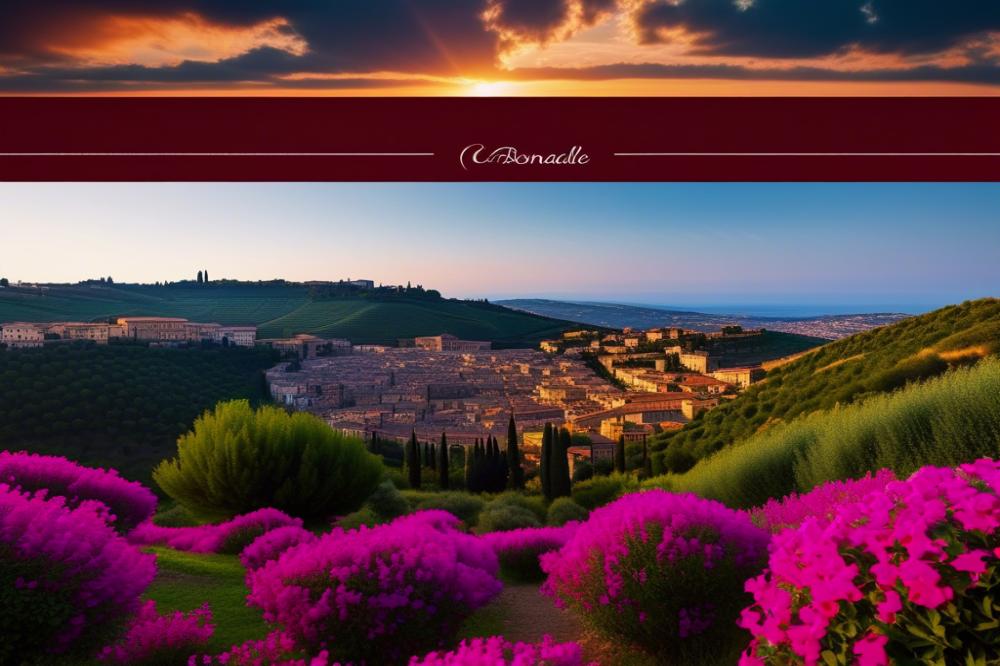
Surrounded by stunning landscapes, the area near Albano Laziale offers breathtaking beauty that draws visitors from all around. Iconic lakes like Lake Albano and Lake Nemi are significant natural jewels of this region. These bodies of water are not just picturesque; they are essential to the local ecosystem and provide recreational opportunities for tourists.
The Roman countryside presents a remarkable backdrop for outdoor activities. Hiking and biking trails meander through lush hillsides, giving adventurers an up-close look at the area’s diverse flora and fauna. Many seek the rich history embedded in the landscapes, where ancient stone pathways often tell tales of long-gone civilizations.
Nearby historical sites enhance the charm of this region. Visitors can explore the remains of Roman villas scattered across the hills, all while enjoying panoramic views of the valleys below. The culture here is tightly interwoven with the land, making it a true reflection of Italy’s heritage.
In the heart of the countryside, vineyards flourish. The local wine produced reflects the artistry of generations. Each sip transports you through a journey of flavors, unique to the region’s soil and climate. Wine festivals often bring both locals and tourists together, celebrating the agricultural bounty and vibrant culture.
Adventure often awaits at the lakes. Watersports like sailing and kayaking attract enthusiasts eager to enjoy the serene environment. Picnicking by the shores or hiking around the banks creates experiences that blend relaxation with exploration.
Cascading hills and valleys create a patchwork of stunning landscapes. The interplay of light and shadow across the terrain changes throughout the day. Nature walks invite people to bask in this beauty, where the charm of the countryside complements the impressive architecture of historical sites.
A thriving tourism sector thrives on the allure of these natural attractions. Visitors find themselves enchanted by the rhythmic sounds of nature, coupled with the palpable sense of history that echoes through every trail and lakeshore. This blend of natural wonder and cultural richness is what sets the area apart.
Tourism and Wine
Visitors flock to Albano Laziale for a glimpse of Italy’s stunning Roman countryside. This town, rich in history, offers numerous attractions that highlight its cultural significance. Historical sites such as the charming Palazzo Savelli and the ruins of ancient Roman villas are popular stops. Tourists often enjoy exploring the picturesque lakes, which provide a perfect backdrop for relaxation and leisure activities.
Architectural wonders abound in the area. Many buildings showcase a blend of medieval and Renaissance styles, inviting travelers to appreciate the craftsmanship. While walking through the narrow streets, guests can find quaint shops and eateries that offer local delicacies. Culinary experiences play a significant role in drawing tourists eager to savor authentic Italian dishes.
The heritage of Albano Laziale extends to its wine culture. The region is known for producing delicate wines that pair well with its regional cuisine. Local wineries open their doors to visitors for guided tours and tastings. This interaction with the winemakers allows guests to learn about traditional production methods and the unique grape varieties specific to this part of Italy.
Wine festivals celebrate this long-standing tradition. Each year, locals host events where folk music, dance, and food come together to honor the region’s viniculture. These festivals attract both locals and tourists, providing an immersive experience that showcases Albano Laziale’s rich cultural landscape.
Opportunities for wine lovers abound in the surrounding countryside. Vineyards stretch as far as the eye can see, with many offering beautiful views of the hills. Visitors can enjoy sipping wine under the gentle sun while taking in the serene landscapes. The well-preserved natural environment adds to the charm of this region.
A trip to Albano Laziale offers so much more than just sightseeing. The blend of history, culture, and stunning architecture creates a memorable experience. Whether exploring historical attractions or tasting locally-produced wine, every moment can be enriching. Engaging with the community enhances the visit, making it a truly enjoyable getaway for everyone.
Final Thoughts
Exploring the historical depths of Albano Laziale reveals a tapestry of rich culture and enduring architecture. This town serves as a vital piece of the larger Castelli Romani region. Visitors can appreciate its ancient roots, which vividly reflect Italy’s fascinating past.
Key landmarks, such as the remnants of the ancient Roman villas, illustrate the area’s historic significance. These sites invite people to pause and reflect on the lives of those who once walked these streets. Preserving such locations is crucial for understanding the broader history of the region.
Traveling to Albano means immersing oneself in a landscape where every corner tells a story. The unique blend of natural beauty and architectural grandeur captivates many. Tourists should take every opportunity to explore the charming streets and local traditions.
If you find yourself wandering the beautiful hills of the Castelli Romani, don’t overlook this gem. Albano Laziale stands as a testament to the resilience of history. Engaging with its past inspires a deeper appreciation for cultural heritage.

