
Introduction
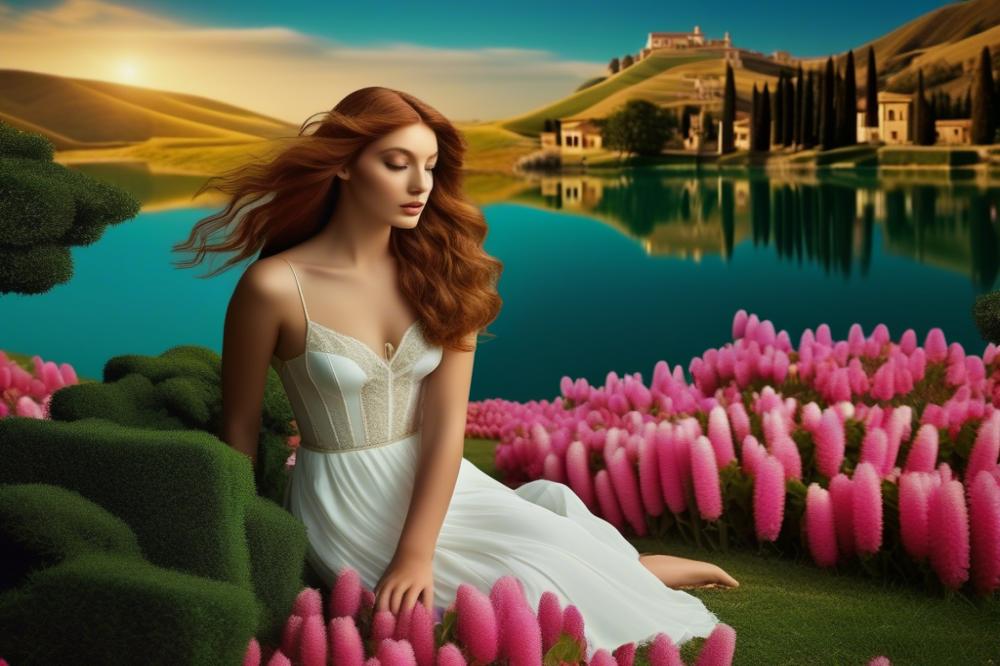
Sandro Botticelli stands as a prominent figure in the world of Renaissance art. A painter from Florence, he played a crucial role in shaping the aesthetics of his time. Many admire his works for their dreamlike quality. Surreal landscapes often serve as backdrops for his famous mythical figures. He brought classical mythology to life through enchanting imagery.
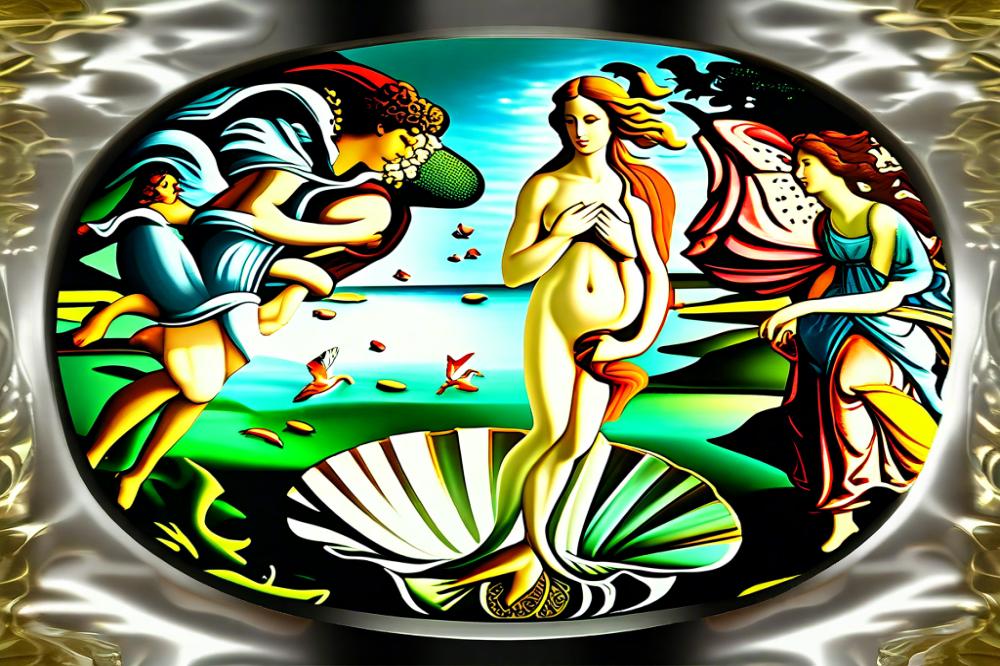
Two of his most celebrated pieces, Primavera and The Birth of Venus, exemplify his distinctive style. In Primavera, the viewer is captivated by a blend of vibrant flora and ethereal beings dancing across the scene. Meanwhile, The Birth of Venus showcases the beauty of the goddess emerging from the sea, a vision of grace and serenity. Each painting offers a glimpse into a world where nature and mythology intertwine.
His landscapes convey a sense of wonder, drawing the eye into realms that feel both real and dreamlike. Botticelli’s brushstrokes tell stories that resonate with feelings and dreams. The integration of human emotion within his compositions adds depth to the visual experience. Through this blending, he carved a unique niche within the rich tapestry of Renaissance art.
Admiration for Botticelli persists today. His works speak not only to the beauty of the natural world but also to the timeless narratives of mythology. People continue to find inspiration in his ability to transform the ordinary into the extraordinary. His contributions remain a vital part of art history, inviting each new generation to explore the realms of beauty and imagination.
Botticelli’s Renaissance Context
The Renaissance was a vibrant period that spanned from the 14th to the 17th century. This era marked a significant revival of classical ideas and aesthetics. Many artists looked back to ancient Greece and Rome for inspiration. Among these was a notable painter whose works defined much of Florentine art.
Classical ideals influenced various aspects of Renaissance life, especially in the realm of art. Artists began to adopt principles that emphasized beauty, proportion, and harmony. Landscapes became more than mere backdrops; they transformed into surreal settings that evoke emotion. Meanwhile, figures like Venus occupied an important space within these compositions, celebrating beauty and love.
Humanism played a pivotal role during this time. This intellectual movement prioritized the study of humanities, focusing on human potential and achievements. Consequently, themes in art shifted to explore more personal and relatable subjects. The focus on mythology was common, as seen in works like “Primavera.” Such pieces often presented a mix of classical myth and modern interpretation, fostering a deeper connection with the audience.
Every element in Botticelli’s paintings told a story. The vibrant landscapes invite viewers to step into a dreamlike world. Mythical figures became symbols of deeper human experiences. In each of his works, the synthesis of classical knowledge and contemporary thought shines through. The combination of beauty and meaning ensures that these pieces resonate even today.
Art during the Renaissance was not just about aesthetics; it was about expressing the full range of human experience. The unique blend of mythology and real-world feelings encouraged viewers to explore their own ideas of beauty and desire. For Botticelli, depicting these themes allowed him to capture the essence of his time, shaped by both classical pasts and a burgeoning focus on the human experience.
Dreamlike Landscapes in Botticelli’s Works
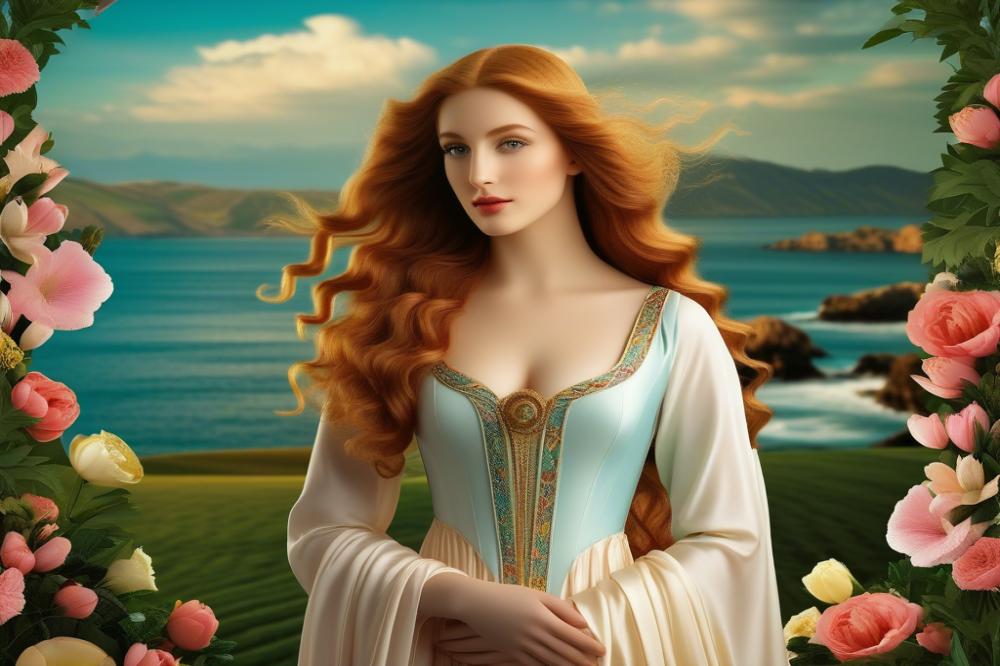
The ethereal landscapes that fill many of his artworks captivate viewers. Surreal elements blend seamlessly with classical aesthetics. Vibrant colors and the use of light create an almost otherworldly atmosphere. In paintings like “Primavera,” soft pastels harmonize with rich greens to evoke a dreamlike quality. Such choices draw the eye into a world that feels both familiar and detached from reality.
One cannot overlook the way in which composition plays a vital role. Figures often seem to float above the ground, their forms nestled within lush surroundings. The backdrop of “The Birth of Venus” exemplifies this technique beautifully. Here, sky blue waters and gentle waves contrast sharply with the delicacy of Venus herself. This painter’s ability to intertwine the figure with the landscape creates a sense of unity between the two.
The Florentine environment influenced Botticelli’s interpretation of nature. Surreal landscapes often reflect an idealized vision of the world. Trees arch gracefully, leading the eye towards the horizon. Flowers bloom in unnatural colors, enhancing the enchanting feel. These elements work together to transport the viewer to a realm that transcends the ordinary.
Light also plays a compelling role in crafting the dreamscape. Shadows are soft, and illumination feels diffused. This effect allows for a gentle interplay between light and dark, enriching the overall scene. In “La Primavera,” the gentle lighting evokes a tranquil moment suspended in time. The atmosphere breathes serenity; the viewer feels as if they have stepped into a fantasy.
Each painting teems with mythological narratives, further enhancing the surreal quality. Botticelli’s skillful blending of myth and landscape invites contemplation. By featuring figures such as Venus and her companions, he transforms the backdrop into a living part of the story. Nature becomes a character in its own right, echoing the emotions of those depicted.
The cumulative effect of these elements creates a unique experience for those who gaze upon his works. Surreal landscapes invite contemplation; they draw one into deep reflection. Through careful color choices, a harmonious balance between figure and ground, and thoughtful light application, he shapes an unforgettable vision of beauty. Art lovers recognize this ability as a hallmark of the Renaissance. The dreamlike quality remains a testament to the painter’s extraordinary talent.
Mythical Figures: The Embodiment of Themes
Sandro Botticelli’s art captivates viewers with a vivid depiction of mythical figures. The painter was deeply inspired by classical themes. His portrayal of Venus stands out prominently. As the goddess of love and beauty, she embodies ideals celebrated during the Renaissance. Her presence in works like “Primavera” and “The Birth of Venus” creates a surreal atmosphere that invites interpretation.
In “Primavera,” Venus is central to the composition. Surrounded by multiple deities and mythical beings, her figure symbolizes harmony and nature’s abundance. This Florentine masterpiece radiates joy, inviting viewers to appreciate beauty in all forms. Nature and love intertwine seamlessly, illustrating Botticelli’s understanding of human emotion. The figures execute a dance of life, a celebration of the season and fertility.
“The Birth of Venus” presents a fascinating scene. Venus emerges from the sea, a symbol of sublime beauty. She stands on a shell, an object that suggests both purity and the idea of birth. The colors dance around her. Soft pastels coexist with vibrant greens, enhancing the dreamlike quality. Each detail reflects the notion that beauty can be ethereal yet grounded in nature.
Symbolism plays a critical role in these works. For instance, the flowers in “Primavera” represent the fleeting nature of life. Meanwhile, the wind spirits, Zephyrus and Aura, suggest movement and change, a reminder of time’s passage. Botticelli successfully intertwines myth with the human experience. The interaction of divine beings captures essential themes intertwined with human emotion. His landscapes serve as a backdrop, emphasizing the connection between earthly life and mythical realms.
Through such artworks, themes of love and nature emerge. The interplay of figures generates a sense of harmony, a delicate balance of aesthetics. People drawn to art find solace in Botticelli’s creations, unveiling layers of meaning and emotion. The ideals of the Renaissance flourish through these divine portrayals, marrying beauty with mythology.
Botticelli’s Influence on Art
The impact of this Renaissance painter on the art world is profound and lasting. His dreamlike landscapes and mythical figures continue to inspire generations of artists. This influence can be seen in various movements, particularly surrealism. Artists often look back at his work to explore themes of beauty and imagination.
In “La Primavera,” the portrayal of Venus surrounded by ethereal blooms creates a magical atmosphere. The way he combines classical aesthetics with fantastical elements invites viewers to enter a world of wonder. Many later artists borrowed this emotional richness. They sought to emulate that same sense of wonderment in their works.
Florentine artists of the Renaissance admired his skill in crafting delicate figures. His unique take on human form, especially feminine beauty, has inspired countless depictions of women in art. Artists striving to capture an idealized version of their subjects often reference Botticelli. Through his lens, they discover new ways to express physical grace and sensuality.
Surrealists in the 20th century found inspiration in the imagined worlds he created. They appreciated how he blended reality with dreamlike qualities. Artworks that challenge perceptions of reality echo his style. This connection highlights his role as a bridge between classical and modern art forms.
His legacy extends beyond just these movements. Contemporary artists still invoke his influence. They often experiment with colors and forms reminiscent of his landscapes. By doing so, they tap into a well of creativity that Botticelli has inspired.
His work invites reflection on human emotions and natural beauty, drawing viewers into a world that feels both real and fantastical. The exploration of such themes remains relevant, making him a timeless figure in the arts. Through every brushstroke, he offers a glimpse into the power of imaginative expression.
Final Thoughts
Botticelli stands as a pillar of Renaissance art, captivating audiences with his ethereal landscapes and enchanting mythical figures. His ability to evoke emotion through color and form is remarkable. Each piece invites viewers into a world that balances dreamlike beauty with deep narrative elements. Themes of mythology and allegory resonate powerfully, providing layers of meaning that continue to inspire countless artists today.
Art created during this transformative era not only reflects the aesthetics of its time but also shapes our understanding of culture and human experience. The unique style of this master painter combines grace with an almost otherworldly quality. This has ensured that his works remain relevant in discussions of artistic achievement and innovation.
Even after centuries, Botticelli’s creations resonate with audiences, appealing to our imagination and sense of wonder. The feelings his landscapes evoke transcend time and place. People continue to find solace and inspiration in his art, demonstrating that beauty endures. His paintings have become gateways into a timeless experience that connects us all, reminding us of the power of art to bridge generations.

