
The Enigmatic Works of Giorgio de Chirico
Giorgio de Chirico stands as a pivotal figure in the realm of Italian art. He emerged during a period of vibrant change, bringing forth ideas that would resonate deeply in the 20th century. His creations invoke a sense of wonder and provoke thought, inviting viewers into a world where reality intertwines with illusion.
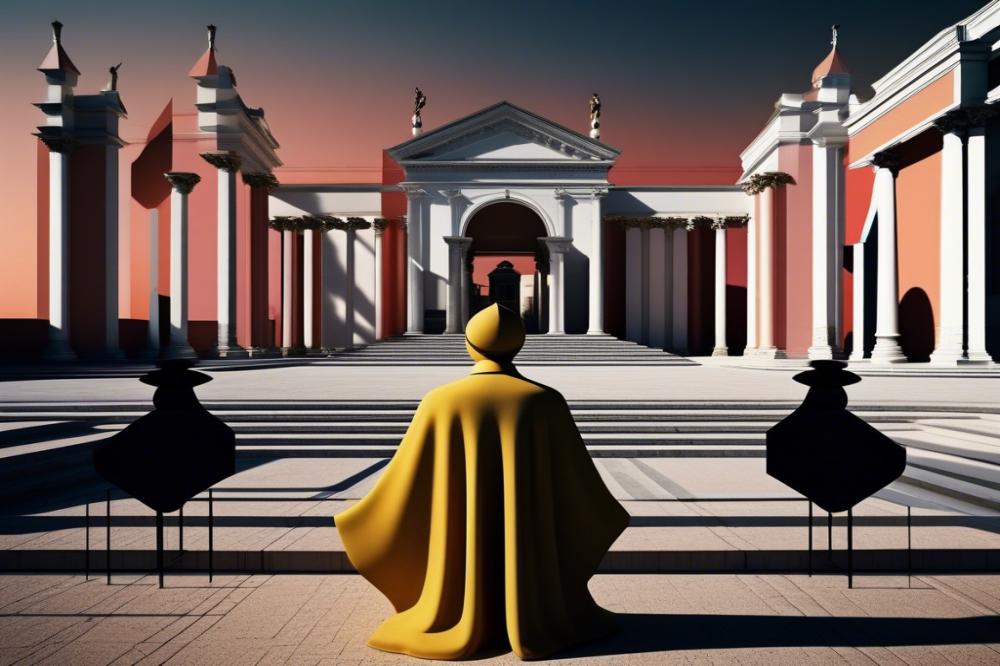
The themes of surrealism and symbolism dominate his paintings. Bold colors and dreamlike imagery capture a juxtaposition of nostalgia and mystery. Shadows play a significant role in his work, creating an atmosphere that feels both inviting and foreboding. Structures from classical architecture often grace his canvases, standing solemnly against the backdrop of vast, empty plazas. Each element coalesces into a scene that feels at once familiar yet entirely otherworldly.
His enigmatic style holds significant importance in the evolution of modern art. The way he weaves emotion into the ordinary elevates the mundane to extraordinary heights. metaphysical art, as a term, seems apt for describing his unique blend of elements. Through his perspective, viewers confront their own sense of reality, challenging them to ponder deeper meanings hidden within the ordinary.
Cleaving to themes that hint at unresolved tensions, de Chirico’s works capture a lingering sense of wonder. They transport observers into landscapes where time seems to freeze. The allure of his art lies in its ability to spark curiosity and ignite imaginative thought. Unraveling the layers of his paintings invites endless exploration and dialogue. In a world constantly seeking meaning, the shadows and structures of de Chirico’s art become a portal to understanding the complexities of human experience.
Early Life and Artistic Development
Background of Giorgio de Chirico
Giorgio de Chirico was born in 1888 in Volos, Greece. His Italian heritage strongly influenced his artistic journey. A childhood spent near the classical ruins ignited a deep fascination with history and culture. This environment shaped his identity and contributed to his future works. When he moved to Italy as a teenager, he found himself immersed in the rich world of Italian art. The vibrant surroundings fueled his ambitions and dreams.
Influences from Classical Philosophy and Literature
Classical philosophy played a vital role in de Chirico’s evolution. He often turned to the teachings of ancient thinkers for inspiration. The writings of Nietzsche and Schopenhauer were particularly impactful. These philosophers introduced him to concepts such as existentialism and the nature of reality. Their ideas often resonate within his paintings. symbolism and metaphors became crucial to his distinctive voice. Elements of myth and legend frequently appeared, creating layers of meaning. There was always a sense of nostalgia tied to these influences, pulling viewers into a deeper understanding.
Transition from Traditional Painting to Innovative Styles
Initially, de Chirico embraced more conventional techniques. Traditional painting provided a solid foundation for his skills. However, he soon sought something more. A profound desire to explore surrealism emerged within him. He began to infuse his works with dreamlike qualities, blurring the line between reality and imagination. This shift marked a turning point in his career. Shadows danced in his canvases as architectural forms took on new dimensions. The Piazza became a recurring subject, invoking feelings of mystery and solitude. Each painting invited viewers into a unique world that merged the ordinary with the extraordinary. De Chirico’s innovative styles would not only define his career but also leave a lasting impact on the art world.
Themed Works: Mystery and Nostalgia
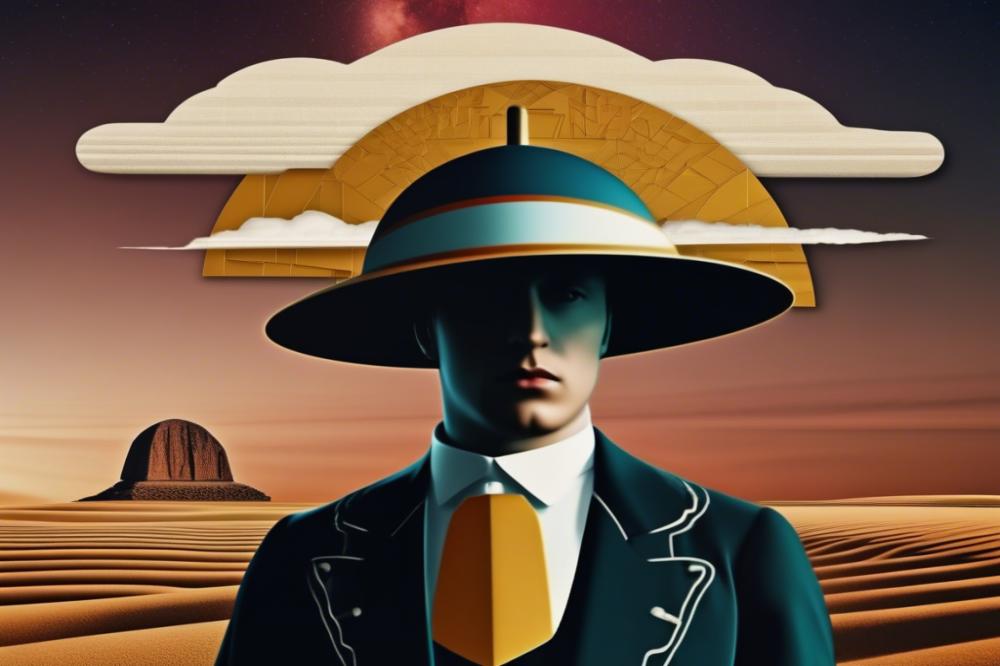
Giorgio de Chirico’s paintings often evoke feelings of mystery and nostalgia. These two themes intermingle throughout his body of work, drawing viewers into a world that feels both familiar and strange. In many of his pieces, he uses surrealism and symbolism to create a sense of intrigue that remains long after viewing.
Recurring motifs play a significant role in achieving this atmosphere. Shadows stretch across empty plazas, lending an eerie quality to his canvases. Tall, seemingly forgotten architecture looms in the background, enhancing the sense of isolation. These elements combine to form dreamlike scenes that transport us to another time and place. Each painting serves as an invitation to explore hidden meanings behind everyday objects.
Emotional impacts are also a central aspect of his work. Nostalgia is palpable in the quiet, desolate spaces that he captures. Many viewers find themselves reminiscing about their own memories when gazing at his tableaux. The silence of the empty squares and the stillness of the buildings can stir deep emotions. People often feel small in the face of such vastness, prompting reflections on solitude and time.
In de Chirico’s world, the ordinary transforms into the extraordinary. Each brushstroke conveys a depth that invites questions. Why are these scenes so haunting? What lies beneath the surface? The mystery remains, which is part of what makes his work so compelling. His unique interpretations of urban landscapes resonate in the realm of Italian art, challenging perceptions and inviting one to ponder the complexities of existence.
As viewers, we may lose ourselves in the intricate layers of meaning. Moments spent in his paintings can feel like a journey through a forgotten dream. The blend of mystery and nostalgia creates a mesmerizing experience. Shadows, plazas, and haunting architecture come together to forge a distinct emotional language. This language continues to speak to us, inviting exploration and contemplation.
Architecture and Symbolic Spaces
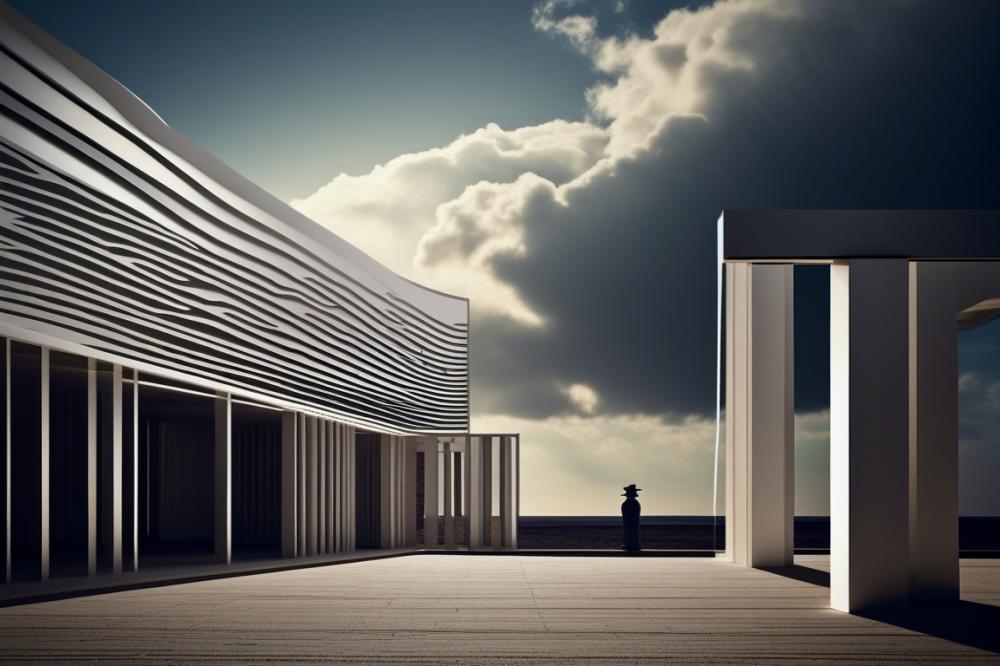
The role of architecture in the paintings of Giorgio de Chirico is crucial. Structures are not just backgrounds; they serve as vital components of the narrative. Each building contributes to a deeper meaning within the artwork. These elements often evoke feelings of mystery and nostalgia, drawing viewers into a dreamlike realm. Shadows play a prominent part, giving the scenes a surreal quality that captivates the imagination.
The Significance of the Piazza Motif
The Piazza motif stands out in many of de Chirico’s works. This open space represents more than a mere setting. It symbolizes the emptiness and alienation felt in modern life. Empty plazas can evoke a sense of isolation with their vastness. Filled with strange sculptures and elongated shadows, these scenes encourage viewers to ponder existence. Such motifs remind us of the beauty and sadness intertwined in life.
Architectural Elements and the Surreal Atmosphere
Architectural elements enhance the surreal atmosphere of his paintings. Arches, columns, and walls lead the eye and create a rhythm within the artwork. They evoke the grand historical contexts of Italian art while also serving a more enigmatic purpose. The blend of familiar and bizarre objects generates a sense of disorientation. Viewers may feel like they are part of a strange dream, where reality and imagination intertwine. This unique approach challenges our perceptions and invites curiosity. Such arrangements allow one to see beyond the surface, embracing layers of meaning.
Impact on Surrealism and Modern Art
De Chirico’s Influence on the Surrealist Movement
Giorgio de Chirico played a pivotal role in shaping surrealism. His paintings are filled with haunting images that evoke deep mystery. The use of shadows and unusual architecture brings a dreamlike quality to his work. Surrealist artists were drawn to this sense of the unknown. They admired how his scenes stirred up feelings of nostalgia and intrigue. Many early surrealists, such as Salvador Dalí and René Magritte, found inspiration in his unique approach to symbolism. It’s as if they took de Chirico’s ideas and transformed them into their own visions of the bizarre.
Comparisons with Other Surrealist Artists
When comparing him to other surrealist painters, striking contrasts emerge. While much of surrealism embraced the absurd and chaotic, de Chirico’s art often feels more structured. His focus on timeless landscapes reminds viewers of classical Italian art. The haunting emptiness in his Piazzas contrasts sharply with Dalí’s flamboyant dreamscapes. Each artist captures different aspects of the surreal experience. However, they all explore the realms of the unconscious mind. De Chirico’s influence remains evident in their works, manifesting through lingering themes of mystery and architectural representation.
Legacy in Contemporary Art and Continued Relevance
His artistic legacy continues to resonate in contemporary art. Many modern artists draw upon his techniques to evoke similar feelings. The blending of reality and dream can still be seen today. Exhibitions often display pieces that echo his ideas, inviting new generations to appreciate this style. Artists today incorporate elements of mystery and symbolism just as he did. De Chirico’s work serves as a reminder of the power of imagination in art. As the art world evolves, the themes he explored remain relevant and captivating. The unique vision he presented enhances our understanding of both past and future trends in artistic expression.
Reflecting on Giorgio de Chirico’s Legacy
Giorgio de Chirico made significant contributions to Italian art, leaving an indelible mark with his thought-provoking creations. His exploration of philosophy, dream-like scenes, and symbolism set the tone for the Surrealist movement that followed. Through his unique style, he challenged viewers to reconsider their perceptions of reality and the hidden meanings behind everyday objects.
The lasting appeal of his enigmatic works lies in their complexity. Each painting invites deep reflection, urging the audience to uncover layers of thought interwoven in the composition. Shadows, architectural elements, and deserted landscapes work together to create an atmosphere rich with emotion. These images evoke a sense of nostalgia and curiosity, compelling us to question the nature of existence.
Visiting a gallery featuring his work offers an opportunity to engage with these timeless pieces firsthand. Each brushstroke tells a story, while every figure and form conveys a deeper significance. Dive into de Chirico’s world, and you will find a realm filled with mystery and intrigue. Exploration of his paintings can lead you to discover insights about our own lives and the world around us.
It’s clear that the impact of his artistry continues to resonate today. By examining these mesmerizing works, art enthusiasts and casual viewers alike can appreciate the complexity and thought provoked by his vision. Enjoy the journey through his paintings and embrace the history they carry.

