
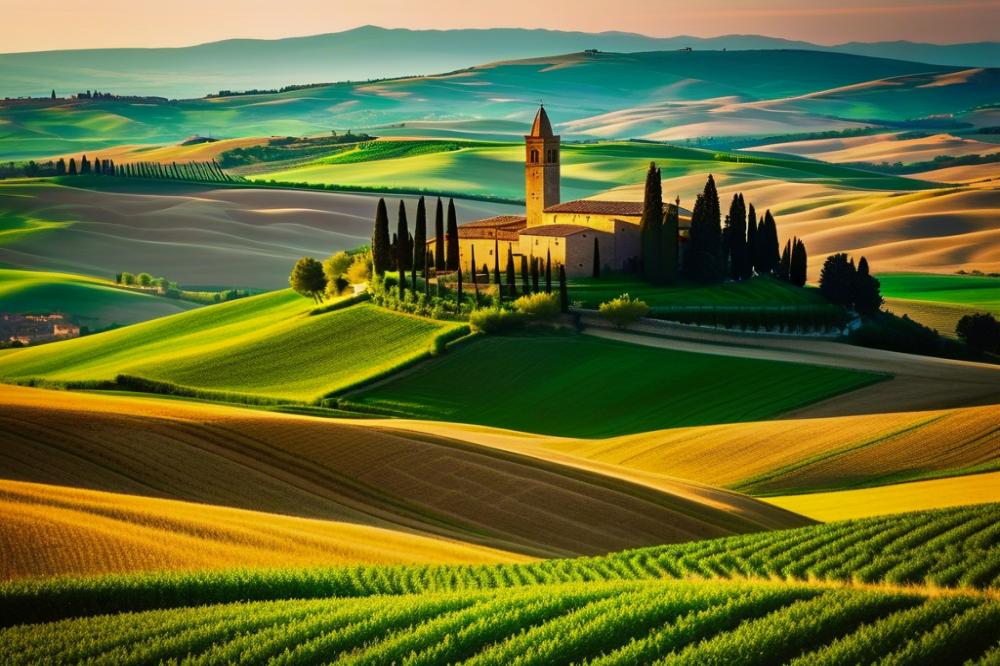
Pienza: The Ideal Renaissance Town
Pienza holds a special place in the heart of Tuscany. Known for its stunning beauty and rich history, this idyllic village has earned its status as a UNESCO World Heritage Site. Unique among Italian towns, it showcases outstanding Renaissance architecture and thoughtful urban planning.
Founded in the 15th century, Pienza was transformed by Pope Pius II, who envisioned a model city for the Renaissance. It represents a significant example of a humanist town, blending art with nature. Visitors often marvel at the cultural heritage visible in its squares and palaces.
Travelers flock to this picturesque destination for various reasons. Scenic landscapes surround the village, enhancing its charm. Pienza is also celebrated for its culinary delights, drawing food enthusiasts from around the globe. The combination of exquisite local cheese and fine wines lures many to explore its streets.
Ultimately, Pienza stands as a testament to the brilliance of the Renaissance, inviting all to appreciate its art and architecture. This historical gem remains a must-visit for anyone seeking connection with Italy’s rich past.
Historical Background
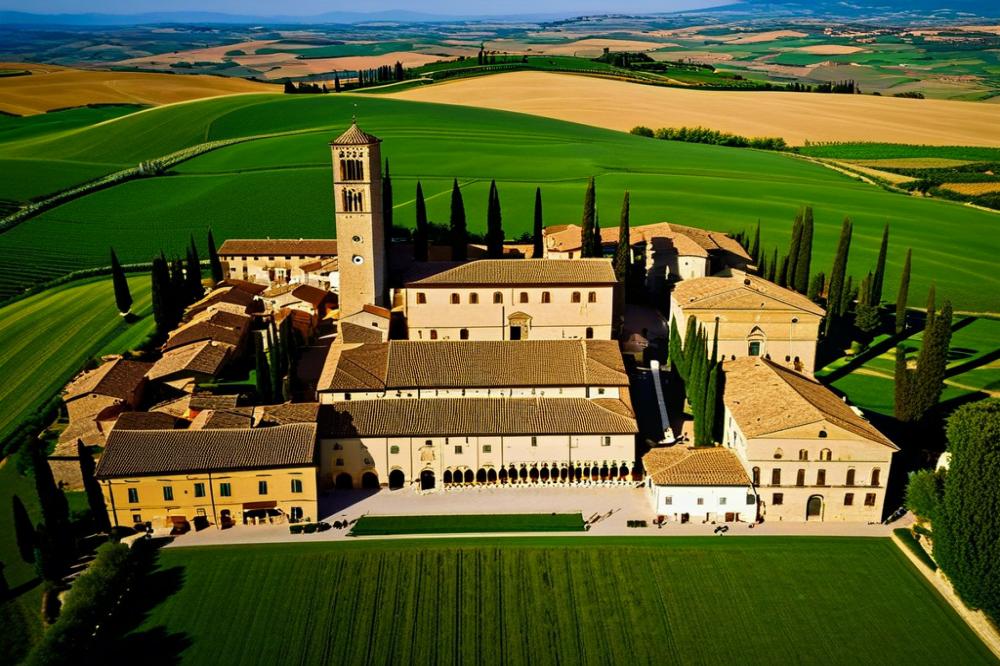
The Tuscan town we now recognize as Pienza has a remarkable history. Its founding took place in the 15th century. Pope Pius II was the influential figure behind this transformation. Originally known as Corsignano, it underwent a significant change driven by his vision for an ideal Renaissance town.
This shift from Corsignano to Pienza symbolizes more than just a name change. Following his papacy, Pius II sought to create an urban model embodying the values of that era. Social and political dynamics of the time played a crucial role in shaping this idyllic village. The pope wanted to blend beautiful architecture with functional living spaces.
Cultural heritage thrived under Pius II’s guidance. He invited prominent architects and artists to contribute to this project. Their remarkable work turned Pienza into a stunning travel destination with breathtaking scenic landscapes and charming streets. The architecture reflects the ideals of the Renaissance, showcasing symmetry and proportion.
Apart from its aesthetic goals, the town flourished economically. Culinary delights became an essential part of its identity. The fertile lands surrounding Pienza produced exceptional food, boosting local markets. In this way, the town’s economy prospered alongside its cultural development.
UNESCO later recognized the importance of this town and its history. This designation underscores Pienza’s role as a significant example of Renaissance urban planning. Visitors flock to this location not just for its beauty, but also to experience its rich history and cultural significance. The lasting legacy of Pope Pius II continues to draw people from around the world.
Pienza stands as a testament to visionary leadership. Its origins remind us of the past while highlighting the impact of a single person’s dream. Today, the town serves as a bridge between history and modernity, inviting us to explore its many layers. It remains one of Tuscany’s most picturesque sites.
Renaissance architecture
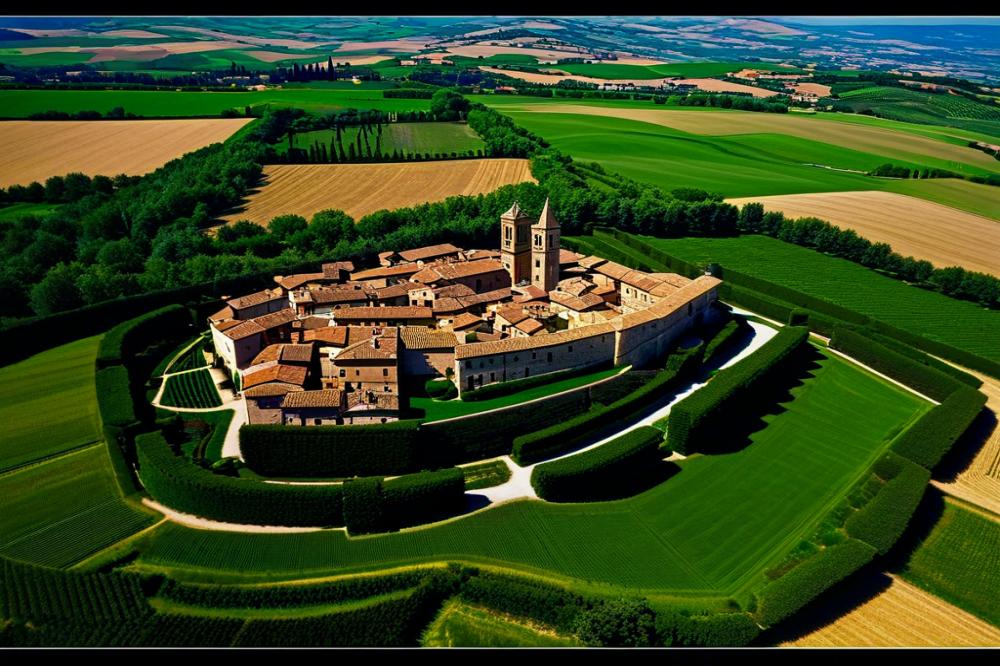
When exploring this Tuscan town, one cannot help but notice the striking architecture that defines the landscape. The work of architect Bernardo Rossellino stands out prominently. His designs encapsulate the essence of Renaissance ideals, blending beauty with harmony. Every structure tells a story of history and purpose.
The Cathedral, or Cattedrale di Pienza, is a remarkable example of Renaissance art and architecture. Its façade features intricate details that draw the eye. The interior boasts stunning frescoes and a beautifully crafted altar. Visitors should take a moment to appreciate the symmetry and elegance that reflect the values of this era.
Another key structure is Palazzo Piccolomini, a magnificent palace that reflects the power of the Piccolomini family. Its balconies offer a breathtaking view of the surrounding scenic landscapes. Inside, spacious rooms are adorned with exquisite art and elegant furnishings, showcasing the cultural heritage of the period. This building not only served as a residence but also as a symbol of the family’s status.
Besides these major landmarks, Pienza contains other notable buildings that contribute to its charm. Each one highlights different elements of Renaissance architecture. Arches, columns, and harmonious proportions are common themes found throughout the village. As a travel destination, it captivates visitors with its idyllic atmosphere.
Exploring the narrow streets reveals a treasure trove of culinary delights. Street vendors and local restaurants provide delicious Tuscan dishes that complement the rich history of the place. Art and architecture come alive as tourists indulge in the flavors and sights of this remarkable town.
Cultural Heritage
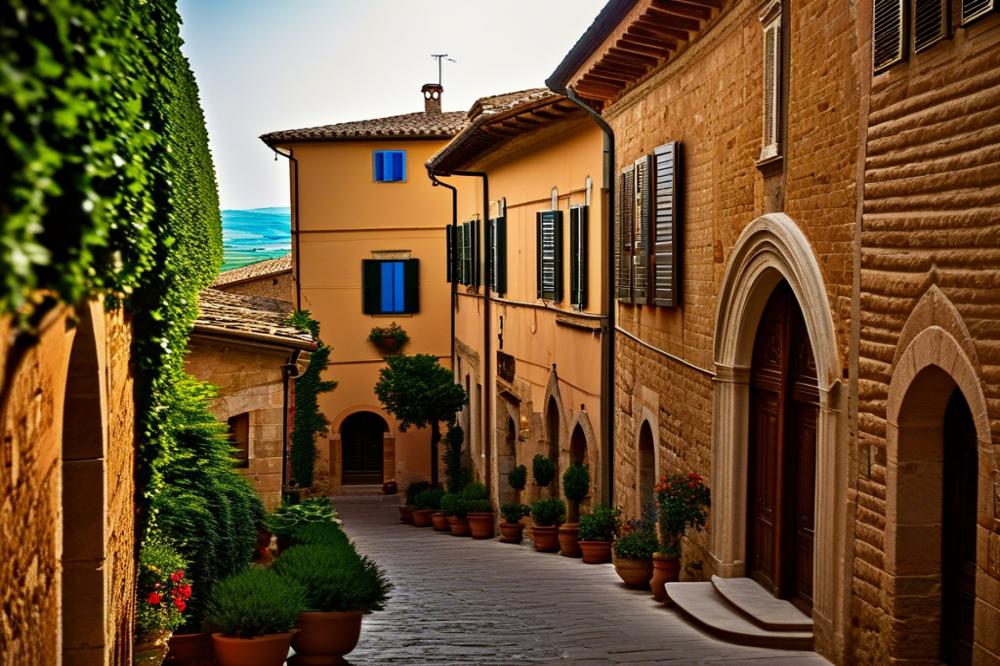
This exquisite Tuscan town is a treasure of rich cultural heritage. Traditions here are deep-rooted and celebrated with great enthusiasm. Festivals fill the calendar and showcase the town’s vibrant spirit. Among them, the celebrated Palio dei Gatti, or Cat Palio, is a highlight. Locals and visitors alike are drawn to this lively race that takes place every August. It honors local felines with colorful displays and spirit. Street vendors offer culinary delights, inviting everyone to taste the region’s flavors.
Art and architecture play crucial roles in the town’s identity. Renaissance influences permeate the landscape. Beautiful squares, elegant churches, and intricate buildings capture the eye. The stunning architecture embodies a perfect blend of beauty and functionality. The town also proudly carries the status of a UNESCO World Heritage site. This designation highlights its importance in the broader context of the Italian Renaissance.
Local customs reveal a fascinating history that echoes through the ages. Traditional cuisines are not merely meals; they are stories on a plate. Olive oil, pecorino cheese, and handmade pasta reflect the agricultural richness of the surrounding countryside. Visitors often enjoy scenic landscapes while indulging in these culinary delights.
Every corner of this idyllic village tells a tale. Murals and frescoes remind us of the artists who once walked these streets. The contributions of such creators are evident in galleries and museums. While wandering, one can feel the artistic pulse that once resonated strongly here.
Adventurous travelers find much to explore. Friendly locals share their knowledge with joy, offering insights into age-old traditions. The blend of past and present creates a unique atmosphere. Visitors leave with lasting memories, inspired by the culture and beauty that defines this special place.
Scenic Landscapes
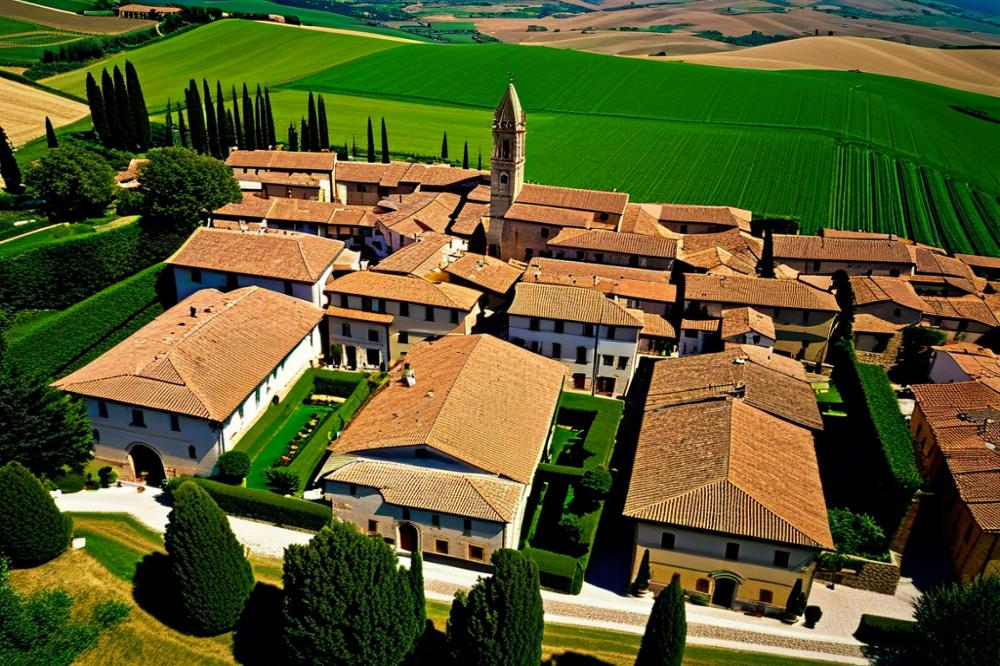
Nestled in the heart of Tuscany, this charming Tuscan town boasts breathtaking scenic landscapes. Rolling hills stretch endlessly, creating a patchwork quilt of greens and golds. Vineyards blanket the hillsides, their rows orderly and inviting. The views from various viewpoints are nothing short of captivating. Each glance offers a new perspective of the timeless beauty surrounding the village.
Travelers find themselves drawn to its idyllic charm. Discovering the history of the area only adds to its allure. As a designated UNESCO World Heritage site, the cultural heritage is rich and plentiful. Rustic farmhouses dot the landscape, lending an air of authenticity. These structures, combined with the natural beauty, inspire countless artists and photographers alike.
During different seasons, the scenery transforms dramatically. In spring, vibrant wildflowers bloom, while autumn paints the hills in warm hues. The sunsets here offer a theater of colors, slowly descending over the horizon. Wine enthusiasts often visit to enjoy local vineyards, tasting culinary delights paired with stunning views.
Architecture plays a significant role in the village’s charm. The historic buildings harmoniously blend with vast open spaces, creating a peaceful balance. Walks through the winding streets reveal secrets of art that each corner holds. Pienza is not just a destination; it’s an experience, a connection to the past, and a celebration of the land.
Culinary Delights
Pienza, a Tuscan town known for its stunning architecture and rich history, offers visitors a delightful taste of local cuisine. One of its most famous products is pecorino cheese, a rich and flavorful sheep’s milk cheese. Visitors often seek this culinary delight in local markets, where artisan vendors proudly showcase their handmade goods.
Travelers can explore charming eateries that highlight traditional dishes often rooted in regional ingredients. Many restaurants in this idyllic village focus on seasonal menus that change with the harvest. Seasonal dishes frequently feature vibrant vegetables, fresh herbs, and, of course, the renowned pecorino. Unique flavors blend with the scenic landscapes, creating a vital part of the cultural heritage.
The weekly market serves as a hub for locals and tourists alike. Stalls brim with fresh produce, homemade pasta, and local wines. It becomes a social gathering, where people exchange recipes and stories while sampling cheeses and cured meats. This not only highlights the culinary richness but also showcases the warmth of the community.
Additionally, the architecture adds to the experience with its picturesque backdrop. Historic buildings frame cozy restaurants and vibrant storefronts. Dining outdoors allows guests to soak in the sun, enjoying both the food and the charming surroundings.
Food enthusiasts will find themselves captivated by the culinary scene. Traditional cooking classes provide another layer of depth, allowing visitors to learn the secrets of Tuscan cooking. Engaging with local chefs brings a personal touch, enhancing the travel destination’s overall appeal.
Pienza’s gastronomic offerings invite exploration and appreciation. Each dish tells a story, connecting diners to the town’s past and its ongoing traditions. Discovering these flavors enhances the understanding of this UNESCO World Heritage site’s cultural significance. The culinary experiences offered here truly reflect the area’s commitment to preserving its art and heritage.
Travel Destination
Known as the ideal Renaissance town, this Tuscan village embodies beauty and charm. Its designation as a UNESCO World Heritage site highlights its cultural heritage and historical significance. Strolling through its narrow streets, visitors are treated to stunning architecture and breathtaking views. The unique layout reflects the genius of the Renaissance, making it an attractive travel destination for history buffs and art lovers alike.
Exploring the village takes visitors back in time. Take a leisurely walk to admire the well-preserved buildings and public squares. The main piazza, known as Piazza Pio II, serves as the heart of the town. Here, you can see the magnificent cathedral and the Palazzo Piccolomini. Enjoying a coffee while observing local life is highly recommended.
Activities and Nearby Attractions
Culinary delights await those ready to indulge. Local restaurants serve traditional Tuscan dishes made from fresh ingredients. Try the famous pecorino cheese; it’s a local specialty and a must-taste. Cooking classes offer an authentic experience for those who wish to learn the culinary secrets of the region.
Nearby hill towns, such as Montepulciano and Montalcino, invite exploration. They present scenic landscapes and further opportunities to enjoy wine tasting. Each village offers its own unique charm and history, making them perfect day trip options from Pienza.
Tips for Visitors
To fully experience the village, visit during the off-peak season. Fewer tourists allow for a more intimate exploration of its streets and alleys. Consider starting your day early to catch the sunrise lighting up the landscape. The golden hues create an especially picturesque backdrop for photos.
Be sure to engage with local residents. Their stories often enrich the travel experience. Ask for recommendations on hidden gems around town, or for the best places to savor traditional meals. Authentic experiences can make your visit unforgettable.
Final Thoughts on Pienza’s Lasting Impact
Pienza stands as a remarkable example of Renaissance town planning. Its design reflects the ideals of the era, highlighting harmony, beauty, and functionality. Throughout history, this Tuscan town has captivated visitors and scholars alike, earning its place among Italy’s most treasured sites.
Shaped by the vision of Pope Pius II, the urban layout was revolutionary for its time. Every street and square plays a role in showcasing Renaissance architecture. As a UNESCO World Heritage site, Pienza emphasizes the importance of aesthetic and cultural values in urban development.
Cultural richness is woven into every corner of this charming locale. Artisans, local traditions, and culinary delights await those who explore its streets. Visitors can enjoy stunning views of the countryside, enhancing the town’s allure. This natural beauty adds layers to its historical significance, providing a backdrop that enriches the experience.
Travelers seeking an authentic Italian experience will find much to savor here. The harmonious blend of architecture and nature creates an inviting atmosphere. As an essential element of Italy’s heritage, this town inspires reflections on the past and encourages appreciation of the present. In conclusion, Pienza remains a perfect destination for anyone wanting to explore the richness of Italian culture and history.

