
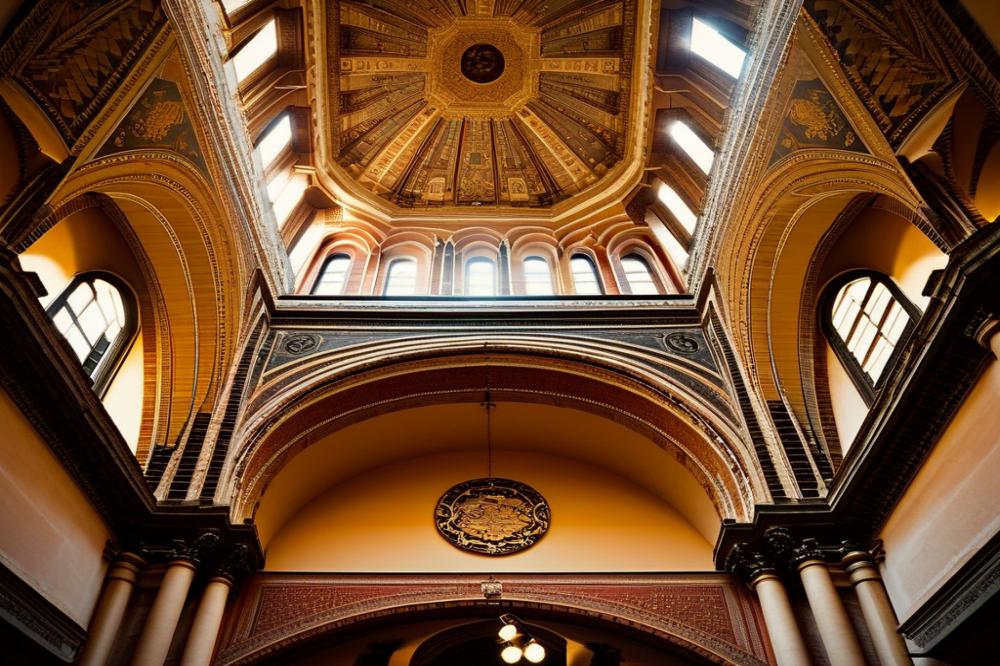
Perugia: A Tapestry of Art and History
Nestled in the heart of Umbria, Italy, this town captures the essence of history and culture. Perugia boasts a fascinating narrative that stretches back to Etruscan times. Its streets echo stories of medieval grandeur, making it a remarkable destination for visitors and historians alike.
The city’s striking architecture reveals a blend of influences from various periods. Cobblestone streets wind through ancient buildings, each with its own tale to tell. Iconic structures like the Palazzo dei Priori and the Fontana Maggiore stand as testaments to the city’s rich past.
Culture thrives here in many forms. Museums housing masterpieces of art history offer a glimpse into the creativity of ages gone by. The vibrant local cuisine tempts the palate, showcasing the flavors unique to this region of Italy.
No visit would be complete without experiencing the lively festivals that Perugia hosts throughout the year. Celebrations like Umbria Jazz and the Eurochocolate Festival attract crowds and foster a deep sense of community. These events showcase the town’s artistic spirit and culinary delights.
Visitors should not miss the breathtaking views of the surrounding landscape. Hilltops adorned with vineyards and olive groves paint a picturesque backdrop. With such a harmonious blend of history, art, and culture, Perugia stands out as a destination that promises both discovery and delight.
Perugia’s Etruscan Roots
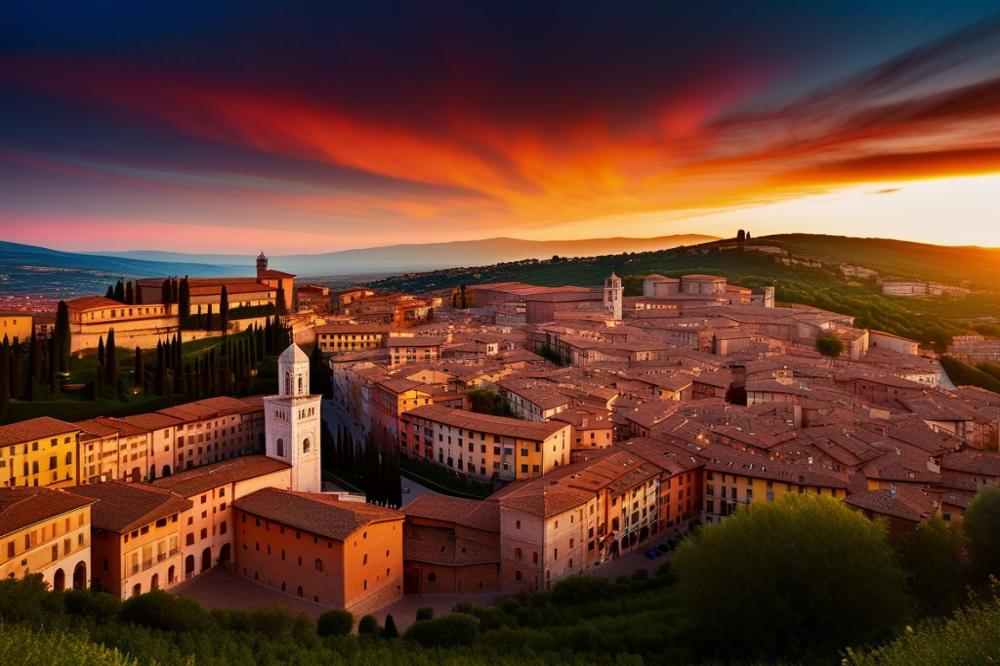
Perugia sits atop ancient history that stretches back to the Etruscans, one of Italy’s earliest civilizations. This town plays a significant role in unveiling the fascinating past of this region. Etruscan influences are evident in the local culture, architecture, and even cuisine. Evidence of these roots captivates scholars and visitors alike.
Archaeological sites near the town reveal much about the Etruscans’ way of life. Key findings include intricate pottery, jewelry, and tools crafted from metals. The well-preserved burial mounds, called tumuli, provide an incredible look into their burial practices. Each mound contains artifacts that point to their beliefs and social structure.
One major site worth visiting is the Etruscan Well, an engineering marvel featuring beautiful stonework. This deep well dates back to the third century B.C. It showcases the advanced skills the Etruscans had in construction. Exploring this site gives a sense of the community’s ingenuity.
Nearby, the Necropolis of Pian di San Martino reveals burial grounds filled with valuable treasures. Excavations there have uncovered decorated urns and sarcophagi that illustrate the artistry of the time. Such artifacts offer a glimpse into not just the artistic skill but also the rituals of death and remembrance practiced by the Etruscans.
Museums in Umbria celebrate this ancient heritage as well. Exhibits display an array of Etruscan relics that attest to the civilization’s rich history. Visitors can walk through the past and see how the Etruscans lived, loved, and honored their dead. The artworks and items challenge us to consider the depth of their culture.
Medieval Architecture and Urban Layout
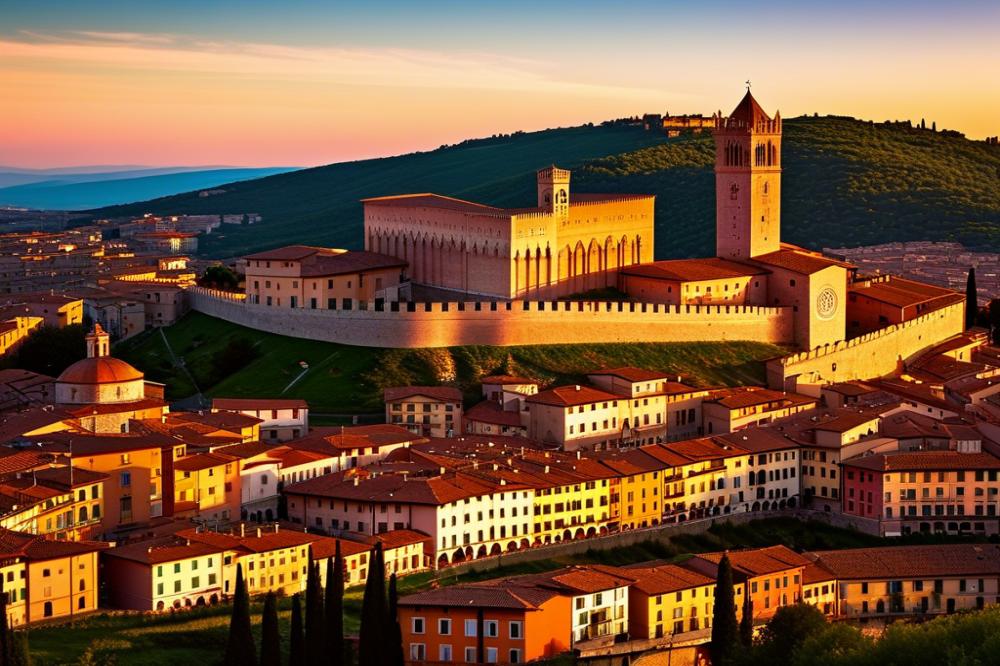
Rich in medieval architecture, the city showcases its glorious past through structures like the Palazzo dei Priori. This grand building stands as a testament to the town’s political and cultural significance during the Middle Ages. Erected in the 13th century, it features an impressive façade adorned with Gothic elements. Visitors often marvel at its tall tower, which offered a commanding view of the surrounding landscape.
Adjacent to this architectural gem is the Fontana Maggiore. This stunning fountain, completed in 1278, is crafted from pink and white marble. Intricate carvings decorate its surface, depicting scenes from local history. The fountain is not only a piece of art but also a gathering place for locals and tourists alike. Festivals often center around its location, celebrating the rich culture of Umbria.
The urban layout reveals much about the historical importance of the area. Streets wind through the old town, lined with shops, cafes, and museums that evoke the spirit of the past. At the same time, narrow alleys lead to charming squares where people engage in lively conversation. Each turn offers a glimpse of what life was like centuries ago, with buildings that still resonate with the whispers of Etruscan influence.
Small piazzas serve as focal points for community gatherings and cultural events. During summer months, merchants set up stalls offering local cuisine, filling the air with tantalizing aromas. As visitors wander through these spaces, they discover not just history but a vibrant blend of modern life and tradition.
The layout of this medieval settlement emphasized defense and trade, reflecting its strategic location. High walls once protected its citizens while narrow pathways facilitated commerce. This design helped the town thrive, making it an important center in Italy.
Exploring its streets invites an appreciation for the rich history embedded in the very fabric of the city. Artisans and architects of the medieval period left their mark here, contributing to a tapestry that draws countless admirers today. Overall, the combination of exquisite architecture and thoughtful urban planning creates a compelling story that continues to unfold.
Cultural Vibrancy and Festivals
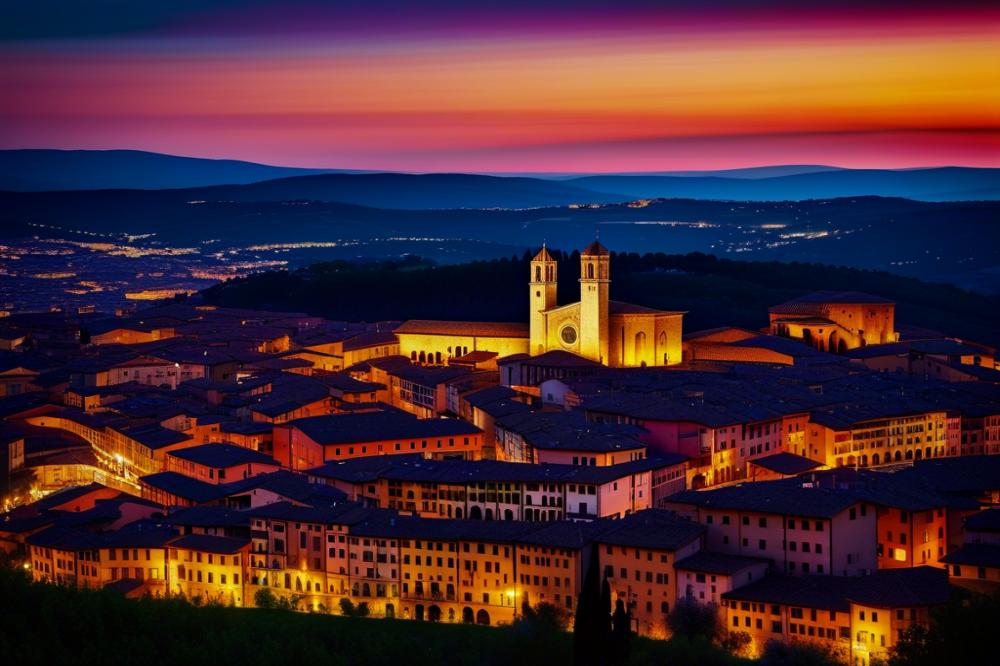
Every summer, a wave of excitement washes over Umbria. The Umbria Jazz Festival transforms the town into a stage for world-class music. Jazz lovers flock from all corners of Italy and beyond. Street musicians fill the alleys, and venues buzz with energy. This festival, steeped in tradition, has been running since 1973. It showcases not only established artists but also rising stars. Every note played echoes the town’s rich cultural heritage.
During October, a different type of celebration takes center stage. Eurochocolate Festival attracts chocolate enthusiasts like moths to a flame. This event is all about chocolate in its myriad forms. Stalls overflow with sweet treats, local delicacies, and innovative desserts. Visitors indulge in tastings while wandering amid medieval architecture. The scents of cocoa mingle with those of other Umbrian cuisine, creating a sensory delight.
These festivals paint a vivid picture of the town’s vibrant culture. Beyond music and sweets, Perugia offers museums filled with Etruscan relics. History enthusiasts can explore ancient artifacts that tell stories of a long-lost civilization. Art galleries feature works that span centuries, celebrating local talent. With each event, the town embraces its past while looking to the future. Such experiences elevate the common tourist visit into something memorable.
Festivals not only brighten the landscape but also foster community. Local artisans and vendors come together, showcasing their craftsmanship. Attendees often find themselves in conversations with the creators. This sense of connection makes festivals much more than entertainment; they are a reflection of life in this part of Italy.
Museums and Artistic Legacy
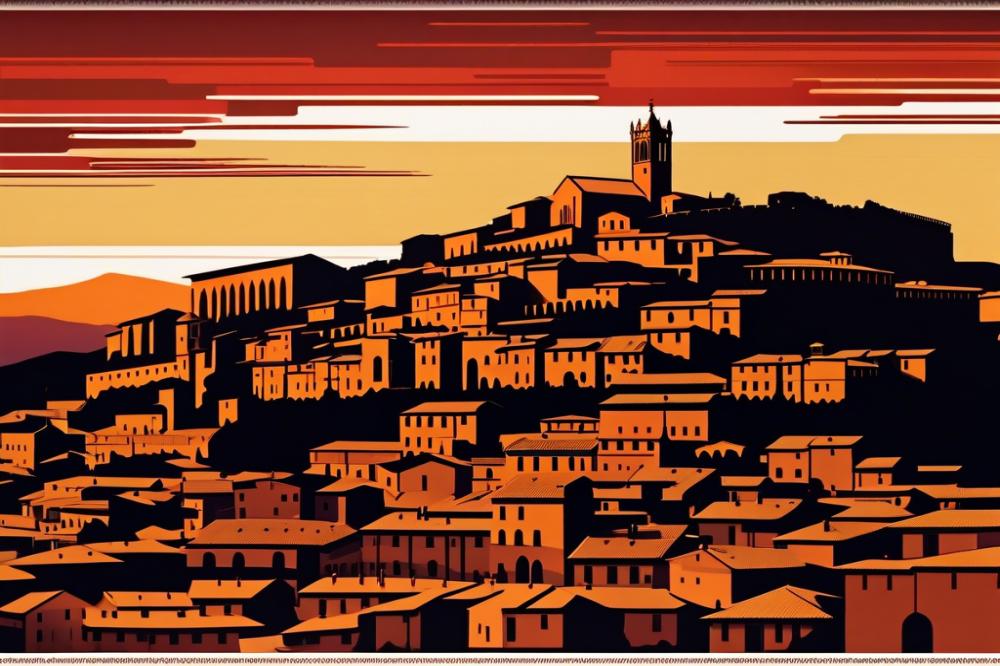
The museums in Umbria, particularly in its capital, are a showcase of rich history and artistic achievement. The Galleria Nazionale dell’Umbria stands out as a prominent institution. This museum is home to an impressive collection of artwork spanning centuries. Visitors can admire pieces from medieval times to the Renaissance, giving insight into the region’s evolving culture.
Inside the Galleria, one can discover masterpieces by local artists such as Perugino, a painter known for his serene works. His influence is felt throughout the region, and many of his paintings depict religious themes central to the era. The museum also honors Etruscan artifacts, highlighting the deep historical roots of the area. Such treasures reflect the intertwining of past civilizations with modern life.
Other museums in town foster a similar appreciation for heritage. The Museo Archeologico Nazionale features exhibits that delve into Etruscan and Roman history, revealing how these ancient cultures shaped the landscape. Artifacts from daily life, along with intricate sculptures, provide a vivid picture of life in antiquity.
Each museum contributes to a broader narrative of artistic legacy. Annual festivals celebrate this culture through workshops, exhibitions, and performances. Local artists often showcase their work during these events, linking contemporary creativity to historical practices. Such interactions encourage new generations to appreciate their roots while fostering innovation.
Architectural beauty complements the artistic environment. Many museums are housed within historic buildings. Some date back to the medieval period, adding layers of context to the experience. Exploring these spaces is akin to walking through time, where every corner holds a story.
The culinary scene, too, reflects this artistic spirit. Regional cuisine presents a fusion of flavors that celebrates local traditions. As visitors enjoy a meal, they engage further with the culture. This connection deepens their appreciation for everything the town has to offer — from stunning galleries to vibrant festivals.
Overall, the artistic legacy in Umbria remains vibrant and ongoing. Local artists continuously contribute by drawing inspiration from their rich surroundings. The tapestry of art, history, and community demonstrates a commitment to preserving heritage while encouraging new expressions of creativity. Here, in this landscape of beauty and tradition, art and history coexist, enriching everyone who visits.
Landscapes and Culinary Delights
Umbria, known as the “green heart of Italy,” offers breathtaking landscapes just outside the city. Rolling hills stretch endlessly, interspersed with charming villages that seem frozen in time. Vineyards dot the terrain, producing some of Italy’s best wines. As autumn arrives, the hills come alive with vibrant colors, creating a picturesque scene that captures anyone’s heart.
Medieval architecture adds to the region’s charm. Stone houses and ancient churches stand tall, reflecting a rich history that dates back to the Etruscans. These buildings offer a glimpse into the past, while the scenic backdrop keeps visitors enchanted. Festivals celebrating local culture unfold throughout the year, showcasing traditional music, art, and, most importantly, food.
The cuisine of Umbria speaks to those who appreciate authentic flavors. Ingredients come from the land, ensuring freshness and quality in every dish. Local specialties include pici, a handmade pasta that pairs beautifully with rich sauces. Dishes often feature truffles, a prized culinary delight. For meat lovers, porchetta is a must-try, with its succulent, roasted pork seasoned to perfection.
Fresh produce plays a vital role in many recipes. Vegetables like lentils, beans, and wild greens are staples in Umbrian kitchens. Cheeses crafted from sheep’s milk often accompany meals, adding depth and character. Each dish embodies the heart and soul of the region.
Imagine strolling through a bustling market, where the air is filled with mouthwatering aromas. Vendors proudly display their goods, eager to share their culinary secrets. Sampling local wines while enjoying a cheese platter is a heavenly experience. The connection to the land is evident in every bite.
Visiting museums in and around Perugia enriches the experience. They showcase not just art, but also the agricultural traditions of the area. Learning about the importance of crops and farming practices offers insight into the region’s identity. Overall, Umbria’s landscapes and culinary delights create a tapestry of beauty and culture worth exploring.
Final Thoughts
Perugia stands as a testament to the rich tapestry of art and history that defines many Italian towns. Its streets echo with stories from the past, inviting visitors to explore a culture that has thrived for centuries. Every corner reveals a piece of the city’s legacy, from medieval architecture to Renaissance masterpieces. This historical destination is not just a collection of buildings; it embodies the spirit of Umbria and its vibrant artistic heritage.
Art lovers find a wealth of inspiration in the galleries and museums that dot the landscape. Each artwork narrates the narrative of the region, showcasing local talent and international influences alike. History enthusiasts will appreciate the layers of change the city has undergone, each period contributing to its overall identity. Walking through the town feels like taking a journey through time.
Explorers unearth hidden gems in the form of quaint cafés and bustling markets. The atmosphere buzzes with life, offering an authentic Italian experience that goes beyond the usual tourist paths. Festivals celebrating art and history reinforce the community’s commitment to preserving their heritage.
Visiting this remarkable destination allows travelers to connect with both past and present. Each moment spent in Perugia, be it admiring its stunning views or savoring local flavors, promises to enrich one’s understanding of Italy. For anyone seeking a multifaceted travel experience, the allure of this city will be hard to resist.

