

Introduction
Coffee holds a special place in the heart of Italian culture. It is more than just a drink; it is a ritual, a social experience, and an essential aspect of daily life. Whether enjoyed at a bustling café or sipped slowly at home, coffee in Italy symbolizes warmth, connection, and tradition.
Throughout the years, this beloved beverage has evolved and adapted. From the earliest coffeehouses in the 16th century to the modern-day espresso bars, each phase of its journey has shaped what we now embrace as Italian Coffee Culture. Baristas have perfected their craft, and coffee rituals have been handed down through generations, creating a rich tapestry of flavors and experiences.
This article focuses on the History of Coffee in Italy. It will explore how different regions contribute to the diversity of coffee traditions. You will learn about significant moments that defined coffee evolution in Italy, from the rich aroma of espresso to the frothy delight of cappuccino. Join us as we delve into this fascinating journey and discover the heritage that makes Italian coffee truly remarkable.
History of Coffee in Italy
Origins of coffee and its introduction to Italy
Coffee originated in Ethiopia, with its discovery dating back to the 9th century. From there, the drink traveled to the Middle East, where it became popular in places like Yemen. By the 17th century, coffee found its way to Europe. It was in Italy that it first made a significant impact. Merchants recognized coffee’s potential and began importing it. This drink quickly caught on among the elite and later spread to the general public.
The role of trade and colonialism in coffee’s arrival
Trade routes played a crucial role in bringing coffee to Italy. Venetian merchants, in particular, contributed to its introduction. They capitalized on the growing demand for exotic goods. Colonies in Africa and the Americas became vital sources for coffee beans. The combination of colonial expansion and trade led to a steady supply. As the drink gained popularity, Italy established itself as a key player in the global coffee market.
Initial perceptions of coffee and its early consumption
Initially, coffee faced skepticism. Some viewed it as a dangerous beverage, while others considered it a luxurious choice reserved for the wealthy. Coffeehouses began appearing in cities like Florence and Venice. These establishments turned into social hubs where people shared ideas and conversations. Cafés soon became integral to Italian culture. Over time, coffee rituals developed, leading to unique traditions. Espresso and cappuccino emerged as favorites and showcased Italy’s evolving coffee heritage. Skilled baristas took pride in their craft, further enhancing the country’s reputation. Today, Italy is renowned for its coffee culture and distinctive coffee regions.
Evolution of Coffee Culture in Italy
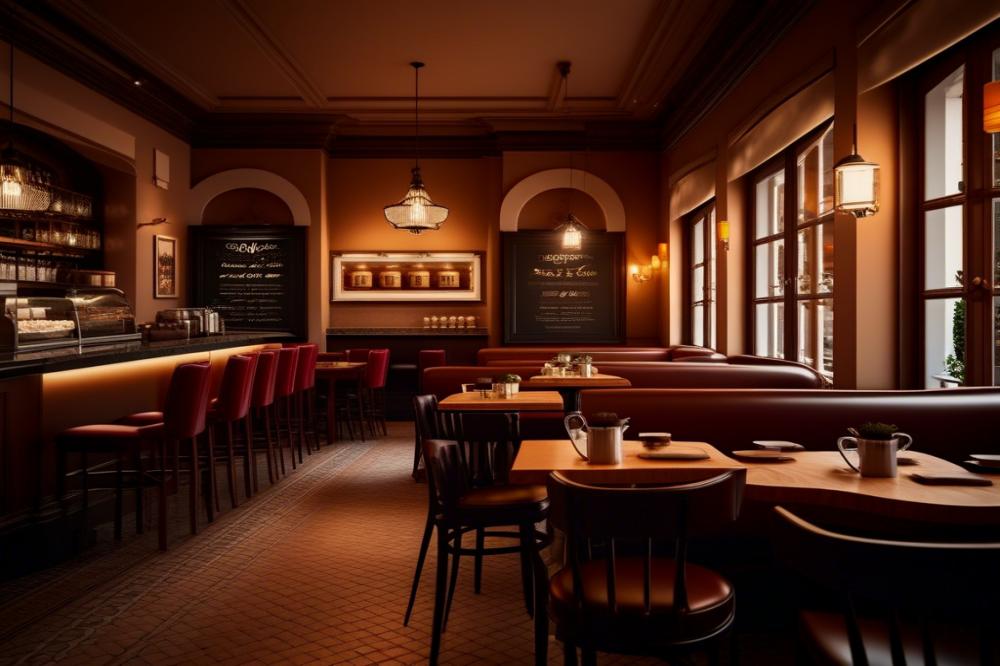
Coffee was first introduced to Italy in the 17th century. Initially, it was a curious novelty. As time passed, coffee took root in society. Coffeehouses, known as “caffè,” began appearing in major cities like Venice and Milan. These establishments became popular meeting places. Artists, writers, and thinkers gathered to discuss their ideas over cups of coffee.
The transformation of coffee from a luxury to a daily drink marked a significant shift. Italians started to embrace coffee as part of their daily routines. This change laid the groundwork for rich coffee traditions that are still cherished today. Over time, coffee evolved into a staple of life rather than just an occasional treat.
The Rise of Coffeehouses in Italian Society
In the bustling streets of Italy, coffeehouses flourished. They were more than places to sip a drink; they served as cultural hubs. Locals socialized and exchanged thoughts on politics and art. The environment fostered a sense of community. Patrons could enjoy an espresso or a luxurious cappuccino while engaging in lively conversations.
Introduction of Espresso and Its Significance in Italian Life
The creation of espresso in the early 20th century changed everything. This method of brewing coffee produced a concentrated shot that became wildly popular. Baristas mastered the craft, showcasing their skills with every cup poured. The strong, rich flavor connected deeply with Italian identity. Coffee rituals emerged around this new beverage, from quick morning shots to leisurely afternoon breaks.
Regions like Naples and Rome became famous for their coffee culture. In Naples, the local tradition of “caffè sospeso” reflects the spirit of generosity. This custom involves purchasing an extra coffee for someone in need. Such practices highlight the communal role coffee plays in everyday life. Espresso became more than a drink; it symbolized Italy’s heritage and evolving coffee journey.
Regional Coffee Traditions
Italy is known for its diversity, especially when it comes to coffee. Each region has developed distinct coffee traditions, reflecting local tastes and customs. From north to south, the way coffee is enjoyed varies widely. In Milan, the espresso reigns supreme, served in small cups and often accompanied by a pastry. The fast-paced lifestyle of the city influences this choice, making coffee a quick yet essential part of daily life.
Venturing to Naples reveals another story. The Neapolitan espresso is thicker and richer. Locals even have a special way to prepare it called “Caffè Napoletano.” The strong flavors are celebrated in local coffeehouses where conversations flow as freely as the coffee. Here, coffee rituals have deep roots in the cultural heritage of the city.
Further along, in Rome, one finds cappuccinos enjoyed with breakfast. This frothy drink, topped with milk foam, has its own following. Romans cherish savoring it in the morning but generally avoid it later in the day. This custom shows how local culture shapes coffee consumption at different times.
The coffee evolution in Sicily also brings surprises. Sicily offers a sweeter twist with the use of chocolate, creating a popular specialty known as “Caffè alla Griccia.” Bars, or coffeehouses, often showcase this delightful blend. Baristas take pride in their craft, and customers appreciate the artistry involved in preparation.
Other regions each add their flavor to Italy’s coffee narrative. In Bologna, the focus shifts to velvety lattes, while in Turin, the famous “Bicerin” pairs coffee with chocolate and cream. This demonstrates how various local ingredients and traditions create a rich tapestry of coffee experiences across Italy.
Coffee rituals vary more than just the taste. Social gatherings often center around a shared cup, highlighting the importance of connecting over coffee. In many towns, cafés serve as vital community hubs, where residents meet to discuss anything from politics to family matters. Each coffee region not only serves a drink but a slice of local life.
The Role of Baristas and Coffee Rituals
In Italian Coffee Culture, a barista is much more than just a person who makes coffee. This skilled individual acts as an artist behind the counter, mastering the intricate processes of coffee preparation. Local coffeehouses are often the heart of communities, where baristas create a welcoming environment. Their role in society extends beyond serving drinks; they carry the rich heritage of coffee traditions forward.
Training as a barista involves much more than learning to pull shots of espresso. It requires grasping the nuances of flavor extraction and mastering the ability to froth milk perfectly for a cappuccino. Many baristas attend specialized courses to hone their craft, while others learn on the job. This mastery comes from hands-on experience, with each cup representing the barista’s dedication to quality and tradition.
Coffee Rituals Specific to Italy
Coffee rituals in Italy are as varied as the country’s regions. For example, sipping an espresso at the bar is a quick yet meaningful experience. Locals often engage in banter with the barista, showcasing the social aspect of coffee drinking. In northern Italy, coffee traditions may differ, with lighter roasts more commonly found. In contrast, southern regions favor a bolder flavor profile, often found in dark roasts.
The ceremony surrounding coffee extends beyond just drinking. Italians have specific times of day for coffee consumption. For many, a cappuccino is solely a morning drink, never ordered after a meal. Such customs highlight the deep-rooted respect for coffee rituals and the importance of timing in enjoyment. Understanding these practices offers insight into Italy’s evolving coffee landscape.
Baristas play a crucial role in maintaining these traditions while embracing modern evolution. They adapt to trends, such as specialty coffees and alternative brewing methods, but always keep the essence of traditional preparation intact. The blend of old and new reflects Italy’s ongoing journey through the world of coffee. Each interaction with a barista offers a glimpse into the rich stories woven into every cup, illustrating that coffee is not merely a drink, but a cherished experience.
Cappuccino and its Place in Italian Coffee History
Origin and Evolution of Cappuccino in Italy
Cappuccino has deep roots in Italy’s coffee culture. This popular drink began to take shape in the early 20th century. Initially, it was a simple blend of espresso and steamed milk. Over the years, its preparation evolved. Today, cappuccino typically features a velvety layer of frothed milk atop rich espresso. The drink’s name comes from the Capuchin friars, whose brown robes resembled the color of this beverage. As coffeehouses spread across cities, the cappuccino gained popularity. It quickly became a staple in Italian cafes.
Cappuccino as a Symbol of Italian Coffee Culture
In Italy, cappuccino transcends mere beverage status. It symbolizes a shared experience and fosters connections among people. Cafés serve as communal spaces where friends gather to enjoy their favorite drinks. Baristas play a crucial role. Their skill in crafting the perfect cappuccino defines the experience. Mastering this art involves understanding coffee beans, temperature, and timing. For many, sipping a cappuccino in a bustling coffeehouse embodies the essence of Italian life. This drink captures the spirit of Italian coffee traditions.
Cultural Significance and Typical Consumption Practices
Cappuccino is more than just brunch fare. In Italy, consuming it after 11 a.m. is often frowned upon. Many Italians prefer to have it in the morning. Rituals around this drink create a sense of order in daily life. Locals may visit their favorite café to order a cappuccino from their trusted barista. Enjoying this drink comes with a certain pride. The careful balance of strong espresso and creamy milk reflects Italy’s coffee heritage. Each region offers its unique twist. Some areas embrace local coffee evolution, while others stick to traditional methods. Savoring a cappuccino is not just about taste; it’s about embracing a way of life.
Global Influence of Italian Coffee Heritage
Italian coffee culture has made a significant mark on the world. The spread of espresso and cappuccino beyond Italy is just one example. Many countries have embraced these drinks, creating coffeehouses that serve them daily. Each spot reflects the local scene yet maintains a connection to Italian traditions.
When Italian coffee arrived in other regions, it underwent various adaptations. Baristas in different countries often modify recipes to suit local tastes. For instance, in Australia, coffee rituals evolved into a brunch culture centered around flat whites. These new creations showcase the evolving nature of coffee traditions while honoring the original Italian espresso.
Regions across the globe have been influenced by Italy’s coffee heritage. Cities like New York and Melbourne now boast thriving coffee cultures, rich with Italian roots. In these places, coffee shops often blend traditional methods with innovative techniques. They continue to inspire new generations of coffee enthusiasts.
The impact of this heritage goes far beyond just drinks served. Italian coffee has shaped the global coffee industry itself. The standards set by Italian baristas influence training programs worldwide. Aspiring baristas look to Italy for tips on perfecting their technique and understanding coffee evolution.
Coffee lovers everywhere appreciate what Italy offers. The meticulous preparation of a perfect espresso teaches patience and precision. Meanwhile, cappuccinos add a touch of art with frothy milk. These practices have fostered a deeper appreciation for coffee as a craft and a daily ritual.
Reflecting on Coffee’s Journey in Italy
This exploration has revealed the rich tapestry of coffee in Italy. From the initial introduction of coffee in the 16th century to the rise of iconic beverages like espresso and cappuccino, Italy’s relationship with coffee has evolved immensely. Each era contributed something special, highlighting the social and cultural importance of this beloved drink.
As we look ahead, coffee culture in Italy continues to metamorphose. The rise of third-wave coffee shops has introduced diverse brewing methods and an emphasis on high-quality beans. Innovators are pushing boundaries, creating a space for experimentation that sits alongside traditional practices. This blending of old and new keeps the conversation about coffee alive and relevant.
Finally, coffee stands as a symbol of Italian identity. It is not merely a drink; it is a ritual, a coming-together moment, and a way of life. Italians take pride in their coffee culture, and each cup serves as a reminder of the nation’s heritage. Over time, coffee has transcended its status as a beverage to become an integral part of daily life. The aroma of a fresh brew permeates cafes, evoking a sense of connection and community.
In sum, the journey through coffee’s history in Italy is one of passion and transformation. It reflects a narrative intertwined with traditions, innovation, and identity. Coffee is not just for fuel; it is a cherished experience that unites people in their shared love for this delightful beverage.

