
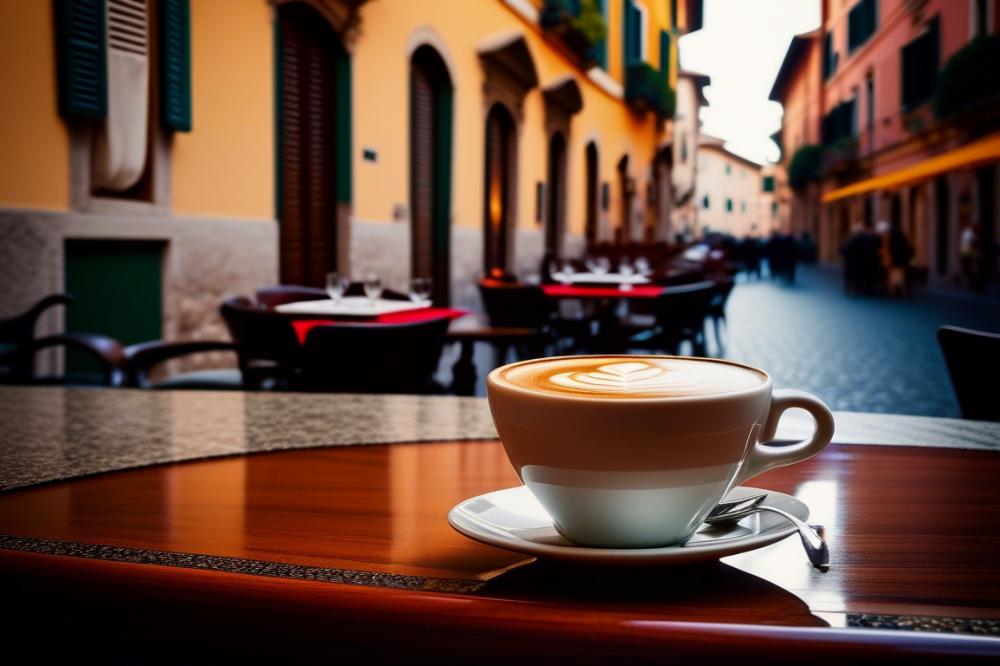
Significance of Coffee in Italian Culture
Coffee holds a special place in Italian culture, transcending mere consumption. It is a ritual, a social experience, and a daily necessity. Italians often gather in Italian cafes, where the aroma of freshly brewed coffee fills the air. The buzz of conversation accompanies the serving of rich and bold cups of espresso or frothy cappuccino.
Popular Types of Coffee
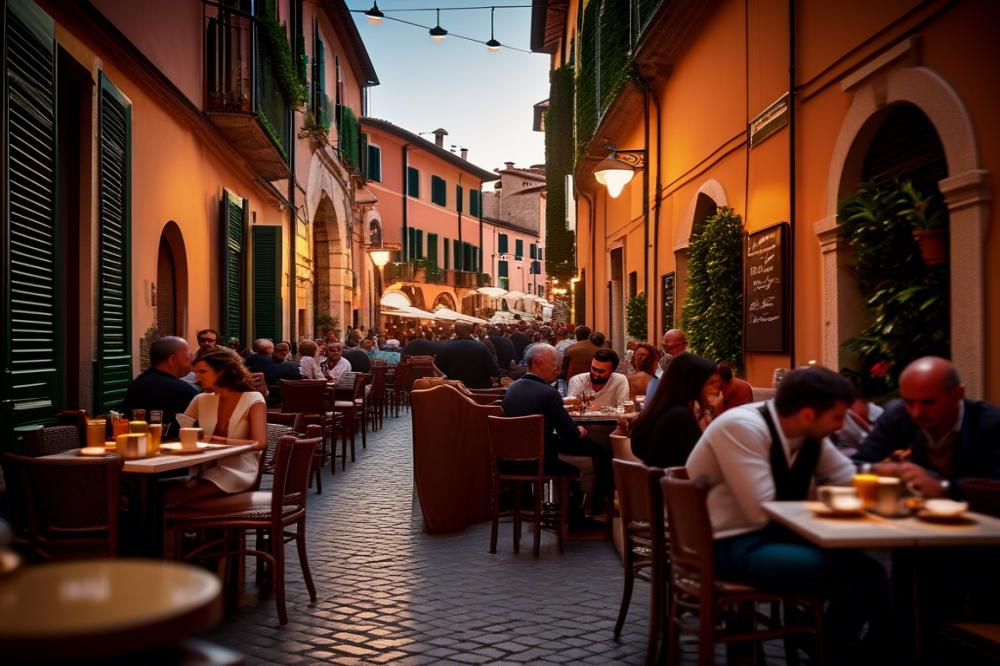
Among various options, espresso stands out as a cornerstone of Italian Coffee Culture. Served in small, strong shots, it provides a quick boost of energy. Many Italians enjoy their espresso at the bar, standing up, chatting with friends or the barista. cappuccino, on the other hand, is a delightful blend of espresso, steamed milk, and froth. This classic beverage is typically reserved for mornings.
Experiences for Coffee Lovers
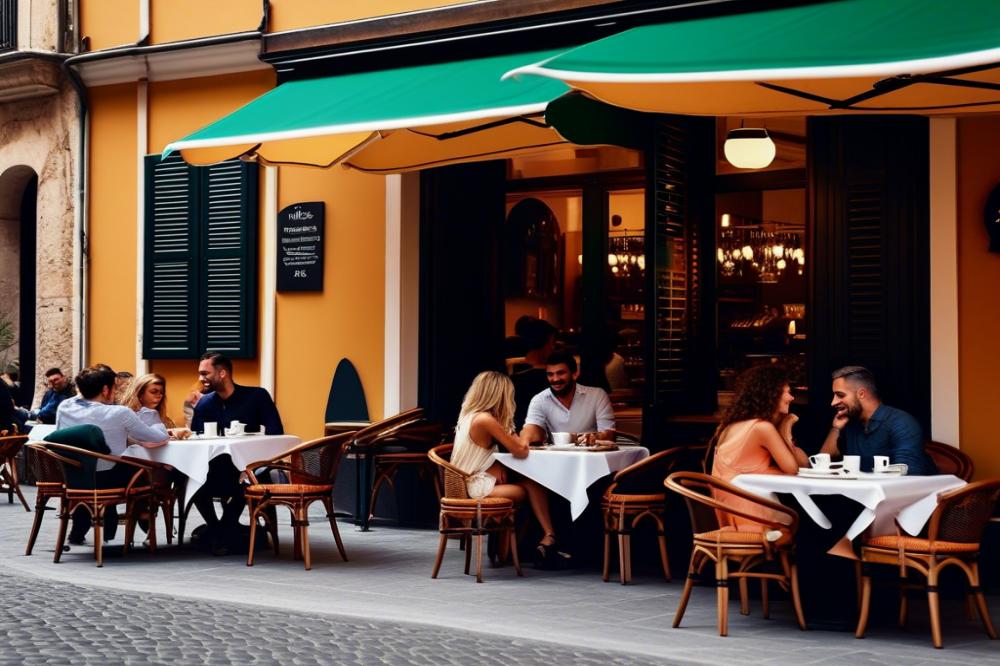
Traveling through Italy offers enthusiasts and tourists countless opportunities to indulge in coffee experiences. Engaging in coffee tours allows one to explore different coffee regions. Attending coffee tastings offers insights into various flavor profiles and brewing techniques. Additionally, taking part in barista classes can deepen understanding of the craft.
These immersive experiences enrich one’s knowledge of the rich coffee history of Italy. Enjoying a cup of coffee in a quaint shop or a bustling Italian cafe becomes more than just a break. It’s a chance to appreciate the beauty and complexity of Italian Coffee Culture. Taste, tradition, and togetherness form the essence of what makes Coffee Experiences Italy so special.
Exploring Italian Coffee Regions
Italy is renowned for its vibrant coffee culture. Regions such as Sorrento, Naples, and Costa Rica showcase distinct coffee traits and traditions. Tourists and enthusiasts often embark on coffee tours to explore these areas. Each locale offers exciting experiences with rich flavors and fascinating brewing techniques.
Sorrento: A Flavorful Paradise
Sorrento, nestled on the stunning Amalfi Coast, presents a unique approach to coffee. Here, the locals cherish the art of making a perfect espresso. Many Italian cafes blend traditional recipes with local ingredients, creating a delightful twist. A cappuccino in Sorrento often comes with a hint of citrus, allowing the typical frothy drink to shine. Visitors can engage in coffee tastings and learn the secrets of local barista classes.
Naples: The Birthplace of Espresso
Naples is steeped in coffee history. This city is often credited as the birthplace of espresso. The rich, bold flavor defines Neapolitan coffee. Many locals enjoy their espresso in stand-up bars, where social interaction is key. Each cup is served with a small glass of water, a nod to tradition. The brewing techniques here emphasize simplicity yet yield exceptional flavor.
Costa Rica: A Hidden Gem
While Costa Rica is not traditionally Italian, it plays a significant role in the global coffee scene. Many Italian roasters import beans from this Central American country. The coffee carries bright acidity and fruity notes, a departure from the earthy tones found in local blends. Combining these beans with Italian brewing methods creates a fusion experience for coffee aficionados. Visitors exploring Costa Rica often find organized tours that delve into the coffee production process.
Italian coffee regions offer a treasure trove of experiences. From coffee tastings to barista classes, the opportunities are endless. Each area invites visitors to dive deeper into the brewing techniques and flavors that define Italian coffee culture. Remember, whether savoring a rich espresso in Naples or a zesty cappuccino in Sorrento, every sip tells a story.
Coffee Tours
A variety of coffee tours are available throughout Italy, making it a perfect destination for enthusiasts. Each experience offers something different, catering to both tourists and locals. People can immerse themselves in the world of Italian coffee by participating in guided tours, workshops, and tastings.
Visiting Coffee Farms
Tourists have the chance to visit coffee farms located in picturesque regions such as Tuscany and Calabria. Arriving at these farms, guests can witness the lush landscapes where coffee beans are grown. Understanding the cultivation process provides insight into factors like climate, soil, and the care needed for coffee plants.
For many, picking coffee beans allows for a hands-on experience. Tour guides explain how beans are harvested, and participants can even try their hand at the process. These moments create a connection to the land and the work involved in coffee production.
Exploring Coffee History and Processing
Italy has a rich coffee history that dates back centuries. Some tours delve into this fascinating past, exploring ancient practices and how they evolved over time. Coffee enthusiasts can learn about the journey of coffee from the plant to the cup. This includes details about roasting and grinding, which play critical roles in flavor development.
Processing techniques are also a major topic during these tours. Visitors watch how beans are carefully dried and prepared before they reach cafés. Discussions often include information on traditional brewing techniques favored in Italian cafes, such as espresso and cappuccino preparation.
Interactive Experiences
Numerous tours include hands-on activities. Some offer barista classes, allowing participants to learn the art of making espresso and frothing milk for cappuccinos. These classes provide a unique opportunity to understand the skills required to craft the perfect cup.
Additional experiences might involve coffee tastings. Expert guides often lead tastings that highlight different types of coffee, including single-origin offerings. Learning about flavor profiles and brewing methods can enhance appreciation of this beloved beverage.
Exploring local coffee shops is another integral aspect of many tours. Visitors can discover hidden gems where passionate baristas serve their specialties. Each café showcases regional differences, contributing to Italy’s diverse coffee culture. Connecting with local baristas enriches the experience, as they often share personal stories and insights.
Coffee Tastings
Coffee tastings are a delightful way to explore the rich world of coffee in Italy. These events allow participants to sample various types of coffee and learn about their distinct flavors. Understanding the nuances of coffee is essential for enthusiasts and casual drinkers alike. From the boldness of an espresso to the creamy texture of a cappuccino, every sip reveals something new.
During a tasting, coffee lovers often examine different flavor profiles. Participants might taste fruity notes or rich chocolate undertones. Brewing methods play a crucial role in this experience. Each technique, whether it’s a traditional Italian brew or a modern pour-over, affects the final flavor. Baristas may guide guests through the process, sharing insights on coffee history and the traditions behind each method.
Italy is home to several renowned locations known for exceptional coffee tastings. Cities like Florence and Milan boast coffee shops that offer immersive experiences. Attendees may join coffee tours that take them through various cafes, each showcasing their unique creations. Learning about regional beans and local brewing techniques becomes a memorable experience. In Rome, some Italian cafes focus on educating visitors through barista classes, blending enjoyment with knowledge.
Popular coffee regions like Naples and Sicily also present opportunities to taste local specialties. In these areas, flavor profiles often reflect the culture and history of the land. Participants can enjoy the artistry involved in preparing iconic drinks, gaining appreciation for every cup. Many tastings even involve comparisons between regional varieties, highlighting the diversity within Italian coffee.
Barista Classes
For tourists and coffee enthusiasts, taking barista classes in Italy is a rewarding experience. These hands-on workshops dive deep into the art of coffee making. Participants can uncover the secrets of crafting the perfect espresso and frothing milk for that ideal cappuccino. It’s not just about making a drink; it’s about mastering a craft.
Each class offers an engaging mix of theory and practice. Students learn about the origins of coffee, exploring its rich history and the regions where it thrives. Knowledge of different coffee beans and the processes behind brewing techniques makes the experience truly fulfilling. The instructors typically have years of experience in Italian cafes, sharing their passion and skills.
Expect to get hands-on with various tools used in coffee shops. Learning how to tamp espresso correctly, adjusting grind size, and understanding extraction times are crucial skills taught during these workshops. Latte art is also a highlight, allowing participants to create beautiful designs atop their drinks. From hearts to rosettas, these skills leave a lasting impression.
Notable establishments across Italy offer excellent workshops for aspiring baristas. In Florence, the renowned Coffee Academy holds classes that highlight both theory and practical skills. In Milan, you can find Barista & Co, where participants get a taste of the vibrant coffee culture. Additionally, various coffee tours around Rome include barista classes as part of the experience, combining tastings with playful learning.
These barista classes immerse attendees in a culture that cherishes coffee. Enthusiasts come away not just with knowledge but with memories of tasting fresh brews and bonding with other coffee lovers. Exploring the vibrant landscape of Italian coffee through these classes adds depth to any trip.
The Café Culture in Italy
Italian cafes hold a special place in the local culture. They are more than places to grab a quick caffeine fix. These charming spots serve as social hubs where people connect and bond over a shared love for coffee.
Visiting iconic coffee shops can be a highlight. Take Caffè Florian in Venice, for instance. Established in 1720, it is known for its elegant decor and rich history. Patrons enjoy traditional espresso while soaking in the nostalgic ambiance. Another gem is Sant’Eustachio Il Caffè in Rome. Famous for its secret blend, it has been crafting delicious coffee since 1938.
The atmosphere at Italian cafes is often lively. Locals gather to enjoy their cappuccino or macchiato while chatting with friends or reading a newspaper. Standing at the bar is common, as it allows for quick interactions. This creates a sense of community. Tourists often feel drawn to this vibrant social scene.
Exploring the various coffee regions reveals a rich tapestry of flavors and traditions. Each area has its specialty brewing techniques and preferred coffee types. For those looking to dive deeper, coffee tours and tastings offer a delightful experience. These tours teach about different brewing methods and highlight the history behind each sip.
Barista classes provide a hands-on approach to learning about this cherished beverage. Participants gain insight into making perfect espresso and frothy cappuccinos. Learning directly from experts enhances one’s appreciation for this craft. Understanding the nuances of coffee can transform an everyday drink into a treasured experience.
In summary, engaging with the café culture in Italy is essential for any coffee enthusiast. The blend of history, ambiance, and social interaction makes each visit memorable. Discovering these unique aspects can turn a simple coffee break into an enriching journey.
Coffee History in Italy
The journey of coffee in Italy begins in the 17th century. Initially, coffee was introduced in Venice through trade routes. The drink quickly gained popularity among the aristocracy and evolved into a staple throughout the country.
By the late 1800s, significant developments emerged. The invention of the espresso machine by Angelo Moriondo in 1884 revolutionized coffee brewing techniques. This invention paved the way for espresso, a strong and concentrated coffee that became part of Italian culture.
Baristas became key figures in Italian coffee culture. They were not just makers of coffee; they crafted experiences. Italian cafes became social hubs where people gathered to converse and enjoy their favorite brews. This culture was rich with tradition, and each region produced its own style of coffee.
Moving into the 20th century, cappuccino emerged as a popular drink. This creamy blend of espresso and steamed milk became a favorite for many. Coffee shops began to adopt various brewing methods, enriching the Italian coffee landscape.
Coffee tours and tastings grew in popularity as tourists sought to explore Italy’s rich coffee history. Enthusiasts delighted in barista classes, learning the art of making the perfect espresso. Coffee regions like Naples and Milan became destinations for those wanting to experience authentic Italian coffees firsthand.
A variety of brewing techniques developed over the years. Traditional methods such as the Moka pot were used at home, while more modern approaches like pour-over became trendy. As coffee culture continued to expand, Italy maintained its reputation for quality and craftsmanship.
A Coffee Lover’s Farewell
Throughout Italy, an array of coffee experiences await enthusiasts and tourists alike. Several vibrant regions boast distinct coffee traditions and flavors. In bustling cities like Rome and Milan, sipping an espresso at a historic café offers a taste of authentic Italian culture. Meanwhile, in smaller towns, locals may welcome you to discover their beloved cappuccinos, often crafted with care and pride.
The journey of exploring coffee in Italy can be both delightful and educational. Each stop provides a chance to learn from knowledgeable baristas. Enthusiasts can enjoy cupping sessions or attend classes to master the art of brewing. Engaging with these practices creates a deeper connection to Italy’s rich coffee heritage.
Finding joy in these experiences allows travelers to bond with both locals and fellow coffee lovers. Sharing stories over a cup fosters cultural connections and creates lasting memories. Visitors can leave Italy with more than just a taste of its coffee; they can bring home a piece of its warm, inviting spirit.
In conclusion, Italy offers much more than just coffee. It presents an opportunity to embrace tradition and artistry. Make the journey to Italy a celebration of each sip, learning the significance of coffee in its culture. Discover the magic surrounding every café and create your own delicious stories along the way.

