
migration-waves-and-community-life-in-a-distant-land”>Italians in Switzerland: From Lombardy and Veneto to the Heart of the Alps
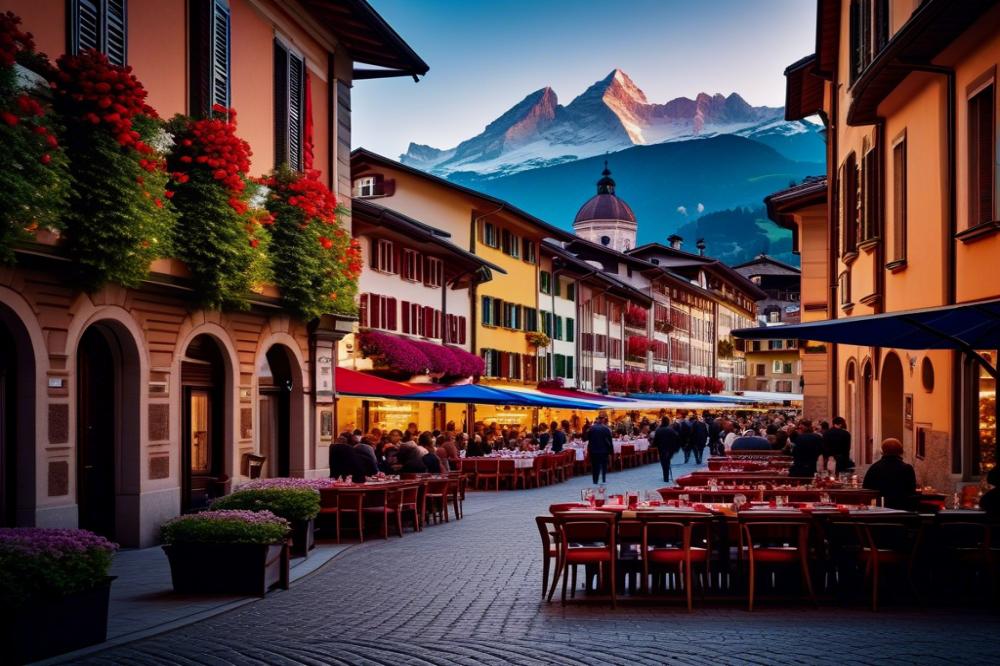
The story of migration is rich and complex. Many people leave their homeland seeking new opportunities. In recent history, Italians have formed one of the largest immigrant groups in Switzerland. They have brought their vibrant culture and deep traditions to this Alpine nation. The importance of these communities can be seen in various aspects of daily life.
Italian communities have thrived in Swiss cities and towns, contributing significantly to the economy. From small family-owned shops to large corporations, their impact is undeniable. As they integrated into urban life, they helped shape the labor market. Many Swiss citizens benefit from their skills, whether in culinary arts, construction, or other professions. This contribution enriches the diverse landscape of the nation.
A close examination of the two Italian regions of Lombardy and Veneto reveals fascinating connections. These areas have deep cultural roots and a strong sense of identity. Traditional customs and heritage from these regions continue to influence Italian community life in Switzerland. In turn, cultural integration often leads to bilingualism, blending Italian and Swiss-German languages in everyday conversation.
As the Italians settled in Switzerland, they carried their traditions with them, including culinary delights and festive celebrations. These unique aspects not only enhance the multicultural fabric of Swiss society but also remind everyone of shared histories and global connections. Their presence in Switzerland is not just a migration story; it is a tale of mutual influence and rich cultural exchange.
Historical Migration Patterns
Early Migration Waves from Italy to Switzerland
Migration from Italy to Switzerland began in the 19th century. Many people came from regions like Lombardy and Veneto. They sought opportunities in the booming Swiss economy. Industrialization created jobs in cities. This led to a significant influx of workers. Italians took on roles in construction, agriculture, and services. As they settled, they formed vibrant Italian communities.
Influence of Economic Factors on Migration
Economic conditions have always shaped migration patterns. In Italy, poverty and unemployment pushed many to look elsewhere. Switzerland’s strong economy attracted a wave of job seekers. These newcomers contributed significantly to the labor market. Access to better wages and living standards drove their choices. Additionally, political stability in Switzerland offered safety. Many hoped for a brighter future for their families.
Recent Trends in Migration
In recent years, migration has continued, though it has evolved. New Italians arriving tend to be more educated. Many are skilled professionals, seeking better careers. Bilingualism has become a valuable asset in urban life. cultural integration has increased as generations blend. Traditional Italian customs still exist alongside Swiss traditions. This mixing enriches the local culture. Young people especially benefit from this heritage exchange. Understanding and respect grow between communities, nurturing diversity in the heart of the Alps.
Cultural integration and community life
The role of Italian communities in Swiss culture
Italian communities have played a significant role in shaping the cultural landscape of Switzerland. Many migrants from Lombardy and Veneto brought their culinary delights, music, and lively festivals, enriching local traditions. Over time, they have integrated into Swiss life while preserving their unique customs. Annual events often showcase Italian heritage, inviting everyone to celebrate. These gatherings foster connections between diverse groups, highlighting a rich tapestry of cultures.
Bilingualism and its impact on daily life
Bilingualism is common in areas with large Italian populations. Most residents can speak both Italian and one of Switzerland’s official languages. This language skill plays a crucial role in daily interactions. It allows for deeper connections between Italian migrants and Swiss locals. Children grow up navigating multiple languages, which broadens their perspectives. In shops, cafes, and schools, bilingualism creates an inclusive atmosphere that promotes understanding and community cohesion.
Cultural traditions and heritage preservation
Preserving cultural traditions is vital for many Italian families in Switzerland. Events such as carnival celebrations, regional cooking classes, and religious festivals keep heritage alive. These activities often reach beyond the Italian community, engaging Swedes and visitors alike. Local associations work hard to maintain these practices. They understand that heritage is more than history; it is a living part of community identity. The Alps provide stunning backdrops for these gatherings, adding to their charm and allure. Migrants continue to share stories and songs that have defined their cultures for generations, ensuring that the essence of their heritage remains vibrant.
Economic Contributions of Italians in Switzerland
Participation in the Swiss Labor Market
Many Italians have found work in Switzerland since the mid-20th century. The labor market here has attracted workers from Lombardy and Veneto looking for better opportunities. They have filled essential roles in construction, hospitality, and healthcare. Notably, Swiss cities like Zurich and Geneva have seen an influx of skilled migrants. Many workers contribute to the local economy while bringing their traditions along. Bilingualism is common, helping them integrate into urban life.
Impact on Local Economies and Industries
Italian communities play a vital role in various industries. Their influence can be seen in everything from agriculture to technology. Local businesses benefit from their craftsmanship, especially in regions known for their production of goods. The presence of Italian migrants strengthens local economies by boosting consumer spending. Furthermore, they help maintain the rich cultural heritage that makes these regions unique. As they blend their customs with local practices, the result is a diverse, dynamic environment.
Entrepreneurship Among Italian Migrants
A significant number of Italians have ventured into entrepreneurship after settling in Switzerland. Restaurants, cafes, and boutiques run by Italian owners highlight the influence of their culture. These businesses not only create jobs but also introduce Swiss residents to various Italian traditions. The spirit of innovation drives many migrants to start companies catering to both locals and tourists. Enduring challenges in adapting to a new economy often lead to resilience and success. Establishing these enterprises contributes to the rich tapestry of local urban life.
Urban life and the Italian presence in Swiss cities
Major cities with significant Italian populations
Many Swiss cities have seen a rich migration of Italians, particularly those from Lombardy and Veneto. Cities like Zurich, Geneva, and Lugano are home to large Italian communities. In Zurich, Italians make up one of the largest groups of foreign nationals. Geneva also boasts a vibrant Italian presence, with cafés and shops reflecting this cultural link. Lugano, located in the Italian-speaking region of Ticino, showcases a seamless blend of cultures. Here, Italian language and customs flourish alongside Swiss traditions.
Social dynamics and integration in urban settings
Integration often occurs within neighborhoods where Italians settle. These areas become cultural hubs, alive with music, festivals, and community gatherings. Many Italians maintain their heritage through local clubs and organizations. Bilingualism is common in these cities, with Italians often learning Swiss German or French while preserving their Italian identity. The social fabric becomes more complex with the interplay of different cultures. Collaboration in the labor market has fostered economic growth, as Italians contribute significantly to various sectors.
Culinary contributions and Italian restaurants
Italian cuisine has made a lasting impact on Swiss urban life. Numerous Italian restaurants, pizzerias, and cafés pepper the streets. These establishments showcase beloved dishes like pasta, risotto, and gelato. Diners can savor both traditional recipes and modern twists. Whether it’s a small trattoria or an upscale dining spot, the aroma of freshly baked pizza fills the air. Events focused on Italian culinary traditions attract locals and tourists alike. Food festivals celebrate this rich heritage, bringing together diverse communities around shared tastes. The culinary landscape represents a delicious fusion of cultures, highlighting the importance of Italians in urban settings.
Challenges faced by Italians in Switzerland
Barriers to integration and acceptance
Life in Switzerland can be tough for many Italians. They often encounter difficulties in cultural integration. Language plays a big role here. Although many speak Italian, not everyone is bilingual. Communication can become a challenge in a country where German, French, and Italian are widely spoken. The labor market also poses hurdles. Italian workers sometimes find it hard to get jobs that match their skills. Urban life can feel isolating when you do not fully connect with local customs or norms.
Issues of discrimination and identity
Discrimination is a reality that many face. Stereotypes can create division and misunderstanding. Some locals may question the contributions of Italian communities to the economy. This can affect feelings of belonging and identity. For many, heritage is a source of pride. Yet, reconciling that pride with societal acceptance can be complicated. The Alps represent a symbol of beauty and unity, but experiences in these regions tell another story. Those who identify strongly with their Italian roots sometimes find themselves caught in a cultural tug-of-war.
Efforts and initiatives to promote inclusivity
Local organizations are working to tackle these issues. Programs have been created to foster cultural exchange. Initiatives aim to teach newcomers about Swiss traditions while encouraging locals to appreciate Italian customs. Community events often highlight Italian heritage, showcasing food, music, and art. Schools also play a vital role. Bilingual education promotes understanding from a young age. These efforts not only benefit the Italian population but enrich the entire community. Many believe that embracing diversity can lead to a more harmonious society within the stunning backdrop of the Alps.
Final Thoughts on Italian Contributions in Switzerland
Summary of Contributions
Italians have profoundly impacted Switzerland’s cultural and economic landscape. Since the mid-20th century, they have been a significant part of the workforce, filling essential roles in construction and hospitality. Their hard work helped Switzerland build infrastructure and drive growth. Beyond economic success, Italian communities brought vibrant culture, from art to cuisine. Festivals celebrating Italian heritage have enriched local traditions. As a result, many Swiss towns now reflect a blend of Italian and Swiss customs.
Future Prospects for Italian Communities
Looking ahead, the Italian community faces both challenges and opportunities. Younger generations are increasingly settling in urban centers, pursuing education and careers. This trend could lead to greater cultural integration. However, maintaining a connection to their roots remains essential. Organizations promoting Italian language and traditions will play a crucial role in this.
Significance of Cultural Heritage
Italian cultural heritage holds ongoing importance in Switzerland. Enriched by migration, the shared history creates a sense of unity among diverse groups. As communities evolve, preserving traditions such as cuisine and music fosters mutual respect. Events celebrating Italian culture can bridge gaps between different populations. In this way, the legacy continues, reminding everyone of the vibrant tapestry that enriches Swiss society.

