
Introduction
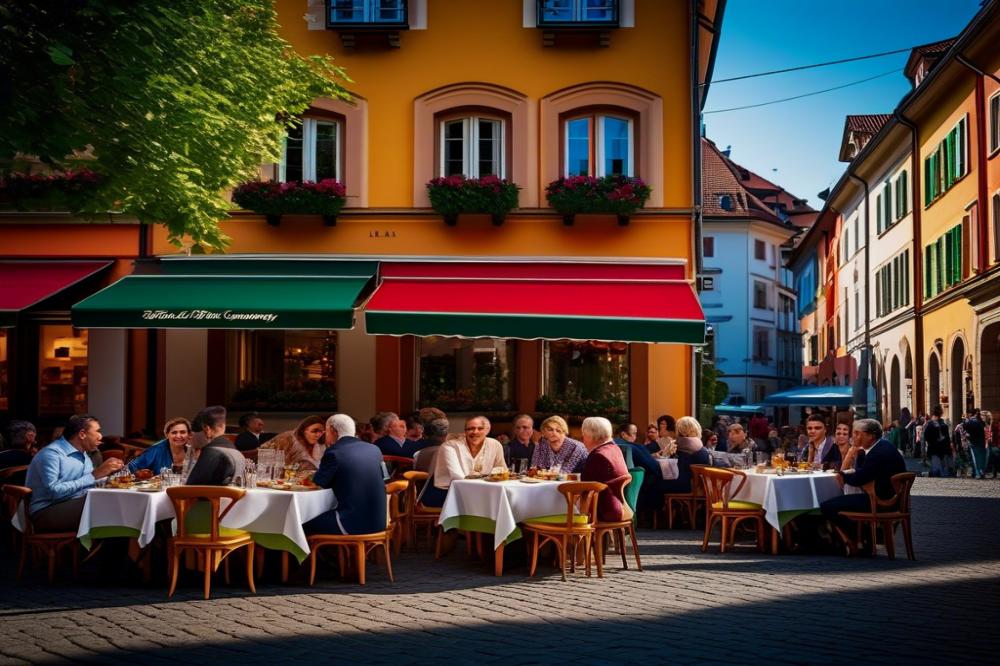
The story of the Italian community in Germany is one of resilience and adaptation. Migration from Italy to Germany began prominently in the 1950s and 1960s. Economic factors drove many Italians to seek better opportunities in this industrial powerhouse. They joined the labor force at a time when Germany needed workers to rebuild after the Second World War. This initial wave marked the beginning of a long-standing relationship between the two nations.
Over the decades, the Italian community has grown and diversified. Historical events such as the signing of labor agreements allowed easier movement. Italians settled mainly in urban areas, contributing significantly to various industries. Construction and manufacturing became primary sectors where this group found work. Their presence soon became a critical element of Germany’s economic landscape.
The significance of this topic extends beyond mere statistics. Understanding the journey of Italians in Germany is essential for grasping the broader context of the Italian diaspora. Their cultural exchange has brought vibrant elements to German society. Festivals celebrating Italian heritage, rich food culture, and traditions foster a sense of community. These interactions illustrate how migration can lead to a dynamic blend of cultures.
Integration remains a key focus for the Italian community. Many have thrived, creating successful businesses while maintaining strong ties to their roots. As they navigate their identity between two countries, the contributions of Italians often reflect a unique blend of cultural influence. This story of migration and adaptation continues to evolve, shaping the future of both Italy and Germany.
Historical Context of Italian migration in Germany
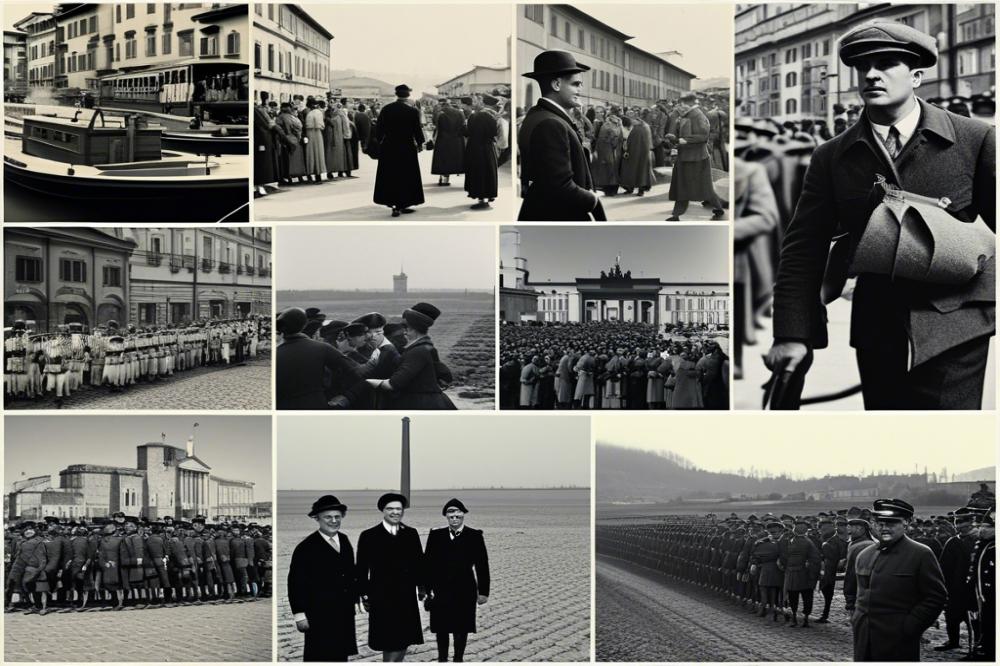
Italian migration to Germany has deep roots that trace back more than a century. Early movements were often driven by the search for better economic opportunities. In the late 19th century, many Italians left their rural homes in search of work. They faced hardships, but hope for a better life pushed them forward. Poor economic conditions in Italy motivated entire families to embark on long journeys. These early migrants settled primarily in industrial cities.
After World War II, the pattern of migration shifted significantly. Germany was in dire need of labor to rebuild its economy. The Wirtschaftswunder, or economic miracle, created a demand for workers. Many Italians were recruited as “guest workers.” They came with dreams of prosperity, along with their skills and trades. This wave of economic migration established a strong presence of the Italian community in various sectors.
Contributions to the labor force were substantial. Italians played a key role in industries such as construction and manufacturing. Their hard work helped to shape the booming post-war economy in Germany. Over the years, they not only filled job vacancies but also brought their rich cultural heritage along. This led to a vibrant cultural exchange between locals and the diaspora.
Integration into German society wasn’t always easy. Many faced language barriers and cultural differences. However, over time, they established their own identities within the fabric of German life. Festivals celebrating Italian traditions became common. Food culture also flourished, with countless Italian restaurants springing up across the country. Their influence is evident through popular dishes that seamlessly blend into German dining experiences.
The Italian heritage remains alive in many German cities today. Communities continue to celebrate their roots with pride. This dynamic blend of cultures enriches both German and Italian identities, showcasing how diverse influences can come together. The story of Italians in Germany is not just about migration; it is a testament to resilience and the beauty of adaptation.
Economic Impact of the Italian Community
The Italian community in Germany plays a crucial role in various industries and sectors. Many Italians work in construction, hospitality, and manufacturing. Their skills contribute significantly to these fields. With rich culinary traditions, Italians have influenced the food culture throughout Germany. Cities like Berlin and Munich celebrate this influence during festivals that highlight Italian cuisine.
Contributions made by the Italian diaspora are not limited to food. The presence of Italian businesses enhances local economies. Restaurants, cafés, and gelaterias flourish, drawing on the rich heritage of Italy. Beyond mere culinary offerings, these establishments create jobs and generate revenue. The economic migration of Italians bolsters Germany’s labor force. This influx aids the country in meeting demands in various sectors.
However, challenges remain for Italian migrants in the labor market. Integration can be a complex process. Many face language barriers that hinder job opportunities. Navigating bureaucratic systems to obtain the right permits is also difficult. Others encounter discrimination or biases, impacting their employment prospects. It is vital for host societies to recognize these hurdles. Supporting cultural exchange and understanding can pave the way for better opportunities.
Despite these obstacles, the Italian community continues to flourish in Germany. Their tenacity and ambition drive them forward. Resilience often helps them build lives, even in a foreign land. The contributions of Italians have enriched Germany, making the ties between these cultures even stronger.
Cultural Exchange and Integration
Italian culture has made a significant impact on German society over the years. This influence is evident in various areas, such as the thriving food culture. Many Germans now enjoy pasta, pizza, and espresso as part of their everyday meals. Popular Italian restaurants can be found in almost every city, serving delicious and authentic dishes. Festivals that celebrate Italian heritage attract large crowds, showcasing music, art, and culinary delights. These events draw people from diverse backgrounds, promoting a sense of community.
The Italian community in Germany has put considerable effort into integration. They have established organizations that support newcomers. These groups aid in navigating the complexities of life in a new country. Moreover, they provide resources for learning the German language, which is essential for daily interactions and employment. Such support networks allow immigrants to connect with one another and share their experiences. Many Italians view integration as vital to their existence in Germany.
Educational and social programs play a pivotal role in promoting intercultural dialogue. Schools often organize events that celebrate different heritages, including the Italian diaspora. Such initiatives foster understanding and respect among students from various backgrounds. Workshops about Italian traditions and crafts engage both youths and adults. They provide a platform for showcasing the rich history of the Italian community. Furthermore, collaboration between local German and Italian artists has led to vibrant cultural exchanges, enhancing the overall experience for everyone involved.
Integration is not just a responsibility of the newcomers. The German society also adapts and evolves as it interacts with Italian culture. People discover new perspectives and ways of life through this exchange. There is often a shared appreciation for the arts and culinary skills that both communities bring. The blending of traditions can be seen in many cities, where Italian and German influences coexist harmoniously. This cultural mingling broadens the horizons of everyone involved.
Food Culture and Culinary Influence
Italian cuisine has made a significant mark in Germany, especially since the waves of economic migration. The love for pasta, pizza, and gelato has grown over the decades. Many Germans have found comfort in these familiar dishes. For countless families, a slice of pizza or a bowl of spaghetti is just as common as a traditional German meal.
Popularity of Italian restaurants has surged across cities. Whether in bustling metropolises or small towns, these eateries have become staple dining options. Diners can often enjoy cozy atmospheres enriched with vibrant decor. Menu items like lasagna and risotto are among the favorites. Everyone seems to have their own preferred dish they can’t resist. Various regions in Germany now host Italian bistros and fine dining establishments. The Italian community has played a crucial role in this culinary expansion.
Festivals celebrating food and cultural heritage occur throughout the year. Events showcase not just cuisine but also Italian traditions. Many fairs feature cooking demonstrations and tastings of authentic dishes. Local markets often sell Italian products like olive oil and cheeses, highlighting the importance of this cultural exchange. People from all backgrounds come together, enjoying the flavors of Italy.
The integration of Italian culinary styles into the German food culture is noticeable. Chefs blend traditional Italian recipes with local ingredients. This fusion often results in delightful twists on classic favorites. Many in the diaspora contribute their skills and knowledge, bringing recipes handed down through generations. They also share stories about their heritage, creating a deeper connection with their audiences.
Food remains a powerful way to connect diverse communities. Sharing a meal fosters understanding among various cultures. Italian festivals often feature music, arts, and crafts alongside food. These gatherings help celebrate not just the dishes but the entire essence of Italian life, deepening ties between the two cultures.
Cultural Heritage and Festivals
The Italian community in Germany brings vibrant festivals that celebrate their rich traditions. Each year, events like the Ferragosto Festival attract many people. This celebration occurs in mid-August, marking the Assumption of Mary. Families gather to enjoy authentic Italian food, music, and dance. Such festivities highlight the unique blend of Italian culture and the local environment.
Cultural events play an essential role in preserving heritage. They offer a space for people to share their customs with others. Through cooking classes, art exhibitions, and language workshops, younger generations connect with their roots. These gatherings foster a sense of belonging among community members. They help Italian descendants appreciate their history and traditions.
Impacts of cultural festivals on the wider community are significant. Celebrations encourage cultural exchange between Italians and Germans. Local residents often join in, eager to learn about Italian food culture. This interaction builds bridges and fosters integration. People from different backgrounds meet, sharing stories, laughter, and delicious meals. Such activities create a mixed atmosphere where everyone feels welcome.
Another remarkable aspect of these festivals is their economic contribution. Local businesses often get a boost during these events. They sell food, crafts, and drinks that appeal to festival-goers. This activity supports not just the Italian community but also the larger local economy. Members of the diaspora remain active contributors to their new home.
The festivals serve as a reminder of how economic migration shapes communities. As Italians settle in Germany, they bring their culture. It enriches the social fabric of society. Not only do festivals celebrate the past, they also pave the way for future generations. Knowledge of traditions can remain alive through these vibrant public displays.
In summary, cultural heritage and festivals play a crucial role in the life of the Italian community. They represent a fusion of tradition, community spirit, and social interaction. Through these events, individuals deepen their sense of identity within the broader canvas of German society.
Contemporary Issues and Future Outlook
Current Trends in Italian migration in Germany
Recently, the number of Italians migrating to Germany has increased. Many are seeking better job opportunities. Young professionals are particularly drawn to sectors like technology and engineering. Older generations also continue to contribute to the workforce, especially in trades familiar to them. This ongoing wave of economic migration reflects the broader patterns seen across Europe. Cities like Berlin and Munich are now home to vibrant Italian communities. Language barriers can still pose challenges, but numerous initiatives aim to help newcomers adapt swiftly.
Challenges and Opportunities for Future Generations
Future generations face both hurdles and advantages. Integration remains a crucial issue for young Italians. Navigating a new culture while maintaining their roots can be demanding. However, many find ways to balance both identities. They often celebrate their heritage through food culture and festivals. This blending of customs enriches the local communities. Educational opportunities are also expanding, which can lead to professional advancement. Connections to Italy continue to be strong, offering a bridge between the past and future.
The Role of the Italian Community in Shaping Germany’s Multicultural Landscape
The Italian community plays an essential role in Germany’s multicultural landscape. They have contributed to the labor force in various industries, creating a mosaic of cultures. Over the years, food culture has become a key part of life in many cities. Italian restaurants, markets, and festivals showcase their heritage. Such events foster cultural exchange, inviting others to experience Italy’s traditions. Their presence continues to encourage dialogue among different ethnic groups. Ultimately, the Italian diaspora has influenced perceptions of immigration in Germany, highlighting the benefits of diversity.
Closing Thoughts
The impact of the Italian community in Germany has been significant in both economic and cultural realms. Many Italians have moved to Germany seeking better job opportunities. Their contributions have enriched the workforce, enhancing various industries. This migration reflects not just a search for prosperity but also a desire for a better life. cultural influences have also been profound, with Italian cuisine, art, and traditions merging into the German landscape.
Understanding the motives and experiences of Italians who migrate to Germany is essential. It sheds light on broader patterns of economic migration that shape societies. These stories go beyond numbers and statistics; they highlight the human side of migration. Recognizing this helps society empathize with the challenges and successes of immigrants, fostering a more inclusive environment.
The relationship between Italian and German cultures continues to evolve. As each community learns from the other, there is potential for collaboration and mutual respect. Festivals, food, and music often serve as bridges between these two cultures. Such connections emphasize the rich tapestry created through diversity and shared experiences. There is much to celebrate in these ongoing interactions.
In summary, the Italian influence in Germany is a testament to the dynamic nature of cultural exchange. Both communities benefit from this interplay, creating a more vibrant society. Embracing these connections can lead to a brighter future for all involved.

