
Introduction
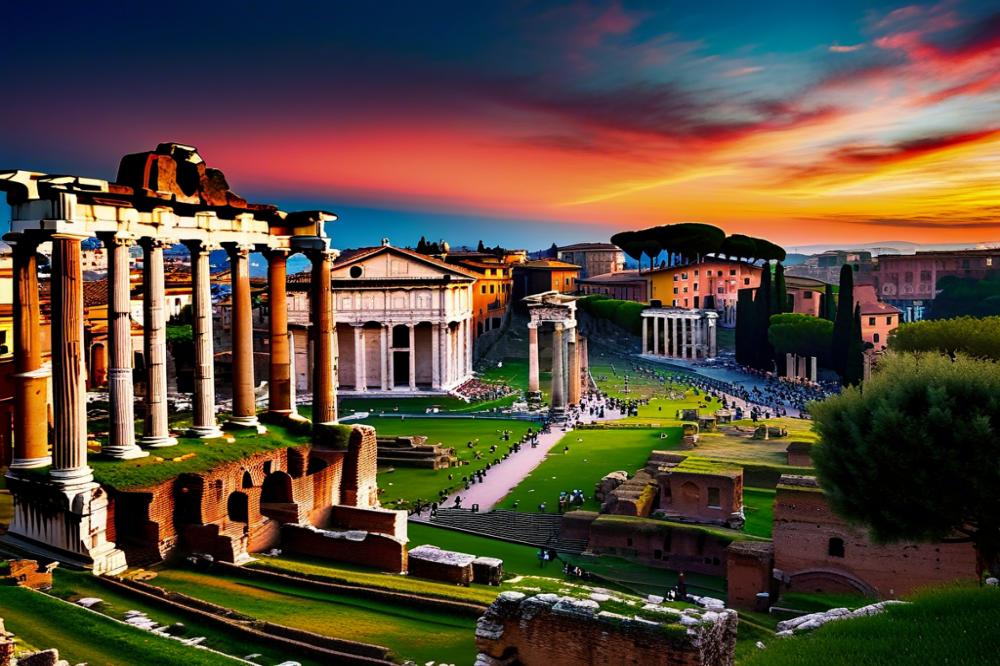
Walking through the ruins of ancient Rome, one instantly feels the weight of history surrounding them. Italy-from-verona-to-ostia-antica”>Roman Forums served as bustling public squares, central to life in the Empire. These archaeological sites reveal much about the culture, architecture, and daily activities of a civilization that has fascinated people for centuries.
The importance of these forums cannot be overstated. They were not just places for political discussions or commerce; they provided a space for social interaction and public events. Many of the landmarks that stand today offer a glimpse into the lives of Romans, showcasing their values, artistry, and innovations. This heritage helps us understand how ancient societies developed and thrived.
Italy draws millions of tourists eager to explore its rich past. The allure of historical tourism lies in the ability to witness firsthand the remnants of ancient greatness. Strolling through these remarkable sites, visitors can feel a connection to the stories that echo through time. Each step taken on the cobbled streets or amidst the ruins brings the history of Rome to life.
The Role of Roman Forums in Ancient Rome
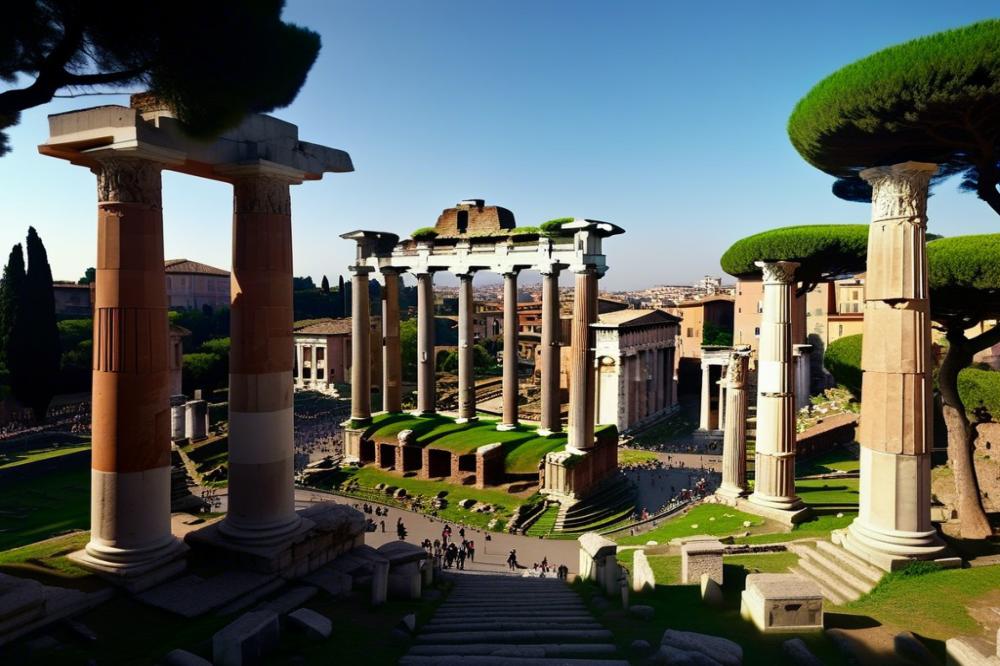
In ancient Rome, forums served as the heart of public life. These vibrant spaces were not just gathering spots; they were multifaceted venues for social, political, and religious activities. Citizens flocked to these sites to engage in discussions, hear speeches, or participate in various ceremonies. Understanding their role helps us appreciate the complexities of Roman culture.
Architecture played a crucial role in the design of these public squares. Each forum featured impressive buildings that showcased the styles of the time. Temples, basilicas, and marketplaces surrounded vast open areas. Ruins of these structures allow modern visitors to glimpse the grandeur of the past. Noteworthy landmarks, like the Forum Romanum, stand testament to the skills of ancient architects.
Cultural significance of these locations cannot be overstated. The forums were essential in fostering community spirit among the people. Festivals, markets, and political rallies helped to unify Roman society. Archaeological sites today reveal how communities thrived in these spaces. Each gathering added a layer to the rich tapestry of heritage that shaped ancient Rome.
Tourism has brought renewed attention to these historic landscapes. Visitors from around the globe come to walk through these ancient sites. They seek to understand the legacy of Rome and its impact on today’s world. Through guided tours, people can explore the past while reflecting on its influence on modern life. This intersection of history and culture makes the forums even more captivating.
Walking among the ruins inspires a sense of connection to those who lived thousands of years ago. Each stone tells a story of political triumphs and social hardships. The experience of being in such iconic spaces sparks curiosity. People often find themselves pondering the daily lives of Romans who once occupied these vibrant squares. The combined allure of architecture and heritage continues to draw crowds, making these sites vital to understanding ancient Rome.
Top Roman Forums to Explore in Italy
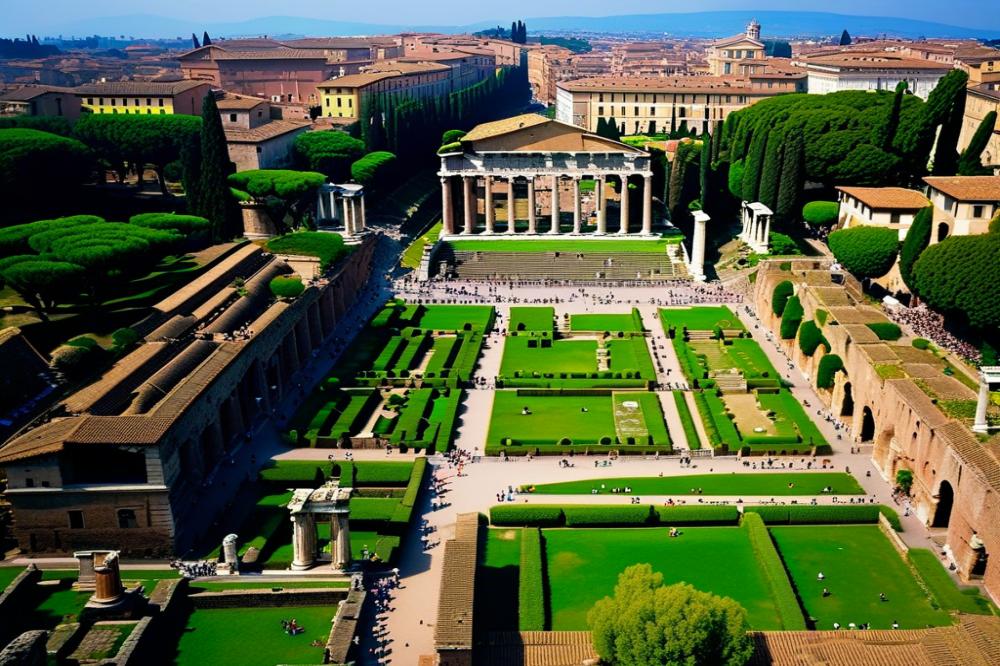
The Roman Forum in Rome stands as the heart of ancient Rome. This public square once buzzed with political discussions and social gatherings. Today, visitors walk among its ruins, where important temples and vibrant markets once thrived. Architectural remnants like the Temple of Saturn and the Curia still impress with their scale and design. Tourists marvel at these landmarks, gaining insight into the city’s rich history and culture.
Forum of Pompeii
The Forum of Pompeii offers a fascinating glimpse into life before the infamous eruption of Mount Vesuvius. The archaeological site showcases impressive buildings, including basilicas and shops, that played vital roles in daily life. Visitors can see the well-preserved layout and imagine the bustling atmosphere. Significant archaeological work reveals much about the city’s culture during ancient times. As a UNESCO World Heritage site, it serves not only as a tourist destination but also as an important educational resource.
Forum of Ostia Antica
Venturing beyond the popular cities, the Forum of Ostia Antica awaits exploration. This lesser-known site boasts extensive ruins that paint a vivid picture of Roman urban life. Once a thriving port, Ostia was filled with merchants and travelers. Walking through its remnants, you can see amphitheaters, warehouses, and temples. These structures highlight the architectural advancements of the time. They also reflect the diverse culture and commerce that flourished here. It’s an ideal escape for those seeking a quieter, yet equally rich, historical experience.
Preservation and Heritage of Roman Forums
Archaeological sites in Italy attract millions of tourists each year. Preserving these ancient ruins is not just about maintaining structures; it’s about safeguarding history and culture. Teams of archaeologists and conservationists work tirelessly to protect these landmarks. They use modern techniques to examine and restore original architecture. This ongoing effort plays a crucial role in the legacy of ancient Rome.
Tourism significantly impacts preservation efforts. While visitors bring in revenue, large crowds can cause wear and tear on fragile sites. Steps are taken to manage the flow of tourists, especially during peak seasons. Information campaigns educate the public on being respectful while exploring these public squares. Visitors are encouraged to engage with their surroundings, which fosters a deeper understanding of historical significance.
Heritage education is vital for promoting awareness of ancient culture. Schools and local organizations conduct workshops and guided tours that delve into the stories behind each ruin. Such initiatives ignite curiosity and passion among younger generations. Learning about the past enriches people’s lives and helps them appreciate the architecture of these forums. It connects them to the very roots of civilization.
In various cities, interactive exhibits showcase artifacts found at these sites. These displays highlight not only architectural achievements but also daily life in ancient Rome. Events and festivals often celebrate historical milestones, further engaging communities. In this way, preservation becomes a collective effort. From local students to international tourists, everyone plays a part in the ongoing journey of understanding and protecting these remnants of history.
Visiting Roman Forums: Tips for Tourists
Planning a visit to the ancient sites of Italy can be exhilarating and overwhelming. Roman forums are often busy, especially in the summer. To get the most from your experience, consider visiting early in the day. Mornings tend to be less crowded and the temperatures are cooler. Weekdays are often better than weekends for avoiding long lines.
When creating your itinerary, think about combining visits to several archaeological sites located near each other. For example, the Forum Romanum and the Palatine Hill can easily be visited together. Tracing the history of ancient Rome provides context for the architecture and ruins you’ll see. Spending a few hours at each location allows you to explore their unique features, from public squares to crumbling landmarks.
Best Times to Visit
The best times to experience the forums are spring and fall. During these months, the weather is pleasant for walking. Crowds are generally thinner compared to the peak summer tourism season. Watching for local holidays can also be useful. Many cultural events and activities occur during these times, enhancing your visit.
Guided tours often offer deeper insights into the rich heritage of these sites. Look for tours that incorporate storytelling and history. Many guides know fascinating tales that bring the ancient world to life. Taking the time to join a tour can greatly enrich your understanding.
Cultural Events and Activities
Final Thoughts
The Roman forums are key to understanding the grandeur of ancient Rome. They served not just as marketplaces, but also as social and political centers. Walking through these landmarks allows us to connect with our past in a tangible way. Each stone tells a story, revealing the daily lives, beliefs, and power struggles of a civilization that shaped much of today’s world.
Visitors to these sites will find more than just ruins. They will uncover layers of history and architecture that have influenced various cultures throughout time. Imagine standing where crowds once gathered to hear powerful speeches or witness public events. The atmosphere is rich with echoes of the past, inviting reflection and discovery.
Exploring these historical gems can ignite a sense of curiosity. Each forum offers its own narrative, encouraging local and global travelers alike to step back in time. The experience transcends mere sightseeing; it fosters a deeper appreciation for the impact of Roman culture on our modern lives.
The legacy of this ancient civilization continues to resonate today. From governmental structures to artistic endeavors, the influence is unmistakable. Engaging with these landmarks enriches our understanding of history and strengthens our connection to the present. So, whether you are a history buff or simply a curious traveler, take the time to visit these remarkable sites. You might find something that sparks your own journey of exploration.

