
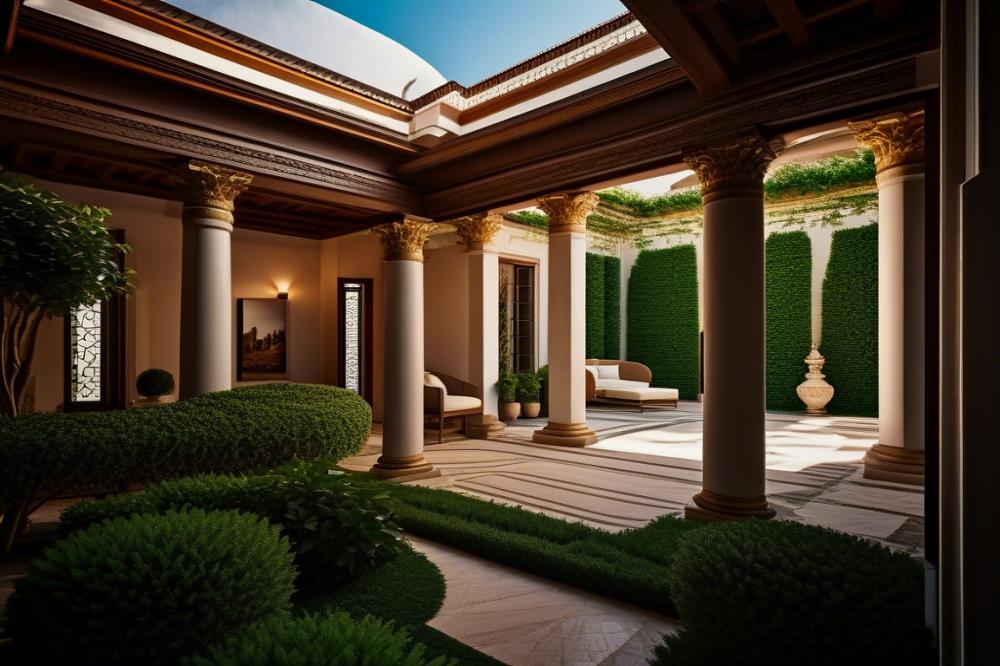
Hidden Roman Houses of Italy: Mosaics, Frescoes, and Everyday Life
The Roman Empire once stretched across vast territories, influencing cultures from Britain to North Africa. Its legacy remains deeply embedded in the architecture, language, and art of many modern societies. A keen understanding of this ancient civilization can be obtained by examining the homes where everyday life unfolded. The domestic spaces of Ancient Rome reveal much about the values, customs, and daily activities of those who lived there.
Roman Houses serve as an important portal into the distant past. Through artistry like Mosaics and vibrant frescoes, we can glimpse the lives of ordinary people as well as the elite. These historical homes contain clues about family life, social dynamics, and even the economy of the time. When we decode these elements, a picture emerges of a culture that valued both beauty and functionality.
Among the most famous archaeological sites are Pompeii and Herculaneum. Both cities were remarkably preserved due to volcanic ash, allowing modern explorers to step back into a time long forgotten. The ruins of these ancient settlements showcase stunning examples of Roman art and architecture, revealing how people interacted with their environments. They provide valuable insights into the structure and significance of domestic life during the empire’s peak.
Understanding Roman houses and their intricate decorations forms a backbone for studying the broader aspects of Roman life. The blend of aesthetics and practicality highlights the skill of ancient artisans. Preservation of these elements offers a glimpse into the unique cultural heritage we still admire today.
Roman Houses and Daily Life
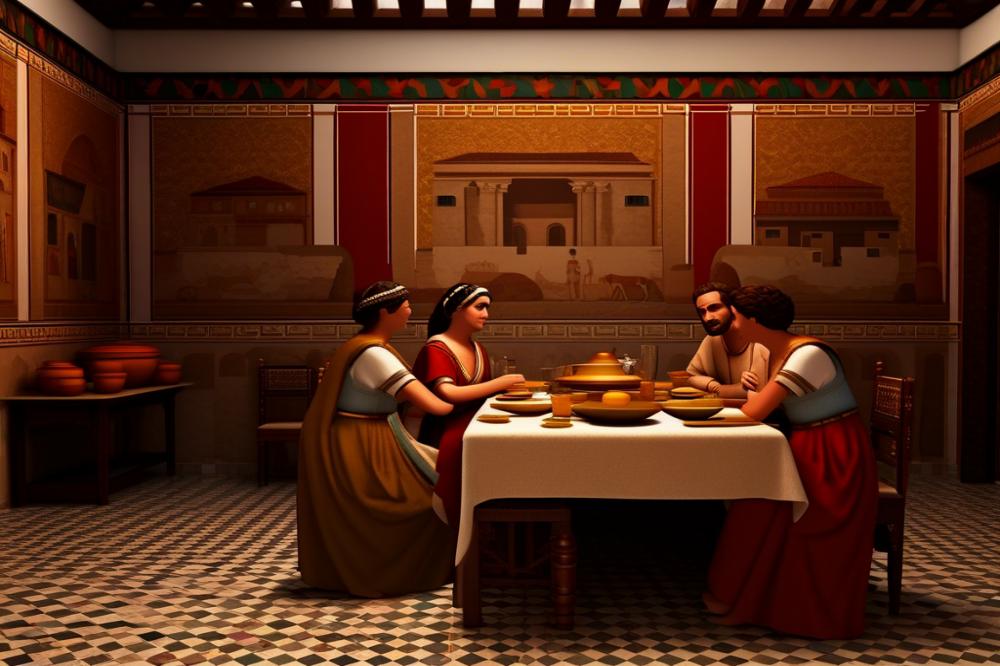
Exploring the domestic spaces of Ancient Rome reveals much about the people who lived there. Typical Roman homes often featured open courtyards known as atria. These areas served as living rooms where families gathered. Rooms branched off from the atrium, each with a different purpose. This layout reflects a designed organization that maximized both space and daily activities.
Architecture played a crucial role in defining the lives of the household. Wealthy families enjoyed more elaborate homes with multiple rooms and elaborate frescoes. In contrast, poorer citizens lived in simpler structures that were smaller and less decorated. The use of light wells and courtyards highlighted the importance of natural light. Such design elements show how Romans adapted their homes to suit their environments.
Archaeology offers insights into the daily life of Romans through discoveries in sites like Pompeii. Excavations have uncovered objects like cooking utensils and personal items. These artifacts give a glimpse into the routines of ancient families. Understanding the uses of space helps illuminate how domestic life unfolded in these historical homes. From communal meals to private moments, each object speaks volumes.
The design of a house often reflected the social status of its inhabitants. Wealthier Romans displayed their riches through intricate mosaics and fine decorations. Frescoes adorned the walls, depicting scenes from mythology and daily life. Meanwhile, less affluent families focused more on functionality than luxury. This stark contrast illustrates the varying lifestyles across Ancient Rome, highlighting the role of social class in domestic architecture.
Roman art, especially seen in the frescoes of preserved homes, provides cultural heritage that continues to fascinate. Homes in cities and towns often mirrored the cultural influences of their time. The beauty of these ancient embodiments captures the essence of a civilization that thrived long ago. Each discovered home tells a story that enriches our understanding of the human experience in Ancient Rome.
Art in Roman Houses: Mosaics and Frescoes
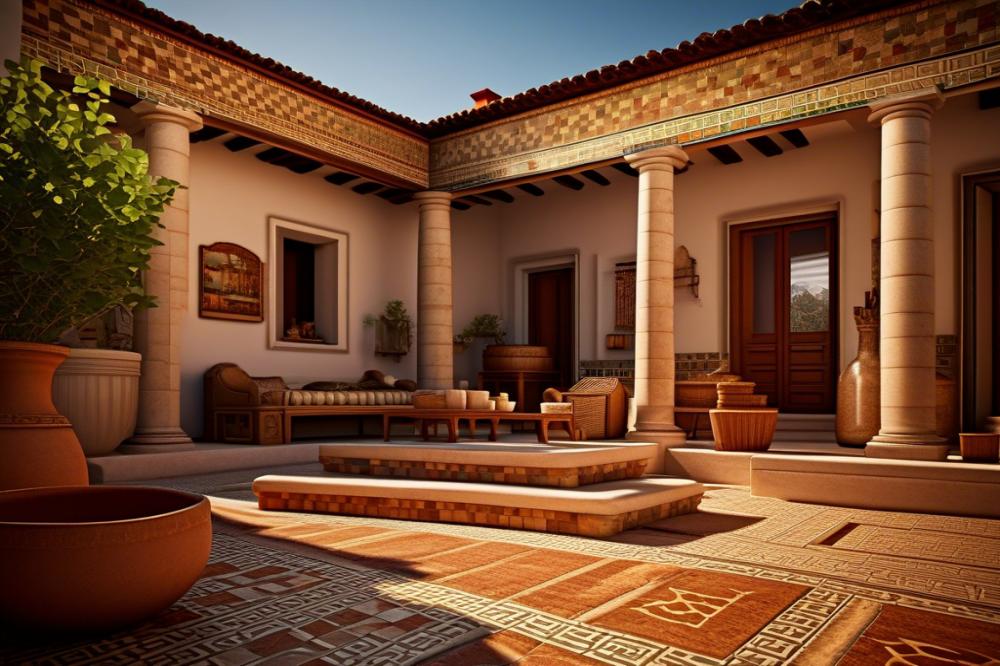
Roman art played a vital role in shaping the aesthetic landscape of ancient civilization. Mosaics and frescoes adorned domestic spaces, telling stories through images. These artworks were not only beautiful but also served practical purposes. They transformed mundane rooms into vibrant showcases of creativity.
Techniques used by ancient artists were fascinating. Mosaics consisted of tiny colored stones or glass pieces, meticulously arranged to form images. This labor-intensive process resulted in stunning floor designs. Frescoes, on the other hand, involved painting on wet plaster. As the plaster dried, the colors became an integral part of the wall, creating a long-lasting piece of art.
Significant examples of these artistic expressions are found throughout hidden historical homes. Pompeii, preserved beneath volcanic ash, offers a treasure trove of mosaics and Frescos. The House of the Vettii is one notable site, featuring intricate designs that reflect the wealth and taste of its owners. Other less famous houses also contain remarkable artwork, providing a glimpse into the nuanced lives of their inhabitants.
Understanding these pieces goes beyond mere aesthetics. Mosaics and Frescos often depict scenes from daily life, mythology, and nature. They reveal the values and beliefs of Roman society. For instance, many people adorned their homes with images of gods, emphasizing their devotion. What’s depicted in these artworks speaks volumes about social structures and daily routines.
This art also highlights the cultural heritage of Ancient Rome. Unlike grand temples or public buildings, these domestic artworks give insight into personal lives. The imagery serves as a window into the attributes of comfort, luxury, and even spirituality that occupied the minds of ordinary Romans.
Mosaics and frescos continue to captivate historians and archaeologists alike. They not only detail the artistic flair of the times but also help us appreciate the intricacies of daily existence. The preservation of these artworks is essential for understanding our shared past. Ancient civilizations, through their creativity, left behind legacies that revive their stories even today.
Archaeological Discoveries and Cultural Heritage
Archaeology plays a vital role in revealing the secrets of ancient homes in Italy. Through careful excavation, researchers uncover fragments of daily life in Ancient Rome. Artifacts like pottery, tools, and even coins provide insights into the routines of those who lived there. Mosaics and frescoes also tell stories about the values and aesthetics of the time.
Among the notable sites, Pompeii stands out prominently. This ancient city, preserved under layers of volcanic ash, offers a unique perspective on Roman domestic spaces. Excavations have revealed beautifully decorated villas, complete with intricate frescoes that depict both mythological tales and everyday moments. Such discoveries deepen our understanding of Roman art and architecture.
Other significant finds include the House of the Vettii in Pompeii, known for its vibrant wall paintings. Visits to the site allow individuals to step into a world left behind nearly 2,000 years ago. These historical homes serve as portals to the past, where people can see how social structures influenced design and functionality.
The contribution of these hidden residences to cultural heritage cannot be overstated. They serve as tangible links to an ancient civilization that continues to captivate people today. Preservation of these archaeological finds is crucial. Efforts to maintain the integrity of sites like Pompeii face many challenges, such as environmental wear and modernization pressures. Continued funding and awareness are essential to safeguard this invaluable heritage.
Moreover, as tourism grows, balancing visitor access with preservation needs becomes increasingly complex. Archaeologists and local authorities strive to protect the delicate ecosystems surrounding these sites. Engaging communities in conservation efforts is also key to building a collective sense of responsibility for these treasures.
The Significance of Roman Houses in Historical Context
Roman houses reveal much about the past. They connect us to the broader narrative of Ancient Rome. These historical homes provide insights into daily life, social classes, and cultural practices. Each structure tells stories of families, their roles, and their wealth. Archaeology uncovers these hidden gems, allowing us to piece together their lives.
Domestic spaces from this civilization have influenced architecture throughout history. Many aspects of Roman domestic architecture can be seen in later cultures. The open atrium and intricate mosaics laid a foundation for innovative designs in Europe. Roman art, especially frescoes, inspired artists and architects for centuries. The beauty of these designs continues to be celebrated today.
Values of the Romans manifest in their homes. They believed in family, wealth, and public image. Rooms were often designed to showcase art and achieve social status. Mosaics and frescoes decorated the walls, emphasizing not just aesthetics but personal stories. In places like Pompeii, well-preserved examples show how people lived and entertained guests. These findings highlight the importance of community and social gatherings in their culture.
Understanding Roman houses deepens our appreciation for cultural heritage. Their influence stretches into modern times, shaping how we think about home and community. Through archaeology, we gain a slice of life from another era. Each discovery enriches our knowledge of this ancient civilization. As we explore these spaces, we celebrate their contributions to architecture and art.
Final Thoughts
Examining hidden houses from Ancient Rome provides fascinating insights. These sites offer a glimpse into daily life in a culture known for its sophistication. Mosaics and frescos often reveal the artistic talents and values of the people who lived there.
Studying domestic spaces allows us to connect with history in a tangible way. Understanding how ordinary Romans lived helps bring the past to life. We see not just grand structures, but personal stories and traditions woven into the very fabric of their homes. This knowledge can deepen our appreciation for their lifestyles and challenges.
Exploring Italy’s cultural heritage sites serves as an important reminder of our collective past. Encouragement is offered to travelers and history enthusiasts alike to venture beyond the popular tourist spots. Uncovering these lesser-known treasures can be a rewarding experience. We encourage everyone to immerse themselves in the sights and stories waiting in these remarkable locations, helping to preserve the lessons of ancient civilization. Each visit creates a deeper respect for our shared history, and the beauty of it resonates long after you leave.

