
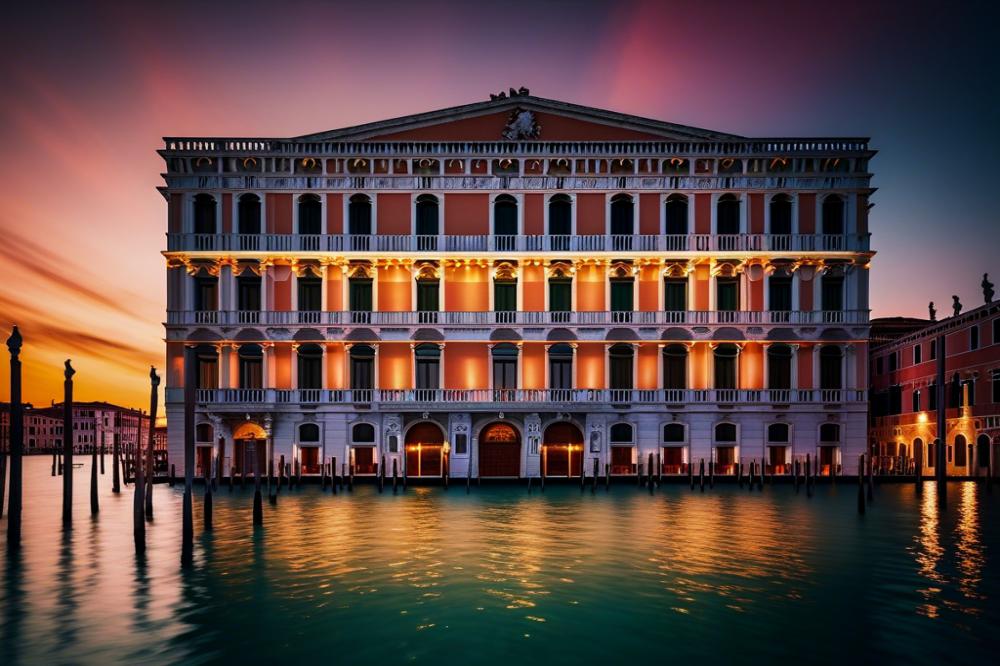
opera“>Teatro La Fenice: A Cultural Beacon in Italy
The significance of the opera house in Italy’s cultural landscape cannot be overstated. It stands as a testament to the rich history of opera and music. Located in Venice, Teatro La Fenice has played a pivotal role in bringing the magic of live performances to audiences for centuries. Its architectural design is not only beautiful but also functional, enhancing the experience for both performers and spectators.
This venue has experienced challenges throughout its history, yet it remains resilient. It has faced devastating events, including fires that destroyed parts of the structure. Each time, restoration efforts have brought the opera house back to life, showcasing the community’s dedication to preserving its cultural heritage. As a result, Teatro La Fenice has become a symbol of perseverance, reflecting the spirit of Venice itself.
Music enthusiasts from around the globe flock here to witness grand performances. The diverse repertoire ranges from classical masterpieces to contemporary works. Each show breathes life into the words of great composers, providing unmatched experiences. Furthermore, its status attracts tourists, boosting the local economy and emphasizing the importance of art in everyday life.
Every visit offers more than just an evening of entertainment; it connects people to the broader story of Italian culture. Beyond the stage, the interactions that occur within its walls highlight the role of the arts in fostering community and love for tradition. The impact of Teatro La Fenice continues to resonate not only in Venice but also across the entire nation. Its enduring legacy shapes the future of opera in Italy, inspiring generations to come.
The Historical Journey of Teatro La Fenice
Foundation and Early Years of the Opera House
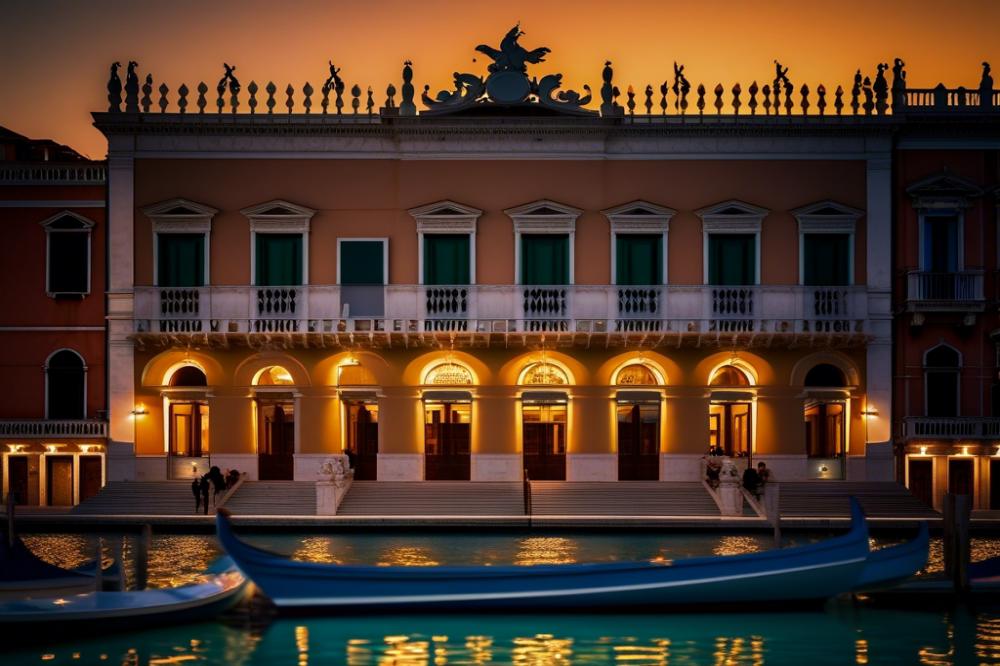
The story begins in 1792. That year, a group of wealthy Venetian aristocrats decided to build a new opera house. They sought a venue that could bring the best music and performances to the vibrant city. The result was a beautiful structure, characterized by its striking architecture. It quickly became a central hub for opera lovers in Italy. The name La Fenice, which means “The Phoenix,” symbolizes rebirth and resilience.
Major Historical Events, Including Fires and Restorations
Tragedy struck in 1836 when a devastating fire almost destroyed the opera house. Soon after, restoration efforts began. The rebuilt theater opened in 1837, more splendid than ever. Sadly, another fire ravaged the structure in 1996, leading to another round of restoration. This time, the work took several years. Through these challenges, the venue has consistently emerged stronger. Each restoration has given it a fresh identity while respecting its rich history.
Cultural Significance and Its Role in Italian Opera History
Teatro La Fenice plays a crucial role in Italy’s cultural landscape. Many famous composers, like Verdi and Wagner, premiered their works here. The venue has hosted countless performances that shaped the opera genre. Visitors come from all over the world to experience its magic. Its connection to the city’s history makes it a key attraction for tourism. Beyond just a place for performances, it serves as a symbol of the resilience of the arts in Venice. The opera house stands as a testament to the enduring spirit of music and culture in Italy.
Architectural Grandeur
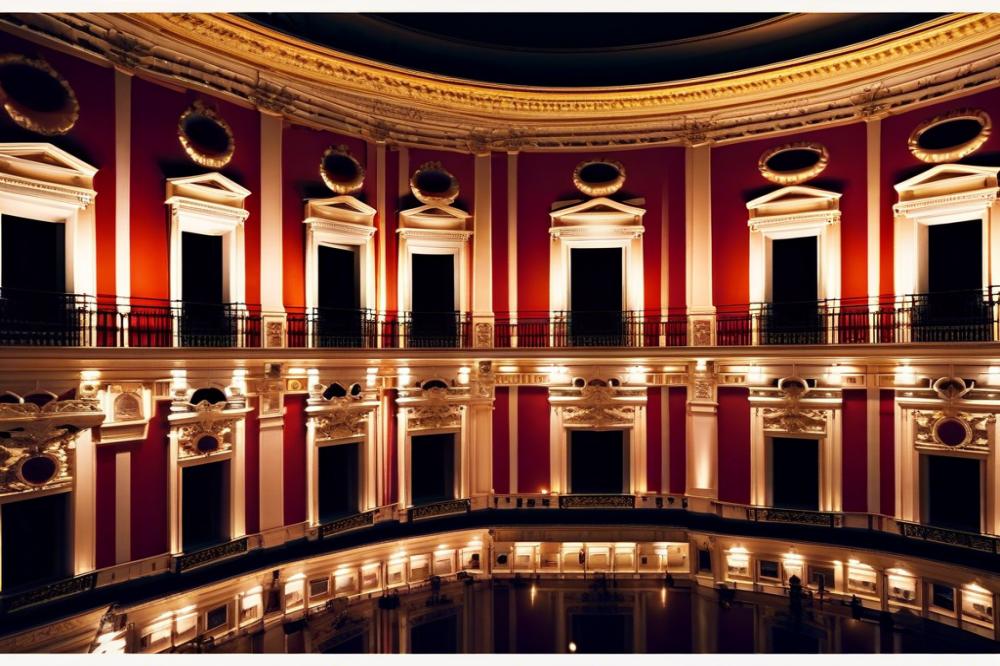
Teatro La Fenice is a remarkable example of Venetian architecture. It showcases a blend of styles that reflects Italy’s rich cultural history. The neoclassical and eclectic influences stand out, giving the building its striking appearance. Its design features elaborate decorations, grand staircases, and an opulent interior that draws visitors from around the world.
Key features include the majestic foyer adorned with beautiful chandeliers and a decorative ceiling. The main auditorium impresses with its tiered seating and stunning box arrangements. Each element embodies the heart of opera, enhancing the experience of every performance. Large murals and intricate frescoes cover the walls, illustrating the vibrant connection between art and music.
This opera house also tells the story of resilience. After devastating fires, the theater underwent meticulous restorations, preserving the original design while adding modern touches. The architecture stands as a testament to the city’s dedication to its cultural heritage. La Fenice’s continuous evolution demonstrates Venice’s unwavering commitment to the arts amidst change and adversity.
Venetian culture plays a significant role in the architecture of this iconic venue. Its design reflects the city’s rich artistic vision, revealing a love for beauty and performance. Visitors experience not just a place for music, but also a piece of history. Each performance resonates with the spirit of Venice, making it a top destination for tourism in Italy.
Resilience and Restoration Efforts
For over two centuries, fires have posed significant threats to Venice’s famed opera house. The first major fire occurred in 1774, causing extensive damage to the interior and forcing a restoration. This incident marked the beginning of a history intertwined with flames. Another devastating fire struck in 1996, literally reducing the building to ashes. This destruction felt like a deep wound for the city’s cultural heritage. Many feared this iconic venue, which hosted grand performances, might never rise again.
Restoration efforts following the 1996 fire faced numerous challenges. Architects and craftsmen worked tirelessly to rebuild the theatre, aiming to recreate its original splendor. They meticulously studied surviving drawings, paintings, and historical records to grasp its former beauty. A critical objective was to restore La Fenice to its previous glory while accommodating modern needs. Funding posed yet another hurdle. Donations poured in from opera lovers, but costs continued to escalate throughout the rebuilding process.
Modern restoration techniques played a vital role in this project. Artisans employed cutting-edge tools alongside traditional methods. They wanted to respect the architectural style while ensuring structural integrity. The use of advanced materials helped modernize the building without losing its character. As a result, many aspects of the original design remain intact. This blend of old and new serves both music enthusiasts and historians.
Today’s performances continue to attract tourists from around the globe. Each show represents a testament to the resilience of this magnificent opera house. Visitors not only enjoy stunning productions but also engage with the building’s rich history and unique architecture. Through resilience and dedicated restoration, Venice ensures this cultural mecca lives on for future generations.
Cultural Impact and Performances
Significance in the Contemporary Opera Scene
Teatro La Fenice plays a crucial role in today’s opera world. Its rich history and magnificent architecture draw opera lovers from around the globe. This venue has become synonymous with high-quality performances and artistic excellence. Many consider it a symbol of resilience, as it has risen from the ashes multiple times. Its ongoing commitment to music and culture keeps classical opera relevant even in modern times.
Notable Performances and Contributions to Music
Numerous memorable performances have graced the stage. Famous operas like Verdi’s “La Traviata” and Puccini’s “Madama Butterfly” have had their world premieres here. Each production adds to the legacy of this venue. These shows have not only delighted audiences but also elevated the status of Italian opera. Artists and composers frequently look to this house as a hallmark of excellence. The innovative performances create excitement and inspire new generations of musicians.
Role in Promoting Opera Tourism
Tourism centered around opera has flourished in Venice and throughout Italy. Many travelers seek authentic cultural experiences, and attending a performance is a perfect way to do that. The local economy benefits significantly from visitors drawn by the arts. Enormous crowds flock to La Fenice, eager to witness the unique blend of music and history. This opera house has become a must-see attraction in a city known for its scenic beauty and artistic heritage. The combination of fine dining, stunning architecture, and outstanding opera showcases the best of Italian culture.
Enduring Legacy of Teatro La Fenice
The importance of this renowned opera house extends far beyond its physical structure. It stands as a resilient symbol of culture and art amid Venice’s rich history. Overcoming challenges like fire and war, it showcases the determination of artists and the community to preserve their heritage. With every performance, this venue tells a story of revival and passion.
Ongoing contributions to the world of opera make it a cornerstone of the cultural landscape. Future generations will undoubtedly be shaped by its influence, as both new and classic works continue to resonate with audiences. The magic of the theater, combined with its storied past, creates an atmosphere unlike any other. Patrons leave with a sense of connection to something greater than themselves.
A visit to the magnificent venue is sure to be memorable. Immerse yourself in its beauty and history while experiencing a live performance. The energy of the audience, the talent of the performers, and the stunning architecture all come together to create an unforgettable experience. Make the trip to witness firsthand what makes this space truly special. You will not regret it.

