
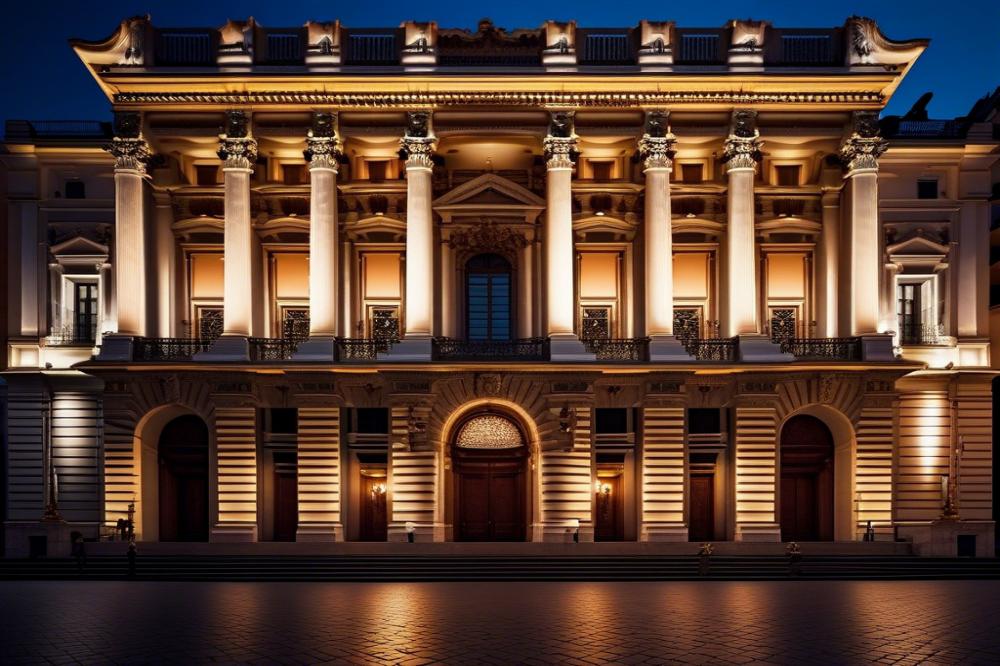
The Historic Charm of Teatro di San Carlo in Naples
The Teatro di San Carlo stands as a remarkable beacon among Italy’s most renowned opera houses. This historic theater has become synonymous with the rich tradition of Italian opera. Established in 1737, it boasts a legacy that intertwines with the very essence of performance arts. Visitors and locals alike are drawn to this cultural heritage site, intrigued by both its artistic offerings and architectural beauty.
Throughout its history, the theater has been a significant player in the story of music history. It has hosted countless performances, showcasing talents that have shaped the opera world. This opera house is not just a venue; it is a vital part of Naples‘ identity. Its vibrant atmosphere has captivated the hearts of many, making it a must-visit tourist attraction for those who appreciate the arts.
As a UNESCO site, the Teatro di San Carlo is recognized for its cultural significance. The structure itself reflects a unique blend of style and elegance, attracting architecture enthusiasts from far and wide. Many come to see where opera legends have once graced the stage. Overall, the theater represents both the enduring charm of Naples and the timeless allure of Italian opera.
The Architecture of Teatro di San Carlo
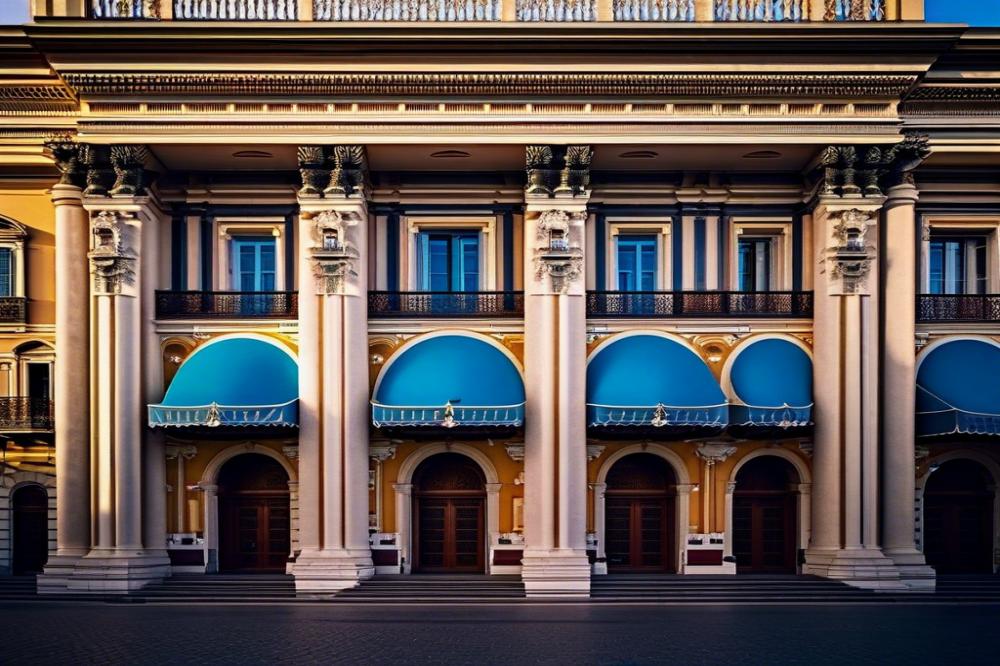
Description of the Neoclassical Architecture
The Teatro di San Carlo stands as a stunning example of neoclassical architecture. Built in the 18th century, it features elegant columns and intricate facades. The large façade presents a sense of grandeur, drawing the eye with its stately design. Visitors often admire the combination of symmetry and proportion that defines this historic theater. Ornate decorations fill the interior, showcasing the craftsmanship of the period. A magnificent chandelier hangs in the center of the auditorium, illuminating the opulent surroundings. The architecture reflects the rich cultural heritage of Naples and its long-standing connection to performance arts.
Unique Design Elements and Features of the Opera House
Several standout elements contribute to the charm of this opera house. The horseshoe-shaped auditorium enhances acoustics, allowing sound to travel beautifully. Box seating encircles the audience area, creating an intimate atmosphere even in a large venue. Another striking feature is the stunning red and gold color scheme, which adds warmth and vibrancy. Frescoes and elaborate moldings adorn the walls, telling stories of music history and Italian opera. Every corner of the theater exudes a sense of elegance and history that captivates all who enter.
Comparison with Other Historic Theaters in Italy
When compared to other famous theaters, it holds a special place. The Teatro alla Scala in Milan is renowned for its sleek design, yet San Carlo offers a cozier feel. The Teatro Massimo in Palermo boasts larger seating capacity but lacks the same intimate charm. Each theater reflects regional styles, emphasizing the cultural diversity within Italian architecture. However, the vibrant atmosphere of the Teatro di San Carlo draws tourists, making it a celebrated UNESCO site. Opulent and storied, the building stands as a testament to the importance of opera in Italy.
Cultural Heritage and Legacy
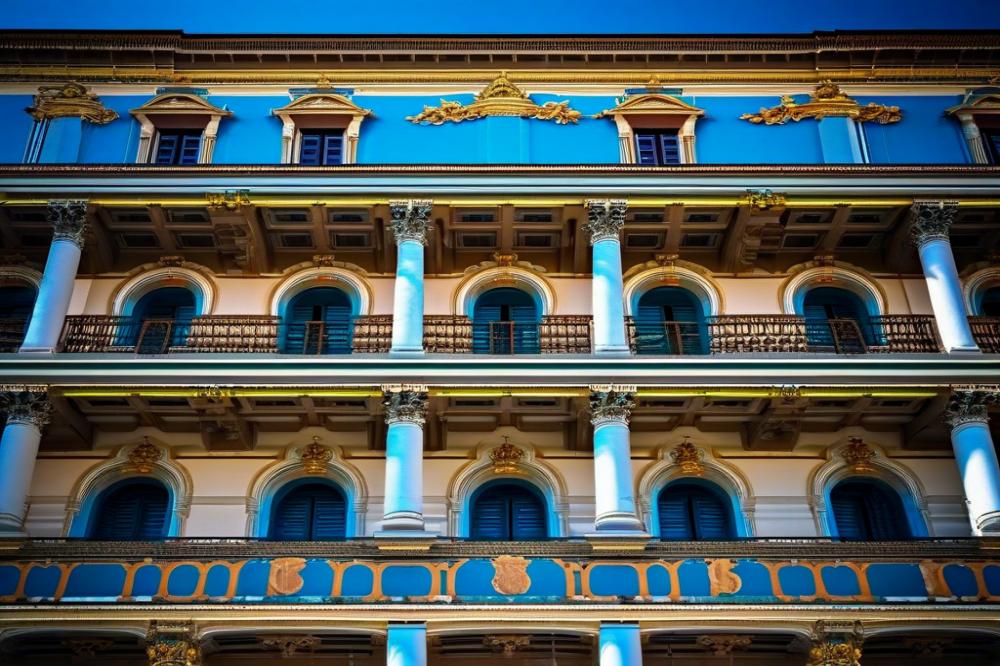
Teatro di San Carlo stands as a testament to Italy’s rich cultural heritage. Since its opening in 1737, it has played an essential role in promoting Italian opera and the broader performance arts. This historic theater captures the spirit of a bygone era with its stunning architecture. Visitors not only admire its beauty but also experience a vibrant atmosphere that echoes the sounds of past performances.
Many influential operas have graced its stage over the centuries. Works by renowned composers such as Giuseppe Verdi and Gioachino Rossini found their home here. Notable performances have included iconic operas that shaped music history. Each show contributes to its reputation as a premier opera house, drawing tourists from around the globe.
The connection to prominent artists is deeply rooted. For instance, several famous conductors and singers have brought their talents to this UNESCO site. Each artist adds another layer to the theater’s legacy and reputation. The building itself tells stories of the past, preserving the essence of Italian art and culture.
Throughout the years, the opera house has continued to evolve. It remains a crucial venue for the arts, showcasing both classic and contemporary works. Its significance goes beyond entertainment; it nurtures a love for music and performance arts among all who visit. The Teatro di San Carlo is not just a tourist attraction; it is a living piece of history.
The Vibrant Atmosphere of Teatro di San Carlo
Attending a performance at this historic theater is an unforgettable experience. The moment you step inside, the rich decorations and stunning architecture capture your eyes. Each detail tells a story, reflecting its deep roots in Italian opera and music history. Visitors often find themselves in awe as the lights dim and the air fills with anticipation.
This opera house serves as a major tourist attraction. People from around the world come to witness the magic of live performances. The energy in the auditorium is palpable. Laughter and applause blend into a tapestry of sound, enhancing the overall charm. Many tourists leave with a newfound appreciation for the performance arts.
Various events and festivals take place here throughout the year. From grand operas to contemporary shows, there is something for everyone. Special celebrations highlight the cultural heritage of the region and showcase talent from both local and international artists. Each event brings its own flair, adding to the vibrant atmosphere of the venue.
The theater is not just a place for shows. It stands as a UNESCO site, preserving the essence of Naples’ rich cultural landscape. During festival seasons, visitors often flock to see performances that honor both classical masterpieces and innovative works. Audiences can immerse themselves in the beauty of opera while enjoying the thriving spirit of the city.
One can truly feel the heartbeat of Naples when seated in this renowned venue. The blend of history and artistic expression creates a magical setting. Patrons leave with memories that linger long after the final curtain call. For anyone seeking a memorable evening, a visit to this iconic opera house is an essential experience.
Preservation and Future of Teatro di San Carlo
Efforts to maintain the historic charm and architectural integrity of this opera house are ongoing. Restoration projects focus on preserving key elements of the building’s exquisite design. In addition, experts conduct regular assessments to prevent deterioration. The goal is to keep the theater’s rich history alive while adapting to modern standards.
Today, this historic theater stands as a symbol of Naples’ cultural heritage. It plays a vital role in the local community through various performances and events. Tourists flock to the venue, drawn in by its vibrant atmosphere and significance in music history. As a UNESCO site, it reflects Italy’s passion for the performing arts and remains a top destination for visitors.
Looking ahead, plans are in place to enhance its relevance in the arts. New initiatives aim to attract younger audiences and diversify programming. Workshops and educational programs are part of this strategy, allowing people to experience Italian opera firsthand. Through these efforts, the theater hopes to remain an integral part of Naples’ artistic landscape for generations to come.
Reflecting on the Teatro di San Carlo’s Significance
The charm of the Teatro di San Carlo in Naples is undeniable. This historic theater stands not just as a venue for performances but as a symbol of rich cultural heritage. Visitors often feel a connection to the past as they enter its grand halls. The beauty of its architecture captivates both locals and travelers alike. With its long-standing tradition in Italian opera, this theater has played a crucial role in the artistic fabric of the city.
Preserving historic theaters like this one is vital to maintaining the cultural landscape of Italy. These venues offer more than entertainment; they represent a link to a deeper cultural history. As generations come and go, it becomes even more important to safeguard such treasures. They remind us of the artistry that has shaped Italian identity over centuries. Supporting and celebrating these spaces is essential for enriching future cultural experiences.
An invitation is extended to everyone to experience the magic of this legendary venue firsthand. Attending a performance offers a chance to witness its beauty and enjoy the talents of incredible artists. The experience can be both inspiring and memorable. Visiting the Teatro di San Carlo provides insight into Naples’ vibrant culture and artistic legacy. Don’t miss out on the opportunity to be part of its ongoing story.

