
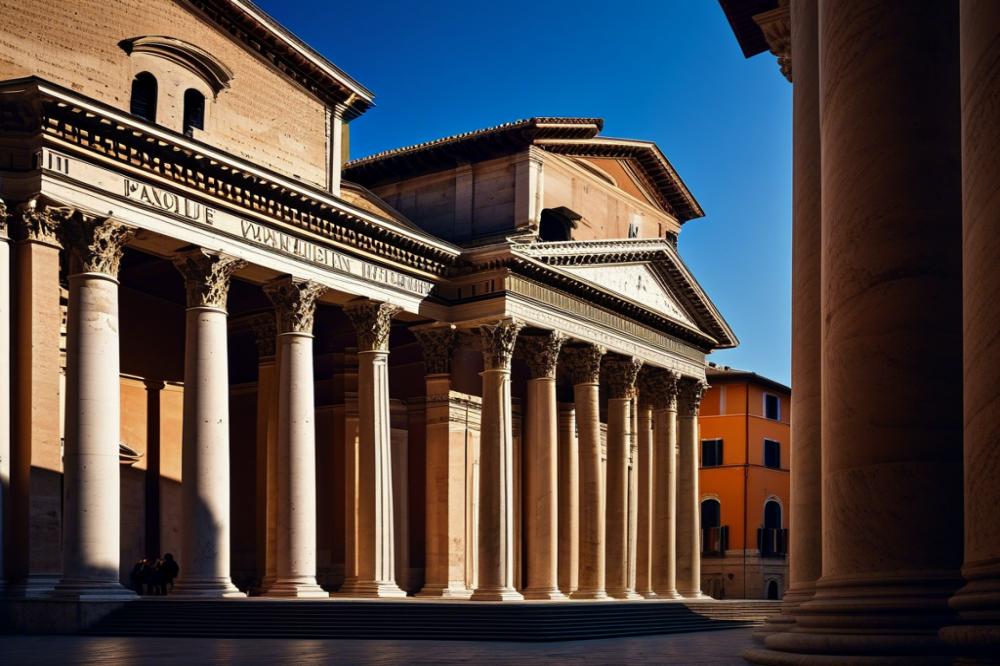
Exploring Italy’s Best-Preserved Roman Temples: From Rome to Sicily
The Roman Empire left a lasting mark on architecture that is still visible today. Its influence shaped cities, buildings, and even entire landscapes across Europe. The temples constructed during this period are not merely stone structures; they represent the cultural heartbeat of ancient society. Each monument tells a story, revealing the religious practices, political dynamics, and artistic advancements of its time.
Roman temples played a crucial role in the daily lives of the people. They were places of worship, centers for community gatherings, and symbols of power. Pilgrims traveled to these sacred sites seeking blessings and participating in rituals. Understanding these historical edifices deepens our knowledge of the civilization that built them. They serve as portals to a world long gone, offering glimpses into the beliefs and values that guided daily life.
This article focuses on Italy’s well-preserved Roman temples, stretching from the bustling streets of Rome to the beautiful coasts of Sicily. Each site reflects a unique architectural style and cultural significance. A journey through these ancient structures highlights the remarkable diversity within the Roman Empire. You will discover not just monuments, but also the stories they hold and the historical context from which they emerged. Join us as we delve into this ancient world, showcasing the splendor of Italy’s #anchor_text_1# heritage and its lasting legacy.
In uncovering these remarkable temples, we gain insight into the sophistication of Roman engineering and artistry. The legacy of these sites is not just found in their physical form but also in what they represent. As we explore these architectural marvels, we acknowledge their importance in understanding our past. Let’s embark on this fascinating exploration of Italy’s best-preserved Roman temples, where each stone has a story to tell. Get ready to experience history in a way that is both enlightening and engaging through our #anchor_text_2# adventure.
Historical Significance of Roman Temples
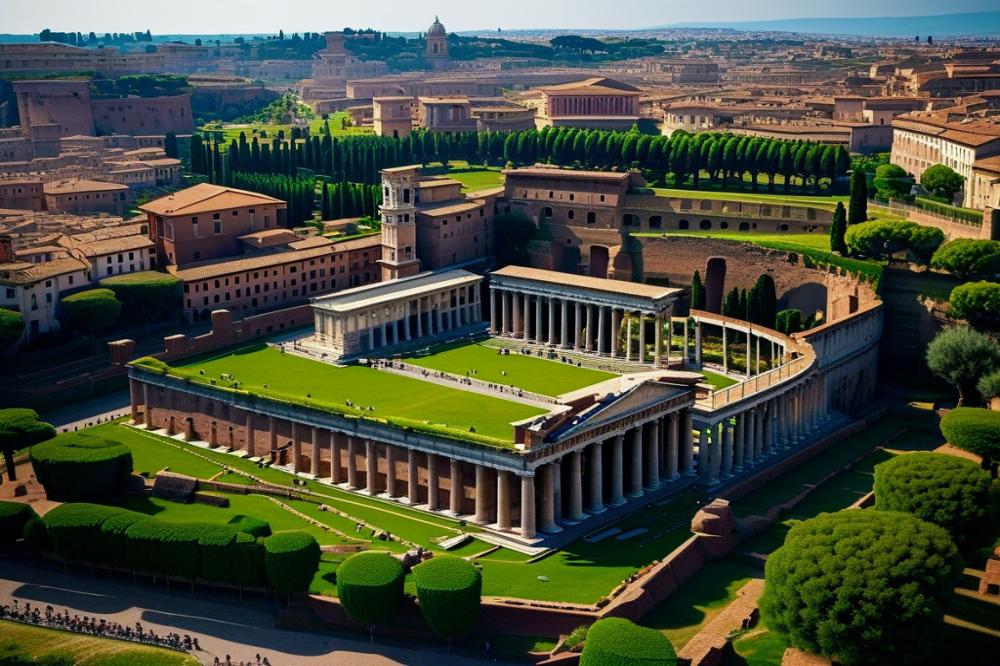
Temples served as crucial centers of worship and community during the Roman Empire. They were not just places for religious ceremonies; they symbolized the power and wealth of the empire. Each temple held significance in the lives of individuals and the broader community. Many citizens participated in rituals, offering prayers and sacrifices to the gods. This connection to the divine was important to the Romans, as they believed it influenced their daily fortunes.
Architectural designs of these structures evolved over centuries. Early temples primarily followed Etruscan styles, characterized by their simple layout and use of columns. As the empire expanded, influences from Greek architecture became evident. The Corinthian and Ionic styles led to grander and more elaborate designs. This progression showcased the technological advancements and artistic expression of the time. Temples became reflections of society’s values and artistic endeavors.
Furthermore, temples often acted as community hubs. Festivals and public gatherings took place there, reinforcing social bonds among citizens. From the marketplace adjoining the temple to the surrounding gardens, these spaces were vibrant with activity. Many Romans flocked to temples for news, trade, and even politics. They were places where people connected, shared, and celebrated life events together.
Consider the Pantheon in Rome. Revered for its massive dome and oculus, it remains a true masterpiece of Roman engineering. In the south, the Temple of Concordia at Agrigento showcases the classical style perfected by the ancients. Sites like these remind us that temples were more than spiritual havens; they were integral to the very fabric of Roman life. Such structures reveal how the past intertwines with the present in profound ways.
In summary, the historical importance of Roman temples transcends mere architecture. These sacred spaces embodied religious fervor, artistic evolution, and social interaction. Exploring their rich legacy allows us to appreciate the complex tapestry of life during the Roman Empire.
Exploring Rome’s Notable Temples
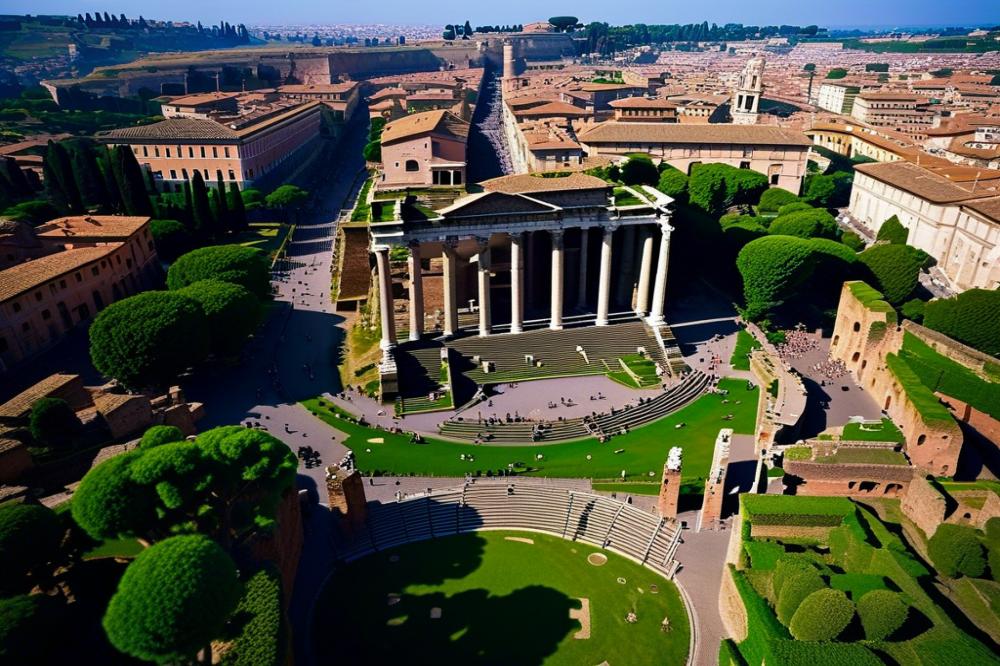
Rome, the heart of ancient civilization, boasts an impressive collection of temples. These structures stand as a testament to Roman architecture and spirituality. Each temple offers a glimpse into the beliefs and practices of the time. Notable among them are the Temple of Jupiter Optimus Maximus and the Pantheon, each showcasing unique aspects of Roman ingenuity.
Temple of Jupiter Optimus Maximus
The Temple of Jupiter Optimus Maximus, located on the Capitoline Hill, was once the most significant temple in ancient Rome. Construction began in the 6th century BC, making it one of the oldest religious sites. Dedicated to the king of gods, Jupiter, this temple symbolized power and authority. It was not just a place for worship; it served as a political and cultural center.
Unfortunately, the temple has not survived intact. Throughout history, it faced multiple destructions and reconstructions. Despite this, its historical relevance remains undeniable. The layout featured a grand portico with a stunning colonnade, showcasing skillful craftsmanship. Remarkable sculptures adorned the temple, depicting various deities and mythological scenes.
The Pantheon: A Marvel of Roman Ingenuity
The Pantheon stands as a prime example of architectural excellence. Initially built during the reign of Augustus, it underwent significant renovations by Emperor Hadrian in the 2nd century AD. This temple was dedicated to all Roman gods. Its name means “temple of all gods” in Greek.
One cannot overlook the impressive dome of the Pantheon. It remains one of the largest unreinforced concrete domes in the world, a remarkable feat of engineering. The oculus at its center allows natural light to illuminate the interior. This light creates a captivating atmosphere, changing with the time of day.
Visitors often marvel at the harmonious proportions and grand scale of the Pantheon. The façade, with its towering Corinthian columns, draws attention immediately. Inside, the circular space gives a sense of infinity. People come from all over to appreciate not just its beauty but also its historical significance.
Temples Beyond Rome: Highlights from Central Italy
Central Italy offers a fascinating glimpse into ancient civilization. Lazio and Umbria are home to remarkable structures that still capture the grandeur of the Roman era. These regions boast well-preserved temples that tell compelling stories of worship and architecture.
The Temple of Apollo in Pompeii
The Temple of Apollo stands as a significant historical site in Pompeii. Dating back to the 6th century BC, it showcases the early influence of Greek architecture. This temple was dedicated to Apollo, the Roman god of music, arts, and prophecy. Excavators found numerous artifacts here, providing insight into the religious practices of ancient Romans.
Remarkably, the temple survived the catastrophic eruption of Mount Vesuvius in 79 AD. Its ruins reveal intricate columns and altars that once hosted vibrant rituals. The site’s historical context offers visitors a glimpse into the daily lives of its inhabitants before the disaster struck.
The Temple of Hercules Victor in Tivoli
Another highlight is the Temple of Hercules Victor located in Tivoli. Constructed in the 2nd century BC, this edifice stands out for its circular shape and beautiful marble decorations. Dedicated to Hercules, a symbol of strength and heroism, the temple reflects the Roman admiration for Greek mythology.
Visitors marvel at its robust structure, which has endured centuries of weather and human activity. The temple’s design emphasizes harmony and balance, featuring Corinthian columns that enhance its elegance. Nearby, the tranquil gardens add to the experience, making it a serene spot for reflection.
Tivoli, with its rich history, invites exploration. Many historical figures visited this area, drawn by its beauty and significance. As you wander through these remnants, the stories of the past become more vivid, linking visitors to an incredible legacy.
Journeying to Southern Italy and Sicily
Southern Italy and Sicily are home to some of the best-preserved Roman temples. Campania, with its rich historical background, boasts remarkable structures. Visitors often seek the Temple of Concordia in Agrigento for its fascinating story and stunning architecture.
The Temple of Concordia in Agrigento
This temple stands as a testament to ancient engineering. Built in the 5th century BC, it showcases the Doric order with elegant simplicity. Remarkable preservation allows onlookers to admire its majestic columns and intricate details. Restorations over the years have maintained its beauty. Archaeologists praise it for its role in understanding ancient worship practices. Scholars consider this site essential for studying classical architecture.
Insights on the Temple of Segesta
The Temple of Segesta also captures the imagination of tourists. Located near the town of Calatafimi, its unfinished state adds to its charm. Uniquely positioned on a hill, it offers stunning views of the surrounding landscape. This temple reflects the Greek influence on Sicilian architecture. With its six fluted columns, it embodies strong, classic lines. Interestingly, its construction remains shrouded in mystery. Many wonder about the reasons for its incomplete status. Overall, the Temple of Segesta continues to be a highlight for history enthusiasts.
Both temples represent significant elements of Italy’s architectural heritage. They invite exploration and admiration. Each site tells a story of its time, revealing customs and artistic skills. As travelers navigate through these relics, they step back into a world defined by grandeur and resilience. Historical context enriches each visit, making for enlightening experiences.
Preservation Efforts and Modern Recognition
Archaeological efforts play a crucial role in maintaining Italy’s finest Roman temples. Experts work diligently to prevent further decay. Various measures include restoration, cleaning, and structural repairs. Researchers often study ancient building techniques to replicate the materials used. These practices keep the past alive while respecting the original craftsmanship.
Tourism thrives due to the preservation of these ancient sites. Visitors flock to see the stunning architecture and rich history. As tourists enter these temples, they gain insights into ancient Roman culture. Local economies benefit from increased foot traffic. Businesses, from cafes to souvenir shops, often rely on this influx of visitors.
Education is another important aspect connected to preservation. Schools take field trips to these historical sites, sparking interest in ancient civilizations. Museums and guided tours provide informative content for curious minds. Engaging with history in such a tangible way helps students understand their heritage.
UNESCO World Heritage Sites
UNESCO World Heritage sites provide a global platform for Italy’s Roman temples. Being designated as a World Heritage site enhances visibility. It attracts both national and international attention. This recognition helps protect cultural heritage against modernization and neglect. Local governments often increase funding for maintenance because of this title.
Protection efforts are not just about maintaining buildings. They also encompass the entire environment surrounding the temples. This holistic approach ensures that the area’s historical context remains intact. Each temple tells a story, and preserving them aids in telling those narratives. Local communities become active participants in safeguarding their cultural treasures.
Final Thoughts on Italy’s Roman Temples
Exploring well-preserved Roman temples offers a glimpse into the heart of ancient history. These magnificent structures are not just architectural achievements; they represent the culture, religion, and daily life of a bygone era. Visiting these sites is vital to understanding the past and appreciating how it shapes our present.
Contributions to historical knowledge are immense. Each temple tells a story. They invite historians and casual visitors alike to engage with the rich narrative of Roman civilization. Understanding this history enhances our connection to the world today. For tourists, these ancient sites provide memorable experiences that cement their significance in cultural tourism.
Encouraging others to visit these sites helps promote conservation efforts. When people experience the grandeur of places such as the Temple of Concordia in Agrigento or the Pantheon in Rome, they become more invested in preserving these treasures. Protecting our cultural heritage is essential for future generations. It is important that we all play a role in this endeavor.
In summary, Italy’s temples stand as reminders of our shared history. They enrich our lives and deserve respect and admiration. So, whether you’re wandering through the ruins in Sicily or standing in awe before a temple in Rome, take a moment to reflect on the journeys these sites offer. When we visit and appreciate these wonders, we not only celebrate the past but also support efforts to safeguard our communal heritage. Engage with #anchor_text_3# and help contribute to preserving our cultural legacy. Find time to explore and discover the beauty of these sites, as they connect us all to the timeless story of humanity, echoing through the corridors of history at #anchor_text_4#.

