
The Remarkable Roman Roads of Italy: Tracing the Empire’s Highways
The ancient infrastructure of the Roman Empire played an essential role in shaping the society that thrived during its reign. Key to this was a vast network of travel routes that facilitated military logistics, trade, and communication across expansive territories. With well-constructed roads, armies moved swiftly, supplies were delivered efficiently, and merchants could connect with distant markets. This intricate system was a backbone for the empire’s growth and stability.
The Via Appia stands as one of the most famous examples among these engineering marvels. Built over 2,000 years ago, it linked Rome to the southern regions of Italy. Its stones have seen the passage of countless travelers and troops, a testament to its durability and importance. The Via Appia not only served as a path for trade but also as a conduit for cultural exchange.
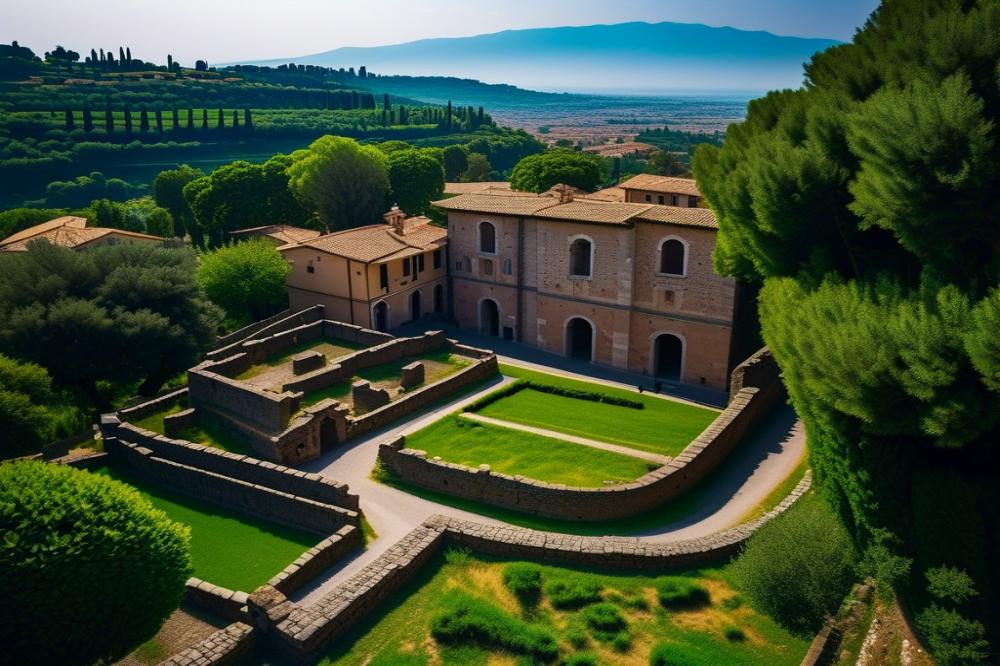
Archaeological sites dotted across Italy offer glimpses into the past. Ruins of towns and cities can be found along these routes, revealing the intricate lives of those who lived there. Visiting these historical landmarks gives people a sense of connection to ancient civilization. Each site tells a story of human ingenuity and the profound impact of the road network.
The significance of these travel pathways extends beyond mere transportation. They symbolize the Roman Empire’s power and organizational prowess. As we delve further into this topic, we will explore more about how these roads shaped Italy and left a lasting legacy that continues to intrigue historians and travelers alike.
The Engineering Marvels of Roman Roads

Construction techniques used for these travel routes were impressive for their time. The Romans utilized a range of materials, including large stones, gravel, and sand. Road builders began by creating a solid foundation. They often excavated deep trenches, which helped to prevent water damage. Layers of materials were added carefully to manage drainage and provide stability.
Characteristics of Roman road design set them apart from other infrastructures in ancient Italy. Roads were typically straight and wide, allowing for easy movement of troops and goods. Each road featured a crowned surface to facilitate drainage, which was essential for longevity. Often, they included curbs made of stones to guide traffic and enhance durability.
Notable engineering features can still be seen across various archaeological sites in Italy. For instance, the Via Appia, one of the earliest and most important roads, showcases remarkable stonework. Bridges were another significant accomplishment. Many were made using the arch principle, which provided strength and allowed for spanning larger distances. Other features included tunnels, which navigated rough terrains and improved connectivity.
This road network not only enhanced military logistics but also contributed to cultural heritage. Ancient cities began to flourish around these routes. Over time, they became vital links between significant historical landmarks. The engineering behind these highways is a testament to the Roman commitment to effective infrastructure, which influenced travel and trade throughout their empire.
Exploring the Via Appia
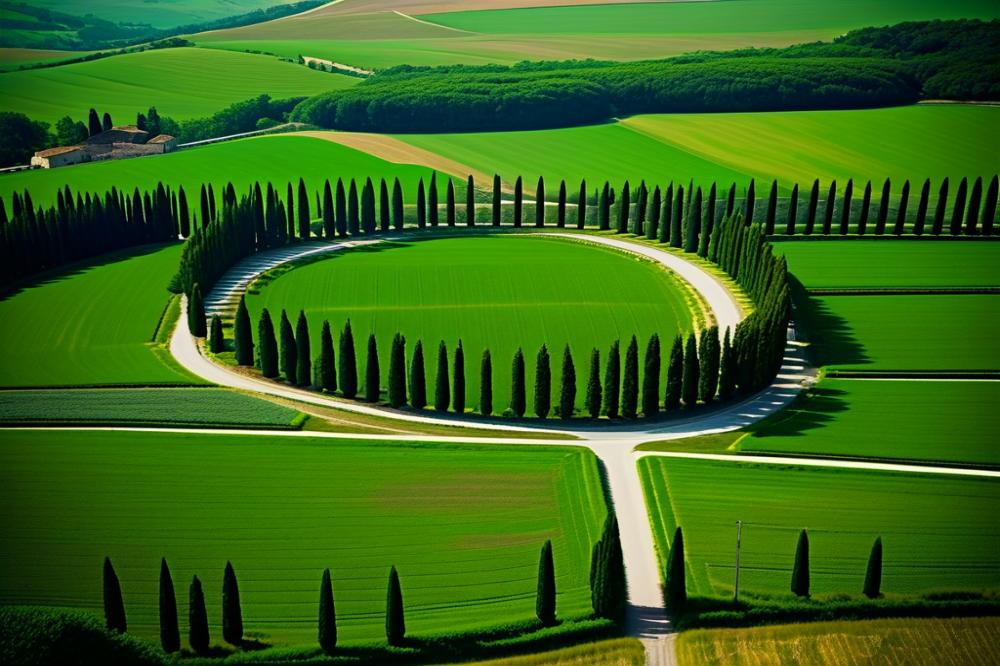
The Via Appia, often regarded as one of the most significant ancient roads, has played a crucial role in Italy’s history. This legendary travel route began construction in 312 BC under the command of Appius Claudius Caecus. It linked Rome to Capua, extending later to the southern regions of the empire. The purpose of this road was not only for trade but also for military logistics, facilitating the movement of troops and resources across vast territories.
Traveling along the Via Appia offers a chance to experience a tapestry of ancient infrastructure. The road itself is an engineering marvel, with sections still intact today. Along the way, travelers encounter remarkable landmarks that tell stories of the past. The Tomb of Cecilia Metella stands out prominently, showcasing the grandeur of Roman funerary architecture. It serves as a testament to the wealth and power of its original owner.
In addition to tombs, other historical landmarks dot the landscape. The catacombs, such as those of San Callisto and San Sebastiano, provide a glimpse into early Christian life. They reveal the deep-rooted cultural heritage of a city that has always been at the crossroads of faith, politics, and society. Visitors can explore these fascinating archaeological sites and appreciate the significance they hold in the history of Christianity.
The Via Appia also stands as a symbol of Roman engineering prowess. Its straight, wide path was designed for efficiency, demonstrating the advanced skills of ancient builders. Walking along this iconic road allows one to envision the countless travelers who once strolled its surface, merchants trading goods, and soldiers marching in formation. Exploring the Via Appia is more than just a journey; it’s a way to experience a vital piece of Italy’s legacy.
This road has influenced art, literature, and history for centuries. It reminds us of the empire’s vast reach and its cultural meldings. Each stone, each marker on the Via Appia contributes to a story that is both distinct and universal. As modern travelers traverse this ancient route, they connect with a rich tapestry of past human experiences.
The Road Network of the Roman Empire
The expansive road network of the Roman Empire connected cities and regions throughout Italy and beyond. This intricate system of travel routes was a testament to the civilization’s remarkable engineering skills. The famous Via Appia, often dubbed the “Queen of Roads,” illustrates the careful planning that went into constructing these thoroughfares. Spanning from Rome to Brindisi, it served as a vital link for commerce and military movement.
These roads facilitated trade between diverse areas, boosting economic growth. Merchants used the same routes to transport goods, making the exchange of products easier than ever. Communication was also enhanced, with couriers traversing the network to relay messages efficiently. Military logistics benefited greatly, as armies could mobilize quickly across vast distances, reinforcing the Empire’s power.
Some ancient infrastructure remains remarkably preserved today, granting insights into the Empire’s ingenuity. Numerous archaeological sites can be found along these historical landmarks, drawing tourists and scholars alike. Each segment of the network tells a story of the past, highlighting cultural heritage and the interconnectedness of Roman society.
Modern road systems owe much to this legacy. Contemporary urban development often mirrors the principles established by Roman engineers. In many cases, current highways trace the same paths as ancient routes, demonstrating the enduring nature of this remarkable network. It’s fascinating how a civilization from centuries ago continues to influence our travel experiences today.
Historical Landmarks Along the Roman Roads
Italy is famous for its remarkable ruins and archaeological sites that tell the story of the Roman Empire. Among these, the Via Appia stands out as a prime example of ancient infrastructure. This road, often called the “Queen of Roads,” connected Rome to the southern regions of Italy. Walking along its path gives visitors a glimpse into the past. The impressive stones and remnants make it clear that this was no ordinary travel route.
Many historical landmarks are dotted along the way. The Colosseum in Rome is perhaps the most iconic structure linked to these ancient pathways. This monumental amphitheater showcases the grandeur and engineering marvels of the time. Gladiators once fought here, and crowds filled the seats, all made possible by efficient military logistics. Nearby, the ruins of the Forum Romanum bring to life the political heart of the city.
Exploring further south, one can find the ruins of Pompeii. The tragic eruption of Mount Vesuvius left this city frozen in time. It is an archaeological site that reflects the vibrant daily life of ancient Romans. Visitors can walk through the streets, seeing homes, shops, and public baths. Each corner unveils layers of cultural heritage that date back centuries.
Tourist experiences along these routes are rich and diverse. Guided tours educate travelers about the significance of these landmarks. Many educational opportunities are available, such as workshops and interactive exhibits. Families can learn together about history while enjoying breathtaking views of the landscape. Tourists often find themselves captivated by the stories that each ruin tells.
For those interested in exploration, cycling along the ancient road network offers an exciting way to learn. This activity combines adventure with education, allowing participants to witness the beauty of Italy while connecting with history. Each village along the way features historical sites waiting to be discovered.
Connected through centuries, these roads and landmarks demonstrate the power and influence of the Roman Empire. The remains stand as a testament to a civilization that valued community and trade. By visiting these sites, individuals can immerse themselves in a world where great minds and engineering innovations thrived. Each stop on the journey adds to a deeper understanding of Roman life.
Reflecting on Roman Influence
In summary, the significance of the roads built during the Roman Empire cannot be understated. They were more than mere travel routes; they were arteries of commerce, culture, and communication. Connecting disparate regions, they allowed for the exchange of ideas and goods that would shape Italy’s destiny. The construction of this ancient infrastructure facilitated military movements, enhancing the Empire’s control and influence. People relied on these paths, which laid the groundwork for future growth and development.
Cultural heritage springs from these remarkable pathways. Many towns and cities emerged alongside this vast network, creating local identities still cherished today. These ancient roads symbolize a time when connectivity ruled, fostering relationships across diverse communities. Their enduring legacy is felt in modern Italy, where many contemporary roads follow the same routes. This influence continues to echo through history, shaping not just geography but the people living within its bounds.
Exploring these ancient routes offers a unique journey back in time. Each turn and stone carries tales of triumphs, struggles, and daily life of those who walked before us. Encouraging curiosity, one can discover how these pathways have shaped not only Italy’s past but also its future. Travelers and historians alike could benefit from delving deeper into the stories of each roadway. The intersection of history and culture provides endless opportunities for discovery, making Italy a treasure trove for anyone eager to learn.

