
Introduction
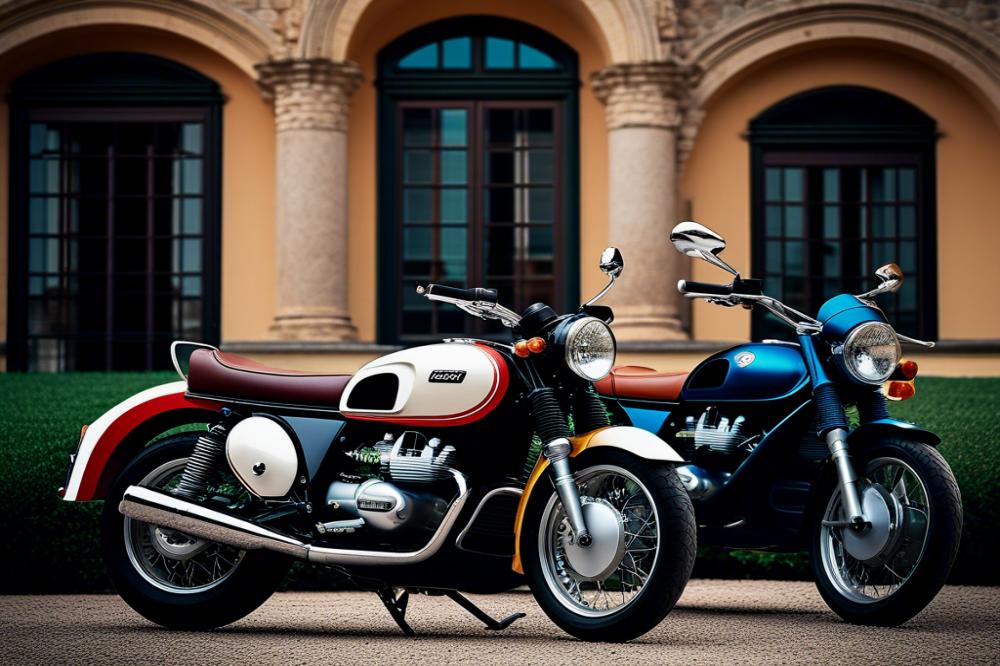
Italy-became-a-global-leader-in-motorcycle-production”>motorcycle manufacturing in Italy has carved a significant niche in global automotive history. Renowned for its rich bike culture, Italy stands out as a birthplace of innovation and style. Over the decades, various brands have emerged, each contributing to the vibrant motorbike history.
Italian motorcycle brands like Ducati, Vespa, and Moto Guzzi are synonymous with performance and design. These companies have showcased extraordinary engineering feats that push the boundaries of motorcycle design. Their creations have become icons, representing not just machines but a way of life. Ducati, for instance, is famous for its racing heritage, dominating circuits with speed and agility.
In addition, Piaggio has made a mark with its approachable scooters, making motorcycling accessible to many. The blend of function and flair defines Italian craftsmanship. Consequently, each motorcycle produced tells a story of creativity and technical mastery. This legacy continues to evolve, holding a special place in the hearts of enthusiasts around the world.
Understanding the evolution of this industry reveals much about cultural attitudes towards freedom and individuality. The spirit of the open road resonates deeply within Italian motorcycle culture. It celebrates the thrill of riding and the joy of pushing boundaries, making it a crucial component of Italy’s automotive narrative.
The Beginnings of motorcycle manufacturing in Italy
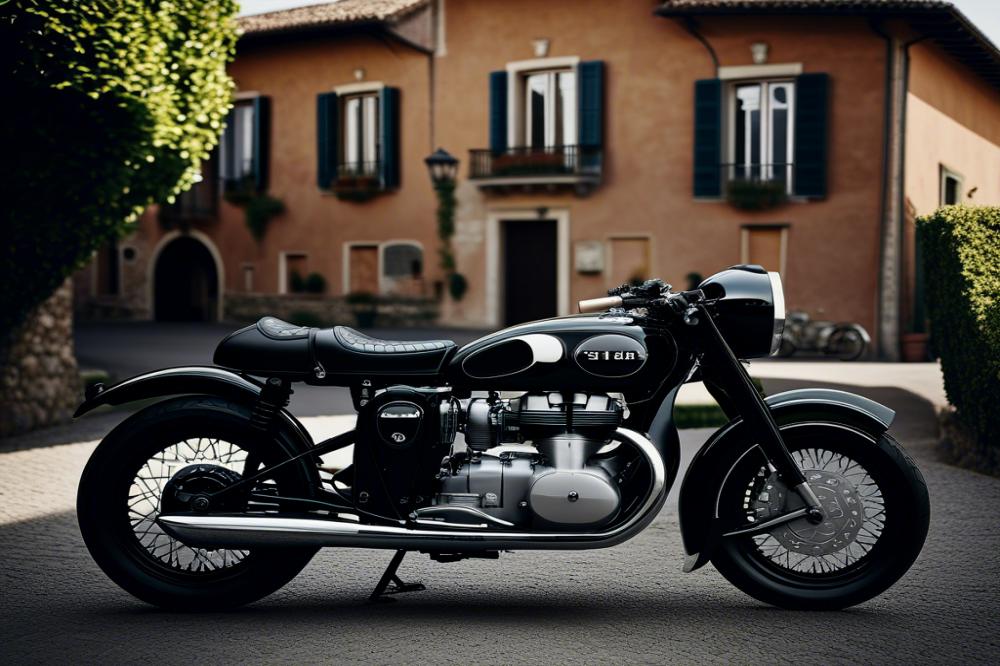
The early 20th century marked a significant turning point for motorbike history. Italy, a nation known for its rich automotive engineering, began to take strides into the world of two-wheeled machines. The first Italian motorcycle manufacturers surfaced during this time, laying the groundwork for a burgeoning industry. Among the earliest ventures was the introduction of motorcycles that combined innovation and craftsmanship.
Ducati, founded in 1926, started as a manufacturer of radio components. Soon, they would pivot towards producing motorcycles. Their initial models were small and lightweight, designed for urban commuting. This choice reflected a focus on practicality while also capturing the spirit of the times. Vespa, recognized for its iconic scooters, emerged shortly after in 1946. Its unique design catered to post-war mobility needs, making it an instant favorite among Italians.
Moto Guzzi, established in 1921, became famous for its powerful engines and classic styles. Riders quickly associated them with performance and durability. Over the years, their motorcycles showcased a distinct look, emphasizing both aesthetics and efficiency. Brands like Piaggio also made their mark, diversifying the motorcycle culture that was steadily rising in Italy.
The racing scene further fueled the excitement around these Italian motorcycle brands. Enthusiasts celebrated their victories on various tracks, showcasing innovation in motorcycle design. The combination of competition and craftsmanship drew more manufacturers into the fold. This environment of rivalry and creativity helped propel Italian Motorcycles to international fame.
Italy’s focus on form and function contributed significantly to its motorcycle legacy. This era introduced not just vehicles but a lifestyle that became synonymous with freedom and adventure. Motorcycles opened new pathways for exploration, both physically and energetically. It is this early dedication to quality and performance that continues to influence modern designs.
Italian Motorcycle Brands and Their Impact
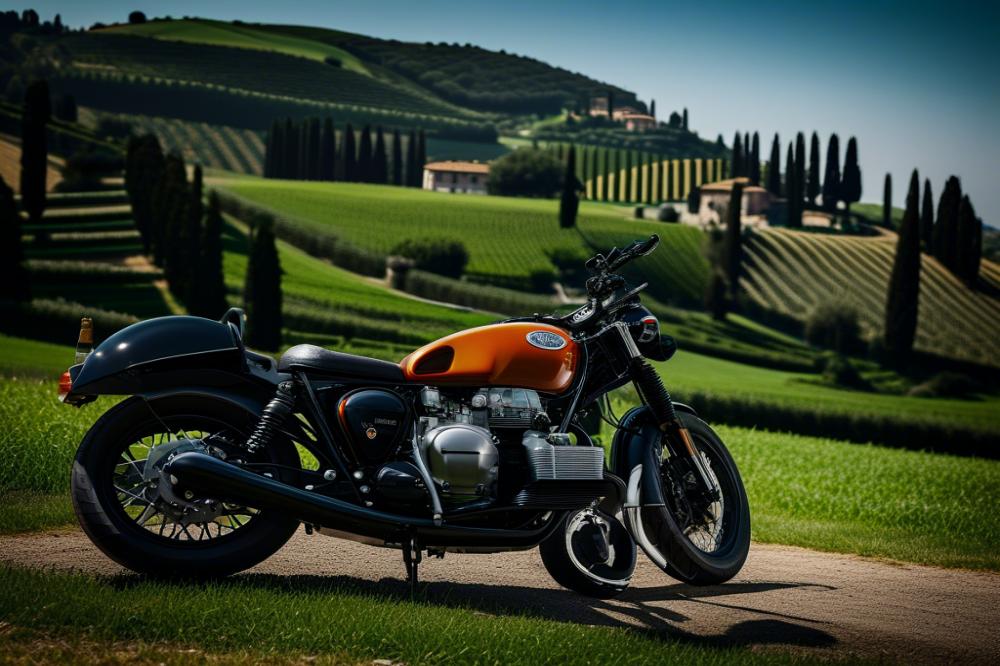
Italy is home to some of the most iconic motorcycle brands in the world. Each company has left an indelible mark on motorbike history. Ducati stands out for its performance and racing heritage. Known for high-performance bikes, Ducati’s creations are often the embodiment of innovation in motorcycle design.
Consider the Ducati Panigale. This superbike is a marvel of engineering and speed. Riders crave its power and handling. The brand’s success in competitions has made it synonymous with excellence. Ducati’s influence extends well beyond its bikes. It has inspired a culture around speed and style.
Then, there is Vespa. This brand is more than just a scooter; it is a symbol of Italian culture and lifestyle. Introduced in 1946, Vespa revolutionized urban mobility. Its stylish design captured the hearts of many, making it a staple in cities worldwide. The company’s influence on the scooter segment is undeniable. Vespa echoes a spirit of freedom and practicality.
Moto Guzzi, with its long history, offers a different charm. Founded in 1921, it is one of the oldest motorcycle manufacturers in Italy. Known for its bold designs and air-cooled engines, Moto Guzzi has a loyal following. Models like the California remind riders of the brand’s commitment to craftsmanship. The distinctive transverse engine layout also adds character to its motorcycles, making them stand out on the road.
Piaggio, the parent company of Vespa, plays a vital role in the industry as well. It has diversified its offerings beyond scooters. The company produces various models under different brands. This helps Piaggio cater to a wide range of consumers. Their focus on both style and function has shaped urban mobility across the globe.
Each company exemplifies how Italian motorcycle brands contribute to the larger world of automotive engineering. They do not just make vehicles; they create experiences. Their innovations in design influence trends in the motorcycle culture. With every new model, these brands push the boundaries of what riders expect. The legacy of these companies will continue to inspire future generations of motorcycle enthusiasts.
Motorcycle Design and Engineering Innovations
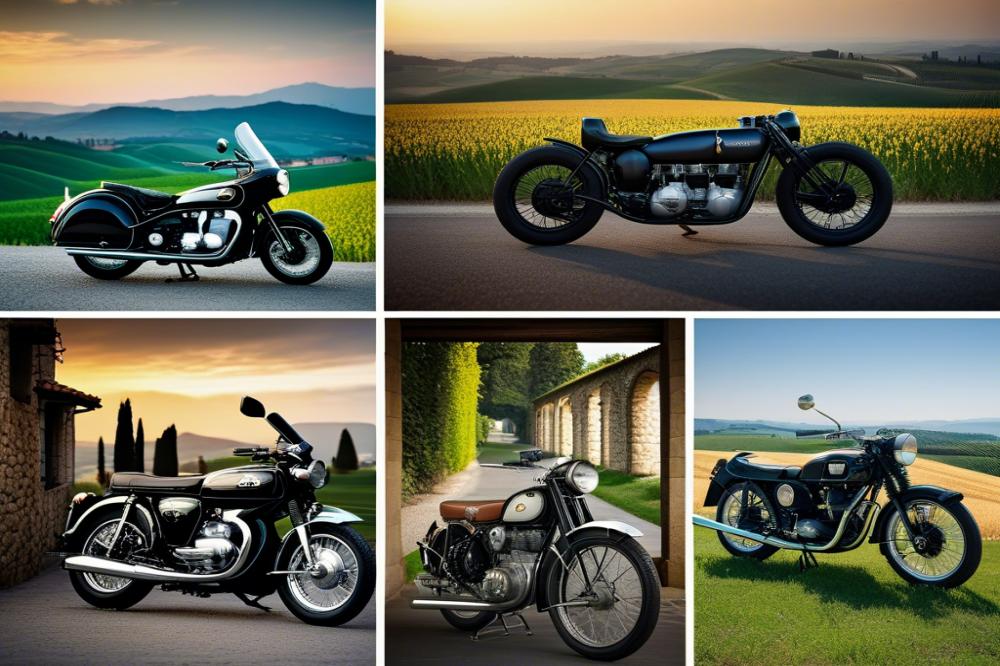
The Italian approach to motorcycle design stands out in the world of automotive engineering. From the early days of motorbike history to modern times, this country has consistently produced machines that blend aesthetics with performance. Iconic brands like Ducati and Vespa have played major roles in shaping the image of motorcycles.
Racing heritage influences many Italian designs. Ducati, for instance, is renowned for its sport bikes that reflect a passion for speed and agility. The engineering behind their machines emphasizes high performance, often leading to innovations in engine technology.
Vespa, on the other hand, took a different path. This brand created scooters that combined urban style with practicality. Their unique design appeals to a wide audience and represents a cultural shift in motorcycle culture. Notably, Vespa’s signature rounded shape and colorful frames make it instantly recognizable.
Another influential company is Moto Guzzi, which has a long-standing reputation for producing reliable touring motorcycles. Their engineering focuses on comfort and stability, making them perfect for long rides on varied terrains. Over the years, they have maintained a loyal customer base despite the changing market.
The intersection of form and function is apparent in all these brands. Italian Motorcycles often showcase a refined craftsmanship that emphasizes sleek lines. Furthermore, the attention to detail in design ensures not just visual appeal but also practical features that enhance rider experience.
Piaggio, the parent company of Vespa, has expanded its offerings, creating new models that appeal to younger riders. It’s another example of how Italian manufacturers continuously adapt to consumer demands while staying true to their unique philosophy. This adaptability keeps the motorcycle market vibrant.
In summary, the blend of innovative engineering, cultural influences, and racing lineage makes Italian motorcycle design exceptional. Each brand has carved out its niche by focusing on their distinct characteristics, ensuring that the riders enjoy their journeys, whether on tracks or city streets.
Racing Heritage and Its Influence on Manufacturing
Italy boasts a rich racing heritage that has significantly shaped its motorbike history and design. From the winding roads of the Mille Miglia to the thrilling circuits of MotoGP, the passion for speed runs deep. Many famous riders have emerged from this vibrant culture, inspiring innovation and elevating brand prestige. Icons like Giacomo Agostini and Valentino Rossi symbolize Italian excellence on the track.
Key races have acted as a proving ground for manufacturers. Events like the Italian Grand Prix and the Isle of Man TT pushed competitors to develop better performance, handling, and reliability. These races became stages where brands like Ducati and Moto Guzzi showcased their engineering prowess. Achievements on the track translate directly into advancements in their production models.
Innovative designs stem from fierce competition. Italian motorcycle brands continuously strive to create faster and more efficient machines. This drive has resulted in some of the most memorable models in motorcycle culture. The unmistakable roar of a Ducati engine or the classic style of a Vespa reflects years of development inspired by racing. Companies such as Piaggio have also played crucial roles, introducing innovative technologies to capture the spirit of the race.
Automotive engineering in Italy is synonymous with its racing legacy. Each twist of the throttle connects back to the fight for superiority on racetracks. Engineers focus on lighter frames and more powerful engines, enhancing performance. The influence of world-class races fosters a mindset of relentless improvement among manufacturers.
Throughout the decades, the interplay between racing and production has forged an enduring connection within Italian motorcycle brands. Motorbike enthusiasts around the globe admire this blend of history and innovation. Italian manufacturers not only aim for victory on the track but also strive to appeal to riders in everyday use.
The Evolution of Motorcycle Culture in Italy
Italian motorcycle culture is vibrant and diverse. It combines lifestyle, community, and passion. Many riders see their bikes as extensions of themselves. Motorcycles offer freedom on the open roads and a connection to friends and fellow enthusiasts. This shared passion fosters a sense of belonging among bikers.
Motorbike history in Italy is rich. Iconic brands like Ducati, Vespa, Moto Guzzi, and Piaggio have shaped both the industry and the culture. Each of these manufacturers has its own legendary designs and unique characteristics. Ducati is known for its sport models and racing heritage, while Vespa is famous for its stylish scooters that embody Italian elegance. Moto Guzzi’s classic designs speak to a certain nostalgia, making them beloved by many.
In addition to brands, motorcycle design greatly influences culture. The sleek lines and powerful engines of these machines are works of art. Enthusiasts often gather to admire these creations at bike shows and exhibitions. Events such as the EICMA (Esposizione Internazionale Ciclo e Motociclo) in Milan display the latest innovations in thus proving that Italy is at the forefront of automotive engineering.
Community events also play a role in shaping the motorcycle scene. Rallies, races, and group rides bring together people who share a love for biking. The MotoGP and the Isle of Man TT draw crowds and inspire awe among fans. These events celebrate speed, skill, and the spirit of competition. Riders eagerly gather to cheer for their favorite racers and brands, creating a festival atmosphere.
Motorcycles are more than just vehicles; they represent a way of life in Italy. From the bustling streets of Rome to the winding roads of Tuscany, these machines are everywhere. The sight of a rider cruising through picturesque landscapes is a commonly cherished image. Media representations in films and advertisements further highlight this love for motorcycles, often romanticizing the lifestyle associated with them.
Art is also influenced by motorcycle culture. Artists often draw inspiration from the speed and power of bikes. Illustrations, paintings, and photography capture the spirit of riding. Even fashion has embraced motorcycle themes. Leather jackets and biker attire have become symbols of freedom and rebellion, reflecting the culture’s essence.
The Lasting Legacy of Italian Motorcycle Manufacturing
Timeless designs and superior engineering define the heritage of Italian motorcycle brands. The contributions of companies like Ducati, Moto Guzzi, and Aprilia have made a significant mark in motoring culture. Their bikes have become symbols of style and performance. This legacy continues to inspire riders across the globe.
Innovation remains a cornerstone of Italy’s manufacturing scene. With each new model, firms explore advanced technologies, from electric powertrains to smart features. These developments respond to changing consumer preferences and environmental concerns. The industry is evolving, and so are the expectations of motorcyclists.
Looking ahead, the future of Italian manufacturing includes adapting to trends such as sustainability and connected vehicles. As younger generations embrace different lifestyles, the industry may shift to meet their desires. Electric and hybrid options might attract those who prioritize eco-friendliness. However, the essence of Italian craftsmanship is likely to endure.
Motorbike history is rich with stories of passion and artistry. Italian manufacturers have cultivated a loyal following, enjoying a reputation that’s hard to rival. Their influence on the global market will likely continue, shaping new riders’ experiences. Ultimately, the blend of tradition and innovation will chart the course for Italy’s motorcycle future.
In conclusion, the enduring allure of Italian motorbikes is a testament to their historical significance. As the industry navigates through changes, one can be sure that the spirit of Italian motorcycle manufacturing will thrive, captivating enthusiasts for generations to come.

