
Understanding Italy’s Motorcycle Production
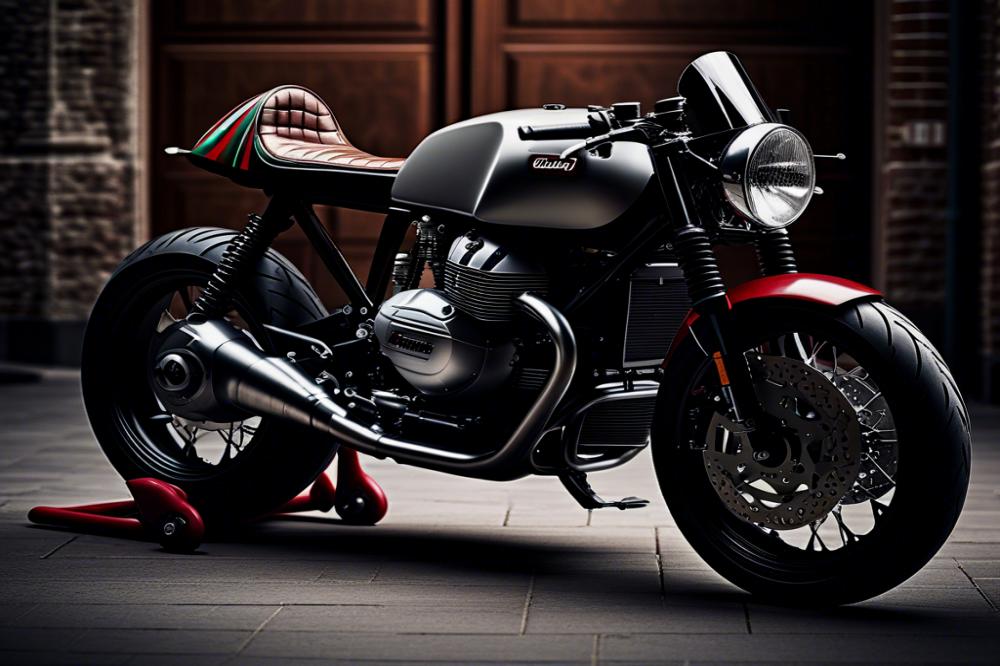
Italy is celebrated for many things, but its contributions to motorcycle production stand out notably. The country has cultivated a rich history in the manufacturing and design of two-wheeled vehicles. With a blend of innovation and traditional craftsmanship, Italy has secured its place as a leading force in the global motorcycle market.
Motorcycles are not merely a mode of transport in Italy; they are a vital part of the culture and economy. Riders traverse historic streets while enjoying the freedom that comes with two wheels. The industry fosters jobs, fuels tourism, and propels the economy forward. Motorcycling is often associated with the thrill of racing, which has deep roots in Italian heritage. Events and competitions draw enthusiasts from all corners of the world, showcasing the country’s prowess.
Several major players dominate the Italian motorcycle landscape. Ducati is renowned for high-performance bikes, winning numerous racing championships. Moto Guzzi, one of the oldest manufacturers, is respected for its unique designs and reliable engineering. Then there’s Piaggio, famous for its Vespa scooters, which have become iconic symbols of Italian style and practicality. These brands represent not just manufacturers but cultural icons that define the Italian motorcycle industry.
Historical Background of Motorcycle manufacturing in Italy
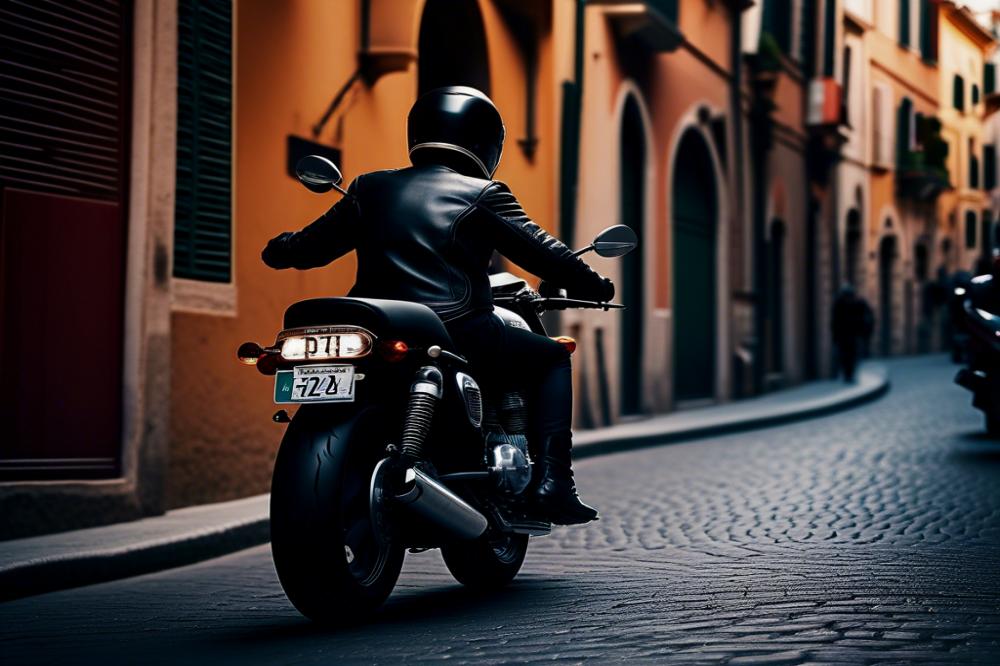
The early 20th century marked the birth of motorcycle manufacturing in Italy. At this time, many small workshops began creating two-wheeled vehicles. Innovators and craftsmen joined forces, transforming ideas into machines. The country’s enthusiasm for motorcycles fueled rapid developments. Some brands created during this era still hold significant status today.
Key milestones shaped the industry. Ducati, founded in 1926, initially focused on radio equipment. Soon, they shifted to motorcycles, setting new standards in performance. Moto Guzzi, established in 1921, became famous for its high-quality craftsmanship. These brands embodied the spirit of innovation, contributing to Italy’s growing reputation in the global market.
During World War I, motorcycle production faced challenges. Many factories shifted their focus to military vehicles. However, the demand for personal transport surged in the post-war years. This transition allowed manufacturers to experiment with motorcycle design and performance.
World War II had a profound impact on industry practices. The conflict crippled many manufacturers, but others adapted. Companies sought to maintain their workforce and established new methods. Racing became a vital aspect of their identity, driving technical advancements. This passion for speed and competition led to groundbreaking innovations and solidified brand legacies.
As Italy’s economy began to recover, the motorcycle sector flourished. Piaggio introduced the iconic Vespa in 1946, which revolutionized urban transportation. This scooter quickly captured the attention of consumers worldwide. The establishment of various brands, alongside a growing racing culture, allowed Italy to develop a distinct motorcycle identity.
Today, the country’s legacy in manufacturing continues to influence design trends. Heritage brands like Ducati and Moto Guzzi remain at the forefront of the sector. They combine traditional craftsmanship with modern techniques. This blend of history and innovation keeps Italy relevant in the global motorcycle market.
Major Italian Motorcycle Brands and Their Contributions
In-depth look at Ducati: innovation and racing heritage
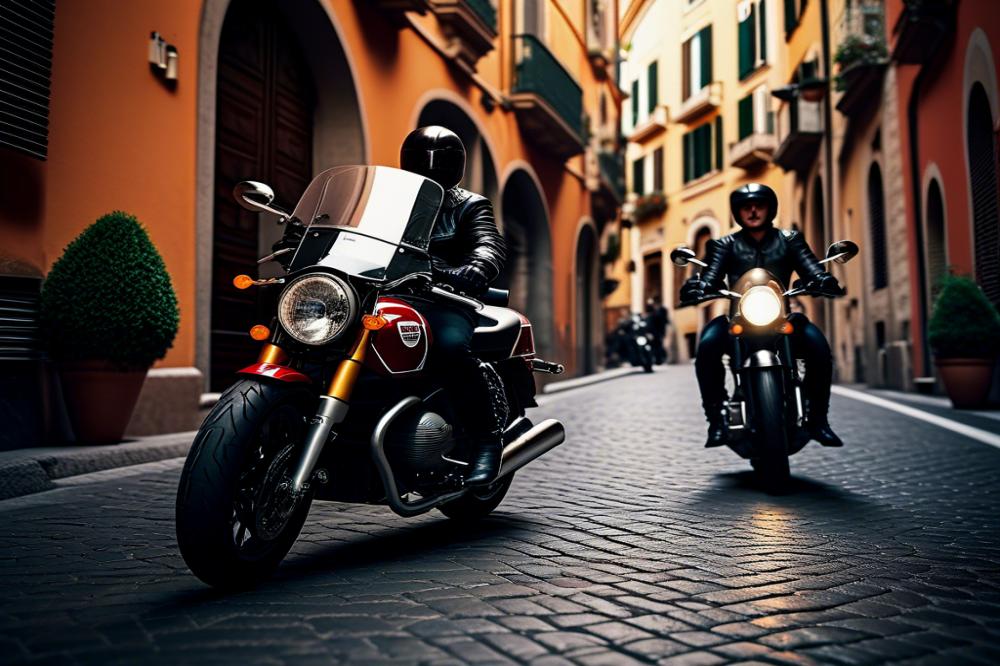
Ducati stands as a leading name in motorcycle production. Founded in 1926, this brand is synonymous with innovation. It has made a mark in the racing world. Many know Ducati for its high-performance bikes that dominate tracks around the globe. The company invests heavily in research and development. Their focus on technology helps create cutting-edge designs. Powerful engines and advanced engineering are hallmarks of Ducati motorcycles. These features not only attract enthusiasts but also help boost Italy’s economy through exports.
Motorsports play a significant role in Ducati’s identity. The brand’s participation in competitions, like MotoGP and World Superbike, showcases its commitment to speed and reliability. Racing successes have built a strong reputation. Many riders dream of owning a Ducati, influenced by its racing legacy. This connection to performance fuels the company’s growth in the global market. With each new model, Ducati continues to push the boundaries of what is possible in motorcycle design.
The legacy of Moto Guzzi: craftsmanship and design excellence
Moto Guzzi is another iconic name in Italian motorcycle history. Established in 1921, the brand is known for its unique designs and meticulous craftsmanship. Each bike tells a story, showcasing the artisan skill involved in its creation. Moto Guzzi’s models often reflect a blend of tradition and modernity. Their V-twin engines are not just powerful; they also have a distinct character. Riders appreciate the reliability and comfort offered by these motorcycles.
Style is equally important for Moto Guzzi. Their bikes feature classic aesthetics with innovative touches. Every motorcycle is crafted with care, reflecting Italian design excellence. The brand’s commitment to heritage is commendable. It resonates deeply with customers who value quality and longevity. As a result, Moto Guzzi has built a loyal following in the motorcycle community. This brand contributes not only to local manufacturing but also to Italy’s position on the global stage.
Piaggio: impact on the scooter market and diversification in production
Piaggio has revolutionized urban transportation with its scooters. Founded in 1884, this company has a broad history that showcases notable adaptability. The iconic Vespa, launched after World War II, became a symbol of Italian culture. Its sleek design and affordability made it popular worldwide. Piaggio has played a crucial role in making scooters accessible for everyday use.
Diversification has been key to Piaggio’s growth. The company produces various models to meet different market needs. From their stylish Vespa to powerful motorbikes, Piaggio covers a wide range. Their approach has helped the brand thrive in competitive sectors. The scooter market continues to expand, with Piaggio at the forefront of innovation. By focusing on sustainability, Piaggio aligns itself with modern concerns about the environment. They understand that as cities grow, so does the need for efficient transportation options.
In summary, three major Italian motorcycle brands—Ducati, Moto Guzzi, and Piaggio—have each made significant contributions to the motorcycle industry. Their innovations, craftsmanship, and ability to adapt have helped Italy become a leader in motorcycle production.
The Role of Innovation and Design in Italian Motorcycle Production
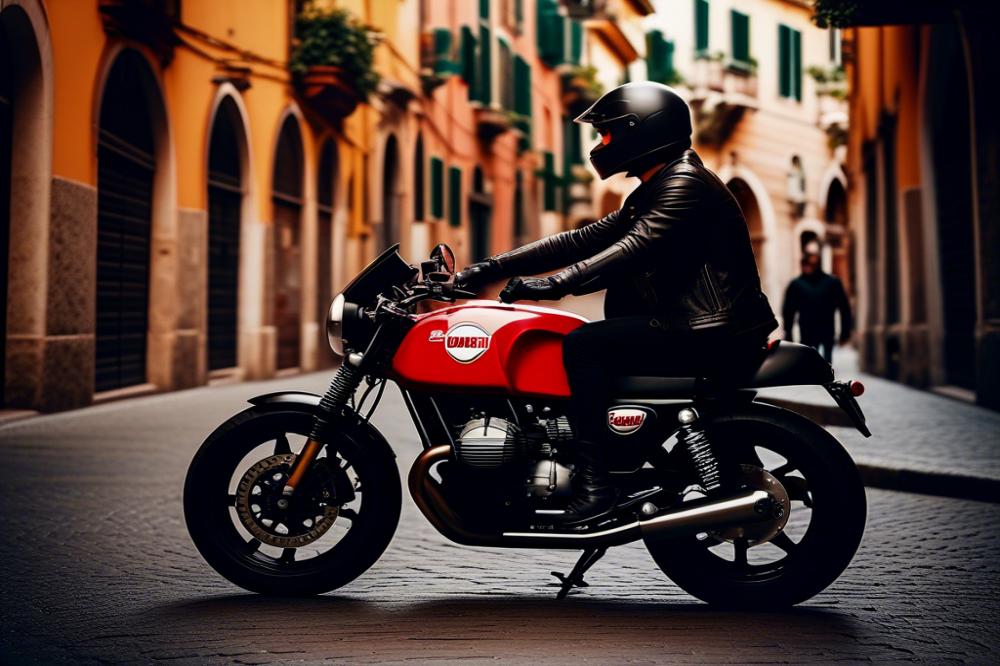
Research and development play a crucial role in the Italian motorcycle industry. Companies like Ducati and Moto Guzzi invest heavily in new technology. Continuous innovation leads to advanced manufacturing techniques and higher quality vehicles. This commitment helps them stand out in the global market.
Celebrated designs are a significant part of Italy’s motorcycle legacy. Iconic models often showcase remarkable engineering feats. For example, Ducati’s signature trellis frame not only provides strength but also enhances aesthetics. Likewise, Piaggio is known for its Vespa, which has become a symbol of style and practicality worldwide.
Each manufacturer pushes the envelope in different ways. Craftsmanship is not just about making bikes; it’s about creating experiences. Engineers frequently collaborate with designers to merge functionality with beauty. Whether in the details of a fairing or the curvature of a tank, every aspect is carefully considered.
The racing legacy also drives innovation in the sector. Italian brands consistently dominate competitions, motivating them to refine their technology. Performance bike models often come equipped with state-of-the-art features, setting benchmarks for the industry. The cycle of competition fuels progress, which ultimately benefits consumers.
As the economy evolves, so does the demand for motorcycles. Manufacturers are adapting to trends while maintaining their storied traditions. This balance between modernity and classic craftsmanship has made Italian bikes highly sought after. The distinctiveness of the bikes caters to a variety of riders, from casual enthusiasts to serious racers.
In summary, the combination of innovation and design is what truly elevates Italy in motorcycle production. It is this synergy between research, celebrated designs, and cutting-edge technology that places Italian manufacturers at the forefront of the industry.
The Integration of Racing Culture in Italian Motorcycle Manufacturing
Racing stands as a powerful force in Italy’s motorcycle industry. For years, it has served as a critical testing ground for innovation. Manufacturers often develop new technology in the heat of competition. This pursuit of speed and performance drives design and craftsmanship. Many believe that racing shapes the very future of motorcycle manufacturing.
Major racing events create a buzz that resonates throughout the economy. The MotoGP and World Superbike races are key showcases for brands like Ducati and Moto Guzzi. These events not only attract fans but also push manufacturers to enhance their products. The need for performance leads to breakthroughs in materials and engineering techniques. Such advancements filter down to consumer models, elevating the overall quality in the global market.
Success stories abound among Italian brands in international competitions. Ducati, for instance, has won numerous championships, showcasing not just speed but also innovative engineering. Their commitment to racing fosters an environment where new ideas can flourish. Meanwhile, Piaggio has developed lightweight scooters that reflect its racing expertise. This blend of sport and design captivates riders across various demographics.
The emphasis on racing produces a culture of excellence. Each motorcycle that rolls off the assembly line brings with it the spirit of competition. Craftsmanship meets innovation in a way that few industries can match. Italian manufacturers have learned to embrace this unique relationship between the track and the street. As a result, their bikes stand out for their performance and aesthetic appeal.
Economic Impact of Motorcycle Manufacturing in Italy
Contribution to the National Economy and Job Creation
Motorcycle manufacturing plays a vital role in Italy’s economy. Major brands like Ducati, Moto Guzzi, and Piaggio employ thousands of skilled workers. These companies create jobs in various fields, from assembly line work to advanced engineering. Not only do they provide direct employment, but they also support local businesses such as parts suppliers and logistics companies. The craftsmanship involved in building these motorcycles showcases Italy’s rich tradition of design and innovation. As a result, factories become hubs of activity, driving economic growth in their regions.
Export Dynamics and Global Market Presence of Italian Motorcycles
Italian Motorcycles are well-known worldwide, with a strong presence in the international market. Exports contribute significantly to the national income. Many consumers seek out the unique qualities of Italian brands, appreciating their performance and style. Racing heritage adds to this appeal, showcasing the effectiveness of Italian engineering. The global demand for motorcycles continues to rise, creating a favorable environment for Italian manufacturers. They capitalize on this trend, introducing new models that highlight their cutting-edge technology.
Challenges and Opportunities in the Changing Economic Landscape
The industry faces challenges, particularly with shifting consumer preferences and economic fluctuations. Electric motorcycles are gaining traction, and manufacturers must adapt to these demands. Innovation becomes essential for staying competitive. Companies are investing in research and development to meet new expectations. Despite the obstacles, opportunities abound. The growth of eco-friendly transportation can lead to new markets. Italian motorcycle brands have the opportunity to lead in the transition to sustainable mobility. By embracing this change, they can preserve their legacy while shaping the future of the industry.
Final Thoughts on Italy’s Motorcycle Industry
Italy stands out as a global leader in motorcycle production, known for its craftsmanship and innovative design. Renowned brands like Ducati, Piaggio, and Moto Guzzi have built a legacy of excellence that resonates with riders around the world. The blend of style and performance in Italian motorcycles often sets trends that other manufacturers strive to replicate. Enthusiasts appreciate not only the technology involved but also the passion behind each machine.
Looking ahead, the future of the motorcycle industry in Italy appears bright. As electric vehicles become more popular, there is a growing interest in electric motorcycles. Several Italian manufacturers are already making strides in this area. This shift may attract new riders and expand markets. Competition remains fierce, but it drives progress.
The legacy of Italian motorcycles is evident in their strong presence around the globe. Their unique character and iconic designs have captured the hearts of many. Italian motorcycles symbolize more than just transportation; they evoke a lifestyle and a sense of freedom. Each model carries a piece of Italy’s rich culture. Indeed, the influence of this industry will likely continue for years to come, inspiring future generations of riders and manufacturers.

