Introduction
Alberto Burri holds a significant place in the landscape of Italian modern art. His journey began amid the chaotic aftermath of World War II. The scars left by the war deeply influenced his creative vision and shaped his path as an artist. These experiences would soon manifest in powerful ways through his work.
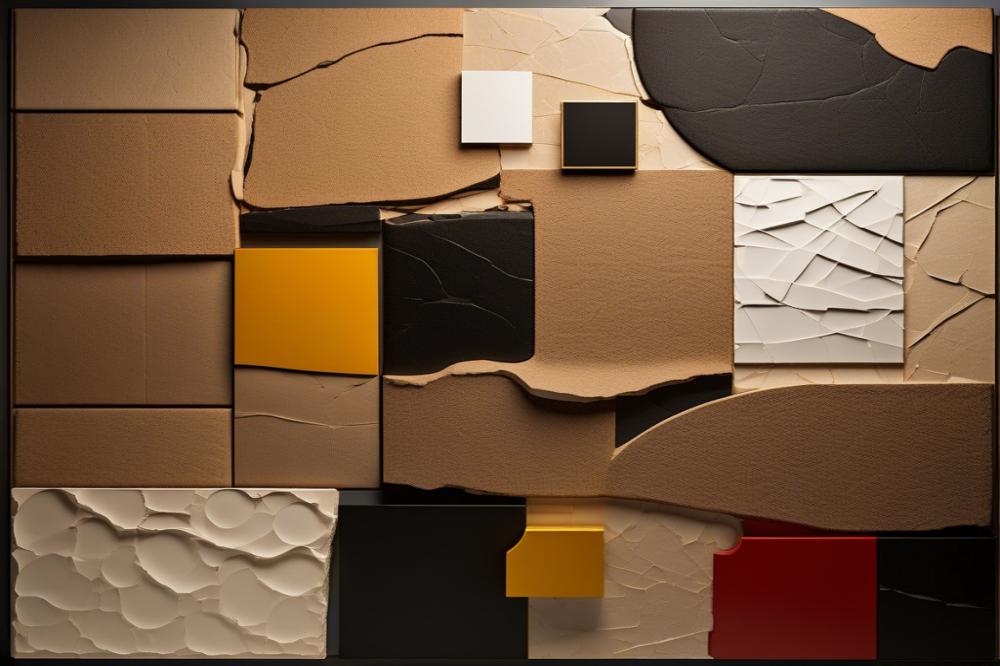
Burri’s art transcends mere aesthetics. It intricately weaves together abstraction and materiality, inviting viewers to explore the emotional expression beneath the surface. Canvas became more than just a support for color; it transformed into a battleground of choices where textures and forms spoke volumes. The artist’s techniques reflected a unique relationship with his materials, often incorporating remnants of war, like burlap and charred wood.
This Italian artist’s approach redefined the traditional notions of visual art. By turning the painful memories of conflict into a form of expression, he demonstrated how art and war aren’t just opposites but complex companions. His work challenges us to reflect on the deeper meanings of beauty, destruction, and resilience. In art history, Burri stands out as a powerful figure, using abstraction to process trauma and communicate universal experiences.
The Context of Burri’s Work
After World War II, Italy faced a time of rebuilding and reflection. Many cities lay in ruins, with physical damage marking the landscape. This destruction left behind emotional scars as deep as any visible wound. The nation was in turmoil, caught between a painful past and hopes for a brighter future. In this environment, artists sought ways to express the conflicts within society and themselves.
Burri tapped into these sentiments. The scars of war influenced his artistic vision profoundly. He often used the remnants of destruction, such as burlap and wood, as his canvas. These materials represented both the beauty and the tragedy of that period. His techniques transformed everyday objects into powerful statements. Through abstraction, he moved away from traditional forms of painting to explore new territories.
Personal trauma resonated with broader collective experiences. The struggles he witnessed in post-war Italy became intertwined with his work. Each canvas reflected emotions that were deeply rooted in both his life and the lives of others affected by the war. The viewer can sense the weight of pain and resilience in his art. Burri’s visual art speaks to loss and recovery, revealing the connections between individual wounds and national identity.
Materials served not just as paint but as symbols. The texture and physicality of his work mirrored the harsh realities of the time. Viewers are drawn into a dialogue with the pieces, engaging with the rawness of the emotional expression. Rather than presenting beauty, the Italian artist chose to confront discomfort. This choice invites viewers to grapple with their feelings about war, healing, and the nature of humanity.
His legacy in art history is not just about technique but about the stories behind each piece. By transforming war scars into art, he offered a unique perspective on survival and creativity. Burri’s artistic journey showcases how pain can mold profound artistic statements. The canvas becomes a space where scars are not just hidden but embraced and examined.
Burri’s Techniques and Materiality
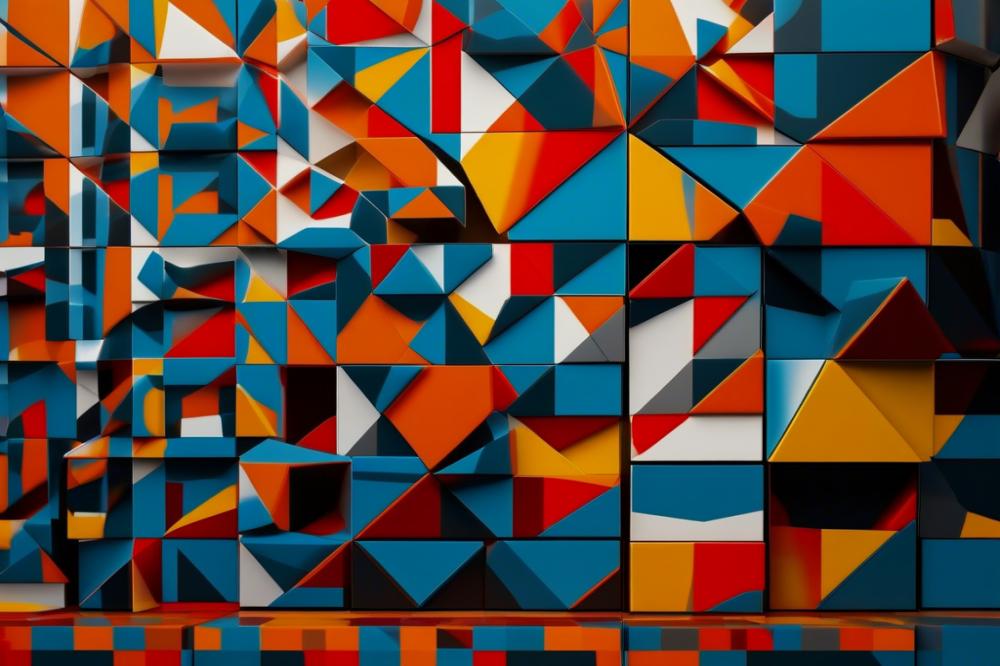
The Italian artist Alberto Burri employed a variety of materials in his visual art, crafting works that reflected both destruction and renewal. Rather than using traditional paints, he often chose industrial substances like burlap, plastic, and even tar. These options gave his canvases an unusual texture and physical presence.
Experimentation was at the heart of Burri’s creative process. He mixed materials in ways that were unexplored at the time. For example, he often incorporated items like burnt wood and discarded objects. This approach transformed them into poignant symbols of the post-war era. His use of unconventional resources turned scars of conflict into something profound and beautiful.
Through his distinct techniques, Burri succeeded in conveying deep emotional expression. Each stroke and material choice contributed to the abstract forms he created. The physicality of the materials resonates with viewers, allowing them to perceive the weight of history. Observers often feel the tension and release present in his work, making the viewing experience intimate.
Burri’s art connects to themes of healing and renewal. By taking materials associated with destruction, he redefined their meaning. The layers of texture and depth found in his creations invite contemplation. Such meticulous craftsmanship plays a significant role in art history, influencing generations of artists who followed.
Thematic Exploration in Burri’s Abstractions
Destruction and reparation are central themes in Burri’s visual art. His works resonate with the scars left by war. The Italian artist used found materials to create pieces that reflect post-war reality. These elements symbolize the wounds that societies endure. Using burlap, plastic, and other materials, Burri transformed remnants of conflict into striking canvases. Each texture tells a story, merging pain with beauty.
Physical scars in his art become more than just marks. They serve as visual narratives that speak of loss and healing. This transformation of materiality is profound. Through art, Burri invites viewers to explore their own emotions. What might seem like chaos often reveals deeper truths. His techniques compel us to confront the aftermath of trauma.
Abstraction plays a critical role in conveying complex feelings. By eliminating recognizable forms, Burri opens a dialogue with the observer. This approach encourages a personal interpretation. Each viewer may find different meanings within the layers of his work. Emotional expression flows from the visceral quality of the textures he employed. What appears as simple art becomes a mirror reflecting human experience.
In this way, Burri’s abstractions carry the weight of history. They challenge traditional notions of beauty in art. Rather than shying away from pain, he embraces it. His work captures the tension between destruction and the hope for renewal. Audiences are drawn to these contrasts. Through examination, they gain insight into the human condition.
Ultimately, the legacy of Burri is found in these layered meanings. Each piece offers a meditation on resilience. The scars of war do not merely exist in the past; they shape the present. Thus, his contributions to art history remain significant. They encourage ongoing exploration of emotions tied to trauma and recovery.
Burri’s Place in Art History
Burri’s influence on later generations of artists
Alberto Burri changed how artists saw their materials. His approach to abstraction opened new paths for creative expression. Many contemporary artists look to his works for inspiration. They appreciate how he used non-traditional materials to convey emotion. The blending of technology and art can be traced back to his innovative methods. His ability to transform ordinary objects into compelling visual narratives is notable. Each piece he created tells a different story, bridging past and future.
The reception of his work within the context of Italian art movements
In Italy, Burri’s art sparked conversations that challenged conventional ideas. The post-war era saw a shift towards more experimental forms of visual art. His techniques often contrasted with those of the established Italian movements. Critics acknowledged the boldness of his work, despite its unconventional nature. Some viewed it as a break from tradition, while others celebrated its originality. Burri’s ability to reflect the scars of war in his pieces resonated strongly with the public.
Legacy of Burri’s visionary abstractions in contemporary art
The legacy of this Italian artist is evident in today’s art scene. Young creators still explore themes of materiality and emotional expression inspired by his vision. Unlike previous generations, they embrace a wider variety of techniques and mediums. Burri’s exploration of the canvas as a dynamic surface opens discussions about what art can represent. His work serves as a reminder that art can emerge from turmoil. Today, many artists pay tribute to Burri, acknowledging his role in shaping modern abstraction. His influence continues to inspire and challenge, making him a vital figure in art history.
Reflecting on Alberto Burri’s transformative impact on visual art
In the landscape of art, few figures resonate as profoundly as the one who transformed the remnants of conflict into powerful expressions of resilience. Burri’s work stands out for its ability to distill deep emotional responses through abstraction. His canvases, crafted from materials like burlap and charred wood, reflect not just his experiences but also the jagged scars left by war itself. Each piece tells a story, inviting viewers to confront the pain and beauty intertwined in our shared history.
The impact on art history is significant. Burri’s innovative techniques broke boundaries, challenging traditional notions of what art could encompass. His creations remind us of the raw realities of existence—suffering, recovery, and the relentless pursuit of beauty amid destruction. Many artists today draw inspiration from his ability to transform the mundane into a spectacle of emotional depth.
Thinking about his legacy, one must consider the broader implications of his work. In our modern world, where the aftermath of conflict continues to unfold, Burri’s art remains painfully relevant. It prompts reflection on the scars that wars leave, not only on landscapes but also on the human spirit. By conveying the universal themes of loss and hope, he invites us to embrace our vulnerabilities.
In sum, the visionary abstractions created by Burri serve as a compelling reminder of art’s power to heal. His unique perspective on trauma extends beyond the confines of the canvas, urging us to reckon with our pasts. As we continue to navigate a world laden with struggles, his contributions become crucial in fostering understanding and dialogue about the human experience. The echoes of his creativity resonate, ensuring that the scars of war are not forgotten but transformed into conversations that matter.