
Introduction
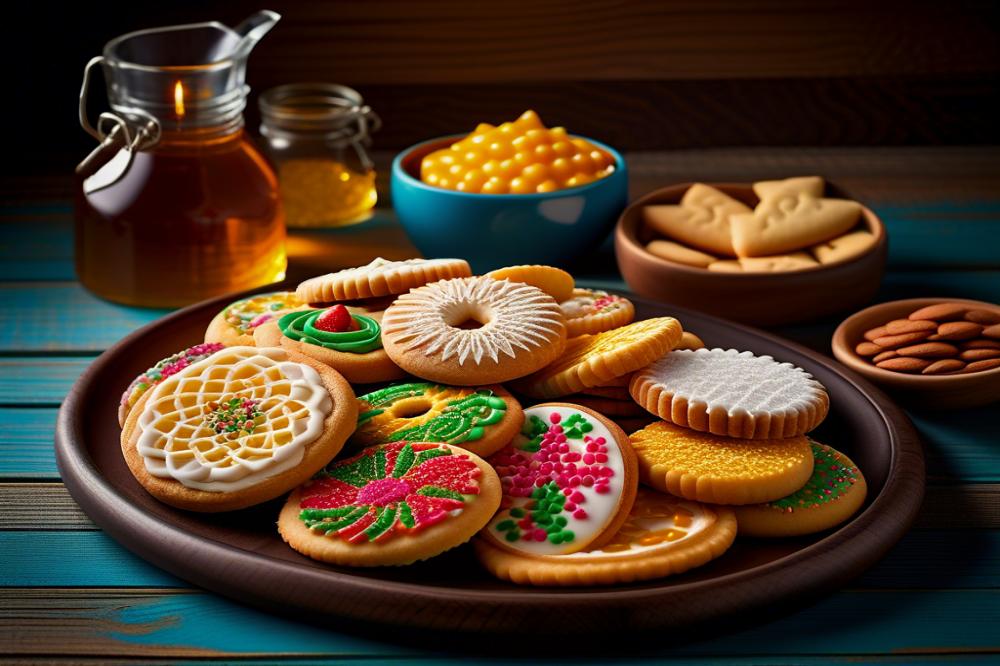
Italian cookies are much more than just sweet treats. They represent a deep part of Italy‘s cultural heritage and showcase the rich dessert traditions passed down through generations. Bakeries throughout the country offer an array of delightful options that reflect the unique characteristics of their regions. From the mountains of the north to the sunny coasts of the south, these baked goods carry stories and flavors that are distinctly Italian.
regional diversity significantly influences the baking styles and flavor profiles found in traditional recipes. Each area utilizes local ingredients that reflect its agriculture and customs. For example, the almonds of Sicily create delicious marzipan cookies, while the Chocolate of Northern Italy finds its way into rich, velvety treats. Holiday customs also play a role; certain varieties are specifically made during festivities, adding to their cultural significance.
As you explore the various types of Italian cookies, you will discover a treasure trove of tastes and textures. Some are crunchy, while others are soft and chewy. The fusion of flavors highlights the local specialties, charming many who experience them. Each cookie tells a story, inviting everyone to appreciate the intricate tapestry of tradition that binds Italy’s regions together.
Historical Context of Italian Cookies
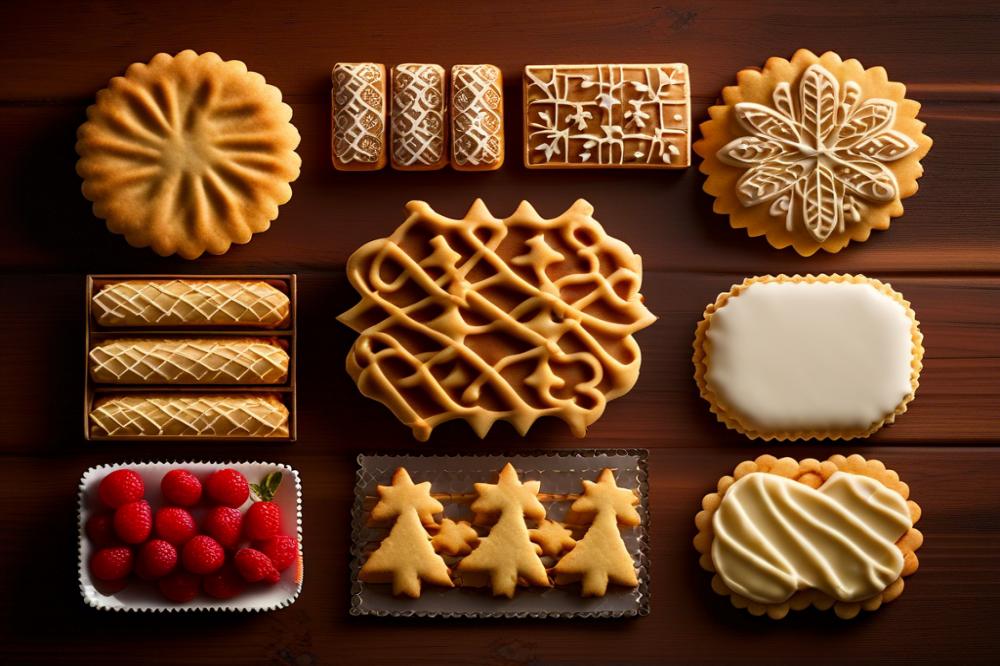
The rich history of cookies in Italy tells a fascinating story of cultural diversity and culinary evolution. Historical events have shaped regional specialties and influenced traditional recipes. Italy’s unification in the 19th century sparked a shared identity, yet each region maintained distinct baking practices. Wars, trade, and migrations brought new flavors and ingredients, creating a tapestry of dessert traditions across the country.
Local ingredients play a crucial role in cookie variations. In the North, for instance, hazelnuts and butter are prevalent, while the South often features almonds and citrus zest. These choices reflect the agricultural wealth of each area. They directly impact flavor profiles, yielding cookies that capture the essence of their environment. Seasonal changes also dictate which local ingredients are used, aligning baking practices with holiday customs.
Widespread regional pride can be seen in traditional recipes. Every family often has its version of beloved cookies passed down through generations. Festivals dedicated to these sweets showcase their significance in Italian culture. During Christmas, for example, families create various cookies tied to local lore and historical practices. Each cookie not only serves as a treat but also tells a story about its origins.
Exploring the varieties of Italian cookies reveals more than just sweet flavors. It uncovers the heart of Italy’s cultural heritage. As people traveled across the country, they brought their culinary traditions, leading to innovative adaptations. This blending created a balance of flavors and textures that delight many palates, making these cookies cherished treats far beyond their hometowns.
Regional Specialties and Varieties
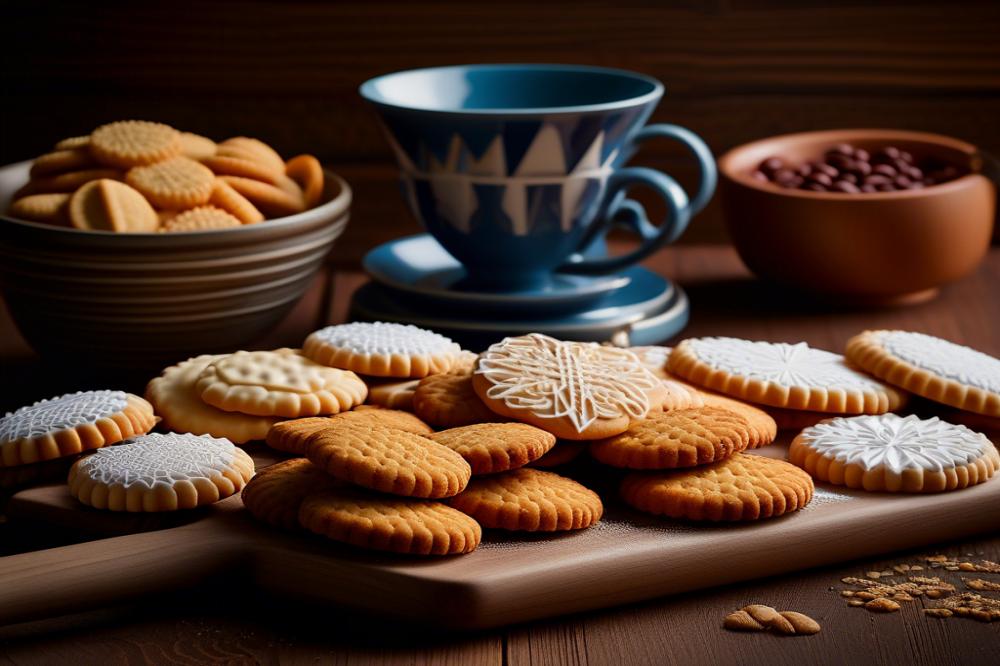
Italian cookies are rich in cultural heritage. Each region has its own specialties that reflect local traditions and ingredients. Let’s explore some notable examples from various parts of Italy.
Cantucci from Tuscany
These twice-baked biscotti have become famous worldwide. Cantucci, often enjoyed with Vin Santo, showcase whole almonds. The crunchiness is a delight. Bakers use simple ingredients, ensuring a focus on the almond flavor. This cookie represents the simplicity and rustic charm of Tuscan dessert traditions.
Pizzelle from Abruzzo
Pizzelle are delicate, waffle-like cookies known for their intricate patterns. Originating from Abruzzo, they often feature anise or vanilla flavorings. A special iron creates their shape. Traditional recipes sometimes include lemon or orange zest, offering a refreshing twist. Families often make these cookies during Christmas and weddings, reflecting local holiday customs.
Struffoli from Campania
Struffoli are small, fried dough balls covered in honey. Served during festive occasions, they are a symbol of joy and celebration. The dough is flavored with citrus or liqueur, giving it a lively taste. This cookie’s vibrant appearance comes from colorful sprinkles and candied fruits. Struffoli connect deeply to Neapolitan culture, making them a true regional specialty.
Across Italy, flavors vary significantly. Local ingredients influence each cookie, creating distinct profiles that tell a story. Whether it’s the almonds of Tuscany or the citrus of Campania, every region contributes to a rich tapestry of dessert traditions. Understanding these variations highlights the beauty of Italy’s baking heritage.
Cultural Significance and Holiday Customs
Cookies play a significant role in holiday celebrations throughout Italy. During festive times, families come together to bake and share special regional varieties. These moments are filled with laughter, stories, and the delicious aroma of baking. Each region boasts its own traditional recipes that embody local culture and history.
For instance, at Christmas, Italy is alive with the smell of struffoli in Naples. This honey-drenched treat brings families together, celebrating the season’s joy. In contrast, in the northern regions like Trentino, people prefer zelten, a rich fruitcake filled with nuts and dried fruits, often enjoyed during holiday gatherings.
Italian Easter traditions also highlight the diversity of dessert customs. In many areas, you will find colomba pasquale, resembling a dove, symbolizing peace and resurrection. Bakers carefully craft this sweet bread with local ingredients, infusing it with flavors that reflect the landscape. In some Sicilian homes, cassatelle make an appearance, showcasing the island’s unique flavor profiles.
Various holidays often dictate which sweets are prepared. Each celebration has its own associated treats, creating a strong connection between food and cultural festivities. This bond fosters the passing down of traditional recipes through generations, preserving Italy’s diverse culinary heritage. Families gather, sharing stories of how their ancestors baked these cookies, keeping the tradition alive.
Local ingredients shape these delightful treats, enhancing their uniqueness. Each baker brings a personal touch to their holiday customs, ensuring that flavors are both nostalgic and fresh. Adapting recipes over time reflects the cultural shifts within communities, but the essence of those original creations remains.
A variety of cookies can be found during celebrations, each with its own story and place in family traditions. When you taste a cookie, you often experience a piece of history. Local baking practices bring communities together, reinforcing bonds while honoring their shared pasts. Each bite tells a story, tying together generations and celebrating the rich fabric of Italian life.
Local Ingredients and Their Impact
Exploring local ingredients reveals much about the diversity of cookie varieties across Italy. Each region takes pride in what it grows, and this directly influences baking practices. For instance, the use of almonds in Sicilian cookies is a nod to the region’s rich nut production. This ingredient not only adds flavor but also gives a crunchy texture that many love.
Fruits play a significant role too. In the northern areas, such as Trentino-Alto Adige, ingredients like apples or berries often find their way into traditional recipes. These regional fruits lend a fresh taste and make the cookies more appealing, especially during the harvest season. Such practices highlight how a community’s availability of fresh produce inspires dessert traditions.
Varieties of spices can also shape flavor profiles in significant ways. In the central regions, for example, the use of anise and fennel seeds in cookies like “Mostaccioli” showcases unique tastes that celebrate local customs. These flavors remind people of holiday customs and special gatherings, making them more than just a treat.
The combination of local nuts, fruits, and spices enhances the authenticity of each recipe. As bakers use what’s available around them, they create products that reflect their cultural heritage. Duos of hazelnuts and Chocolate make for a delightful experience in Piedmont, while the use of citrus in Neapolitan cookies showcases the impact of lemon trees flourishing in the area.
Ultimately, each cookie tells a story of its region. By sourcing local products, bakers not only preserve their traditions but also support local farmers. A cookie is more than its ingredients; it embodies the essence of a community, its resources, and its values. When eaten, they transport you to their place of origin, creating a special bond between food and culture.
Baking Techniques Across Regions
In Italy, baking techniques reveal a rich tapestry of regional specialties. Each area has its own tradition, reflecting local ingredients and cultural heritage. For instance, the northern regions often use butter and cream in their cookies. This method yields a tender crumb and a rich flavor profile. On the other hand, southern regions might rely on olive oil, giving their treats a distinct, fruity taste.
Diverse techniques play a vital role in shaping the texture of cookies. In places like Tuscany, bakers might roll out dough thin and crisp. This results in a crunchy cookie that pairs wonderfully with wine. Comparatively, Sicilian bakers often create softer, chewier varieties. Their focus on humidity and high sugar helps achieve that chewy texture.
Holiday customs also influence how cookies are made in different regions. Many families stick to traditional recipes passed down through generations. During Christmas, for example, spritz cookies filled with jams are popular in the north. In the south, almond cookies with a hint of orange blossom flavor are common.
Modern baking practices have begun to change some traditional techniques. With advancements in equipment, baking can become more efficient. Some bakers now use pre-made doughs, which can change the flavor and texture of the final product. While this approach may save time, it can sometimes dilute the authenticity of national dessert traditions.
Bakers who preserve age-old methods often argue that these practices bring the utmost flavor. They carefully select local ingredients to enhance their creations. The focus on seasonal and regional products leads to cookies that tell the story of their place of origin. Such insights into baking practices reveal how deeply intertwined food is with culture in Italy.
Every cookie variety tells a story through its unique recipe and preparation. Discovering these flavors and techniques offers a delicious journey through the heart of Italian regions. Each bite captures a piece of history, reflecting the passions of those who bake.
Celebrating regional diversity Through Cookies
Italy’s traditional cookies showcase the rich tapestry of its regional diversity. Each variety tells a story, reflecting the local ingredients and cultural influences that give it character. From the nutty flavors of the Tuscan Cantuccini to the sweet almond bites of Sicilian Pignolata, these treats carry the essence of their origins.
Preserving traditional recipes is vital for maintaining this culinary heritage. As generations pass, there is a risk that these unique foods may fade from our tables. Families and bakers alike play an essential role in keeping these customs alive. They pass down techniques and ingredients that have been cherished for years.
Exploring Italian cookies opens a door to Italy’s regional specialties. It highlights how geography, history, and culture blend together in each mouthful of sweet delight. There’s a vast variety, each cookie providing a taste of its homeland. Taste each one and imagine the traditions that shaped it. This exploration is not just about cookies; it’s about connecting to a culture rich in flavor and history.
So, gather your family or friends and try making these cookies together. Enjoy the process and savor the flavors. In doing so, you help keep these cherished traditions alive for future generations. Let’s celebrate this rich heritage one cookie at a time!

