
Introduction
Sicilian cuisine stands out for its rich flavors and vibrant ingredients. Known for its bold tastes and diverse influences, it reflects a history shaped by various cultures. Among the treasures of this culinary landscape, confectionery-brands-in-italy-still-thriving-today”>Ricotta plays a crucial role in creating delightful desserts. Those who embrace Sicilian confectionery find themselves captivated by the creamy texture it brings to many traditional recipes.
Italian pastries are adored far and wide. In Sicilian tradition, sweet fillings often include ingredients like citrus zest, Chocolate, and diverse nuts. These ingredients blend beautifully with the softness of Ricotta. Desserts such as cannoli and cassata feature this creamy delight prominently, creating a signature taste that defines these beloved treats. The combination of flavors makes these pastries irresistible.
Artisanal sweets crafted from time-honored techniques highlight the charm of Sicilian desserts. Shops specializing in these creations offer a glimpse into Sicily’s past while satisfying modern cravings. Each bite reveals the artistry involved in pastry-making, along with the rich cultural background that supports it. Consequently, ricotta has become a cherished ingredient in many households, ensuring that the tradition of beautiful, flavorful desserts continues to thrive.
Ricotta in Sicilian Confectionery
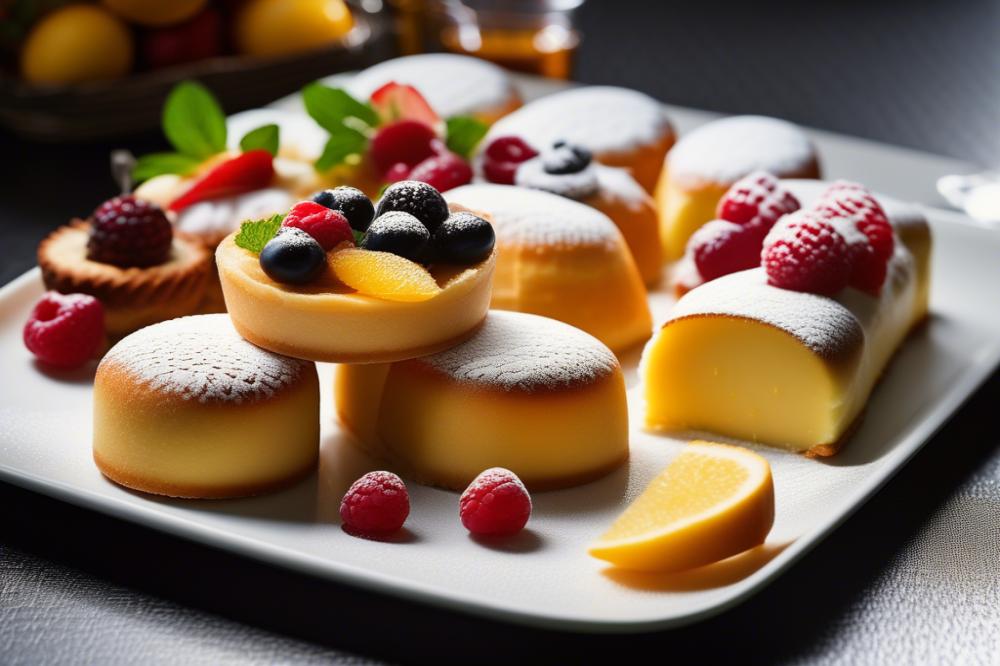
In Sicilian cuisine, ricotta plays a pivotal role in shaping the flavors and textures of many beloved desserts. This ingredient offers a creamy texture that elevates artisanal sweets beyond the ordinary. One cannot think of Chocolates”>Sicilian Pastries without picturing the rich, sweet fillings that showcase its softness. Cannoli, for instance, is a classic filled with a blend of ricotta and sugar, creating a delightful contrast to its crispy shell. The moment you bite into one, the smooth, creamy mixture reveals how ricotta transforms simple recipes into something special.
Furthermore, cassata is another shining star of Sicilian confectionery. Layers of sponge cake and sweet cream come together in a harmonious blend, largely thanks to the luscious ricotta that enriches its taste. Its importance in traditional recipes cannot be overstated. Generations have embraced this creamy cheese, using it to create flavorful desserts that resonate with the island’s history. It reflects the cultural heritage that intertwines both ingredients and methods passed down through families.
Exploring the culinary landscape of Sicily unveils countless variations of sweets. Many recipes utilize ricotta in unexpected ways, such as in various pastries that feature fruit or nuts. These creations often surprise those unfamiliar with Sicilian desserts. Each bite offers a different experience, based on how the cheese interacts with other flavors. Every artisanal sweet tells a story, showcasing not just ingredients but also the spirit of a community devoted to their culinary traditions.
Additionally, the warm sun-drenched island fosters a culture where this ingredient thrives. Farmers have cultivated their grazing pastures for centuries. The result is a high-quality product that bakers and chefs cherish. This focus on quality ensures that every dessert made with ricotta stands out. From local bakeries to family gatherings, these sweets bring people together, connecting them in taste and memory.
Overall, one can see the resonance of ricotta in the heart of Sicilian confectionery. The rich flavors enhance the experience of indulging in these delightful pastries. Every dessert crafted with this creamy cheese carries with it a sense of pride and tradition. As you savor each mouthful, you also taste the love and history that has shaped these desserts for generations.
Iconic Desserts Featuring Ricotta
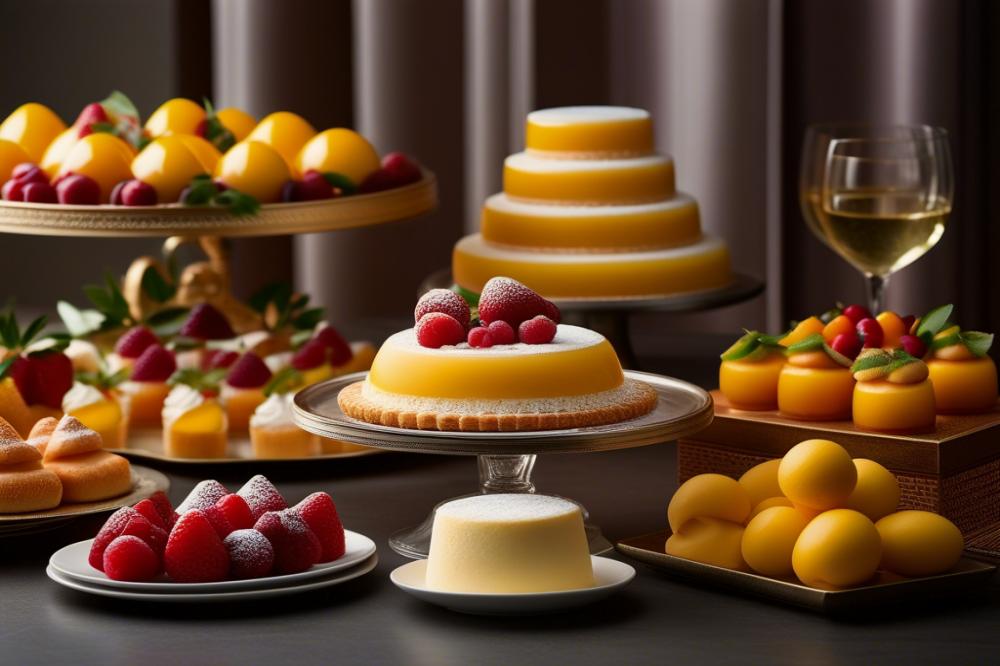
Sicilian cuisine is renowned for its delightful desserts, many of which highlight the creamy texture and richness of ricotta. Among the most famous of these are cannoli and cassata. Both stand as symbols of Sicilian culture and culinary artistry.
Cannoli are perhaps the most recognized Italian pastries worldwide. Originally from Sicily, these crisp tubes of fried pastry dough are filled with a smooth, sweet mixture. Traditionally, this filling combines ricotta with ingredients like sugar, vanilla, and sometimes a hint of citrus zest. The balance of crunchy and creamy creates an irresistible treat. Flavor variations exist, including chocolate chips or candied fruits, which enhance the overall experience.
Another iconic dessert, cassata, showcases the versatility of ricotta. This cake is a masterpiece of layered flavors and textures. It typically features sponge cake soaked in liqueur, layered with sweet ricotta and often accompanied by candied fruits. Chefs prepare it in various forms, sometimes including a rich icing that adds an extra touch of sweetness. Traditional recipes often vary by family or region, yet the main components remain consistent, allowing the rich creaminess to shine through.
Each of these sweets tells a story of tradition and artistry. In a bustling Sicilian pastry shop, it’s common to see both cannoli and cassata on display, inviting customers to indulge. Bakers take pride in crafting their confections with care, ensuring the ingredients reflect the authentic flavors of their heritage. The process of preparing these desserts often involves skilled hands and time-honored techniques passed down through generations. This not only guarantees quality but also deepens the connection to their roots.
Using ricotta as a key ingredient in these beloved pastries creates a distinctive flavor profile. Bakers often experiment with textures and tastes, integrating various spices or fillings. This creativity keeps Sicilian confectionery vibrant and alive. For those lucky enough to experience these desserts in Sicily, each bite offers a taste of history and a burst of flavor that is truly unforgettable.
The Versatility of Ricotta in Italian Pastries
The creamy texture of this dairy product offers incredible diversity in Italian pastry making. It is not just beloved in Sicilian cuisine. Many regions of Italy have discovered it can enhance various desserts, bringing both flavor and richness. Classic treats like cannoli and cassata showcase its potential. Yet, modern pastry chefs are pushing boundaries, experimenting with sweet fillings that elevate traditional recipes.
In addition to the famous Sicilian sweets, ricotta can be used in creating delightful tarts. Imagine a fluffy ricotta cheesecake, a lighter alternative to dense varieties. Bakers also enjoy folding it into batters for cakes, giving a moistness that other ingredients struggle to achieve. Customers appreciate this twist on familiar favorites.
Another exciting application occurs in cookies. Innovative recipes include ricotta as a key ingredient, which produces soft and chewy textures. People rave about these artisanal sweets, which have become trendy in cafes. Flavors like lemon zest and chocolate chips complement the cheese beautifully, allowing for endless creativity.
Utilizing this ingredient does not stop there. It appears in savory dishes too. Filling pastries with a blend of ricotta and herbs creates an unexpected surprise for those who expect only sweet treats. This versatility inspires chefs to explore combinations that remain true to Italian heritage yet appeal to modern palates.
The influence of ricotta extends beyond its traditional roles. Many new desserts now incorporate it in surprising ways. Infusing it into mousses adds a rich dimension. Also, bakers use it to lighten up rich frostings, resulting in a delicious balance. It allows for a satisfying experience without overwhelming sweetness.
Additionally, food artisans are embracing innovation. Creative minds in the culinary world are harnessing its potential, crafting pastries that dazzle the senses. Ricotta lends itself to various flavors, from floral hints to bold spices, allowing for a unique take on classic themes. This adaptability speaks to the heart of Italian pastries. The possibilities are truly endless.
Artisanal Production of Ricotta
The process of creating artisanal ricotta is central to high-quality confectionery in Sicily. Local dairy farms play a big role in this. They source fresh milk daily from cows, sheep, or goats. This fresh milk is vital for achieving the rich, creamy texture that such desserts require.
Traditional techniques are pivotal. Craftsmen heat the milk slowly, allowing curds to form naturally before they are strained. This method preserves the flavor, resulting in a deliciously rich product. Such methods have been passed down through generations, showcasing the dedication of Sicilian families to their culinary heritage.
Many confectioners in Sicily emphasize using artisanal ricotta in their desserts. Cannoli and cassata shine with the depth of flavor that fresh ricotta provides. Sweet fillings become a delightful experience for the taste buds. When skillfully incorporated into traditional recipes, the local ingredient elevates classic Italian pastries to new heights.
Consumers appreciate authenticity. They want to know where their food comes from and how it is made. By choosing artisanal ricotta, customers indulge in the rich culinary culture of Sicily. The commitment to using local ingredients contributes to sustainability while also enhancing taste.
The artisanal approach not only nurtures flavor but also fosters community connections. Local farmers and artisans often collaborate. Such partnerships further enrich Sicilian cuisine and keep traditional methods alive. As a result, exceptional desserts, paired with a sense of place, tell the story of Sicily.
Final Thoughts on Ricotta’s Importance in Sicilian Pastries
Sicilian confectionery holds a cherished place in Italian desserts, with ricotta playing a vital role. The creamy texture and mild flavor of this cheese elevate many traditional pastries. Classic sweets like cannoli and cassata showcase the ingredient’s versatility. Each bite transports you to the sun-soaked streets of Sicily, reminding us of the region’s rich culinary heritage.
Preserving traditional recipes is essential. These time-honored methods connect us to our roots. They remind us of family gatherings and festive celebrations. However, there is room for innovation too. Modern chefs experiment, blending ricotta into new creations. This balance between respect for tradition and embracing change makes Sicilian cuisine vibrant.
Both traditional and contemporary uses of ricotta contribute to a diverse dessert landscape. These contributions enhance the gastronomic experience. As we enjoy these delightful sweets, let’s appreciate the artistry behind them. Encouraging creativity while honoring the past allows delicious possibilities to unfold. In the end, ricotta serves not just as an ingredient but as a bridge connecting generations through shared flavors.

