
The Role of chestnuts in Traditional Italian confectionery
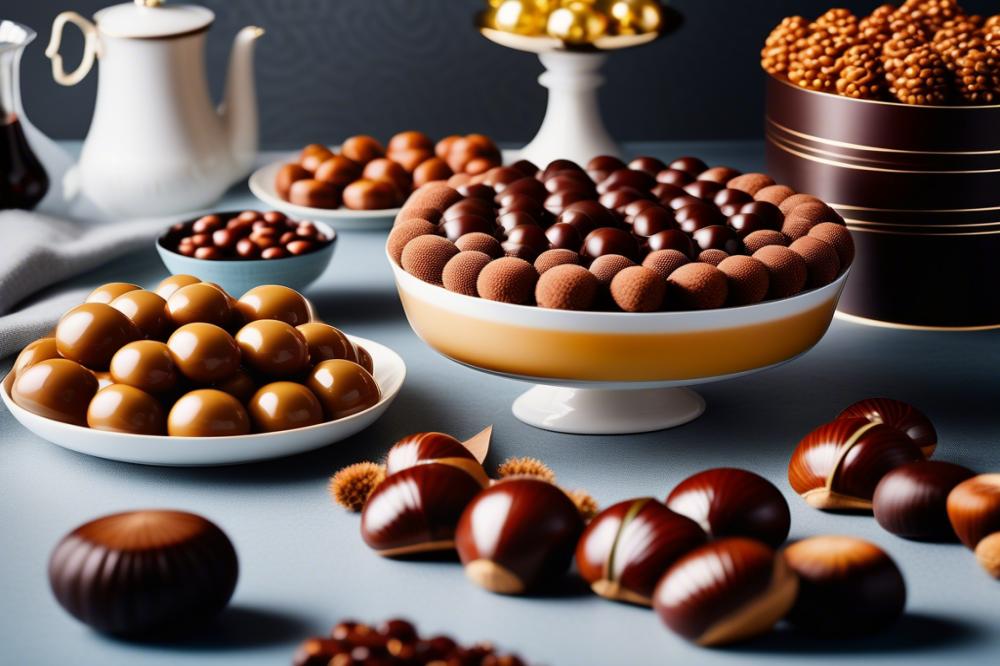
Italian confectionery offers a delightful experience that reflects the country’s rich cultural heritage. Various sweets, from mouth-watering cakes to delicate pastries, play an essential role in everyday life and festive occasions. Among these desserts, specific ingredients stand out for their unique flavors and versatility. One such ingredient is the chestnut, which has woven itself into the fabric of traditional desserts across Italy.
The importance of chestnuts in sweets is evident throughout the seasons. In autumn, harvest festivals highlight the excitement surrounding this ingredient. People eagerly seek out chestnut recipes that elevate simple treats into gourmet delights. Flavorful chestnut creams can be found in desserts, enticing diners with their smooth textures and sweet notes. Seasonal treats often feature this ingredient, reminding us of cozy gatherings and celebrations.
Marrons glacés represent a classic manifestation of the handcraft and artistry found in Italian confectionery. These candied chestnuts are often served as part of festive confections, showcasing the ability of Italian chefs to transform humble ingredients into extraordinary delights. Regional specialties also feature chestnuts in varying forms, with some areas embracing chestnut flour for baking. The diverse uses in sweets create a culinary tapestry that honors tradition while encouraging creativity in kitchens across the nation.
In summary, chestnuts hold a cherished place in the realm of traditional sweets. Their flavor and adaptability ensure they remain integral to the confectionery landscape. As this ingredient continues to inspire chefs and home bakers alike, the legacy of chestnuts in Italian confectionery will undoubtedly thrive.
The History of Chestnuts in Italian Cuisine
Chestnuts have a rich history in Italy. They have been a staple food for centuries. Ancient Romans and later communities relied on them during hard times. This reliance marked the nut as an important element in local diets. They provided vital sustenance, especially in mountainous regions.
Across various regions, traditional consumption varied. In Northern Italy, families often served roasted nuts during colder months. This practice was common at family gatherings and brought warmth. Meanwhile, in Southern Italy, locals used the nut in different forms, creating a variety of dishes. The cultivation of chestnuts spread, with many regions developing their own recipes. Rural communities embraced them as both food and an agricultural product.
As food traditions evolved, so did the use of chestnuts. Initially consumed as a primary sustenance item, they transitioned into delightful ingredients for desserts. Through time, people began crafting traditional desserts that highlighted their natural sweetness. Now, chestnut recipes play a prominent role in holiday celebrations. Seasonal treats might include rich chestnut creams or festive confections like marrons glacés. Each region boasts regional specialties that showcase variations in preparation.
In today’s culinary world, gourmet chestnuts have a beloved place. Chefs and home bakers alike create innovative dishes featuring the nut. Recipes vary widely, from simple cakes to elaborate pastries. Many Italian sweets are now defined by the use of chestnut flour, which adds a distinct flavor. The transformation of this once humble food into a luxurious dessert ingredient highlights its enduring appeal in Italian cuisine.
Chestnut Recipes in Italian Confectionery
Classic chestnut-based desserts
Traditional desserts made with chestnuts hold a special place in Italian culture. One popular dish is “castagnaccio,” a dense cake made with chestnut flour, olive oil, and rosemary. It is often enjoyed in the cooler months as a comforting treat. Another favorite is “necci,” which are thin pancakes filled with sweetened chestnut puree. These dishes reflect regional preferences and highlight the versatility of this ingredient.
Popular chestnut creams and purées
Chestnut creams also offer delicious options in Italian sweets. These smooth, sweet spreads are perfect for slathering on bread or using in desserts. “Crema di marroni” is a well-known example. It features a rich blend of pureed chestnuts and sugar, resulting in a flavor that’s both sweet and slightly earthy. Some people indulge in this creamy treat during festive celebrations, while others incorporate it into various recipes year-round.
Innovative modern takes on traditional recipes
Recent trends showcase innovative interpretations of classic recipes. Gourmet chefs now experiment with chestnuts, adding them to modern desserts such as panna cotta or combining them with Chocolate for an upscale treat. Seasonal treats that blend traditional methods with contemporary flavors are making their way into Italian pastry shops. The reinterpretation of chestnut ingredients reflects a desire to keep cultural dishes alive while also making them fresh and exciting.
Experimentation with textures and flavors can yield surprising results. Recipes might include candied marrons glacés paired with traditional pastries, introducing a delightful contrast. These daring combinations illustrate how chefs pay homage to their heritage while inviting new tastes. Italian confectionery continues to evolve while maintaining its deep roots in tradition.
Famous Italian Confectionery Featuring Chestnuts
Diving into Marrons Glacés
Marrons glacés are among the most celebrated Italian sweets. These candied chestnuts undergo a meticulous process. Cooked slowly in sugary syrup, they become sweet and glossy. Often, they are packaged beautifully, making them a perfect gift. In regions like Piedmont, this treat symbolizes luxury and tradition. People treasure them during special occasions. Their rich flavor offers a delightful contrast to the bitterness of coffee.
Seasonal Treats Made from Chestnuts
Autumn brings a variety of seasonal delights. During this time, towns celebrate with festivals that feature these traditional desserts. Street vendors sell roasted chestnuts, filling the air with a wonderful aroma. Local recipes often include chestnut flour to create frittelle, sweet fritters enjoyed by many. Panettone during the holidays may also include them. These seasonal treats reflect the warmth of Italian culture.
Gourmet Chestnuts and Their Artisanal Production
Artisans focus on gourmet chestnuts with great passion. In specific regions, farmers cultivate them using age-old methods. As a result, the quality stands out in the culinary world. Many use chestnut creams to enhance their desserts. Chefs realize that each batch provides unique flavors. These artisanal products reflect regional specialties and craftsmanship. Taste-testing reveals the depth of flavor from each region’s unique production methods. The dedication involved in making these confections deserves admiration and respect.
Regional Specialties and Variations
Exploring Traditional Desserts
In Italy, each region boasts its own traditional desserts featuring the beloved nut. Tuscan castagnaccio is a dense cake made primarily from chestnut flour. It often includes rosemary and olive oil, giving it a unique flavor profile. In contrast, the Ligurian region offers marrons glacés, which are candied chestnuts. These gourmet confections appear during special occasions and are prized for their sweetness and rich texture.
Chestnut Flour Usage Across Regions
Chestnut flour varies significantly from place to place. In Northern Italy, recipes often highlight this ingredient. Many people make polenta, a savory dish, using chestnut flour as a substitute. Southern regions might lean toward dessert-oriented recipes. Cakes and pastries made with the flour can be found at local bakeries. Each area seems to showcase a different aspect of this versatile ingredient.
Seasonal Celebrations and Local Festivities
During the autumn months, local celebrations spring up around chestnut confections. Festivals often attract tourists and locals alike. Some towns host competitions for the best sweet treats, drawing on traditional recipes passed down through generations. In the mountainous regions, chestnut festivals feature seasonal treats, showcasing their importance in local culture. These gatherings highlight how traditional desserts can bring communities together.
Chestnut Creams and Italian Sweets
Chestnut creams are another delightful offering found throughout Italy. In some areas, they are used as fillings for pastries or served alongside cakes. They bring rich flavors to desserts and create a creamy texture that’s hard to resist. Seasonal Italian sweets often include variations of these creams, delighting taste buds during holidays. Each bite tells a story of heritage and local pride.
Festive Confections and Seasonal Treats
Italian holidays light up with the presence of chestnuts. These nuts are deeply woven into the fabric of various festive traditions. During autumn and winter, they find their way into many culinary delights.
Role of Chestnuts During Italian Holidays
They symbolize warmth and comfort, making them a staple during celebrations. Often associated with the Feast of Santa Lucia, chestnuts are enjoyed roasted in the streets. Families gather to share these treats, creating a sense of togetherness. Their rich flavor enhances many holiday gatherings, warming hearts and homes alike.
Overview of Chestnut-Infused Festive Sweets
Chestnuts inspire a range of traditional desserts. For example, marrons glacés are truly a delicacy. These sumptuous, candied chestnuts are often given as gifts during the holidays. Many people also enjoy chestnut creams, which can be spread on toast or used as fillings in pastries. Recipes for sweets featuring chestnut flour enhance the autumn vibe with nutty flavors.
Celebration of Chestnuts in Winter and Autumn Treats
During the colder months, seasonal treats become a highlight. Sweetened chestnut purees often accompany roasted meats, adding a special touch to meals. Guests savor the comforting flavors that embody the essence of winter. Regional specialties emerge, showcasing how different areas of Italy celebrate this humble nut.
As the holiday season approaches, gourmet chestnuts take center stage. People indulge in various recipes, each offering a delightful experience. Desserts infused with these nuts bring joy to families and friends gathering around the table. Seasonal treats made with chestnuts remind everyone of the beauty of tradition in Italian sweets.
Wrapping It Up
This article has highlighted the important role of this nut in Italy’s confectionery traditions. It has been a vital ingredient in countless sweet creations, adding rich flavors and textures to various traditional desserts. Recipes featuring this nut are not only treasured family secrets but also celebrated culinary art forms, passed down through generations.
Exploring chestnut recipes can lead to delightful experiences in the kitchen. Many dishes await your discovery, whether it’s creamy purées, decadent pastries, or simple roasted varieties. Trying your hand at these recipes can bring you closer to the heart of Italian culture.
The cultural importance of this nut in Italian sweets cannot be overstated. It represents a connection to the land and its harvests, embodying a history that intertwines with local traditions. By indulging in these whimsical treats, you’re immersing yourself in a rich tapestry of flavors that reflect Italy’s diverse heritage. So, venture into the world of these delectable delights and enjoy the sweet journey ahead.

