
How Sicilian Cassata Became a Symbol of Chocolate-production”>Italian Confectionery
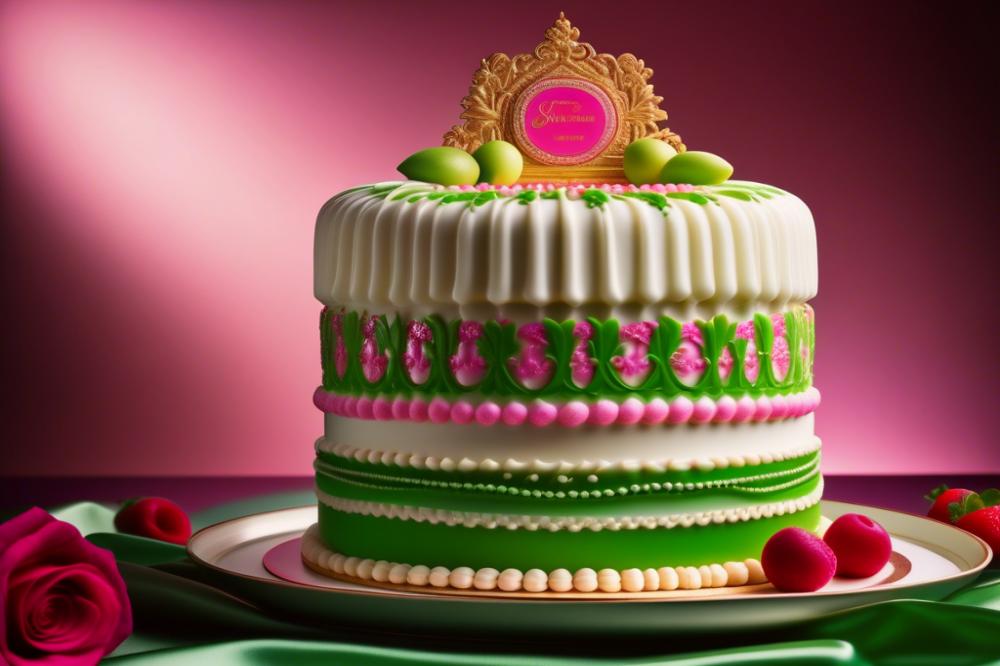
Sicilian Cassata stands out as a quintessential dessert, deeply rooted in the heart of Italy. This delightful treat originates from Sicily and has adorned festive occasions for centuries. Its beautiful layers and vibrant colors are not just eye-catching; they reflect the rich history of the region. Every slice of Cassata tells a story of tradition, culture, and the joy of celebration.
The cultural significance of Sicilian Cassata is immense. From weddings to religious festivals, this pastry is a highlight of many gatherings. In Sicily, the preparation of this dessert often signals a time of festivity and togetherness. Family recipes have been passed down through generations, each person adding their own twist yet maintaining the essence of the original.
Key ingredients play a vital role in defining this delicacy. Rich ricotta cheese serves as the creamy base, giving the cake its signature texture. Sweet marzipan coats the layers, adding a distinctive almond flavor. The inclusion of candied fruits introduces bursts of color and sweetness, contributing to the overall aesthetic. Traditional recipes require skill and patience, ensuring the final product is not only delicious but also a feast for the eyes.
Sicilian desserts like Cassata represent the best of Italy’s culinary heritage. They embody the spirit of celebration and the artistry of Chocolate-production”>Italian Confectionery. For anyone who enjoys desserts, experiencing Cassata is a must. It is more than just a treat; it is a piece of history, a symbol of Sicilian culture, and a testament to the legacy of Italian cooking.
The History of Sicilian Cassata
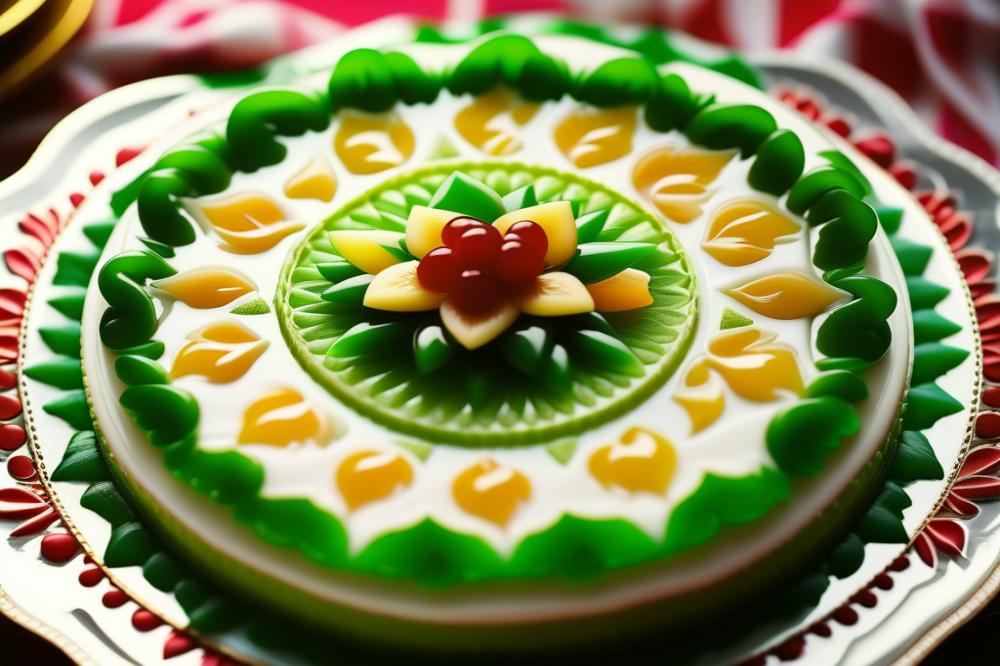
Sicilian Cassata has a rich history that intertwines with the diverse cultures that have influenced Sicily. Its origins can be traced back to the time of Arab rule on the island. The Arabs introduced sugarcane to Sicily, which transformed the local cuisine and paved the way for sweet dishes. This early influence laid the groundwork for what would become a beloved dessert.
During the Renaissance, the dessert underwent significant evolution. Many Italians, especially the wealthy, began to embrace extravagant flavors and vibrant colors in their culinary creations. Traditional recipes were refined, and ingredients became a mark of prestige. The use of ricotta, a fresh cheese native to Italy, became essential. This ingredient added creaminess and depth to the dessert.
Marzipan was another key addition to what we know today. This almond-based confectionery offered a pleasing texture and a touch of luxury. The combination of ricotta and marzipan set the stage for Sicilian Cassata’s unique flavor profile. Bright colors often came from natural sources, reflecting the island’s abundant fruits.
As time progressed, the dessert became a staple at festive occasions. It emerged not just as a treat, but as a symbol of cultural significance in Sicilian celebrations. Many families carried on traditional recipes passed down through generations. These recipes often varied slightly from one household to another, making each version special.
Today, Sicilian desserts are celebrated worldwide. They represent not only a taste of Italy but also a glimpse into the island’s history. Understanding this dessert’s journey gives insight into Sicily’s rich culinary heritage. The layers of flavors and textures tell the story of the people and cultures that shaped this sweet masterpiece.
Sicilian Desserts and Their Cultural Significance
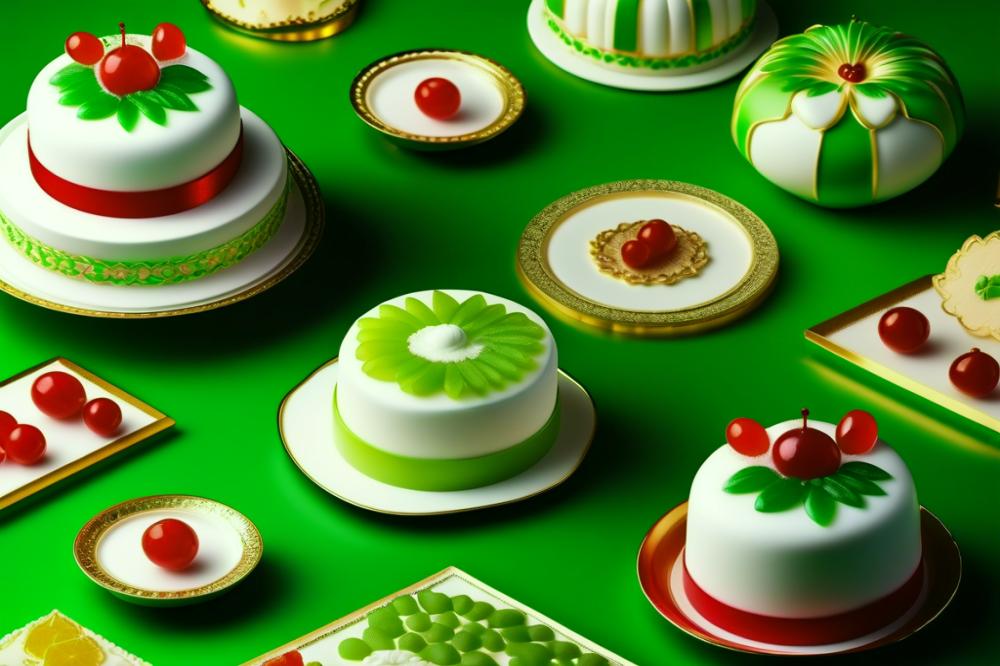
Sicily is home to a rich tapestry of desserts. Each sweet treat tells a story of its own. Many Sicilian desserts are influenced by the region’s history. The blend of cultures over centuries has shaped the culinary landscape. One cannot discuss these desserts without recognizing the role of ingredients like ricotta and marzipan. These staples feature prominently in many traditional recipes.
Cassata stands out among these sweets. It is a celebration of flavors and textures. The vibrant layers reflect Sicily’s colorful culture. Moreover, this dessert doesn’t just exist for everyday enjoyment. Its presence is a hallmark during festive occasions. Birthdays, weddings, and religious holidays often feature this sweet delicacy. Families gather to share it, enhancing the sense of community and joy.
Exploring the history of Sicilian desserts offers insight into their cultural significance. Each ingredient is symbolic of the rich agricultural landscape. The fertile soil produces fruits, nuts, and dairy essential for creating these delightful pastries. Sicilian cassata, like many desserts, is deeply rooted in local traditions. Bakers pass down their knowledge through generations, keeping these customs alive.
The process of making cassata involves care and creativity. Crafting and decorating the dessert showcases the skills of the baker. This artistry is often displayed during special celebrations. It is not merely about taste; presentation matters too. The colorful icing and intricate designs appeal to both the eyes and the palate. Such attention to detail deepens the emotional connection to this cherished dessert.
Diving into the world of Sicilian desserts reveals a vibrant culture. Each bite is a taste of history, echoing the island’s diverse heritage. People don’t just eat cassata; they share stories and memories over it. The dessert acts as a bridge across generations. In Italy, sweets like cassata play an essential role in bringing families and friends together during joyous moments.
Traditional Recipes and Techniques
In the heart of Sicily, traditional recipes bring the renowned dessert to life. This delicacy is best known for its rich flavors and vibrant colors. A classic cassata often begins with layers of sponge cake, known as pan di spagna. Soaking this cake in a sweet liqueur enhances its taste beautifully. After this, the layers are filled with a sweet and creamy mixture that predominantly features ricotta cheese.
Ricotta is critical for achieving the perfect texture. Its soft consistency allows for a delicate mouthfeel, making every bite a delight. Families across generations often prepare the ricotta by blending it with sugar, candied fruits, and perhaps a touch of vanilla. The result is a filling that is both rich and refreshing, balancing sweetness with a creamy smoothness. Marzipan plays an equally crucial role in defining the flavor profile. This almond-based paste encases the cake, giving it a sweet, nutty dimension that enhances the overall treat.
Preparation methods also showcase the cultural significance of this dessert. Making cassata is often a labor of love, involving skillful layering and decoration. The marzipan exterior is typically rolled out thin and intricately shaped. Bright colors come from natural food dyes or fruit extracts, imbuing the dessert with a festive look appropriate for celebrations.
Variations do exist across Sicily and even within different families. For example, some regions might add chocolate or pistachios for an extra burst of flavor. Others prefer omitting fruit altogether, focusing on the creaminess of the ricotta and the sweetness of the marzipan. Each family may have its own interpretation, making the cassata a wonderfully diverse treat within Sicilian desserts.
Often served during festive occasions, this dessert carries historical importance and showcases the culinary artistry of Italy. The tradition of creating cassata is as rich as its flavors, embodying emotions of joy and history. With every layer and ingredient, a story unfolds, reinforcing its status as a cherished symbol in Italian confectionery.
Sicilian Cassata and Its Place in Italian Confectionery Today
Today, the Sicilian Cassata holds a special status within the realm of Italian desserts. This beautifully crafted cake represents a rich blend of flavors and textures that resonate with people from various backgrounds. Made with layers of ricotta, candied fruit, and marzipan, it speaks to its historical roots and festive significance in Italy. Many see it as more than just a dessert; it embodies a piece of Italy’s culinary heritage.
In Italy, cassata is often enjoyed during special occasions, like weddings and holidays. Pastry shops proudly showcase this masterpiece, emphasizing its decorative elements and colorful presentation. People often choose this dessert to celebrate life’s important moments. This popularity reflects how deeply ingrained such Sicilian desserts are in national culture.
Internationally, the perception of cassata has evolved. As culinary awareness grows, more people are discovering the delightful characteristics of this Italian confectionery. Countries around the world embrace it, particularly in Italian restaurants and bakeries. Enthusiasts appreciate the unique flavor profile that comes from the mixture of sweet and nutty elements, complemented by the creamy ricotta.
Contemporary interpretations of the classic recipe are also emerging. Some pastry chefs experiment with flavors not traditionally associated with cassata, introducing unexpected tastes such as chocolate or citrus accents. These innovations keep the dessert fresh and accessible to a broader audience. Even so, traditional recipes remain cherished by many, showcasing the importance of maintaining a connection to history.
Representation in modern pastry shops highlights this balance between tradition and creativity. You can find cassata adorned with intricate designs and vibrant colors that appeal to the eye. Many bakers consider it essential to pay homage to the original recipe while adding their personal touch. Just as Sicilian Cassata has evolved, so too has its place in the larger narrative of Italian confectionery. It continues to delight both young and old, growing stronger as a symbol of indulgence and celebration.
Embracing the Legacy of a Timeless Dessert
Sicilian Cassata has traveled a long and colorful path to become a symbol of Italian confectionery. Its roots run deep in history, reflecting a blend of cultures and traditions. This dessert, originating from Sicily, carries the flavors of Arab, Norman, and Spanish influences. These diverse elements shape not only its taste but also its story.
Cultural significance plays a crucial role in the way cassata is perceived today. Throughout Italy, it appears during festivities and celebrations. Families gather to share this treat during weddings, holidays, and special occasions. Each vibrant layer tells a tale of togetherness and joy. The rich flavors and luxurious ingredients invite people to indulge, making it more than just a sweet.
The enduring appeal of cassata highlights its importance in Italian culinary traditions. Generations have passed down recipes, keeping the art of making this cake alive. From the marzipan decorations to the sweet ricotta filling, every bite offers a taste of history. This dessert represents the heart of Italian hospitality, welcoming all to enjoy its beauty.
Ultimately, the journey of Sicilian Cassata is one of resilience and celebration. It stands tall as a beloved treat, cherished by many. With every slice, it continues to bridge connections between the past and the present. This beloved confection has earned its place in the hearts of dessert lovers around the world.

