
Introduction
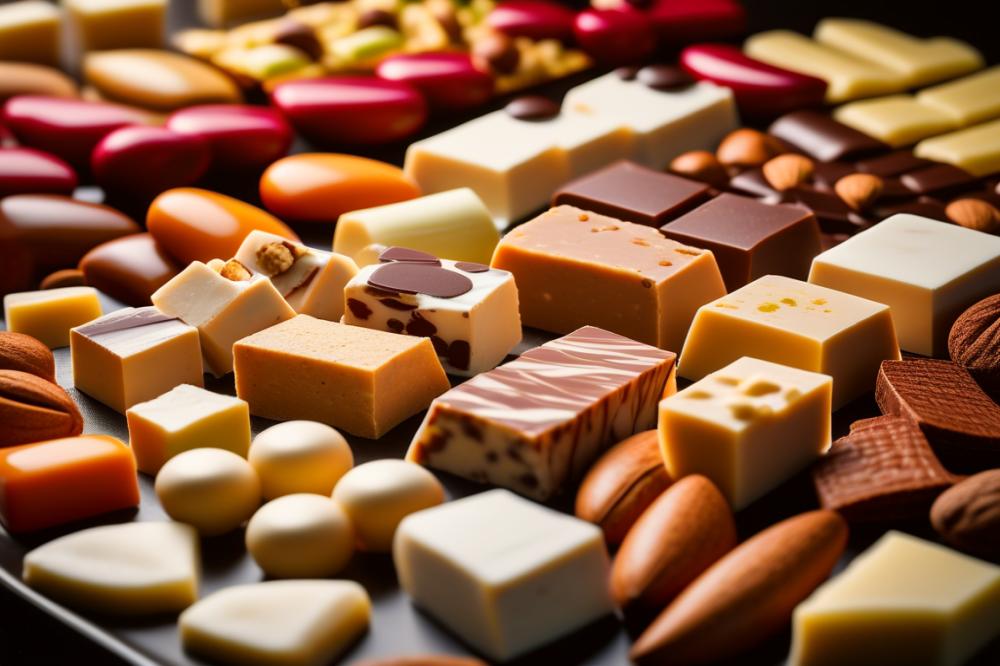
Italian Nougat, known as Chocolates”>Torrone, is a cherished part of Italy’s confectionery culture. This sweet treat has a rich History, captivating both locals and visitors alike. It goes beyond mere dessert; it reflects the culinary traditions of various regions throughout the country. Each area has developed its own recipes, providing a wealth of flavors and textures that showcase local ingredients.
At its core, Chocolates”>Torrone is often made with almonds and honey, two key components that give it a distinctive taste. Almonds are usually roasted, adding depth to the nougat’s texture while honey provides natural sweetness. In Italy, different towns feature their own versions. For example, in Sicily, the nougat might incorporate citrus, while in Lombardia, it could include more hazelnuts or various spices.
This diversity is what makes Italian Nougat so special. Each piece tells a story about where it comes from. It mirrors the landscape, the farming practices, and the cooking traditions of the people. As you explore the different nougat types, you’ll find not just a delight for the tastebuds but also a connection to the heart of Italy. The combination of local flavors and unique recipes makes each bite a small adventure through the regions of this beautiful country.
Origins of Italian Nougat
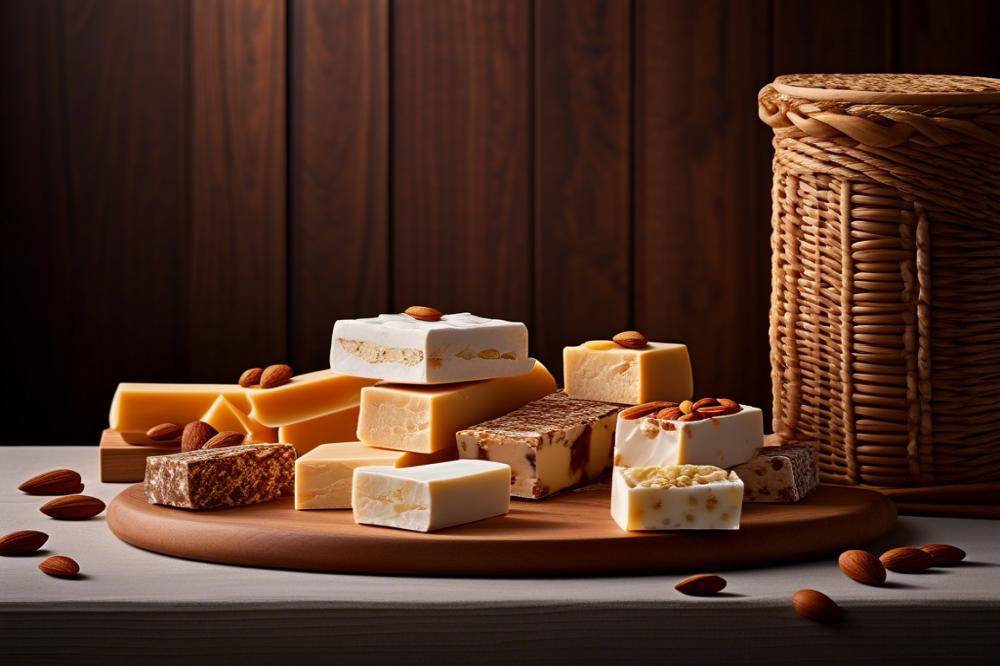
Italian nougat, known as torrone, has a rich History that dates back centuries. This beloved sweet has roots that stretch beyond Italy, influenced by various cultures. Almonds and honey play crucial roles in its composition. Initially, early recipes combined these two key ingredients, blending them with sugar and egg whites. This fusion set the stage for the evolution of nougat.
In ancient times, this treat was often prepared during festivals and special occasions. It was celebrated as a symbol of abundance and joy. Local flavors also influenced its creation. Different regions began to showcase their own twists, adding nuts, spices, or fruits to the mix. Over time, these variations contributed to a diverse range of nougat types.
Italian culinary traditions emphasize seasonal ingredients. This characteristic is reflected in how nougat recipes have been adapted. Each region developed its own specialties, showcasing local produce. For instance, the Sicilian version might highlight citrus flavors, while the northern regions focus on hazelnuts and richer textures.
Today, the art of making torrone is still cherished. Many artisans pride themselves on using traditional techniques. They blend the highest quality almonds with the finest honey. This commitment to craftsmanship helps preserve the cherished flavors of the past. In every bite, one can sense the history and culture of Italy.
Throughout the years, nougat has maintained its position as a popular sweet. It is often enjoyed during holidays and family gatherings. Explorations into new recipes continue, keeping the essence alive while inviting innovation. The balance between tradition and modernity ensures that nougat remains relevant in today’s culinary landscape.
Types of Italian Nougat

Torrone stands out as the most famous type of nougat in Italy. Originating from the region of Piemonte, this sweet treat has a rich history. Made primarily from almonds, honey, and egg whites, its texture can vary significantly. Some versions of Torrone are hard and crunchy, while others are quite soft and chewy.
Regional ingredients play a crucial role in defining different nougat types. In the southern regions, for instance, hazelnuts are often used instead of almonds. These local flavors add a distinctive touch, making each variety truly one-of-a-kind. Other areas might incorporate spices or dried fruits, enhancing both taste and texture.
The contrast between soft and hard nougat is fascinating. Soft nougat is smooth and pliable, making it easy to bite into. It often contains a higher ratio of syrup to nuts. This creates a delightfully sweet experience that melts in your mouth. Conversely, hard nougat requires a bit more effort to eat. Its dense structure comes from the perfect balance of ingredients, leading to a satisfying crunch with every bite.
Traditional recipes often call for roasting the nuts to deepen their flavor before they are mixed with the honey. Freshly harvested honey contributes to the overall sweetness, making it all the more irresistible. Across Italy, different culinary traditions highlight these preparations, resulting in a beautiful tapestry of sweets that reflects each region’s heritage.
Many people enjoy pairing nougat with coffee or dessert wines. This combination elevates the eating experience. Whether you prefer the chewy texture of soft nougat or the crisp bite of hard varieties, each piece tells a story. The skill of artisans, combined with local ingredients, creates something special that connects people to Italy’s diverse past.
Regional Variations of Italian Nougat
Italian nougat, known as torrone, has a rich history that varies across different parts of Italy. Various regions showcase their own culinary traditions, and these variations highlight how local flavors can change a sweet treat.
Campania
In Campania, nougat takes on a distinct character. Local recipes often incorporate hazelnuts alongside the traditional almonds. This nutty flavor pairs beautifully with honey, providing a softer texture that melts in your mouth. The artisans here craft torrone during festive seasons, using high-quality ingredients sourced from nearby markets. Unique flavor combinations can include citrus zest, infusing the sweetness with a refreshing touch.
Piedmont
Piedmont is renowned for its rich agricultural landscape, which greatly influences its nougat. The region focuses heavily on hazelnuts, particularly the Tonda Gentile variety, which is celebrated for its taste. Recipes here emphasize simple ingredients to enhance the nut’s flavor. Chocolate-covered nougat is also a popular choice, adding a decadent layer. Comparatively, Piedmontese torrone tends to have a firmer structure and richer taste, making it a favorite among connoisseurs.
Sicily
Sicily brings an explosion of flavors to the realm of nougat. The island is famous for its use of pistachios, dates, and local honey. In Sicilian recipes, you’ll often find a touch of citrus, either from oranges or lemons, which brightens the overall taste profile. Artisan techniques have been passed down through generations, ensuring authentic sweets that reflect local heritage. Moreover, the nougat here can be both chewy and crunchy, depending on the specific recipe used.
Each region tells a story through its nougat. The combination of histories, ingredients, and local flavors contributes to the diverse tapestry of this beloved Italian sweet. Exploring these variations reveals the complexity of culinary traditions across Italy. As you savor different types, you’ll appreciate not just the flavors but the culture behind them.
Key Ingredients in Italian Nougat
Almonds and honey play pivotal roles in the making of Torrone, a type of nougat that showcases Italy’s rich culinary traditions. Their quality significantly influences the overall flavor and texture. Fresh, crunchy almonds provide a satisfying bite, while the sweetness of honey adds depth to each piece.
Every region brings its own twist to these essential ingredients. For instance, in Sicily, almonds are often sun-dried, enhancing their rich taste. This method not only brings out their natural oils but also contributes to a chewier texture that many people adore. In contrast, northern regions may focus on using softer, blanched almonds, which result in a lighter experience.
Honey is equally important in creating the perfect Torrone. Different types of honey impart varied flavors, making each confection distinct. Some regions utilize wildflower honey, resulting in a floral note that can elevate the sweetness. Others may opt for chestnut or orange blossom honey, adding earthy or fruity undertones.
Quality matters immensely when sourcing these ingredients. Artisans take pride in selecting the best almonds and honey they can find. Many families have passed down their recipes, relying on local producers to supply fresh, high-quality components. This commitment to quality can distinctly set one version of nougat apart from another.
The texture of Italian nougat can shift depending on how these ingredients are combined. A balance between crunchiness and chewiness is essential. Well-roasted almonds combined with quality honey create a harmonious experience that entices the palate. Without this balance, a nougat may end up too sticky or dry, losing its charm.
Exploring various nougat types reveals even more about regional influences. Recipes from the Veneto region may include pistachios, while fragrant citrus peels are incorporated in southern variations. These adaptations reflect local flavors and ingredients available, creating diversity in this beloved sweet treat.
When considering the history of confectionery in Italy, one can see how Torrone development coincided with the Mediterranean’s agricultural bounty. The combination of almonds and honey remains timeless, symbolizing the rich heritage and tradition of Italian sweets. Each bite tells a story, connecting the past with the present.
Popular Recipes for Italian Nougat
Making nougat is a delightful blend of history and modern culinary creativity. Traditionally known as torrone, this sweet has been enjoyed in Italy for centuries. It’s made with simple ingredients, but many variations exist across different regions. Whether you prefer a classic recipe or something with a twist, there’s a nougat for everyone.
Classic Torrone Recipe
Start with basic ingredients: almonds, honey, and sugar. In a saucepan, heat 2 cups of honey over low heat. Stir in 1 cup of sugar until it dissolves. Meanwhile, toast 2 cups of almonds in a separate pan to bring out their nutty flavor. Once the honey syrup reaches 240°F, carefully fold in the toasted almonds. Pour the mixture onto a baking sheet lined with parchment paper. Allow it to cool completely before cutting into bite-sized pieces.
Chocolate and Citrus Nougat
For those wanting a modern twist, this recipe adds rich chocolate and zesty orange. Begin with the classic base: honey and sugar, following the same steps as before. After pouring in the nuts, mix in 1 cup of chopped dark chocolate and the zest of one orange. This combination gives an exciting flavor to a traditional favorite. Let it set, then cut and enjoy!
Nut-Free Nougat Alternative
Not everyone likes nuts, so let’s explore a nut-free option. Use puffed rice or toasted coconut in place of almonds. The method stays the same: mix your heated honey and sugar, but stir in the puffed rice instead of nuts. This creates a light, airy texture that’s surprisingly satisfying. Drizzle with chocolate for extra sweetness or add dried fruits for flavor.
Enhancing Flavors with Local Ingredients
Regional flavors can transform the familiar into something extraordinary. Incorporate local honey for a unique taste that reflects your area. Experiment with spices like cinnamon or nutmeg to add warmth to your nougat. Using dried fruit, like figs or apricots, can also enhance the sweetness. Each region of Italy boasts its culinary traditions, so exploring what’s available in your local market can lead to delicious innovations in your recipes.
Serving and Enjoying Nougat
Once you’ve crafted your nougat, presentation matters. Wrap pieces in beautiful paper or place them in a decorative box to give as gifts. Pairing nougat with coffee or dessert wines can elevate the tasting experience. Sharing this sweet treat with family or friends invites conversation and appreciation for its heritage. Making and enjoying nougat connects the past to the present through every delicious bite.
Culinary Traditions and Sweets in Italy
Italian cuisine is rich and diverse. Among its many treasures are a variety of sweets, each with a distinct story. Torrone, a type of nougat, stands out as a delicious treat that is enjoyed across the country. Many people associate this delightful sweet with festive occasions, but its roots run deep in Italy’s culinary traditions. Created from simple ingredients like almonds and honey, this classic dessert captures local flavors, making it a beloved choice during celebrations.
Many regions have their own recipes and variations of nougat. Some recipes are stickier or chewier, depending on the ingredients used. For example, in Piemonte, nougat often features hazelnuts instead of almonds. Local flavors influence how each version tastes, showcasing the area’s agricultural products. This adaptability shows how Italian nougat fits into the broader spectrum of sweets in Italy.
Festive moments often bring families together, and sharing sweets like torrone is tradition. At Christmas and during weddings, long tables are filled with various desserts. Nougat serves not only as a dessert but also as a symbol of abundance and joy. Offering it to guests highlights the importance of hospitality in Italian culture.
Cooks carefully craft unique recipes to match regional tastes, and many families pass down these traditions. In many households, making nougat is an annual project that involves the whole family. This process reflects the communal spirit of Italian gastronomy. Such activities strengthen bonds, making sweet memories that last a lifetime.
Each piece of nougat represents more than just a treat; it carries history and love. Italians cherish these connections to the past, reflecting on fond memories associated with remarkable flavors. Thus, nougat stands firm as a vital component of Italy’s culinary heritage and the sweet landscape that unites the nation.
Embracing the Heritage of Italian Nougat
The rich history of nougat in Italy reflects a tapestry of flavors, cultures, and traditions. Each region contributes its own twist, making every bite an adventure. From the almond-studded varieties of Sicily to the honey-sweetened creations found in Piedmont, there is something to delight everyone. This confection transcends simple ingredients; it represents the heart and soul of Italian celebrations and daily life.
Traditionally, torrone has been a staple during festive occasions, symbolizing joy and unity. Families gather to share stories and laughter, and nougat often takes center stage at these gatherings. Its significance within Italian culture cannot be overstated. Sharing a piece of this delightful treat creates connections and sparks memories that last a lifetime.
Exploring the different varieties of nougat is not just about tasting. It’s a journey into Italy’s diverse culinary landscape. Each region boasts its own methods and recipes, highlighting local nuts, fruits, and sweetness. This variety demonstrates the creativity and craftsmanship passed down through generations. Admiring the unique characteristics of these regional delights helps us appreciate the artistry involved in making nougat.
Sit back and enjoy the bliss of sampling these treats from different areas. Taste the lemon-infused versions from Calabria or the rich chocolate nougat from Tuscany. Each piece tells a story, offering a glimpse into the culture and heritage of its origin. So, don’t hesitate. Indulge in the rich flavors and textures of these confections, and allow them to transport you to the vibrant landscapes of Italy.

