
Introduction
Italian Chestnut Flour is a remarkable ingredient that has gained popularity in recent years. It holds a significant place in Italian cuisine, where it’s cherished for its versatility and nutritional benefits. This alternative flour offers a gluten-free option that caters to those seeking healthier choices. With its nutty flavor and unique texture, it has become a favorite among bakers and home cooks alike.
The history of chestnut cultivation in Italy is rich and vibrant. For centuries, chestnut trees have flourished in the Italian landscape, particularly in regions like Tuscany and Piedmont. These trees were once considered “the tree of life” because they provided sustenance during difficult times. Historical records show that chestnuts were a staple food, especially in rural communities. As a result, chestnuts have become intertwined with Italian culture and tradition.
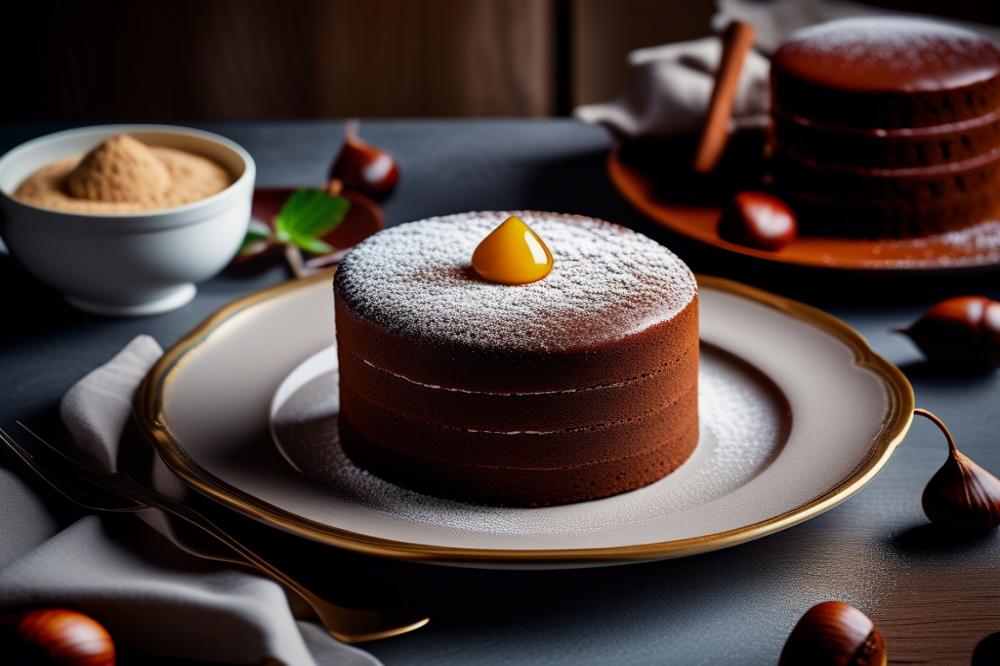
Recently, the world of sweet treats has experienced a delightful transformation. Chefs and home bakers are finding innovative ways to incorporate chestnut flour into Traditional Desserts. This alternative flour is giving classic recipes a new life. From rustic desserts to seasonalChocolates”> baking, Italian Chestnut Flour is reimagining our old favorites. People are discovering that it can enhance the flavor and texture of cakes, cookies, and more. By using this hearty ingredient, culinary artists can create healthy desserts that please the palate without sacrificing nutrition.
The Rise of Italian Chestnut Flour
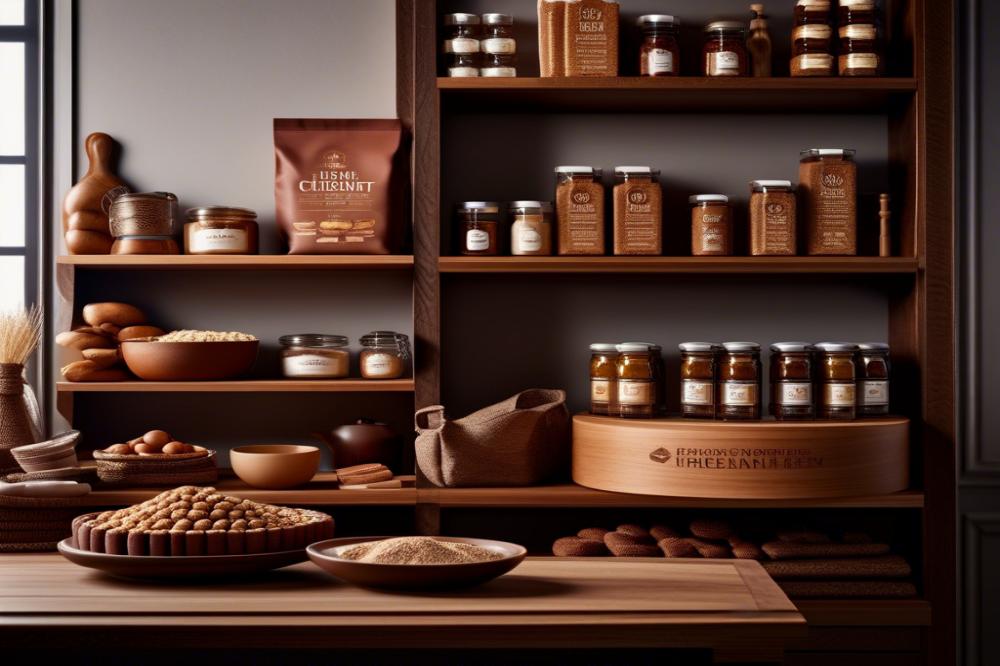
Italian chestnut flour is made from roasted chestnuts, which are ground into a fine powder. This unique ingredient offers a different flavor profile compared to traditional wheat flour. The production process involves drying the chestnuts, roasting them for added depth, and finally milling them into flour. Each step highlights the care that goes into creating this delicious alternative.
Nutritionally, chestnut flour stands out as a healthier choice. It packs more fiber and fewer calories than wheat flour. With its lower gluten content, it also appeals to those with dietary restrictions. This makes it a favorite for gluten-freeChocolates”> baking. Many people searching for healthier desserts are discovering how well it works in recipes. Nutty flavors enhance cakes, cookies, and breads, making them delightful sweet treats.
Recent trends show a rise in demand for gluten-free products and healthier dietary choices. More people are turning to alternative flours for both health reasons and new taste experiences. In the world of Italian cuisine, chestnut flour plays a vital role. Traditional recipes are now more versatile, accommodating those who seek rustic desserts without sacrificing flavor. When you incorporate this flour into seasonal baking, the results can be both innovative and comforting.
Chestnut recipes are becoming popular among those who love experimenting in their kitchens. Many bakers find joy in creating healthy desserts that tantalize the taste buds. This flour allows for creativity while staying mindful of health. As culinary techniques evolve, so does the use of chestnut flour in modern kitchens.
Italian Chestnut Flour in Traditional Baking
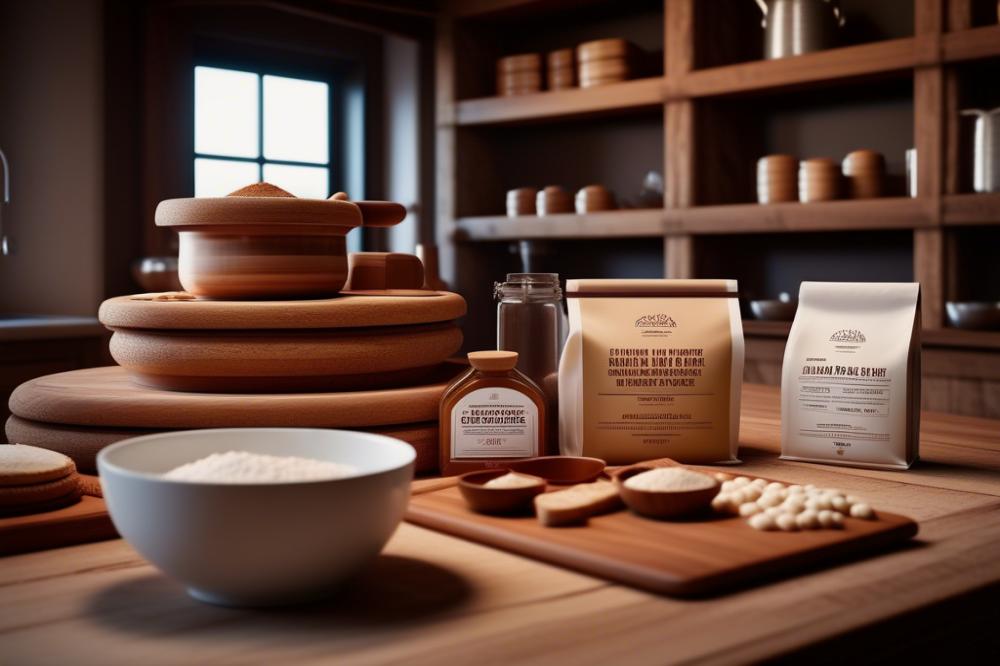
Renowned for its rich history, Italian chestnut flour has become a wonderful addition to traditional baking. Many classic desserts have found new life through this alternative flour. As health-conscious consumers seek gluten-free options, chestnut flour offers a delightful solution for those avoiding wheat. Bakers are now exploring ways to incorporate this nutty flavor into favorite recipes, transforming beloved sweets into healthier versions.
One notable example is Castagnaccio, a rustic cake that showcases the flour’s natural sweetness. Traditionally made with chestnuts, this dessert is simple yet satisfying. When prepared with chestnut flour, it maintains that earthy essence while enhancing the meal’s texture. The cake’s dense, fudgy quality becomes a focal point, inviting dessert lovers to indulge in something both delicious and nourishing.
Another appealing choice is the Chestnut Cake, which has paved the way for seasonal baking. Unique flavors blend together seamlessly, creating a treat that speaks to all the senses. This dessert, often spiced with cinnamon or enriched with chocolate, brings warmth to chilly days. The nutty flavor stands out, making each bite an experience worth savoring.
Italian cuisine thrives on simple yet hearty ingredients, and chestnut recipes exemplify this ethos. From comforting cakes to delightful cookies, the addition of chestnut flour keeps these sweet treats rustic and authentic. Using this flour can elevate standard baking into something extraordinary. It invites bakers to experiment and innovate, creating memorable desserts that resonate with tradition while appealing to modern tastes.
The use of chestnut flour allows for healthier desserts that don’t compromise on flavor. Its unique properties can transform everyday treats, making them more wholesome. Each dish tells a story of sustainability and simplicity, reflecting the beauty of Italian culture. Imagine serving up a slice of cake that is both indulgent and nourishing, a true testament to the versatility of this flour.
Ultimately, incorporating Italian chestnut flour into Traditional Desserts not only honors the past but also embraces the future of baking. This exciting ingredient encourages creativity and invites bakers to explore endless possibilities. So why not revamp your dessert repertoire? Dive into the world of chestnut flour and discover the joy it brings to your kitchen.
Creative Chestnut Flour Recipes
Popular Chestnut Recipes for Seasonal Baking
Baking with chestnut flour opens up a new world of flavor. It adds a nutty flavor, making it an excellent choice for fall recipes. Think about preparing a warm chestnut focaccia. This rustic dessert pairs well with cheeses and makes an inviting dish for gatherings. Another idea includes chestnut flour cookies, perfect for a cozy afternoon treat. These cookies provide a delightful twist on the traditional ones. Flavors of honey and cinnamon can enhance the overall experience.
Suggestions for Healthy Desserts and Sweet Treats
Healthy alternatives can also shine in desserts made with this alternative flour. A chestnut flour cake serves as a great option for those seeking a gluten-free treat. Using banana or applesauce keeps the cake moist without relying on excessive sugar. Brownies made with chestnut flour can be a guilt-free indulgence. The addition of dark chocolate elevates the flavor while leaving a rich texture. For something extra special, a chestnut flour panna cotta topped with berries offers a light yet satisfying experience.
Inspiration for Modern Twists on Classic Italian Desserts
Many traditional Italian desserts can receive a modern makeover. Consider transforming tiramisu by using chestnut flour in the ladyfingers. This brings a distinct nutty dimension to a beloved favorite. Ricciarelli, classic almond cookies, can be updated using chestnut flour to create a softer texture. The result is a new take on a familiar dish, appealing to both old fans and newcomers.
Shifts in preparation also lead to creativity. Imagine a chestnut flour tart covered with seasonal fruits. This dessert balances the sweetness of fruits with the earthy tones of the flour. Utilizing ingredients like maple syrup can turn simple recipes into extraordinary delights.
With such a range of possibilities, chestnut flour redefines the landscape of baking. These recipes encourage exploration and creativity in the kitchen. Each dish promises a unique experience to share with family and friends.
The Future of Italian Confectionery
The impact of Italian chestnut flour on contemporary baking is undeniable. Chefs and home bakers alike have begun to embrace its earthy, nutty flavor. This shift in ingredient choice sets the stage for new trends in making healthy desserts. Many are excited about incorporating this alternative flour into their chestnut recipes.
More people are looking for gluten-free options. The growing awareness of dietary needs makes alternative flours appealing. In places like Italy, chefs are blending tradition with innovation. Rustic desserts made from chestnut flour offer a fresh take on classic recipes.
Seasonal baking can benefit from this flour as chefs experiment with flavors. The unique texture adds depth to sweet treats that ring true to Italian cuisine. Bakers appreciate its ability to create delicious pastries without the heaviness of typical wheat flour.
As interest grows, so will the variety of dishes. Imagine a warm chestnut cake served in a trendy café. That tantalizing nutty flavor could redefine what desserts taste like. Home cooks are discovering that even simple recipes can become extraordinary when using this flour.
The future of Italian confectionery looks bright. Bakers across the globe are likely to adopt these innovative techniques. Eschewing traditional baking methods opens doors for exciting creations. More than just a trend, this shift signals an evolution in culinary practices.
Transforming Tradition: A Delicious Journey Awaits
Italian chestnut flour has had a remarkable impact on traditional desserts. It brings a different flavor and texture to recipes that have stood the test of time. This unique ingredient has not only enriched classic dishes but has also inspired innovative creations. Bakers now have the chance to reimagine beloved treats in exciting ways.
Readers should feel inspired to experiment with this versatile flour. Whether you’re creating a comforting cake or a sweet pastry, using chestnut flour can lead to delightful surprises. It’s also a fantastic option for those seeking gluten-free alternatives without sacrificing taste. The flavor profile enhances various ingredients, making every bite memorable.
Lastly, this ingredient is a beautiful reminder of Italy’s rich culinary heritage. It connects the past with the present, showing how tradition can inspire new ideas in the kitchen. Innovative baking does not mean abandoning authenticity. Instead, it invites a chance to honor old recipes while exploring fresh possibilities.
So, roll up your sleeves and dive into the world of chestnut flour. Your next baking adventure awaits, filled with flavor and creativity. Each homemade dessert can become a testament to both tradition and innovation for you and your family. Happy baking!

