
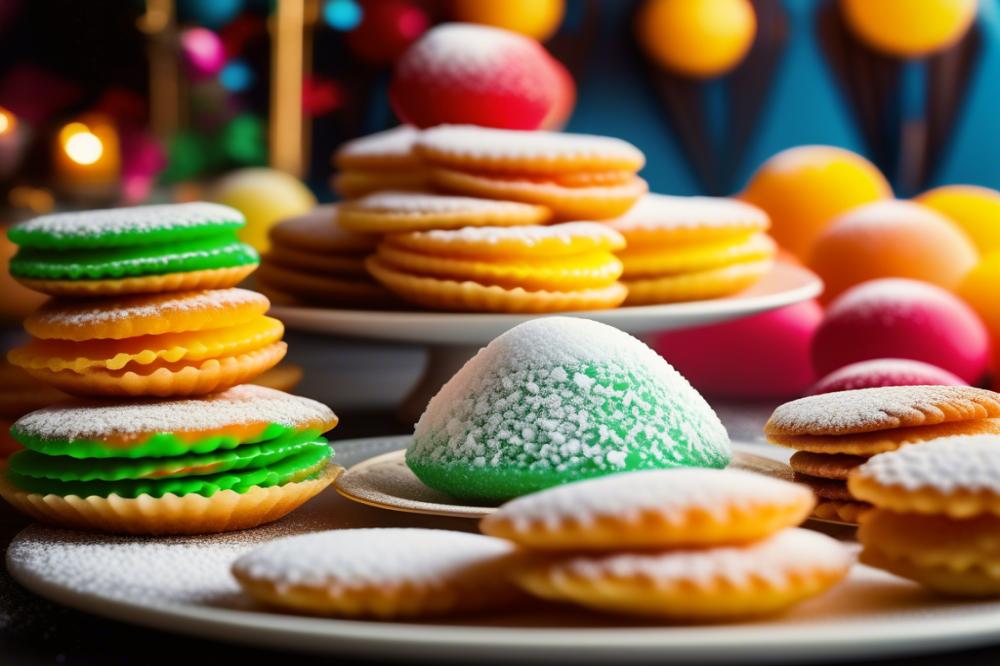
The Cultural Significance of Italian Carnival sweets
Italian Carnival is a vibrant and colorful celebration that marks the days leading up to Lent. Each year, towns and cities across Italy come alive with parades, costumes, and joyful gatherings. This festive period is essential to many communities, as it allows people to express themselves through music, dance, and food. Among these festivities, a special focus is placed on sweets that are deeply intertwined with the traditions of this season.
During Carnival celebrations, the presence of sweets is significant. These delicacies, often handmade, carry a rich history that reflects regional customs and flavors. Typical treats such as Chocolate-production”>chiacchiere, frittelle, zeppole, and frappe are not merely desserts; they are part of the cultural heritage passed down through generations. Families gather to prepare these traditional delights, using historical recipes that give each region its unique flair.
Italian Carnival sweets serve as more than just a treat. They symbolize the joy of the occasion and the coming together of communities. Each bite of these dolci encapsulates the spirit of togetherness and celebration. Festivals thrive on these delicious offerings, as they complement the festive atmosphere and delight both locals and visitors alike. The variety of regional desserts showcases the rich cultural mosaic of Italy, making the Carnival period vibrant and diverse.
As we explore the significance of these sweets further, it is important to appreciate how they enhance carnival traditions. This connection to culture makes Italian Carnival sweets remarkable and essential to the overall experience of this lively season.
Cultural Heritage of Italian Carnival Sweets
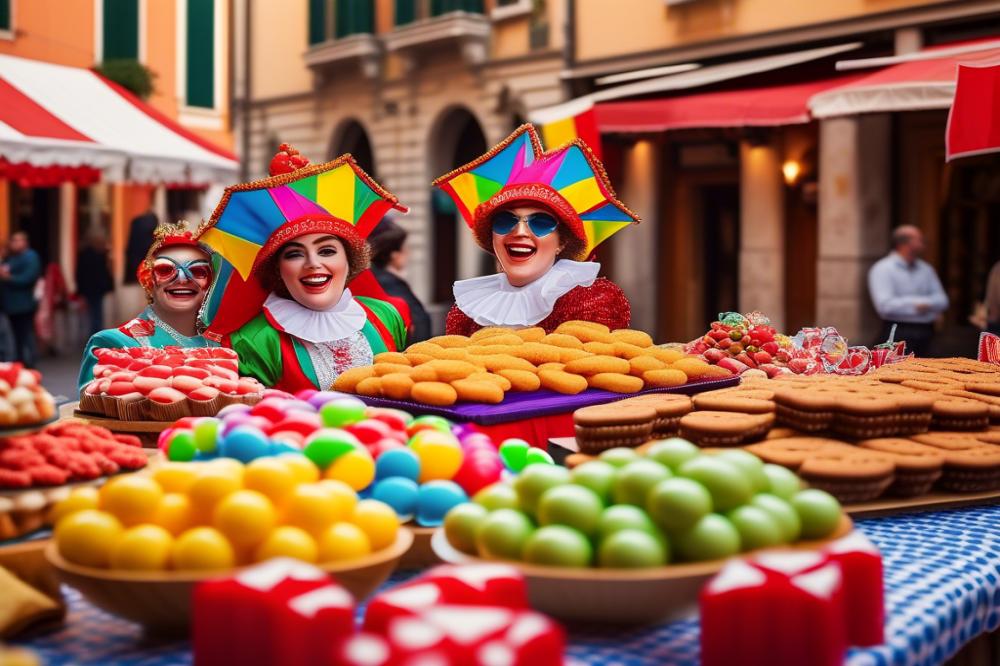
The Carnival season in Italy boasts a rich history that stretches back centuries. Traditionally, this period marked the end of winter. People celebrated with lively parades and masquerade balls, embracing joy before the solemn season of Lent. Over time, these festivities evolved. They transformed into a time for communities to come together and showcase their creativity and heritage.
Sweets play a vital role in these celebrations. Local traditions heavily influence the types of desserts made during Carnival. For instance, Chocolate-production”>chiacchiere, light and crispy pastries dusted with powdered sugar, are a staple in many regions. frittelle, which are sweet fried dough balls often filled with cream or fruit, reflect the flavors of local produce and recipes passed down through generations. Zeppole, another beloved treat, highlight the artistry of pastry chefs. Each region has its unique offerings that tell stories of the area’s culture and history.
Communal celebrations thrive on the sharing of these delicious dolci. During Carnival festivities, families often gather to prepare these sweets together, reinforcing bonds and creating lasting memories. It is common to see streets filled with the aromas of frying and baking, drawing neighbors and visitors alike. Families also enjoy these treats during gatherings, creating a sense of unity and joy.
The recipes that have been handed down showcase culinary skills and local ingredients. People take pride in these historical recipes, which vary from one town to another. This diversity enriches the entire Carnival experience, highlighting the cultural heritage of each area. Every bite tells a story, connecting generations through flavors that invoke nostalgia and pride.
During Carnival, these desserts symbolize more than just food. They represent the spirit of celebration, community, and identity. The enjoyment of zeppole, chiacchiere, and frappe reflects shared joy and cultural pride. Attending Carnival isn’t just about the parades. It is also about appreciating the culinary artistry that brings people closer during this special time.
Popular Italian Carnival Sweets
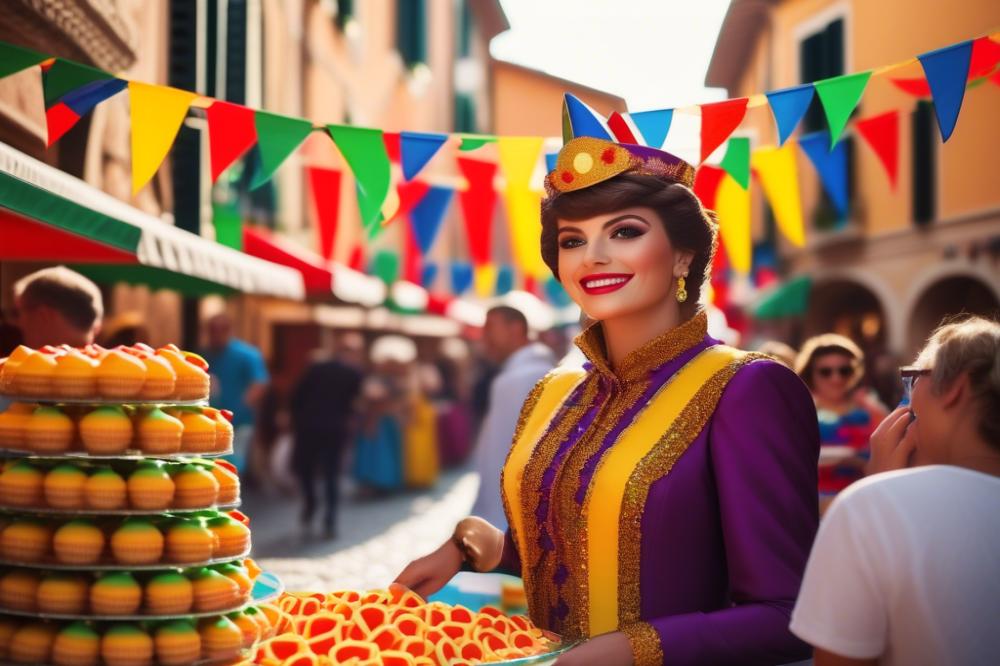
Chiacchiere
Chiacchiere, also known as “angel wings,” are delicate pastries. Made from a simple dough, they are rolled thin and cut into various shapes. Once fried, they turn crispy and are dusted with powdered sugar. Different regions have their own twists. In some areas, people add lemon zest for a refreshing flavor, while others might incorporate a hint of white wine into the dough. This sweet is often associated with Carnival celebrations, enjoyed by families and friends alike.
Frittelle
Another favorite is frittelle, which are doughnuts traditionally filled with sweet custard or cream. Preparing this scrumptious treat involves mixing flour, eggs, sugar, and yeast. Some recipes include raisins or flavored with orange or lemon zest. This dessert symbolizes the joy of festivities. Many Italian families have their own cherished methods of making frittelle, passed down through generations. Sharing these treats is an expression of community and culture during Carnival.
Zeppole
Zeppole are deeply rooted in Italian tradition, especially in the southern regions. They consist of light pastry puffs filled with custard or topped with fruit. Variations abound across Italy. In Naples, you might find them stacked high with cream, while in other regions, they are simply dusted with sugar. These treats often carry historical significance, associated with various celebrations throughout the year. The presence of zeppole on the Carnival table symbolizes abundance and joy.
Frappe
Frappe bring a light crunch to the Carnival sweet table. These thin, crispy pastries are shaped into ribbons and fried until golden. Afterward, they are generously sprinkled with sugar. Families often come together to prepare these treats, sharing laughter and stories. Their unique features lie in the variety of shapes and sizes possible. Each family might have its own recipe, adding to their cultural heritage. As the festivities unfold, frappe become a beloved part of the seasonal celebrations.
Regional Desserts and Their Unique Celebrations
Italian carnival traditions feature a wide array of regional desserts that showcase local flavors and cultural heritage. Each area of Italy brings its own distinct twist to the sweet dishes served during these festivities. Celebrations are not only a time for fun but also an opportunity to savor historical recipes that have been passed down through generations.
In the northern regions, for instance, frittelle take center stage. These delicious rice fritters may be filled with cream or served plain, showcasing the use of fresh ingredients like rice and local fruits. They reflect a blend of culinary creativity shaped by the cold climate. Meanwhile, places like Venice celebrate with chiacchiere, light and crispy ribbons of dough dusted with powdered sugar. This sweet treat is often enjoyed during lively parades, adding to the festive spirit.
Traveling southward, zeppole reign supreme in Naples. These cream-filled pastries have a rich history, connecting to local culinary customs. Made with the utmost care, zeppole are often flavored with lemon or vanilla, adding depth to their sweetness. This adaptability highlights how local ingredients enhance flavors, giving each region its own special signature.
Moreover, frappe are particularly popular in the Lazio region. Known for their airy crunch, these delicate sweets are made with simple dough, yet they embody the heart of Carnival celebrations. The straightforward preparation process emphasizes the importance of quality over complexity. Each bite takes you back to the roots of Italy’s festive atmosphere.
Different festivals across the country bring forth diverse dolci that symbolize local pride. While every bite tells a story, the use of local ingredients shapes these regional desserts into something special. Celebrations are not just about the food but also about community bonding over shared traditions. As families gather to create these treats, they preserve their cultural landscape and showcase their regional flavors.
The Role of Italian Carnival Sweets in Festivities
Sweets play a vital role in Carnival celebrations in Italy. They symbolize joy and abundance. Each bite of a chiacchiere, frittelle, or zeppole brings a sense of happiness. These traditional dolci are much more than mere treats; they are a reflection of cultural heritage. During festive times, they promote a spirit of unity.
Sharing sweets is essential to the carnival experience. Friends and families gather to enjoy these delightful creations together. This communal act strengthens bonds among community members. Children excitedly wait for their turn to taste frittelle, while adults reminisce about memories linked to these flavors. It creates a warmth that transcends generations.
The influence of these sweets is profound. They brighten up public celebrations and elevate the festive atmosphere. Regional desserts like frappe, with their light and crispy texture, become focal points at gatherings. Historical recipes are passed down, allowing participants to experience a taste of the past. Each morsel tells a story tied to Italian culture and traditions.
Carnival festivities invite everyone to indulge in these iconic delicacies. The presence of these sweets turns ordinary moments into extraordinary memories. Often, colorful displays of confections decorate tables, adding visual splendor. It’s a feast for the senses that embodies the essence of celebration.
Revival of Historical Recipes and Modern Trends
Today, many chefs and home bakers are bringing back traditional recipes. They realize how important these dishes are to celebrate our heritage. Chiacchiere and frittelle are among the favorites being made once again. These sweets evoke memories of childhood and festive times with family. People take pride in learning how to prepare these regional desserts, feeling a deep connection to their roots.
Modern culinary artists are not just looking to the past. They are also experimenting with fusion desserts that blend flavors from various cultures. For example, combining zeppole with chocolate or adding fruit to frappe can create exciting new flavors. Innovation in these treats adds a fresh twist to age-old favorites. This approach keeps the spirit of the celebrations alive while appealing to a younger audience.
Preserving culinary traditions holds great importance for future generations. Without efforts to continue making these dishes, we risk losing a piece of our cultural heritage. Teaching children how to create these dolci helps them understand their background. It can connect them with their ancestors and the joyous festivities they once enjoyed. The revival of these historical recipes serves more than just the palate; it nurtures the soul.
Wrapping Up the Sweet Journey
Cultural traditions often provide a glimpse into a society’s values and history. Italian Carnival sweets are not just desserts; they are a part of Italy’s rich heritage. These delightful treats evoke strong memories and joy during festive celebrations. They serve as symbols of togetherness, creativity, and indulgence, reminding us of the importance of community during the Carnival season.
Modern Italy continues to embrace these sweets with enthusiasm. From bustling cities to quiet villages, people prepare and share these confections, keeping the spirit of Carnival alive. Adding to the charm, every region boasts its own unique twist on traditional recipes, showcasing the diverse culinary landscape of the country.
Visitors and locals alike are encouraged to explore the variety of Carnival delights. Chiacchiere and frittelle await those curious enough to try them. These treats are more than just food; they offer an experience filled with flavors and stories. As the Carnival season approaches, taste plays an essential role in connecting with Italian culture. Enjoying these sweets is an invitation to join the celebration, making memories that will last a lifetime.

