
How Italian bakeries Keep Ancient Sweet Traditions Alive
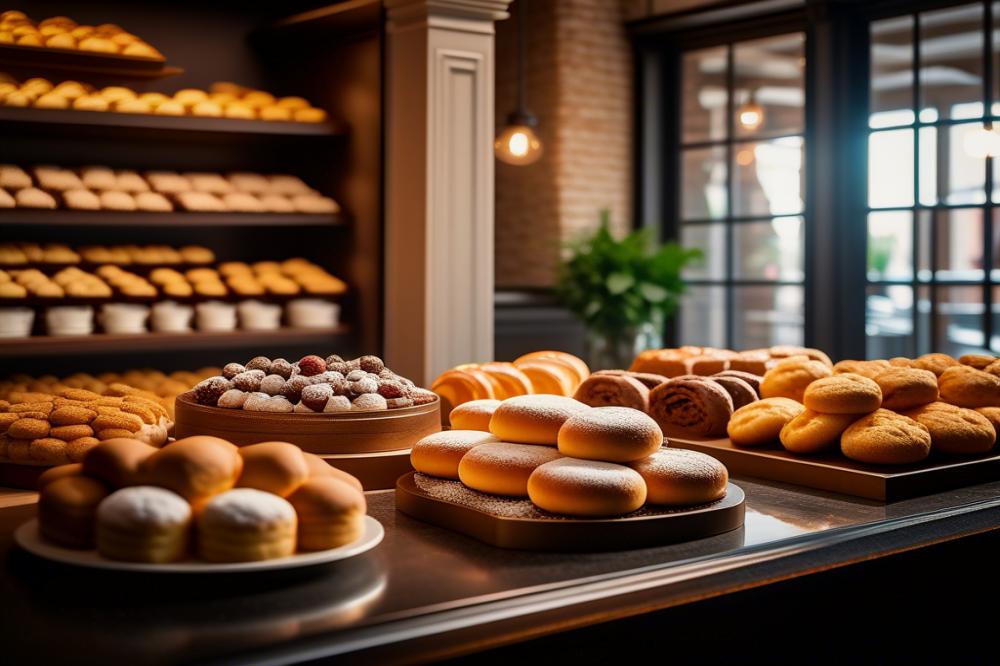
Italian bakeries play a crucial role in maintaining the rich tapestry of sweet traditions that have shaped Italian culture over centuries. Each pastry tells a story, preserving history through delightful confections. As families gather around tables filled with handmade treats, they celebrate their cultural heritage. Items like cannoli, biscotti, and panettone are more than just desserts; they symbolize family and togetherness.
Confectionery products hold a special place in Italian culture. Customs often revolve around these festive sweets during holidays and gatherings. Every region boasts its own unique desserts, showcasing local flavors and recipes that vary from one area to another. This diversity enriches the culinary landscape and keeps ancient traditions alive.
Artisanal baking is at the heart of this effort. Bakers dedicate countless hours to perfecting traditional recipes handed down through generations. Each batch of biscuits or pastries reflects the skills and passion of those who create them. By using high-quality ingredients and time-honored techniques, the essence of traditional sweets is preserved. Whether it’s the crunch of a perfectly baked biscotti or the creamy filling of a fresh cannoli, these handmade delights enchant everyone who tastes them.
The Art of Italian Bakeries
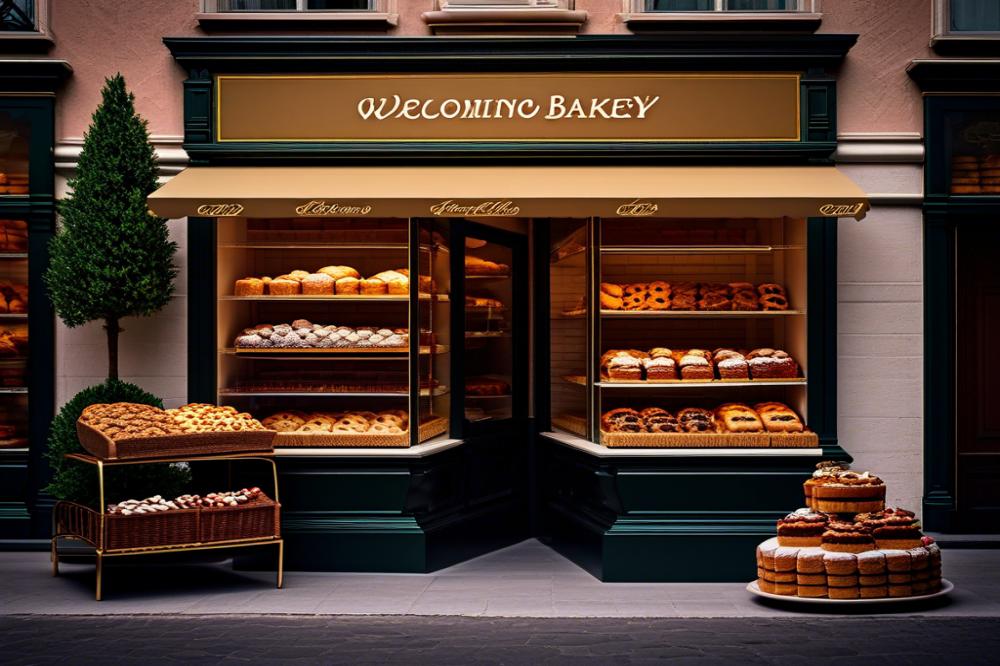
When people think of Italian bakeries, a rich tapestry of flavors and traditions come to mind. These charming establishments have characteristics that set them apart from others. Bright displays of pastries invite you in, each item telling a story of skill and history.
Handmade treats are the heart and soul of these shops. Bakers skillfully craft items like cannoli and biscotti, pouring their passion into every bite. You won’t find mass-produced confections here. Instead, the emphasis lies in artisanal baking, where every pastry reflects the baker’s dedication and care.
Regional desserts play a significant role in this culinary art form. Every part of Italy boasts its unique specialties. For instance, panettone delights many during festive seasons, while other regions have their own beloved sweets. Traditional recipes are passed down through generations, ensuring that the essence of each dish remains intact.
Local ingredients are a cornerstone in crafting these divine pastries. Fresh eggs, rich butter, and high-quality flour come together to create flavors that are unmatched. Seasonal fruits often find their way into desserts as well, adding freshness and richness. Such choices keep the traditions alive while also promoting the importance of community.
Each baked good is a tribute to Italy’s cultural heritage. The artistry of these bakers showcases stories of families and history. Delicious treats evoke memories of gatherings and celebrations. Whether it’s a simple biscotti served with coffee or an elaborate cake for a wedding, each morsel carries the weight of tradition.
Ultimately, these bakeries are not just places to buy sweets; they’re keeping ancient traditions alive, one pastry at a time. The dedication to handmade crafts and local flavor ensures each experience is a delightful journey into Italy’s rich past.
Iconic Italian Confectionery
Cannoli: Origins, Varieties, and Significance in Festivities
Cannoli are perhaps the most famous Italian pastries. Their roots trace back to Sicily, where they started as a treat for special occasions. The traditional shells are crispy and fill with sweet ricotta cheese. Bakers often add ingredients like Chocolate chips or candied fruit to the filling. Variations appear across Italy, but Sicilian cannoli remain the gold standard. During celebrations, these handmade treats are commonly used to honor holidays. They represent more than just dessert—a symbol of community and family gatherings.
Biscotti: Types, Regional Variations, and Their Popularity
Biscotti are another classic Italian confectionery. These crunchy cookies, perfect for dipping in coffee or dessert wine, come in many flavors. Some include almonds, while others may feature dried fruits. Each region has its own take on this popular snack. For instance, Tuscan biscotti often contain anise, whereas those from Lombardy may introduce Chocolate. These regional desserts are not just meant to satisfy cravings; they tell stories of local traditions. They also highlight the art of artisanal baking that Italian culture cherishes.
Panettone: History, Festive Importance, and Preparation Methods
Panettone is a beloved sweet bread that marks the holiday season. Its origins date back to Milan, where it evolved into a staple during Christmas. The bread is known for its rich flavor and airy texture, often packed with candied citrus peel and raisins. Many families follow traditional Italian recipes for making panettone, signaling the start of festivities. Preparation can be a labor of love, often taking days to create the perfect loaf. Enjoyed during celebrations, this centerpiece represents cultural heritage, bringing people together around the table.
Regional Desserts and Cultural Heritage
Italy is a land filled with diverse regions, each offering a rich tapestry of traditions and flavors. In every corner of the country, you can find unique sweets that have a story to tell. These desserts reflect not only local ingredients but also the cultural heritage of their area. Exploring these treats allows us to appreciate the deep roots of Italian recipes.
Case Studies of Regional Desserts
Cannoli are perhaps one of the most famous Italian pastries. Originating in Sicily, they feature a crisp shell filled with sweet ricotta cream. This classic dessert showcases the art of artisanal baking. Sicilians celebrate it at festive occasions, highlighting its significance in their social gatherings.
Another beloved dessert is panettone, a tall, dome-shaped sweet bread from Milan. Made with candied fruits and raisins, it has become a staple during Christmas. Families often share this treat, symbolizing togetherness and warmth during the holidays.
Biscotti, crunchy cookies from Tuscany, are perfect for dipping in coffee or dessert wine. These handmade treats often contain almonds or hazelnuts, showcasing local nuts that thrive in the region. The sturdy character of biscotti reflects the robust nature of Tuscan life.
How Regional Specialties Reflect Cultural Heritage
Regional desserts are much more than just food; they are a reflection of cultural heritage. Ingredients utilized often tell the story of the land. For instance, in the northern parts of Italy, you may find sweets made with rich creams and seasonal fruits. In contrast, southern regions lean towards citrus and nuts that flourish in the warmer climate.
Traditions play a vital role as well. Families pass down recipes through generations, preserving the history and techniques of baking. This practice keeps the legacy of these sweets alive, allowing new generations to connect with their roots. When you enjoy a slice of panettone or a bite of cannoli, you are not merely tasting a dessert. You are taking part in a long-standing tradition that binds families and communities together.
In essence, regional desserts bring together flavors, cultures, and history. Italian bakeries play a crucial role in this vibrant culinary scene. They continue to produce these delectable pastries, keeping the spirit of the past alive while inviting everyone to partake in something truly special.
Preserving Tradition Through Italian Recipes
Authentic recipes hold a special place in Italian bakeries. They carry stories from the past, revealing a deep connection to cultural heritage. Each pastry tells a tale of generations who crafted them with care. Cannoli, for instance, are not just desserts; they symbolize family celebrations and special occasions.
Family traditions play a vital role in keeping these recipes alive. Many bakers learned their craft from parents or grandparents. This transfer of knowledge preserves techniques that are often lost in modern times. The precise process of making biscotti or the perfect rise of panettone often comes from hands that have practiced for decades. These handmade treats are rare gems of craftsmanship.
At times, modern trends influence the art of baking. Some bakeries experiment by introducing new flavors while maintaining the essence of traditional sweets. However, the foundation of Italian recipes remains strong. Popular regional desserts often feature local ingredients, connecting communities through taste.
Festive sweets come alive during holidays, bringing joy and nostalgia. While innovation is welcomed, the core of these traditional recipes is never compromised. Artisanal baking thrives on the balance between honoring the past and embracing the present. Ultimately, the deep-rooted respect for these recipes ensures they continue to be celebrated for years to come.
Preserving Sweet Heritage
Italian bakeries play a crucial role in keeping ancient sweet traditions alive. Deep-rooted recipes passed down through generations are not just about food; they reflect a rich cultural history. Each pastry crafted in these bakeries tells a story, connecting the past with the present. Many of these confections, like the beloved cannoli, carry flavors that evoke nostalgia and memories tied to family gatherings and celebrations.
Cultural identity is often defined by food. The act of enjoying a pastry can transport someone back to their childhood. It can bring families together, bridging differences and creating shared experiences. When savoring traditional sweets, individuals partake in a celebration of their heritage—one that can strengthen community ties.
Appreciating the craftsmanship of Italian pastries goes beyond mere taste. It is about valuing the art and time that bakers dedicate to their craft. Support local bakeries in your area. Discover the traditions they uphold and the stories embedded in their creations. By doing so, you not only enjoy delicious treats but also contribute to preserving a vital aspect of cultural identity. Take a moment to cherish the flavors of the past while indulging in the products of today.

