
Introduction
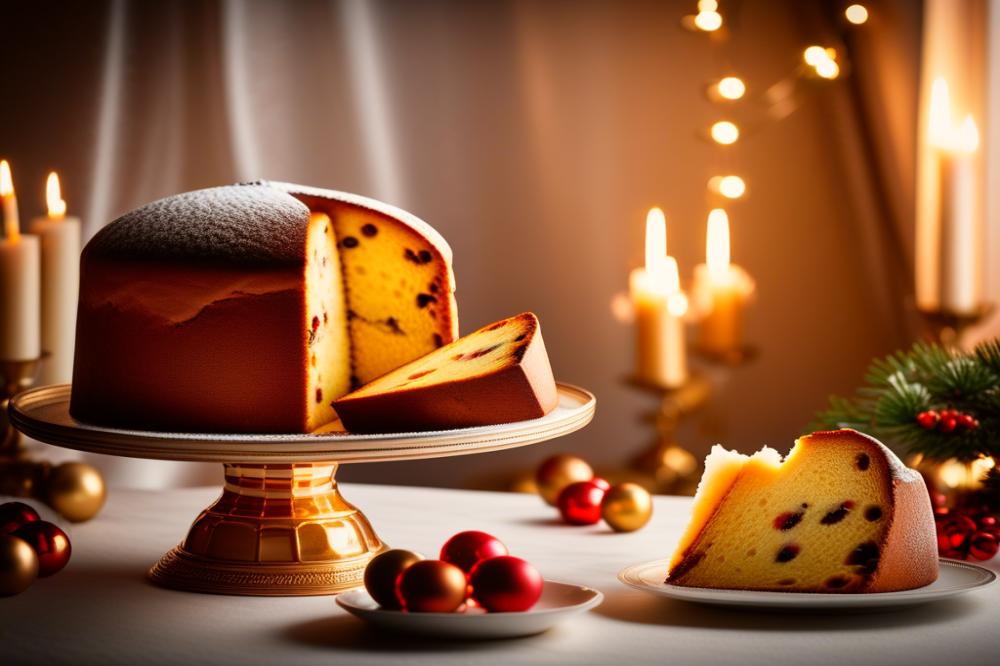
During the Christmas season, Italian families prepare a variety of holiday desserts, two of the most popular being the Panettone and Pandoro. Both cakes hold a cherished place in Italian Christmas traditions, symbolizing joy and togetherness. While they may seem similar at first glance, each offers a distinct experience and flavor that reflects regional culinary practices.
Italian Christmas cake traditions go back generations. Families pass down traditional recipes that capture the essence of the holiday spirit. In many homes, festive baking becomes a shared activity, filling the air with warmth and sweetness. The sight of these desserts on the table signifies more than just a treat; it represents culture and togetherness.
This article aims to provide a dessert comparison between these two iconic Italian pastries. How do they stack up against each other in taste, texture, and history? By exploring the origins and characteristics of Panettone and Pandoro, readers can find insight into what makes each of them special. Thus, we embark on this culinary journey, delving into the flavors and stories behind these beloved holiday cakes.
Panettone: The Traditional Italian Christmas cake
History of Panettone
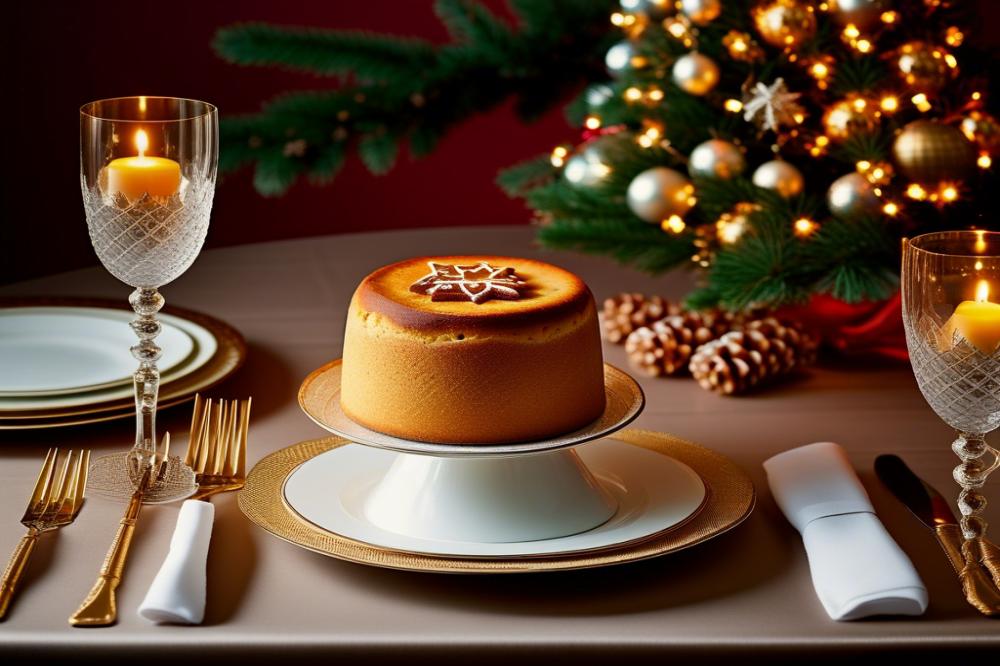
Panettone has roots that trace back to the city of Milan in the 15th century. Legends tell of a nobleman who fell in love with a baker’s daughter. He asked the baker to create a special dessert for Christmas. This eventually led to the creation of this beloved Italian Christmas cake. Today, it remains a symbol of Italian festive baking, enjoyed during holiday season gatherings.
Ingredients and Traditional Recipes
This cake features a rich blend of ingredients. Flour, sugar, eggs, and butter create a fluffy base. Dried fruits, like raisins and candied orange peel, add a burst of flavor. Bakers often use a specific panettone recipe that includes a sourdough starter. This technique gives the cake its distinct rise and texture. Many families also guard their own versions of the recipe, passed down through generations.
The Unique Flavors and Textures of Panettone
Flavors are a big part of its charm. The light, airy texture contrasts beautifully with the sweet, chewy fruits. When baked properly, slices pull apart easily, inviting you to enjoy each bite. The aroma of citrus and vanilla wafts through the air when it emerges from the oven. A traditional Italian pastry like this one captivates the senses.
Cultural Significance and Its Place in Christmas Traditions
Culturally, panettone holds a special spot in Christmas traditions across Italy. Families often gather to share this dessert after their holiday meal. It serves not just as food, but as a centerpiece during festive celebrations. Enjoying a slice alongside a glass of sparkling wine is common practice. Its presence on the table signifies togetherness and joy during the season.
Popular Variations of Panettone
Many bakers experiment with flavors and fillings. Chocolate and pistachio versions have gained popularity in recent years. Some even try savory twists, blending herbs and cheese for a unique take. Each variation allows for creativity while still honoring the cake’s traditional roots. These new interpretations showcase the versatility of this cherished dish within Italian cuisine.
Pandoro: The Soft and Sweet Alternative
History of Pandoro
Pandoro has its roots in Verona, Italy. This delightful cake dates back to the 18th century. Originally, it was known as “Nadalin,” a dessert served during Christmas. Over time, the name changed, and its popularity soared. Pandoro became a staple of Italian holiday desserts. Today, it stands proudly among the most cherished festive baking traditions.
Ingredients and Traditional Recipes
The basic pandoro recipe is simple yet delightful. Key ingredients include flour, butter, sugar, eggs, and yeast. Often, vanilla or citrus zest is added for flavor. Unlike many other Italian pastries, it does not contain candied fruits or nuts. This focus on a few quality ingredients leads to its rich and tender texture. Families often have their own traditional recipes, passed down through generations.
Differences in Texture and Flavor Compared to Panettone
Texture plays a significant role in the appeal of pandoro. It is soft and fluffy, almost like a cloud. In contrast, panettone has a denser consistency due to the added fruits and nuts. When tasting pandoro, one experiences a sweet, buttery flavor that lingers pleasantly. This stands in stark contrast to the fruity and complex notes found in its counterpart. Many find pandoro to be a gentler and less overwhelming option.
Cultural Significance and Its Role in Holiday Celebrations
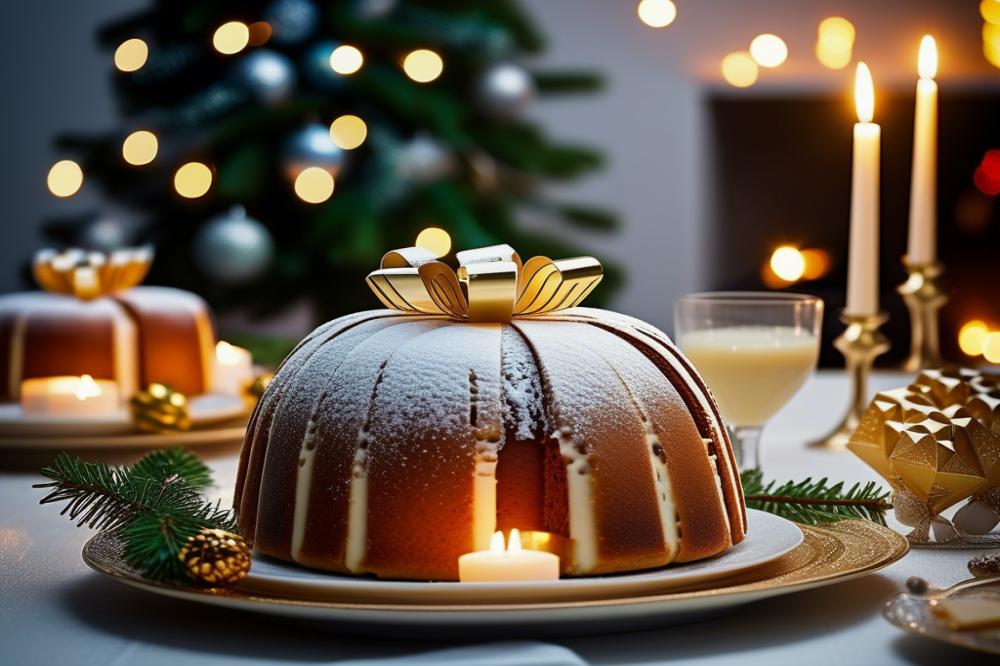
Pandoro holds a special place in Italian Christmas traditions. Each December, families gather around tables adorned with holiday desserts. Serving this cake has become a cherished ritual. Often, it dusted with powdered sugar to resemble a snowy mountain. This imagery captures the spirit of the season. Beyond just a dessert, pandoro represents warmth, family, and togetherness.
Notable Variations of Pandoro
Though the original recipe remains popular, several variations exist. Some bakers add Chocolate or ricotta to create new flavors. Others might infuse the cake with liqueurs for an adult twist. There are also mini versions, perfect for smaller gatherings. These adaptations keep the spirit alive while adding a modern flair to the classic. Each variation contributes to the ever-evolving landscape of Italian cuisine.
A Dessert Comparison: Panettone vs. Pandoro
Texture and Flavor Analysis
Within the realm of Italian Christmas cakes, texture and flavor play crucial roles. Panettone features a soft, airy crumb dotted with candied fruits and raisins. This cake has a sweet, fruity flavor that many enjoy during the holiday season. On the other hand, pandoro has a more straightforward taste due to its lighter, buttery nature. Its flavor is subtly sweet and focuses on rich vanilla. The absence of fruits gives it a smoother and less complex taste.
Popularity and Regional Preferences in Italy
In Italy, both desserts have their fans, yet regional preferences often dictate loyalty. Panettone is revered in the North, particularly in Milan. This city proudly showcases its traditional recipes, making it a staple of their Christmas celebrations. Conversely, pandoro shines in the Veneto region. Its origins can be traced back to Verona, where locals revere it as a holiday classic. Each region’s attachment to their preferred cake reflects broader cultural traditions.
How Each Cake is Enjoyed: Serving Styles and Accompaniments
Serving styles for these Italian pastries differ significantly. Many opt to slice a panettone into wedges, pairing it with sweet wine or coffee. This approach enhances its festive charm. Meanwhile, pandoro is often dusted with powdered sugar or served with warm chocolate sauce. Some people even enjoy it with a dollop of whipped cream on top. These accompaniments highlight the unique qualities of each dessert.
Consumer Opinions and Trends in Festive Baking
Consumer preferences vary when it comes to holiday desserts. Recent trends show a growing interest in traditional recipes that honor classic methods of preparation. Many households have begun to experiment with homemade treats by trying a panettone recipe or a pandoro recipe. Social media also influences current trends, as bakers share their creations. This exchange fosters a sense of community and excitement around festive baking during the holidays.
Nutritional Comparison
When evaluating the nutritional aspects, both cakes differ in calorie content and ingredients. Panettone tends to be richer due to its inclusion of butter and sugar, contributing to a higher calorie count. In contrast, pandoro, while still indulgent, has fewer ingredients and a lighter profile. Those counting calories may lean towards pandoro, as it’s often perceived as a lighter option. However, both desserts should be enjoyed in moderation as part of Christmas traditions.
Holiday Desserts and Italian Pastries: Beyond Panettone and Pandoro
Christmas in Italy is marked by a variety of beloved holiday desserts. In addition to the well-known Italian Christmas cake, there are many other treats that fill tables during the festive season. For instance, struffoli are small, honey-drenched dough balls that bring sweetness to gatherings. Ricciarelli, almond cookies from Siena, also add a delightful crunch. These dishes highlight Italy’s rich tradition of festive baking.
Both holiday cakes have a special place in a wider context of Italian pastries. Their flavors and textures contrast sharply with other desserts. While Panettone has a fluffy, airy texture filled with dried fruits, Pandoro presents a more buttery, soft crumb. This diversity makes every dessert experience unique. Families often select their favorites, creating personalized traditions as they enjoy these delicious options together.
The relationship of these cakes to dessert comparison reveals much about Italy’s culinary history. Each region has its own specialties and storytelling through food. Traditional recipes have remained largely unchanged, yet they evolve with modern baking techniques and local ingredients. Chefs today reimagine classic flavors, leading to exciting new variations. A recent trend includes experimenting with flavored fillings and glazes, surprising enthusiasts of both cakes.
Throughout the years, festive baking in Italy has adapted. Recipes once passed down through generations now see fresh interpretations. The classic panettone recipe might find itself inspired by exotic fruits or spices, infusing new life into an old favorite. Meanwhile, the pandoro recipe has also seen creative twists, such as chocolate or coffee-infused options. Christmas traditions vary, yet the love for these cakes persists. Despite changes, the comforting traits that define Italian pastries remain constant.
In exploring the world of holiday desserts, one can appreciate how Panettone and Pandoro fit into a larger cultural tapestry. Each cake represents not just flavors but memories and moments shared with loved ones. The delight of discovering these treats goes beyond mere taste, weaving together stories of family and festivity. With every bite, a piece of Italian culture lives on, transcending generations.
Final Thoughts on Italian Christmas Cakes
In summary, both cakes bring their own charm to holiday gatherings. The fruity and rich flavors of the sweet bread delight many, while the soft and simple structure of the golden treat appeals to others. Fans of each cake can passionately defend their favorite, showcasing the diversity of Italian Christmas cake traditions.
Determining which option is superior may ultimately depend on personal preference. One cake might be a staple for some families, creating cherished memories from childhood. The other could hold its own special place in different homes, celebrated for its simplicity and taste. Both desserts offer something special, and enjoying them together could be the best approach.
This festive season, consider sharing both holiday desserts with friends and family. Each bite can spark conversation and joy. Trying each cake encourages appreciation for cultural traditions and fosters connections among loved ones.
Christmas traditions, such as sharing these delightful sweet breads, help build a sense of community. They allow people to gather, laugh, and celebrate. In a world that can sometimes feel disconnected, the simple act of enjoying these treats can be a beautiful reminder of togetherness.

