
Introduction
Italian jewelry craftsmanship holds a prestigious position within the broader realm of Italian fashion and design. Renowned for its exquisite artistry, Italy has long been a beacon of luxury goods that captivate the senses. Celebrated designers and skilled artisans alike emerge from this vibrant culture, infusing their work with a rich legacy of tradition and innovation. Jewelry from Italy is not merely a product; it represents centuries of history and a commitment to beauty and quality.
The significance of Italy can be seen in its role as a center for artistic production. Cities like Florence, Venice, and Milan serve as hubs where creativity flourishes. Each locale boasts a distinct style that reflects its heritage. Goldsmiths have thrived here for generations, perfecting their craft through careful techniques passed down through families. The charm of Italian jewelry often lies in its meticulous details and imaginative designs.
Beyond aesthetics, these creations tell a story. They connect wearers to a rich cultural legacy. Consumers recognize that when they adorn themselves with Italian jewelry, they embrace not just an accessory, but a slice of history. This connection to heritage enriches the appeal, making every piece truly valuable.
Exploring the artistry of Italian jewelry reveals a commitment to excellence rarely found elsewhere. Influences from ancient Rome and the Renaissance permeate many designs. Additionally, contemporary Italian craftsmanship blends modern elements with traditional techniques. This fusion offers shoppers an array of choices, ensuring there is something for everyone interested in luxurious adornments.
Italy remains a significant player in the global jewelry market. It attracts designers, retailers, and collectors looking for the finest quality. As consumers venture into this world, they discover an unparalleled selection that epitomizes craftsmanship and elegance. Understanding #anchor_text_1# provides insight into the depth and breadth of Italy’s influence on jewelry design.
Exploring this majestic industry is essential for anyone passionate about fashion. The journey through Italy’s rich jewelry history unveils the remarkable skills and traditions that underlie every creation. Sourcing materials from around the world, artisans strive to create pieces that resonate with beauty and artistry. To learn more about this captivating world, enriching yourself with #anchor_text_2# is highly recommended.
The Origins of Italian Jewelry Craftsmanship
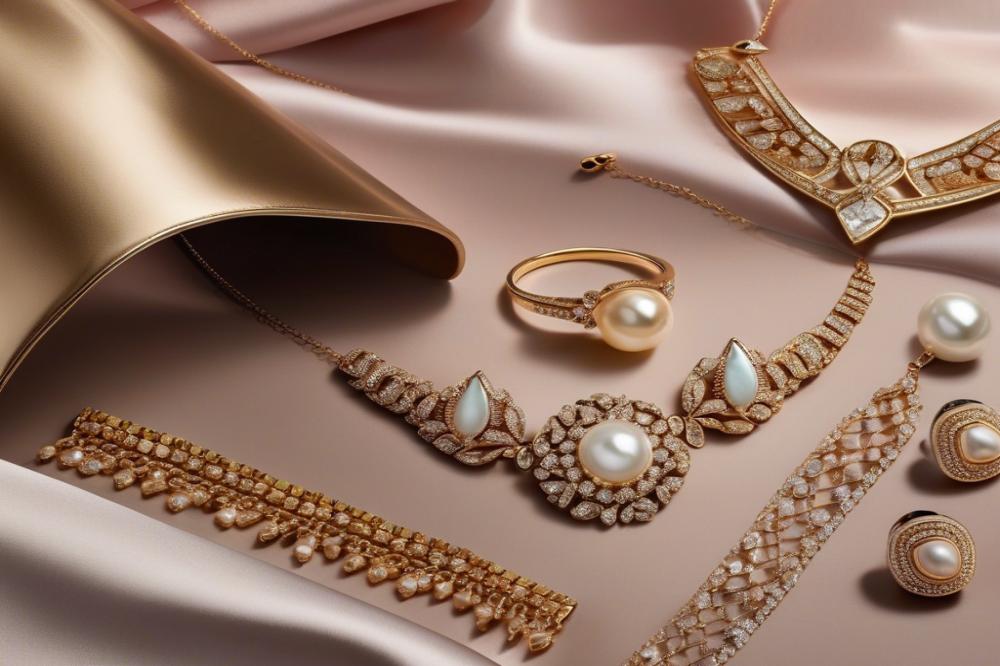
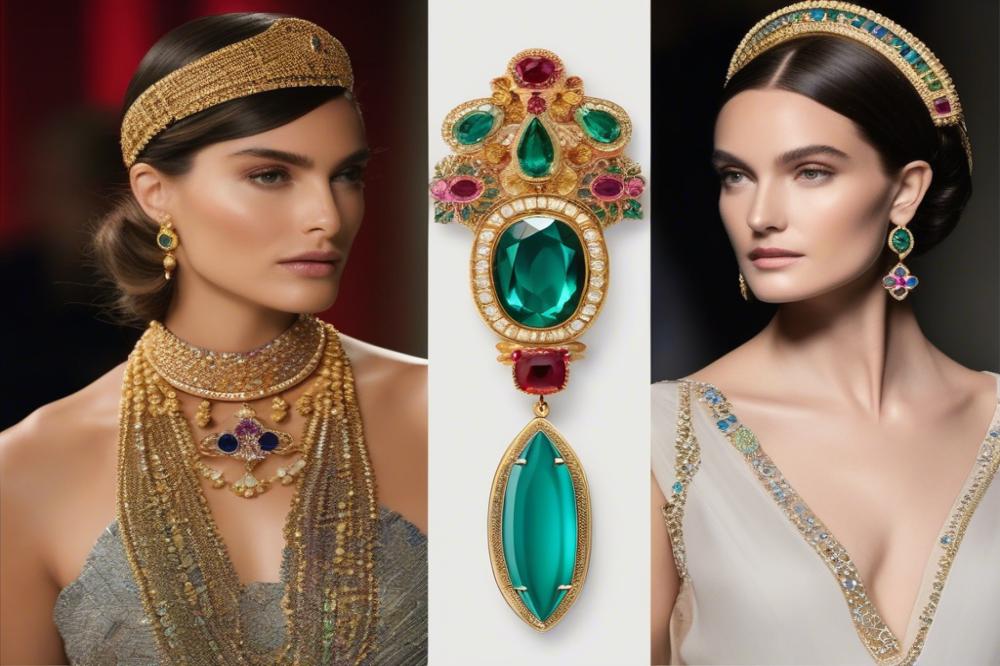
Italian jewelry craftsmanship has deep roots that stretch back to its ancient past. The Etruscans, who lived in the central part of Italy from the 9th to the 1st century BC, were highly skilled artisans. They developed intricate techniques that are still admired today. Their use of gold was remarkable, often creating intricate designs with granulation.
Roman influence transformed jewelry making further. The Romans, known for their artistic achievements, embraced Etruscan techniques and expanded upon them. They introduced new styles, particularly with the incorporation of gemstones. The integration of colorful stones added a vibrant flair to jewelry. Trade routes allowed for the exchange of materials, enhancing the variety of pieces that emerged.
Jewelry became not just decorative but also a symbol of status and wealth. Rings, necklaces, and bracelets reflected personal identity and societal rank. People wore them to showcase their power. This rich history of artistry set the stage for future generations of Italian jewelers.
Through these early influences, a foundation was laid. Techniques developed from these ancient cultures would evolve but never disappear. Italian craftsmanship began to take on its character, retaining the elegance and complexity initiated centuries ago. Each piece crafted carries whispers of this extensive heritage. The artistry found in what we see today is a continuation of ancient traditions refined through centuries. The legacy lives on, ever inspiring modern creativity.
Renaissance Revival and Techniques
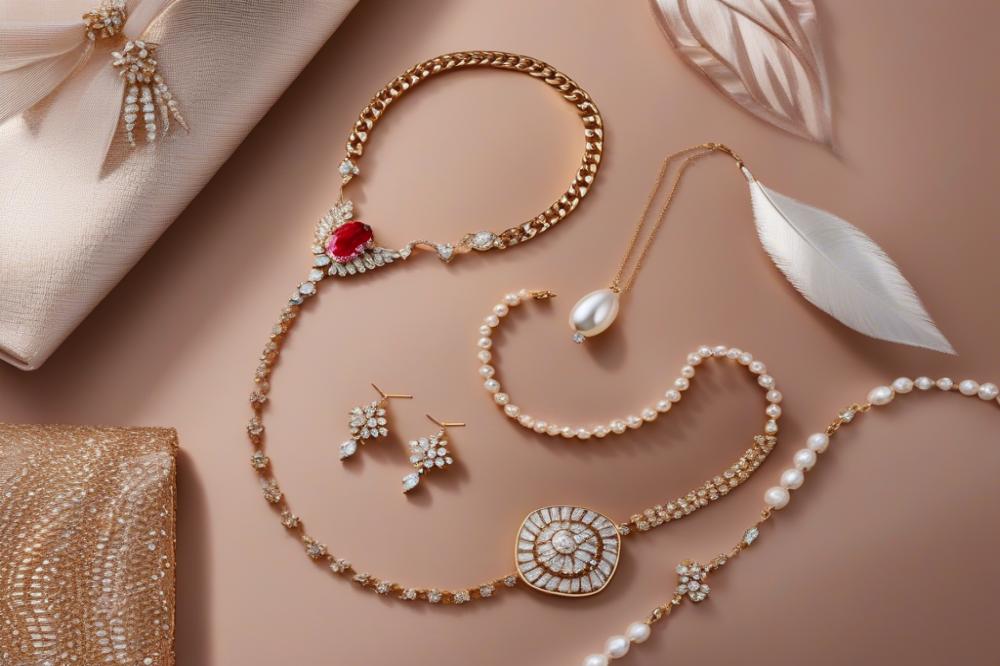
The Renaissance period marked a significant surge in the art of jewelry making. Artists and goldsmiths played a vital role in elevating this craft to new heights. Their influence was evident in both design and techniques used for creating exquisite pieces.
This era fostered a deep appreciation for beauty and craftsmanship. Jewelers embraced classical forms and motifs, drawing inspiration from ancient Rome and Greece. Detailed work became prominent, showcasing intricate designs that captivated the eye.
Key innovations emerged, particularly in metalworking techniques. Methods like engraving and cloisonné became popular. The use of colored gemstones also gained traction, adding vibrant hues to adornments.
Goldsmiths refined their skills, focusing on the intricate details of each piece. They honed techniques that allowed for the creation of delicate filigree and elaborate settings. These advancements led to jewelry that was not only beautiful but also highly distinctive.
Artists like Benvenuto Cellini influenced jewelry design with their artistic vision. Their works often included complex narratives or symbols that conveyed deeper meanings. This artistic approach set the stage for future generations of jewelers.
During this time, craftsmanship was held in high regard. Master artisans passed down their skills to apprentices, ensuring quality and tradition. As a result, Italian jewelry craftsmanship flourished, creating pieces cherished by society.
Jewels from the Renaissance era remain highly sought after today. Collectors are drawn to the historical significance and refined techniques that define this period. The legacy of the Renaissance continues to inspire modern jewelers in their creative pursuits.
Regional Styles and Distinct Craftsmanship
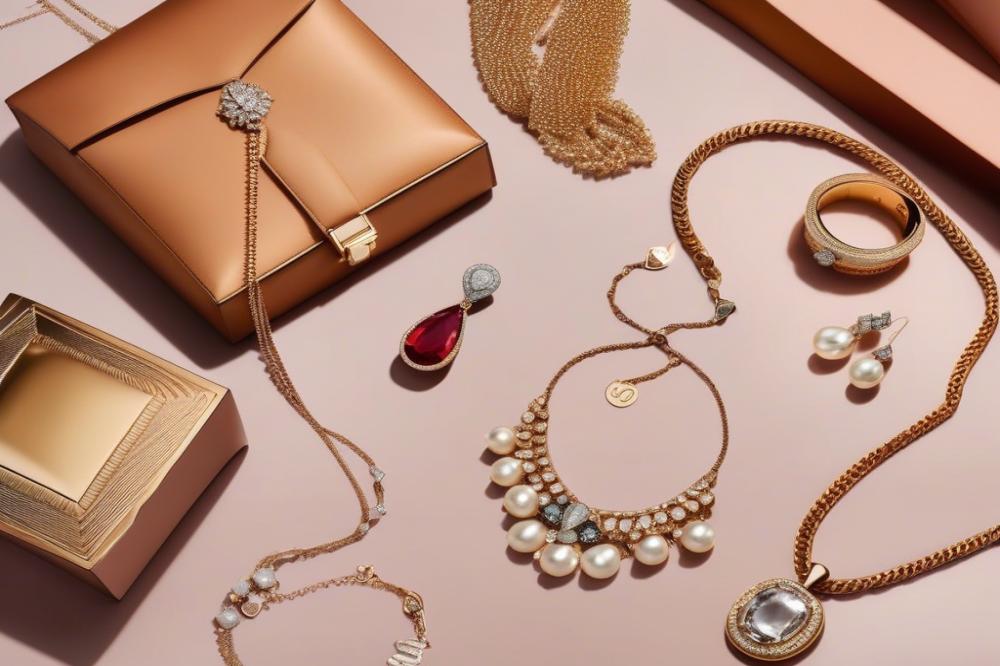
Italy’s rich tapestry of jewelry craftsmanship showcases diverse regional styles. Each area contributes its own flavor to the art of adornment. In Florence, goldsmiths have perfected the art of filigree. Fine threads of gold delicately weave into intricate designs. This method creates pieces that are both lightweight and elegant.
Milan stands as a leader in contemporary design. Jewelers in this bustling city blend tradition with modern techniques. Their creations often feature bold gemstones and innovative settings. Milan’s flair attracts fashion-forward individuals looking for statement pieces.
Venice, with its Gothic architecture, inspires elaborate designs. The use of Murano glass sets Venetian jewelry apart from others. Craftsmen transform colorful glass into beautiful beads and pendants. These elements tell stories of the city’s history and artistic spirit.
The South of Italy showcases vibrant craftsmanship as well. Regions like Sicily and Naples display a passion for enamel work. Artisans create colorful, eye-catching pieces that reflect local culture. Traditional motifs often tell tales of folklore and heritage.
Notable artisans have left their mark on these regional identities. For instance, Francoise Buccellati from Milan is legendary for his textured gold pieces. Meanwhile, Annamaria Cammilli combines floral designs with gemstones in her work. Their contributions elevate Italian jewelry to a global stage.
The various techniques across Italy highlight the diversity of craftsmanship. Each region, whether it’s in the North or the South, offers something special. This variety allows for a vibrant jewelry market, appealing to all tastes.
The 19th and 20th Century Transformation
The landscape of Italian jewelry experienced a significant transformation in the 19th century. Rapid industrialization changed how jewelry was made and who could buy it. More people gained access to wealth, leading to increased demand for adornments. Jewelers began to use modern materials like platinum and gemstones more readily. These materials allowed for more intricate designs and greater affordability.
Craftsmanship shifted due to new techniques introduced during this time. Mass production became possible, which meant that beautiful pieces were no longer exclusive to the rich. However, this change also inspired artisans to create handcrafted pieces that emphasized individual artistry. Thus, the era gave birth to both luxury items and accessible jewelry.
The 20th century saw the rise of luxury brands that changed the jewelry market globally. Italian designers, renowned for their artistry and quality, became household names. Brands like Bulgari and Gucci brought Italian style to the forefront. They created iconic pieces that blended tradition with modern tastes. This influence spread far beyond Italy, reaching customers worldwide.
As social changes unfolded, jewelry began to reflect new values. Art Deco and later styles embraced bold designs and new materials. The use of synthetic gemstones became popular, allowing for creativity without the constraints of natural stones. People sought pieces that showcased their personality. Jewelry turned into a powerful form of self-expression.
Throughout these centuries, Italy remained a focal point for jewelry craftsmanship. Merging techniques and innovations, artisans produced items that were both beautiful and meaningful. This transformation shaped the identity of Italian jewelry, making it a symbol of luxury and elegance. The impact of these changes continues to resonate today, influencing trends and tastes.
Contemporary Italian Jewelry: Innovation and Tradition
Italian jewelry today is a blend of old and new. Design trends reflect a deep respect for tradition while embracing innovative techniques. Craftsmen showcase their skills through modern designs that often tell stories. Colors, materials, and styles constantly evolve, mirroring the culture and lifestyle of modern Italy.
Many designers draw inspiration from Italy’s rich history. They incorporate classic motifs, but add a twist to them. This approach creates pieces that feel both familiar and fresh. For instance, you might see intricate filigree work alongside minimalist designs. Such contrasts attract a wide range of customers.
Sustainability now plays a significant role in jewelry creation. More brands focus on sourcing materials ethically. This means using recycled metals or responsibly mined gemstones. Jewelry makers are aware of the environmental impact of their choices. Many consumers seek products with a story behind them, preferring those that are created with care for the planet.
Innovation doesn’t stop at materials. New technologies, like 3D printing, are becoming popular. These methods allow for a greater level of detail and personalization. Customization options enable buyers to create something that truly reflects their style. This trend is becoming especially popular among younger generations.
The balance between tradition and modernity is key. Craftsmen have not forgotten their roots. They honor age-old techniques while welcoming new ideas. This fusion of past and present creates an exceptional series of stunning pieces.
Moreover, ethical practices are changing the landscape of Italian jewelry. Transparency in sourcing is increasingly important. Buyers feel empowered when they know where their products come from and how they are made. This focus on responsibility resonates with many people today.
Italian jewelry is thriving in this contemporary setting. The artistry remains alive, showcasing both the heart of Italy and its innovative future. As trends shift, the harmony between craftsmanship and sustainability continues to define this dynamic industry.
A Lasting Impression: The Legacy and Future of Italian Jewelry Craftsmanship
Italian jewelry craftsmanship stands as a testament to artistry and tradition. The rich history shapes not only the pieces created but also the appreciation for these treasures around the world. Many admire the exquisite designs, intricate details, and cultural significance that mark Italian jewelry. This legacy continues to influence global fashion today, captivating people from all walks of life.
As we reflect on the future, questions about sustainability and innovation come into play. Changing consumer preferences urge manufacturers to adapt. Craftsmanship needs to embrace new materials and techniques without losing its essence. Moreover, the rise of digital platforms offers a chance to connect with a broader audience, showcasing #anchor_text_3#. Engaging with younger generations is vital for maintaining relevance.
Challenges exist, yet the spirit of innovation thrives within Italy. Brands are exploring collaborations with artists and designers, which can enrich #anchor_text_4#. This fusion of tradition and modern ideas will likely pave the way for exciting advancements. Ultimately, Italian craftsmanship will not fade away; instead, it will evolve with the times, securing its place in the international jewelry arena.
The future of Italian jewelry is bright, promising to uphold its legacy while welcoming change. As the world shifts, one thing remains clear: the heart and soul of Italian craftsmanship will continue to inspire and enchant for generations to come.

