
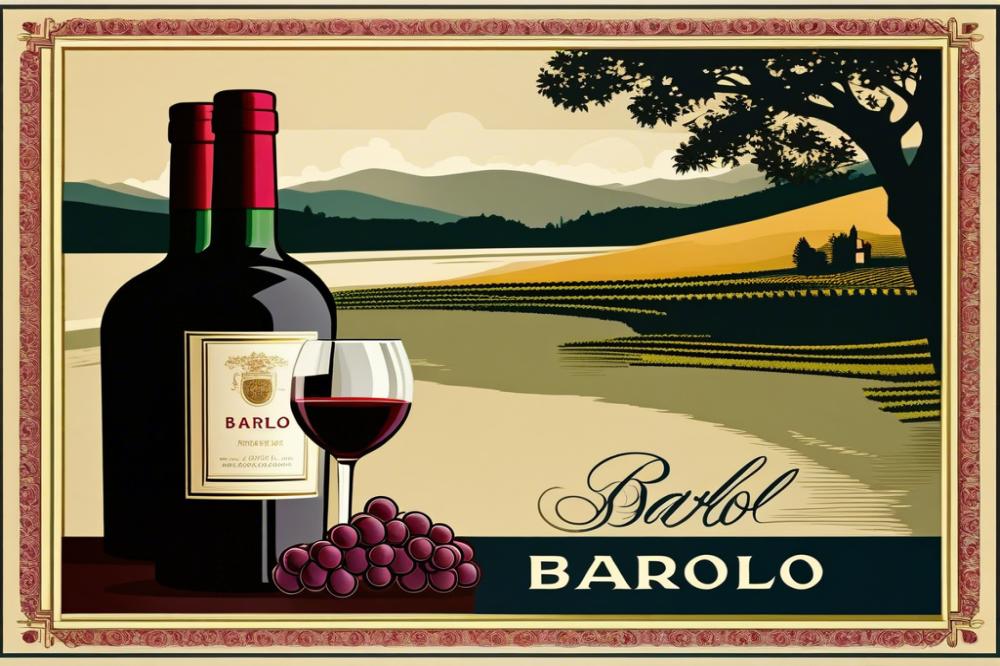
Overview of Barolo as a Classic Italian Wine
Barolo is often hailed as the king of Italian wines. This prestigious red wine comes from the Piedmont region, famed for its exceptional vineyards. Made primarily from the Nebbiolo grape, Barolo is known for its depth of flavor and complex aroma. It offers layers of cherry, rose, and earthy notes, captivating wine lovers around the world. Wine tasting experiences often elevate the appreciation for this luxurious beverage.
Importance of Barolo in the Wine World
This particular wine holds a special place in the hearts of connoisseurs. Many consider it one of the finest red wines produced globally. Its aging potential is remarkable, with some bottles developing even richer profiles over decades. Wine production in this region reflects a commitment to excellence, and Barolo serves as a shining example. It pairs beautifully with various foods, which enhances its allure.
Introduction to the Piedmont Region and Its Terroir
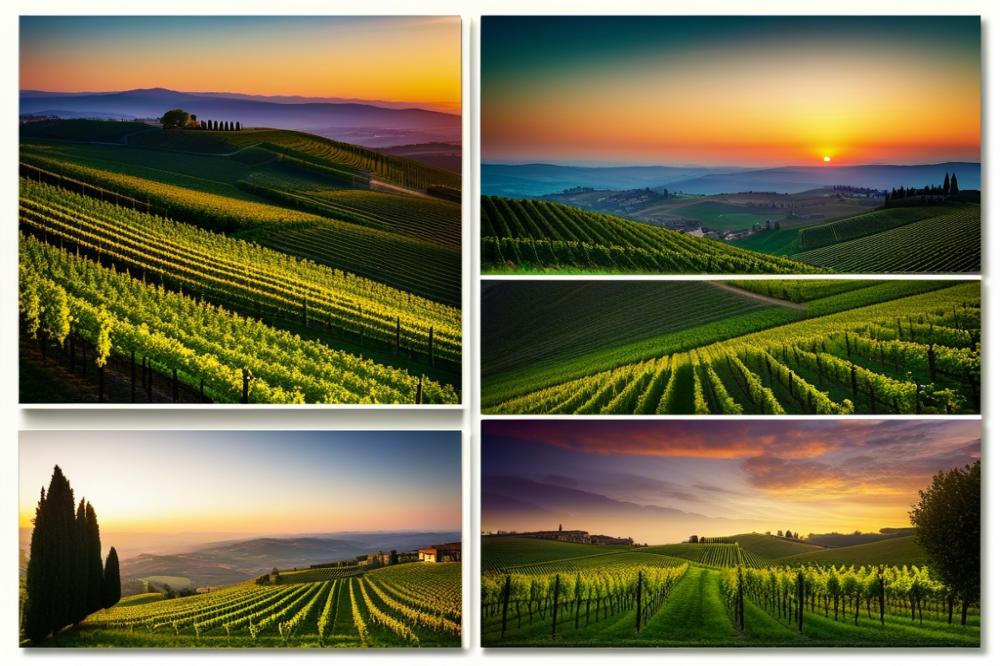
Piedmont boasts a unique terroir that significantly influences the characteristics of its wines. Nestled at the foot of the Alps, the climate combines warm days and cool nights, allowing the grapes to ripen perfectly. The region’s rolling hills and diverse soils create ideal conditions for Nebbiolo to thrive. Piedmont has become synonymous with top-tier wine regions, drawing enthusiasts to explore its hidden gems.
The Origins and Characteristics of Barolo
History of Barolo Wine Production
Barolo has a rich history that dates back to the 19th century. This fascinating wine emerged in the Piedmont region of Italy. Initially, it was produced for local consumption. However, the quality soon attracted attention beyond its borders. By the late 1800s, it had gained recognition as a premier red wine. The reputation grew, leading to an increase in wine production. Today, it is celebrated as one of Italy’s luxury wines.
Grape Variety: Nebbiolo and Its Significance
Nebbiolo is the star of this remarkable wine. This grape variety thrives in the specific climate and soil of Piedmont. It stands out for its complexity and aroma. Nebbiolo can produce a wine with powerful tannins and high acidity. These characteristics contribute significantly to the aging potential of the drink. Over time, the wine softens, revealing deeper flavors. Many aficionados seek out Nebbiolo for its unique structure and elegance.
Unique Characteristics and Flavor Profile of Barolo
A Barolo possesses a deep garnet color that hints at its intensity. The aroma is often a mix of roses, cherries, and earthy notes. On tasting, it reveals flavors of dark fruit, licorice, and sometimes tobacco. The bold tannins provide a robust backbone. With a high acidity, it invigorates the palate and enhances food pairing. Many enjoy it alongside rich dishes like truffles or grilled meats.
Role of Terroir in Shaping Barolo Wines
Terroir plays a crucial role in the development of this wine. The specific soil types, microclimates, and elevation greatly influence the grape’s characteristics. Different vineyards even yield variations in flavor and aroma. Factors like sun exposure and rainfall throughout the year further affect the outcome. In Piedmont, the balance of these elements is ideal for Nebbiolo. This interaction creates uncommon experiences for wine tasting enthusiasts. Every bottle tells a story of its origin and the land it comes from.
The Wine Regions of Piedmont
Located in the northwest of Italy, the Barolo area is a cornerstone of the Piedmont wine region. Nestled among the rolling hills, this region showcases stunning vineyards. The primary grape variety grown here is Nebbiolo, noted for its complex flavors and distinctive aroma. Being part of the Langhe hills, Barolo benefits from its high altitude, facing south, and unique microclimates.
Overview of the Surrounding Wine Regions
Piedmont is not solely about Barolo. Other prominent wine regions nearby include Barbaresco and Asti, each with its charm and character. Barbaresco, for instance, produces powerful yet elegant wines, while Asti is famous for its sparkling wines. These areas contribute to the rich legacy of Italian wines. Visitors often embark on adventurous wine tasting tours that span from Barolo to Barbaresco, immersing themselves in the diverse offerings of the terroir.
Impact of Regional Climate and Soil on Wine Quality
The climate in Piedmont features warm summers and cool winters, essential for grape maturation. Such conditions allow Nebbiolo grapes to develop their depth and aging potential. The soil in this region consists of clay, limestone, and sand. This mixture plays a crucial role in the wine’s characteristics. The local terroir affects how the grapes grow and ripen. Additionally, the interplay between climate and soil results in high-quality red wine that can be enjoyed for years. Food pairing possibilities are vast, making these wines even more appealing.
Wine Production and Aging Potential
The Winemaking Process Specific to Barolo
Winemaking for this iconic Italian red involves several key steps. Grape selection is crucial. Only Nebbiolo grapes, grown in the heart of Piedmont, are used. Climatic conditions and the soil, known for its unique terroir, play significant roles. Harvesting typically takes place in late September to early October.
After picking, grapes undergo crushing and fermentation. This process often lasts between 10 to 20 days. During fermentation, temperature control is vital. It helps preserve the delicate flavors and aromas. Following fermentation, wines are transferred to oak barrels. Aging in oak imparts distinct characteristics to the final product.
Aging Requirements for Barolo Wines
Italy sets strict regulations for aging Barolo. A minimum aging period of 38 months is required. This includes at least 18 months in wooden barrels. For Barolo Riserva, the requirements are even more demanding. These wines must be aged for at least five years before release.
The type of oak barrel used also influences the wine. Slavonian oak tends to give a gentler touch, while French oak adds more spice. Each choice impacts the flavor profile and overall character of the wine.
Discussion on Aging Potential and Optimal Drinking Windows
Barolo’s aging potential is remarkable. Many enthusiasts argue that it improves significantly over time. A well-structured wine can be enjoyed when young, but it often shines years later. Optimal drinking windows vary, typically stretching from 10 to 30 years after the vintage.
Food pairing is essential when tasting these wines. Rich dishes like braised meats complement Barolo beautifully. These luxury wines develop complex flavors, revealing layers of fruit, earthiness, and floral notes. Aged wines may show hints of truffle and leather, adding depth.
Wine tasting should be an experience, not just an event. Exploring Barolo allows enthusiasts to discover the nuances of the Nebbiolo grape. With proper care and attention, these wines hold the potential to be unforgettable.
Wine Tasting and Sensory Experience
Guide to Tasting Barolo Wines
Tasting a wine from Piedmont offers an extraordinary journey for the senses. When sampling this luxury wine, take your time. Pour a glass and observe the color; a deep garnet hue often indicates age and complexity. Swirl the wine gently, allowing oxygen to enhance its aromas.
Next, take a moment to inhale. Aromatic notes often arise from its Nebbiolo grape. Expect scents of roses, cherries, and sometimes even earthy undertones. The unique terroir of the region can introduce hints of tar and truffles. These layers contribute to the overall character of Barolo.
Identifying Key Flavors and Aromas During Tastings
Flavors in Barolo evolve with time. Initial sips may unveil vibrant fruit flavors like ripe berries. As the wine breathes, deeper tones emerge. You might detect flavors such as leather or spice, which can enhance the overall experience. These sensations create a rich tapestry for the palate.
Pairing food with this red wine can elevate the tasting experience. Dishes like braised meats or aged cheeses complement its bold flavors exceptionally well. Traditional Italian cuisine tends to enhance the wine’s profile. The combination can highlight subtle nuances in both the food and the Barolo.
Another aspect to note is the wine’s aging potential. Over time, flavors tend to mellow, becoming smoother. This aging process can transform the initial fruitiness into more complex layers. As you explore different vintages, you may notice deep variations based on the year and vineyard.
Tips for Enjoying Barolo and Appreciating Its Complexity
Appreciating Barolo requires patience and focus. Start with small sips to allow your taste buds to adjust. As the wine warms in your glass, its aromas will shift and develop. Don’t rush; let the experience unfold gradually.
Consider the specific region of production as it can influence the wine’s characteristics. Different vineyards interact with the same grape in diverse manners. Understanding these nuances enriches your tasting experience.
Finally, sharing the tasting with friends can transform the occasion into something memorable. Discussing flavors and aromas encourages deeper appreciation. Collaboration in this sensory exploration can open your mind to new ideas. Engage in conversations about what you’re experiencing, broadening your palate together. Enjoy the journey.
Food Pairing with Barolo
Pairing food with a fine red wine from Piedmont can elevate any meal. Knowing which dishes complement Nebbiolo enhances the overall experience. Rich, hearty foods are excellent choices. The wine’s tannins harmonize beautifully with red meats. Consider options like braised beef or lamb shanks. They resonate with the wine’s robust characteristics and aging potential.
Ideal Foods to Complement Barolo Wines
Cheeses also make a great match, especially aged varieties. Try pairing with a flavorful goat cheese or a sharp pecorino. These cheeses enhance the depth of flavors found in the wine. Game is another appropriate option. Dishes featuring wild boar or venison are particularly delightful companions. Such meats bring out the earthy notes of the wine.
Traditional Piedmontese Dishes That Pair Well
Local cuisine offers a variety of excellent pairings. Risotto al Barolo is a classic choice. This dish mirrors the rich profile of the wine itself. Another traditional dish, tajarin, is a thin pasta often served with a hearty sauce. When these come together, they showcase the terroir of the region. Don’t forget about bagna cauda, a warm dip made from garlic, anchovies, and olive oil. It adds a unique flair when enjoyed alongside a glass.
Suggestions for Pairing Barolo with International Cuisines
Many international dishes also pair nicely with this luxury wine. For Asian cuisine, try pairing with a rich duck dish. Roasted duck brings out the wine’s fruitiness. Mexican mole is another bold choice. The complex flavors enhance the wine’s multidimensional profile. Even Indian cuisine can shine alongside this red. Butter chicken or lamb curry works well due to their richness.
These suggestions span various palates and preferences. Experimenting with different pairings is part of the fun of wine tasting. Each combination invites new flavors and experiences, making meals memorable. As you explore, remember to enjoy the journey through this wine region’s offerings.
Barolo as a Luxury Wine
Positioning of Barolo in the Luxury Wine Market
Barolo holds a prestigious spot among luxury wines. It is often regarded as the crown jewel of Italian wines. This reputation stems from the grape variety, Nebbiolo, which thrives in the unique terroir of Piedmont. Collectors and connoisseurs often seek it for the depth of flavor and complexity it offers. With its growing fame, it competes closely with other renowned red wines globally. High demand creates a distinct allure. As a result, prices have consistently increased at auctions and wine shows.
Market Trends and Demand for Barolo Wines
Many enthusiasts are discovering Barolo’s appeal. Increased interest in Italian wines has fueled market growth. Wine tasting events reveal a longing for this classic red. Younger generations are becoming passionate about the unique flavors of Nebbiolo. People want to understand the wine production techniques and the artistry involved in each bottle. This trend is transforming how wines are marketed. Furthermore, the rise of social media allows consumers to share their experiences. In turn, this bolsters demand for Barolo and other wines from prestigious wine regions.
Investment Potential and Collector Interest in Barolo
Investing in Barolo offers an exciting opportunity for collectors. Its aging potential means many bottles improve significantly over years. This characteristic attracts serious investors looking for long-term value. Some vintages have become highly sought after, leading to impressive returns. Many collectors build their portfolios around notable years, knowing the value can skyrocket. In discerning circles, having a few prized bottles signals sophistication and knowledge. Food pairing opportunities enhance the experience, making it even more appealing. Investors and enthusiasts alike understand that this red wine can elevate their collection.
Final Thoughts on Barolo’s Significance in Italian Wines
Barolo stands out as a true symbol of Italian wines, particularly those hailing from Piedmont. This remarkable red is not just any wine; it represents a rich tradition and a deep connection to the land where it is produced. Made primarily from the Nebbiolo grape, it captures the essence of the region’s unique terroir. For many, this wine is considered the crown jewel of Italian offerings.
Exploring the nuances of Barolo can be a delightful journey. Each bottle tells a story of the craftsmanship behind it, the grapes that thrive in the picturesque hills, and the people who have nurtured this wine through generations. One sip can take you on a journey through history and culture, while also showcasing the complexities that make it treasured by enthusiasts.
Visitors to Piedmont often find that experiencing Barolo goes beyond just tasting the wine. Embracing the local cuisine, visiting vineyards, and speaking with passionate winemakers enrich the experience significantly. It invites anyone to not only appreciate the wine but also to understand the hard work and artistry involved in its creation.
Exploring offers many possibilities. Tasting different vintages and styles can reveal so much about personal preferences. Throughout this journey, individuals will encounter flavors and aromas that captivate and surprise. Embracing this adventure leads to discovering the depth of flavor in each glass.
So, whether you are a seasoned expert or someone new to Italian wines, consider making Barolo a part of your next tasting experience. Engaging with its complexity can uplift your appreciation for wine. Its legacy is not just in the bottle but also in the shared experiences that come with it. Dive into Barolo and explore the world of wine that awaits.

